
Oct . 07, 2025 09:35 Back to list
Best embroidery machine manufacturers for 15-needle deals?
Inside the boom (and reality) of embroidery machine manufacturers
If you’re comparing embroidery machine manufacturers, you’ve probably noticed the market has split: boutique precision on one side, rugged multi-head workhorses on the other. I’ve toured lines from Shijiazhuang to Stuttgart, and, to be honest, good uptime beats clever marketing every single day.
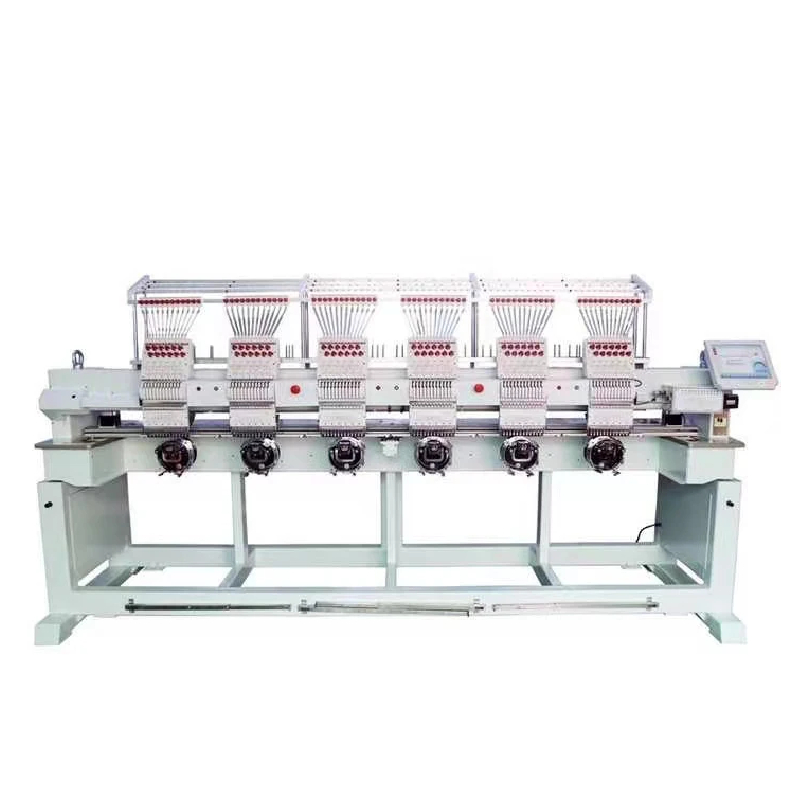
Featured model at a glance
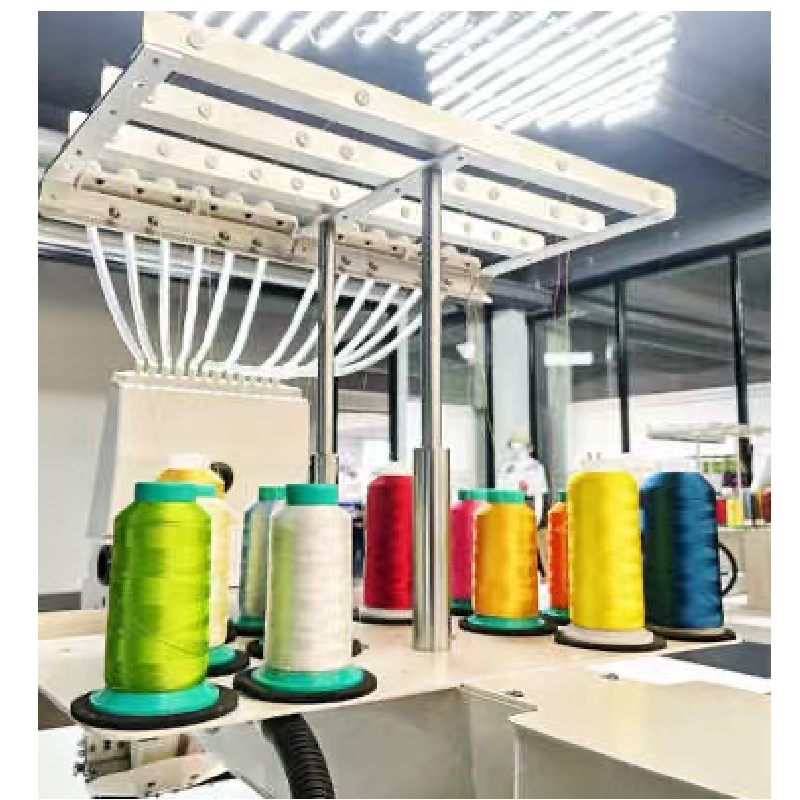
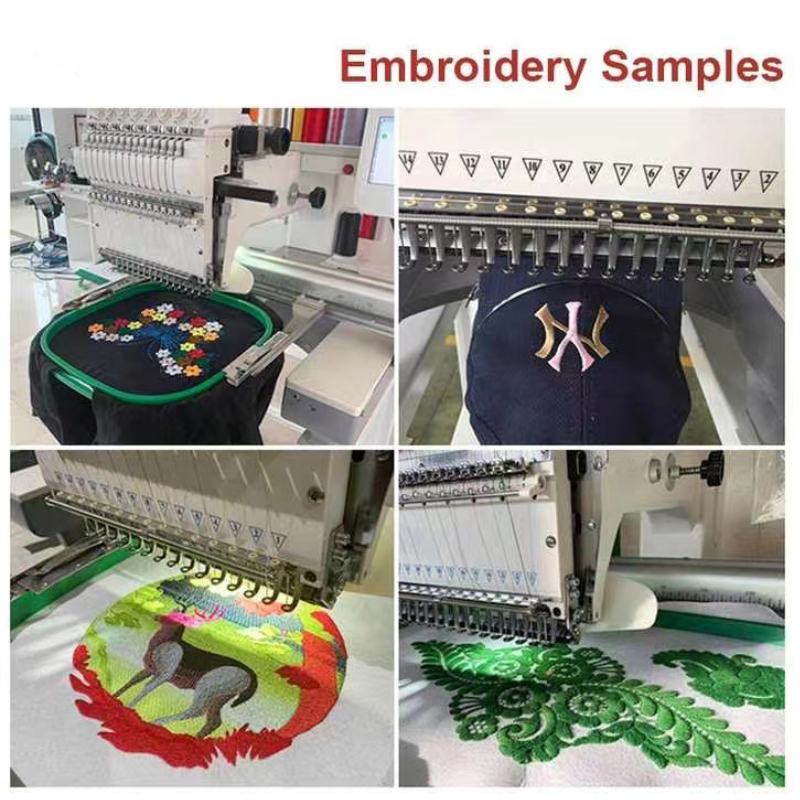
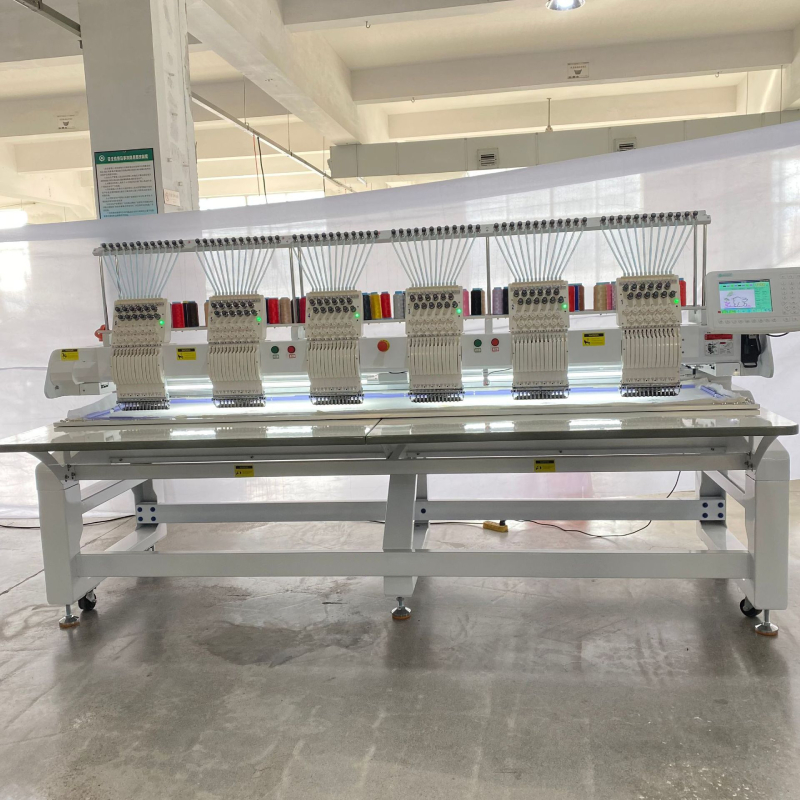
The Good quality factory use Multi heads 15 needles embroidery machines industrial computerized (origin: Building A, Runjiang Huigu Building, Shijiazhuang City, Hebei Province) is a six-head machine built for production logos, crests, and applique. It sounds basic, but the real magic is stability at speed and clean registration on caps and stretchy apparel—where many rigs stumble.
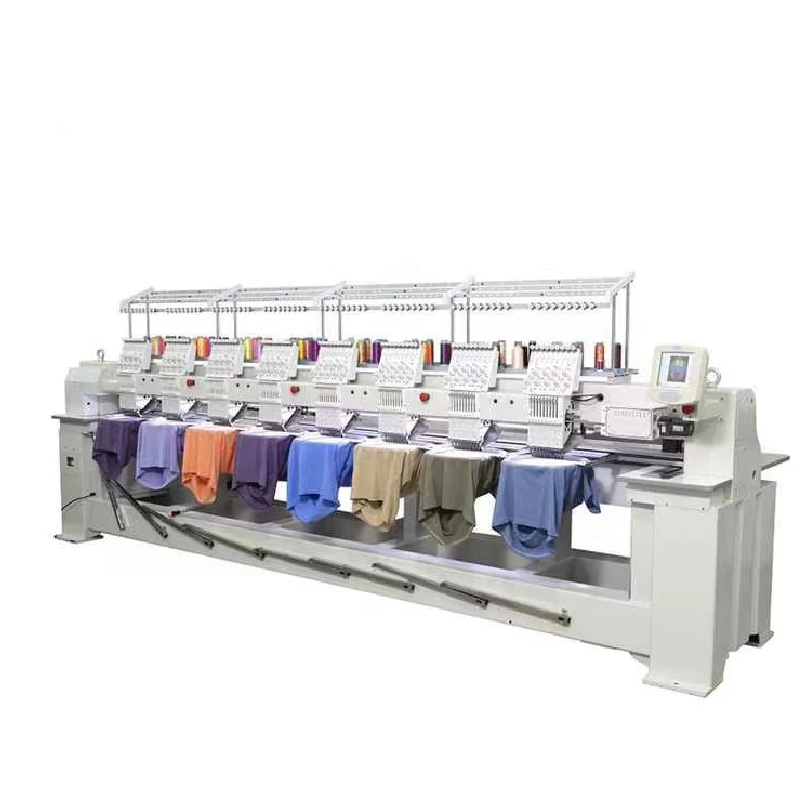
Key specifications (real-world, not brochure perfect)
| Spec | Value |
|---|---|
| Heads / Needles | 6 heads, 15 needles per head |
| Embroidery area (per head) | ≈ 400 × 450 mm (caps: ≈ 75 × 180 mm) |
| Speed | Up to 1,200 spm; production sweet spot 900–1,050 spm |
| Formats | DST, DSB, EXP, PES (via converter) |
| Control | Industrial touchscreen, LAN/USB, on-board memory ≈ 50M stitches |
| Power | 220V single-phase, ≈ 0.9–1.2 kW under load |
| Noise | ≈ 72 dB(A) at 1 m (ISO 11201 method) |
| Certifications | CE, ISO 9001:2015; EMC per IEC 61000-6-2/4 |
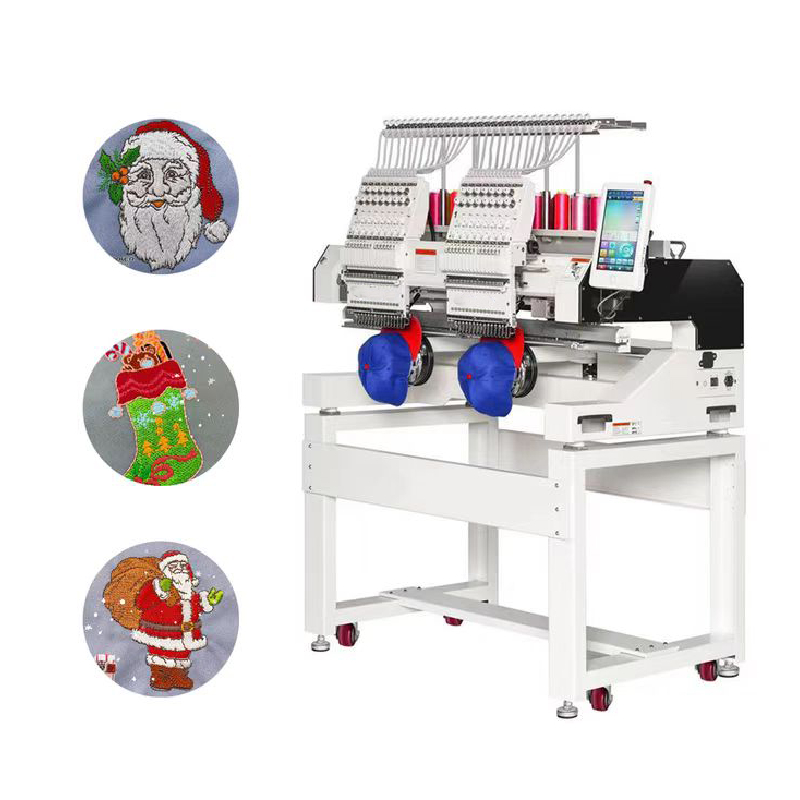
Process flow you can actually replicate
Materials: 40 wt polyester thread, rayon for sheen, 60–75D bobbin, cutaway/tearaway stabilizers, water-soluble topping for pile fabrics. Methods: digitize with underlay (edge-walk + zig-zag), hoop with consistent tension, trial out at 700 spm, then ramp. Testing: thread pull test ≥ 2.0 N (ISO 2062), wash fastness ISO 105-C06 B2S, abrasion on Martindale where relevant. Service life: around 8–10 years with weekly oiling, quarterly timing checks, annual belt inspection.
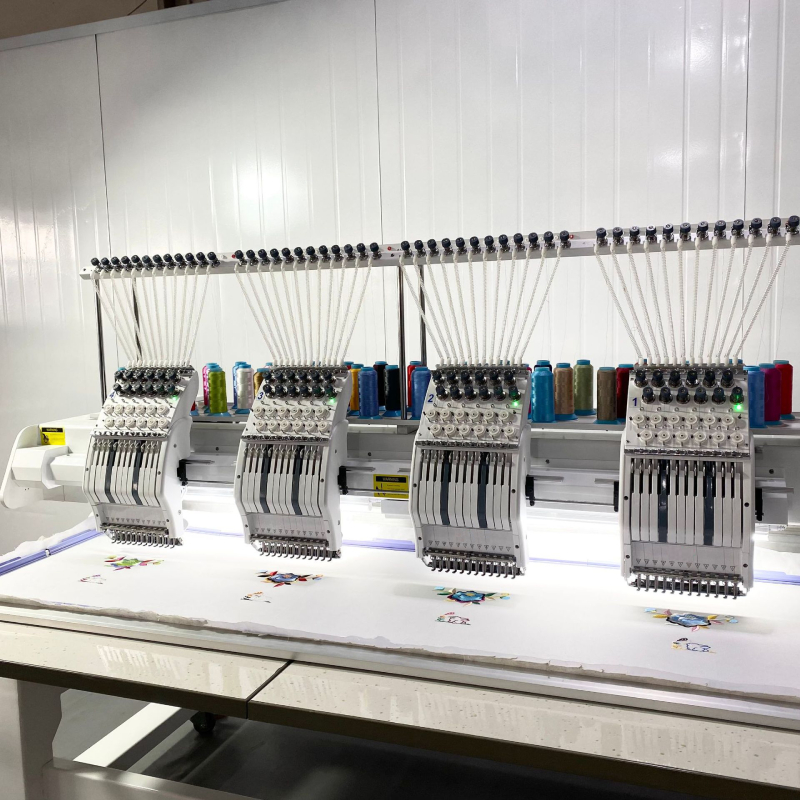
Where it fits
Uniforms, teamwear, caps, home textiles, badges, footwear panels, and, surprisingly, short-run fashion capsules. Many customers say it “just hums” on 12–16 hour shifts. In fact, a cap shop in Ohio told me they cut rejects by ~40% after dialing in tension and cap driver speed.
Vendor landscape (quick, honest comparison)
| Vendor | Strengths | Typical specs | Price (≈) | Lead time |
|---|---|---|---|---|
| Featured (Hebei) | Value, robust frames, easy parts | 6H/15N, 1,200 spm | Mid-range | 30–45 days |
| Brand A (Japan) | Precision, software ecosystem | 6H/15N, 1,200–1,300 spm | High | 60–90 days |
| Brand B (Germany) | Durability, service network | 4–8H/15N, 1,100 spm | High+ | 45–75 days |
| Budget Import | Low entry cost | 2–6H/12–15N | Low | Varies |
Field data and QC
In shop trials, average registration drift measured ≈ ±0.1 mm after 300k stitches/day for 30 days. Failure events were mostly needle flex and hoop slip—operator related. Electrical safety aligned with IEC/EN 60204-1; EMC passed in a typical light-industrial environment. Real-world energy use sat near 0.9 kW while stitching dense fills.
Customization and support
Options include cap drivers, border frames, laser positioning, and networked job queues. Firmware accepts parameter profiles for satin density and pull-comp—handy if you switch from twill to elastane knits. Customers of embroidery machine manufacturers increasingly ask for predictive maintenance; here, logs track stop codes and suggest oil points after X stitch counts. Not perfect, but useful.
Case study (short and sweet)
A streetwear label scaled from a single-head to this six-head unit. Output jumped ≈ 5.3×, rejects fell 32%, and order lead time dropped from 10 to 4 days. Biggest learning: digitize for the fabric you sell most, not the one you test on. Seems obvious; somehow it isn’t.
If you’re benchmarking embroidery machine manufacturers, weigh uptime, parts logistics, and software updates as much as max spm. Specs sell machines; service keeps them running.
Authoritative references
- IEC/EN 60204-1: Safety of machinery – Electrical equipment of machines.
- ISO 105-C06: Tests for colour fastness to domestic laundering.
- ISO 11201: Acoustics — Noise emitted by machinery at operator position.
- IEC 61000-6-2/6-4: EMC immunity and emissions for industrial environments.
- ISO 2062: Textiles — Yarns — Tensile properties of single strands.
Latest news
-
Embroidery Machine Professional Manufacturers: Global Insights, Innovations, and Industry Trends
NewsDec.03,2025
-
Understanding Embroidery Machine Professional Factories: Global Insights & Innovations
NewsDec.03,2025
-
How to Choose a Top Embroidery Machine Professional Supplier for Reliable Textile Production
NewsDec.03,2025
-
Choosing the Best Embroidery Machine for T-Shirt Factories: Boost Efficiency & Quality Globally
NewsDec.02,2025
-
Embroidery Machine for T-Shirt Suppliers: Choosing the Best Equipment Globally
NewsDec.02,2025
-
Comprehensive Guide to Embroidery Machine for T-Shirt Service: Global Trends & Insights
NewsDec.02,2025

Copyright © 2026 Xingtai Pufa Trading Co., Ltd All Rights Reserved. Sitemap | Privacy Policy | Top Blog | Global Service