
Sep . 13, 2025 08:40 Back to list
Best Industrial Embroidery Machines for Sale | Computerized & High-Speed
The Imperative for High-Performance Industrial Embroidery Machines
In the dynamic and competitive landscape of textile and apparel manufacturing, the selection of robust and efficient machinery is paramount. Businesses seeking to elevate their production capabilities, ensure unparalleled design precision, and meet stringent deadlines are consistently evaluating the best industrial embroidery machines for sale. These advanced systems are not merely tools but strategic assets that underpin profitability and market differentiation. This comprehensive analysis delves into the technical intricacies, application versatility, and strategic advantages offered by cutting-edge industrial embroidery solutions, focusing on the core attributes that define superior performance in a B2B context.
Current Industry Trends and Technological Evolution
The industrial embroidery sector is undergoing significant transformation, driven by demands for higher automation, greater customization, and enhanced material versatility. Key trends include:
- Increased Automation and IoT Integration: Modern industrial embroidery machines are increasingly integrated with IoT platforms, enabling real-time monitoring, predictive maintenance, and seamless data exchange across the production floor. This drives efficiency and reduces downtime. Many operations now leverage a fully automatic embroidery machine to streamline workflows from design to finished product.
- Advanced Software and Digitization: Sophisticated digitizing software allows for intricate design creation, simulation, and optimization, reducing errors and material waste. Integration with CAD/CAM systems is now standard.
- Multi-Material Compatibility: Beyond traditional textiles, the latest machines can handle a broader array of materials, including leather, denim, and even some non-woven substrates, opening new application markets.
- Energy Efficiency: Manufacturers are prioritizing energy-efficient servo motors and smart power management systems to reduce operational costs and meet sustainability goals.
- User-Centric Interfaces: Intuitive touch-screen controls and multi-language support are enhancing operator ease-of-use, minimizing training requirements.
The Manufacturing Process of Advanced Industrial Embroidery Machines
The production of the best industrial embroidery machines for sale is a highly technical and meticulously managed process, designed to ensure precision, durability, and long-term reliability. It involves a sequence of specialized engineering and manufacturing steps, adhering to stringent quality control standards.
Schematic Manufacturing Process Flow:
-
Raw Material Sourcing & Inspection:
- High-grade steel alloys (e.g., SUS304 for corrosion resistance) and aluminum for structural components. Precision-machined plastics for non-load-bearing parts.
- Rigorous incoming material inspection for chemical composition, mechanical properties (tensile strength, hardness), and dimensional accuracy.
-
Component Fabrication:
- Casting & Forging: Base frames and heavy-duty components often start with high-precision casting or forging to achieve specific strength and anti-vibration characteristics.
- CNC Machining: Critical components like needle bars, presser feet, and drive shafts undergo multi-axis CNC machining for sub-micron precision, ensuring smooth operation and minimal wear.
- Heat Treatment: Steel components are heat-treated (e.g., tempering, carburizing) to enhance hardness, fatigue resistance, and overall service life.
-
Surface Treatment & Finishing:
- Powder coating for aesthetic appeal and enhanced corrosion resistance. Chrome plating for high-wear parts.
- Precision grinding and polishing to reduce friction and improve component longevity.
-
Electrical & Electronic Assembly:
- Integration of advanced servo motors, microcontrollers, color LCD touch panels, and proprietary control systems.
- Wiring harnesses are carefully routed and secured, adhering to electrical safety standards (e.g., IEC 60204-1).
-
Sub-Assembly and Final Assembly:
- Modular assembly of various units: head assembly, pantograph system, frame, and electrical cabinet.
- Precision alignment and calibration of all mechanical and electronic interfaces.
-
Rigorous Quality Control & Testing:
- Functionality Tests: Comprehensive testing of all stitching modes, speeds, thread breakage detection, and automatic trimming systems.
- Durability & Endurance Tests: Machines undergo extended run-time tests under varying loads to simulate real-world usage and predict service life, often exceeding 10 years with proper maintenance.
- Compliance Testing: Adherence to international standards such as ISO 9001 (Quality Management), CE (European conformity), and ANSI (American National Standards Institute) for safety and performance.
- Noise & Vibration Analysis: Ensuring operational parameters meet ergonomic and environmental standards.
-
Packaging & Shipment:
- Robust industrial packaging to prevent damage during transit.
- Comprehensive documentation including manuals, spare parts lists, and certification.
This meticulous manufacturing paradigm results in machines with exceptional service life, typically exceeding 10-15 years in continuous operation. Target industries benefiting from such robust construction include large-scale apparel manufacturing, automotive interior production, promotional product customization, and specialized textile applications where energy saving and corrosion resistance are critical performance indicators. For example, the precise control over tension and stitch formation contributes significantly to energy savings by minimizing re-runs and material waste, while the use of high-grade materials ensures resilience in demanding industrial environments.
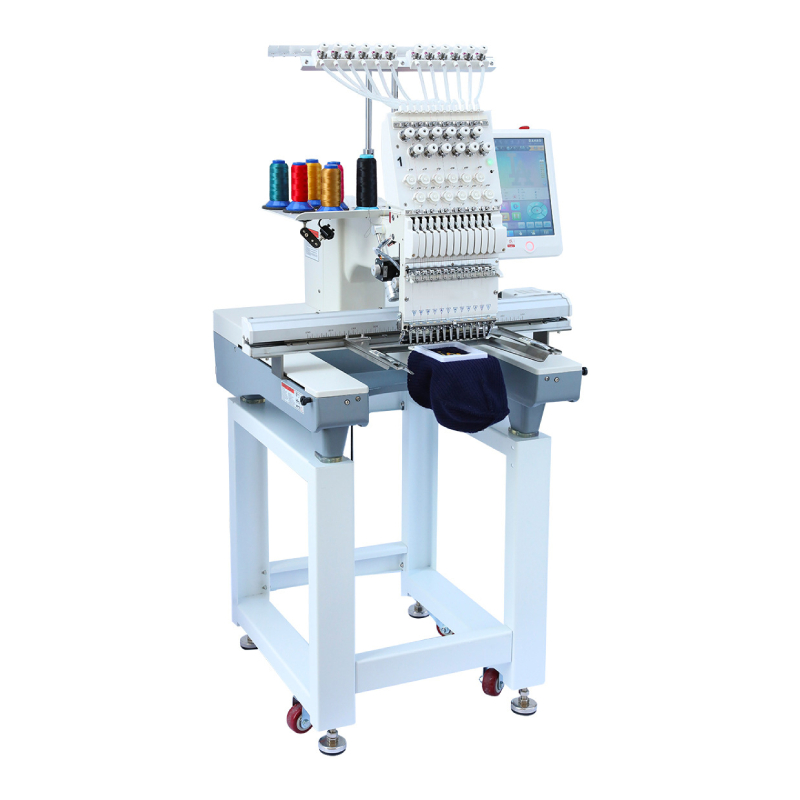
Image 1: Precision engineering during the assembly of industrial embroidery machine components.
Technical Specifications: A Deep Dive
Understanding the technical specifications is crucial for any procurement decision regarding the best industrial embroidery machines for sale. These parameters directly impact performance, versatility, and return on investment. Below, we detail the specifications for a representative high-performance model, such as the Wholesale Commercial industrial automatic 15 needles single head computer hat tshirt cap Computer Embroidery Machine.
These specifications highlight a machine engineered for both high-volume production and intricate customization, making it a strong contender among the options for the best industrial embroidery machines for sale. The robust motor system and comprehensive control unit contribute to its reliability and versatility, critical for businesses requiring diverse application capabilities.
Application Scenarios and Versatility
The adaptability of an industrial embroidery machine defines its true value. The systems identified as the best industrial embroidery machines for sale excel across a multitude of applications, catering to various industries and production needs.
- ✓ Apparel Manufacturing: From casual wear to high-fashion garments, these machines produce intricate logos, decorative patterns, and branding elements on t-shirts, polo shirts, jackets, and sportswear. The capability to handle various fabric types and thicknesses is crucial for high-volume textile operations. The specialized frames make it an excellent computerized t shirt embroidery machine.
- ✓ Headwear Production: With specialized cap attachments, these machines are indispensable for custom hat and cap embroidery, including both flat and 270-degree designs on various cap styles.
- ✓ Promotional Products: Personalization of corporate merchandise such as bags, towels, patches, and corporate uniforms is a key application, enabling businesses to offer diverse branding solutions.
- ✓ Home Textiles and Upholstery: Customizing linens, towels, curtains, and even automotive interior elements with sophisticated embroidery designs, adding value and aesthetic appeal.
- ✓ Specialized & Industrial Applications: Including the creation of embroidered badges for uniforms (e.g., security, emergency services), and intricate patterns for theatrical costumes or high-end bespoke garments. The precision and durability make them suitable for scenarios requiring energy saving and robust corrosion resistance.
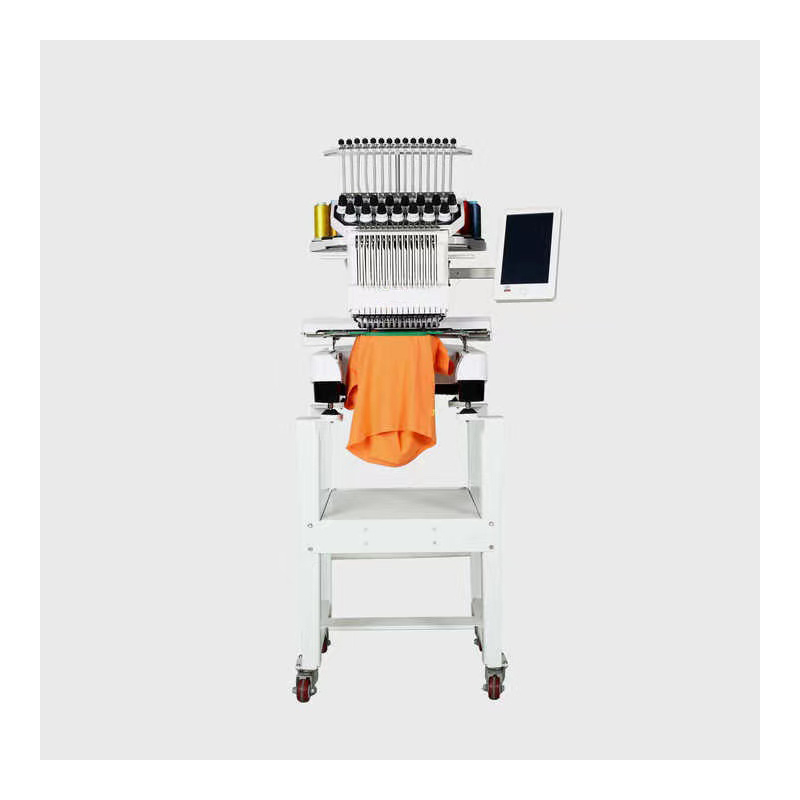
Image 2: An industrial embroidery machine in action, demonstrating its versatility across different product types.
Technical Advantages Driving Superior Performance
The competitive edge of leading industrial embroidery machines stems from a combination of innovative engineering and robust design. These technical advantages translate directly into operational benefits for businesses.
- High-Precision Stitching: Advanced tension control systems and precision-engineered components (e.g., Japanese-made rotary hooks) ensure consistent stitch quality, even at high speeds, minimizing thread breakage and enhancing design integrity.
- Durability and Longevity: Constructed from heavy-duty industrial-grade materials, including cast iron frames and hardened steel components, these machines are built for continuous operation under demanding conditions, offering an extended service life.
- Enhanced Speed and Efficiency: High-speed servo motors (e.g., Panasonic servo motors on X/Y axis) allow for rapid acceleration and deceleration, leading to faster stitch rates and overall increased throughput compared to standard models.
- Advanced Automation Features: Automatic thread trimming, color change, and thread break detection significantly reduce manual intervention, boosting productivity and enabling lights-out operation for an automatic embroidery machine.
- Vibration Reduction: Optimized machine structure and balanced components minimize vibration, which not only improves stitch quality but also reduces wear and tear on internal parts, contributing to longer machine life and less noise.
- Intuitive Control Systems: Modern machines feature large, responsive touch screens (e.g., 10-inch LCD) with user-friendly interfaces, simplifying design loading, editing, and machine operation, even for complex tasks involving a computerized t shirt embroidery machine.
These technical attributes collectively ensure that investing in the best industrial embroidery machines for sale translates into operational excellence, lower total cost of ownership, and enhanced capacity for innovation in textile decoration.
Vendor Comparison and Selection Criteria
Choosing among the various providers of best industrial embroidery machines for sale requires a systematic evaluation beyond just initial cost. Key criteria for vendor comparison include:
- ● Reputation and Longevity: Evaluate the vendor's years of service in the industry and their track record for reliability and customer satisfaction.
- ● Technological Innovation: Does the vendor consistently update their models with the latest control systems, motor technology, and automation features?
- ● After-Sales Support and Training: Availability of technical support, spare parts, and comprehensive training programs is critical for continuous operation.
- ● Certification and Compliance: Verify certifications like ISO 9001 (quality management) and CE marking (European safety standards) to ensure adherence to international benchmarks.
Product Comparison: Single-Head vs. Multi-Head Industrial Embroidery Machines
The choice between single-head and multi-head configurations significantly impacts production strategy.
For businesses requiring versatile production and a lower entry barrier, a high-quality single-head machine, especially one that functions as an automatic embroidery machine and computerized t shirt embroidery machine, offers exceptional value. Multi-head machines are the choice for large-scale, high-volume production where identical designs are applied simultaneously.
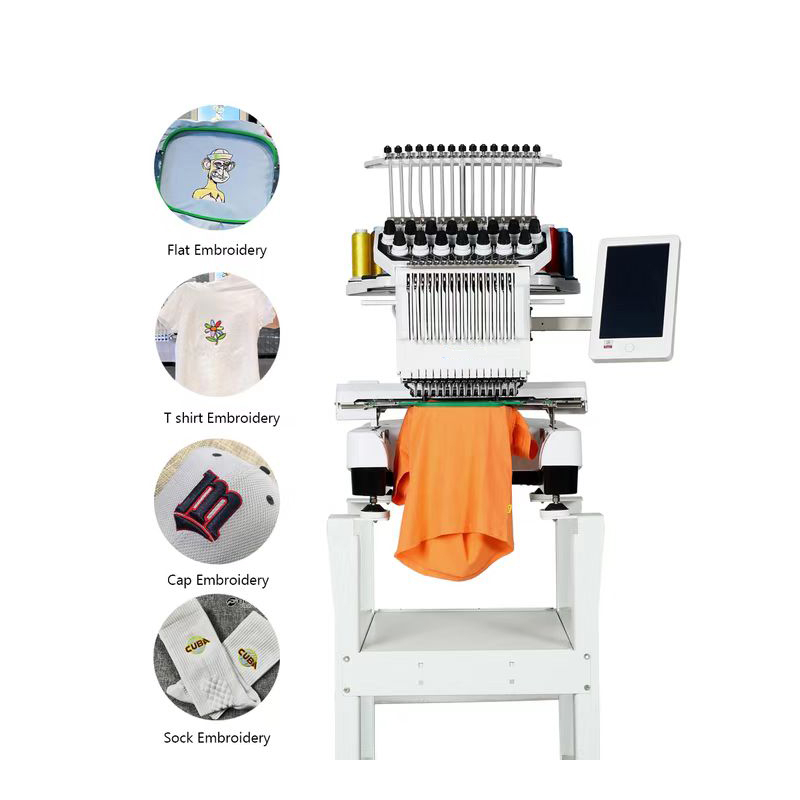
Image 3: Comparing the operational footprint of different industrial embroidery machine configurations.
Customized Solutions and Design Flexibility
A hallmark of the best industrial embroidery machines for sale is their capacity for customization. Leading manufacturers provide tailored solutions that extend beyond standard configurations.
- Specialized Hooping and Attachments: Custom hoop sizes and shapes can be provided for unique product lines, such as footwear, pockets, or unusually shaped textiles.
- Software Integration: Machines can often be integrated with existing CAD/CAM systems, enterprise resource planning (ERP) software, or custom design platforms to streamline workflow and data management.
- Multi-Functional Heads: Some advanced models allow for the integration of sequin devices, cording attachments, or boring tools, enabling diverse embellishment techniques on a single platform.
- Material Handling Systems: Automated feeding and take-up systems can be customized for specific fabric rolls or continuous production lines, optimizing throughput for specialized projects.
This level of customization ensures that businesses can optimize their investment to meet highly specific production challenges and niche market demands, maintaining flexibility while scaling operations.
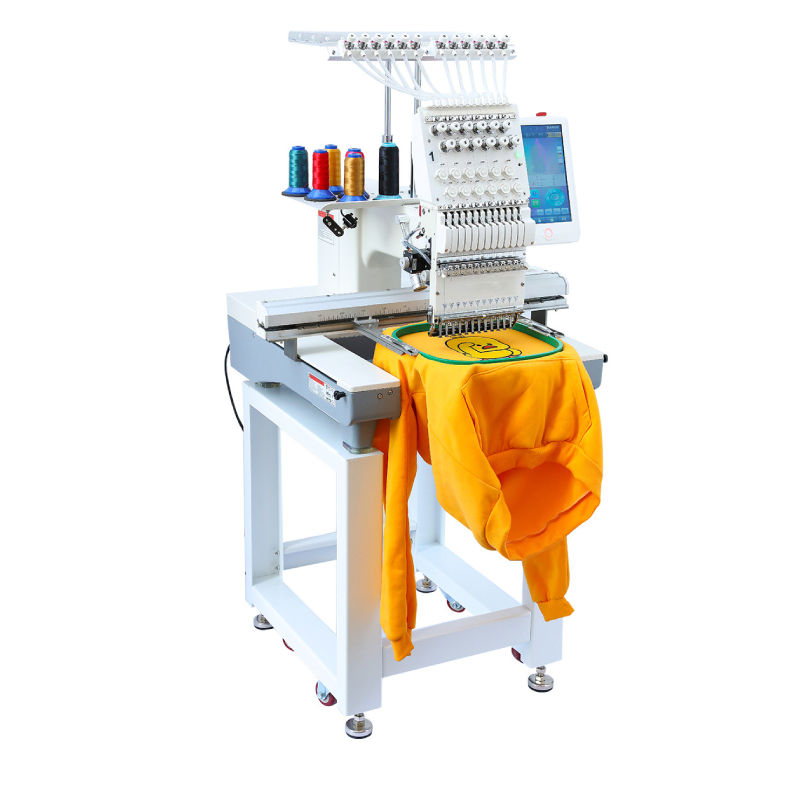
Image 4: Demonstrating the flexible design capabilities of an industrial embroidery system.
Application Case Studies and Customer Experience
Real-world applications underscore the impact of high-quality industrial embroidery machines.
Case Study 1: Large-Scale Promotional Apparel Company
A major promotional apparel company, previously struggling with inconsistent stitch quality and slow production times, invested in several new 15-needle industrial embroidery machines.
- Challenge: Meeting tight deadlines for large-volume corporate orders, maintaining brand color accuracy, and reducing defects.
- Solution: Implementation of automatic embroidery machine with advanced color change and thread tension control.
- Outcome:
- Increased production output by 35% within the first six months.
- Reduced quality control rejects by 15%, saving on material and labor costs.
- Enhanced customer satisfaction due to consistent, high-quality finished products.
Case Study 2: Boutique Custom Apparel & Uniform Manufacturer
A boutique manufacturer specializing in bespoke uniforms and custom apparel for restaurants and small businesses needed flexibility for small runs and intricate designs.
- Challenge: Rapid prototyping and production of diverse designs on various garment types (caps, jackets, aprons) with quick turnaround.
- Solution: Acquisition of a versatile single-head computerized t shirt embroidery machine with a large embroidery area and cap attachment.
- Outcome:
- Expanded service offerings to include complex, multi-color logos on caps and sleeves.
- Reduced design setup time by 25% using the intuitive touch screen controls.
- Achieved premium pricing for specialized custom work due to superior finish.
These examples demonstrate how carefully selected industrial embroidery machines can transform operational efficiency and expand market capabilities, solidifying their status as critical investments for any business looking for the best industrial embroidery machines for sale.
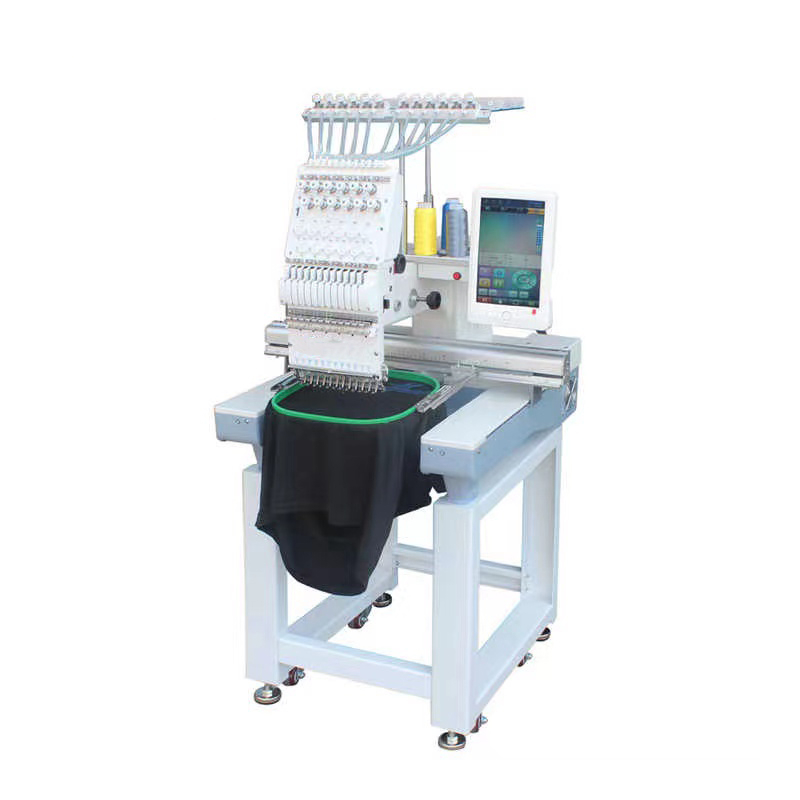
Image 5: Customer-supplied feedback highlighting the output quality and machine reliability.
Trust & Support: Ensuring Long-Term Investment Value
Beyond technical specifications, the trustworthiness and support infrastructure provided by a vendor are paramount.
Certifications and Authoritative References
Our products, including the automatic embroidery machine and computerized t shirt embroidery machine, adhere to rigorous international standards. We hold ISO 9001 certification for quality management systems, ensuring consistent product quality and process efficiency. Our machines are also CE certified, confirming compliance with European safety, health, and environmental protection requirements. With over 15 years of dedicated service in the industrial textile machinery sector, we have built a reputation for reliability and innovation, partnering with leading manufacturers worldwide.
Frequently Asked Questions (FAQ)
Q: What is the typical lead time for an industrial embroidery machine order?
A: Standard models typically have a lead time of 15-30 business days from order confirmation, depending on current production schedules. Customized configurations may require longer. We provide clear fulfillment details at the point of sale.
Q: What warranty is provided with the machine?
A: We offer a standard 2-year warranty on mechanical parts and 1-year on electrical components. Extended warranty options are available upon request, demonstrating our commitment to product longevity.
Q: What kind of customer support is available?
A: Our comprehensive after-sales support includes online technical assistance, remote diagnostics, and a global network of service engineers for on-site support. We maintain a full inventory of spare parts for rapid deployment.
Q: Can the machines handle different types of threads and fabrics?
A: Yes, our machines are designed for versatility. They can handle various thread types (polyester, rayon, metallic) and a wide range of fabrics, from delicate silks to heavy denim and leather, with appropriate needle and tension adjustments.
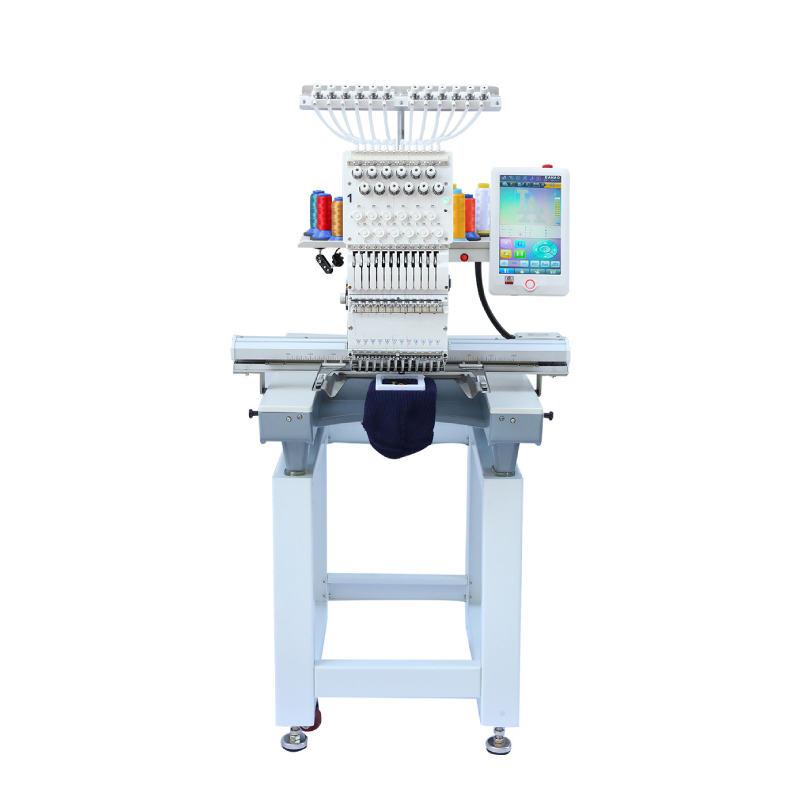
Image 6: Dedicated technical support team providing remote assistance.
Conclusion
The strategic investment in the best industrial embroidery machines for sale is a critical decision for any B2B entity in the textile and apparel sector. The confluence of advanced manufacturing processes, meticulous technical specifications, broad application versatility, and robust vendor support ensures not just a purchase, but a long-term partnership in operational excellence. By prioritizing machines that offer superior precision, durability, automation, and adaptability, businesses can significantly enhance their production capabilities, reduce operational costs, and secure a competitive advantage in a rapidly evolving market.
References
- Textile World. "Embracing Automation in Textile Manufacturing."
- International Organization for Standardization (ISO). "ISO 9001:2015 Quality management systems."
- American National Standards Institute (ANSI). "Standards and Conformity Assessment."
- European Commission. "CE Marking."
- Journal of Textile and Apparel Technology and Management. "Advances in Computerized Embroidery Machine Technology."
Latest news
-
Embroidery Machine Professional Manufacturers: Global Insights, Innovations, and Industry Trends
NewsDec.03,2025
-
Understanding Embroidery Machine Professional Factories: Global Insights & Innovations
NewsDec.03,2025
-
How to Choose a Top Embroidery Machine Professional Supplier for Reliable Textile Production
NewsDec.03,2025
-
Choosing the Best Embroidery Machine for T-Shirt Factories: Boost Efficiency & Quality Globally
NewsDec.02,2025
-
Embroidery Machine for T-Shirt Suppliers: Choosing the Best Equipment Globally
NewsDec.02,2025
-
Comprehensive Guide to Embroidery Machine for T-Shirt Service: Global Trends & Insights
NewsDec.02,2025

Copyright © 2026 Xingtai Pufa Trading Co., Ltd All Rights Reserved. Sitemap | Privacy Policy | Top Blog | Global Service