
Sep . 19, 2025 10:25 Back to list
Computerized T-Shirt Embroidery Machine: Precision & Fast Automation
Advancing Textile Personalization with Computerized T-Shirt Embroidery Machines
In the dynamic landscape of textile customization, the computerized t shirt embroidery machine stands as a cornerstone technology, enabling unparalleled precision and efficiency in garment decoration. From mass production facilities to bespoke customization shops, these advanced systems have revolutionized how brands and individuals bring their textile visions to life. This comprehensive guide delves into the intricate world of automated embroidery, exploring its market significance, technical intricacies, and strategic advantages for B2B stakeholders.
The demand for personalized apparel, corporate branding, and unique fashion items continues to surge, driving innovation in embroidery technology. Modern machines offer multi-head configurations, extensive color capabilities, and intuitive software integration, significantly reducing production times and expanding design possibilities. This article provides a deep dive into the operational excellence and strategic value delivered by these sophisticated machines.
Industry Trends and Market Dynamics
The global embroidery machinery market is experiencing robust growth, driven by advancements in automation and digitalization. Key trends include:
- Increased Automation and Multi-Head Systems: Manufacturers are increasingly adopting multi-head machines to boost productivity and handle larger order volumes. This trend is critical for scaling operations and meeting tight deadlines in industries such as promotional wear and uniform manufacturing.
- Software Integration and Digitizing Capabilities: Advanced digitizing software allows for intricate designs, precise stitch control, and seamless integration with CAD/CAM systems, enhancing design flexibility and reducing manual errors.
- Focus on Sustainability: Innovations in thread types, energy-efficient motors, and waste reduction strategies are becoming pivotal, aligning with global efforts towards sustainable manufacturing.
- Versatility and Material Compatibility: Modern machines are designed to handle a wider array of materials, from delicate silks to heavy denim, expanding application possibilities for specialized apparel and accessories.
- Cloud-based Management and IoT Integration: The integration of Internet of Things (IoT) allows for remote monitoring, predictive maintenance, and optimized production scheduling, crucial for efficient factory management.
According to industry reports, the global embroidery machine market is projected to reach approximately USD 1.5 billion by 2027, growing at a CAGR of over 6% from 2022. This growth underscores the essential role of automated embroidery solutions in textile manufacturing. Investment in a high-quality computerized t shirt embroidery machine positions businesses for significant market share and operational efficiency.
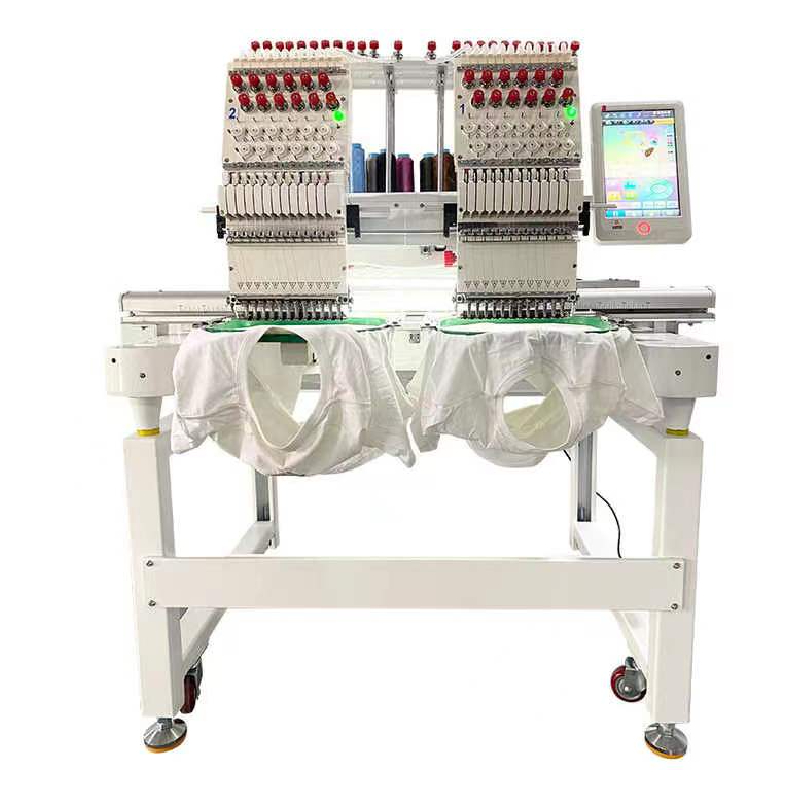
Figure 1: High-precision multi-head computerized t shirt embroidery machine in operation.
Technical Specifications and Core Components
A sophisticated computerized t shirt embroidery machine, such as the Hot Sale 2 Heads Automatic Multi Color Functions Computer Garment Clothes T Shirt Flat Printing Machine, integrates a suite of advanced components to achieve high-quality results. Understanding these technical specifications is crucial for procurement and operational optimization.
Key Specifications Overview:
| Feature | Specification |
|---|---|
| Number of Heads | 2 Heads (Scalable configurations available) |
| Number of Needles per Head | 9/12/15 Needles (Multi-color capability) |
| Embroidery Area (Flat) | 400x450 mm per head (Max.) |
| Embroidery Area (Cap) | 270 degrees wide (for dedicated cap frames) |
| Max. Speed | 1000-1200 stitches per minute (SPM) |
| Computer System | 7-inch/10-inch HD LCD Touch Screen |
| Memory Capacity | 2,000,000 stitches / 200 designs |
| Data Transfer | USB, Network Port |
| Motor System | Dahao Servo Motor for X/Y Axis, Stepper Motor for Main Shaft |
| Power Supply | AC200-240V, 50/60Hz, 1.5kW |
These machines feature robust mechanical structures, including a heavy-duty steel frame for vibration reduction and stability during high-speed operation. The pantograph system, driven by precision servo motors, ensures accurate movement across the embroidery field. Advanced thread break detection systems, automatic color change, and thread trimming functions further enhance efficiency and minimize operator intervention. The control system, often powered by a Dahao computer, offers user-friendly interfaces for design loading, parameter adjustments, and real-time monitoring of the embroidery process.
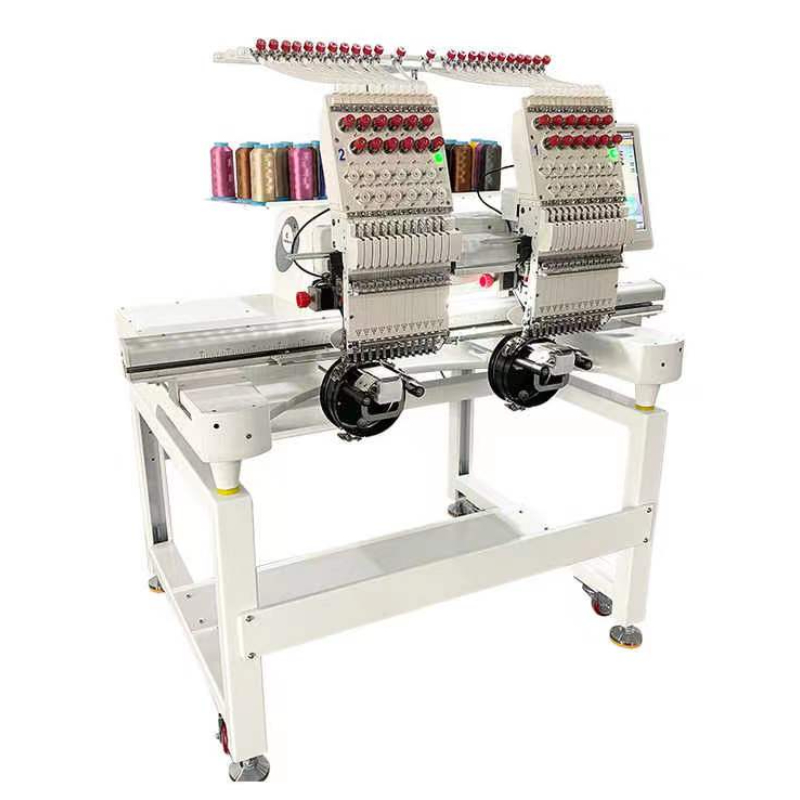
Figure 2: Close-up of the needle bar system and automatic color changer.
Manufacturing Process Flow of the Machine
The production of a high-performance computerized t shirt embroidery machine is a multi-stage, precision-engineered process. It ensures durability, accuracy, and a long service life, crucial for industrial applications.
Schematic Steps for Machine Manufacturing:
-
Frame Fabrication & Base Casting:
High-grade steel alloys are used for the main frame. Critical components, such as the machine base, are manufactured through precision casting processes, often involving sand casting or investment casting for superior material density and structural integrity. Materials like ductile iron (e.g., ASTM A536 Grade 65-45-12) are selected for their excellent vibration damping properties and strength. Target industries for this robust construction include general garment manufacturing, sportswear, and industrial branding.
-
Precision Component Machining:
Key moving parts, including needle bars, rotary hooks, and pantograph components, undergo advanced CNC machining (Computer Numerical Control). This ensures micron-level tolerances, critical for consistent stitch quality and reducing wear. Materials like hardened tool steel and aerospace-grade aluminum are commonly utilized. This stage adheres to ISO 2768-1 (General Tolerances) and ANSI B4.1 (Preferred Limits and Fits) for dimensional accuracy.
-
Electronic and Control System Assembly:
Integration of the main control board, servo motors (for X-Y axis movement), stepper motors (for main shaft and color change), and the LCD touch screen interface. All electronic components are sourced from reputable suppliers and undergo IPC-A-610 Class 2 or 3 inspection for quality assurance. This ensures reliable operation and precise design execution.
-
Sub-assembly and Calibration:
Modules like the needle bar assembly, rotary hook system, and cap embroidery attachment are assembled and calibrated individually. This includes precise timing adjustments, thread tension system configuration, and alignment of the pantograph. Calibrations are verified using laser alignment tools and high-speed cameras to ensure optimal performance.
-
Final Assembly and Wiring:
All sub-assemblies are integrated into the main frame. Electrical wiring is meticulously routed and secured, adhering to CE and UL electrical safety standards. All connections are tested for continuity and insulation integrity.
-
Quality Assurance & Testing:
Each machine undergoes rigorous testing, including endurance runs (e.g., 72-hour continuous operation), stitch quality checks across various fabric types and designs, noise level measurements, and vibration analysis. Performance is benchmarked against ISO 9001 quality management standards. This phase confirms a projected service life of 10-15 years with proper maintenance, demonstrating advantages in energy saving through optimized motor efficiency and corrosion resistance from treated metal surfaces in diverse operational environments.
-
Packaging and Shipment:
Machines are cleaned, lubricated, and securely packed in wooden crates designed for international shipping, often incorporating desiccant packs to prevent moisture damage during transit.
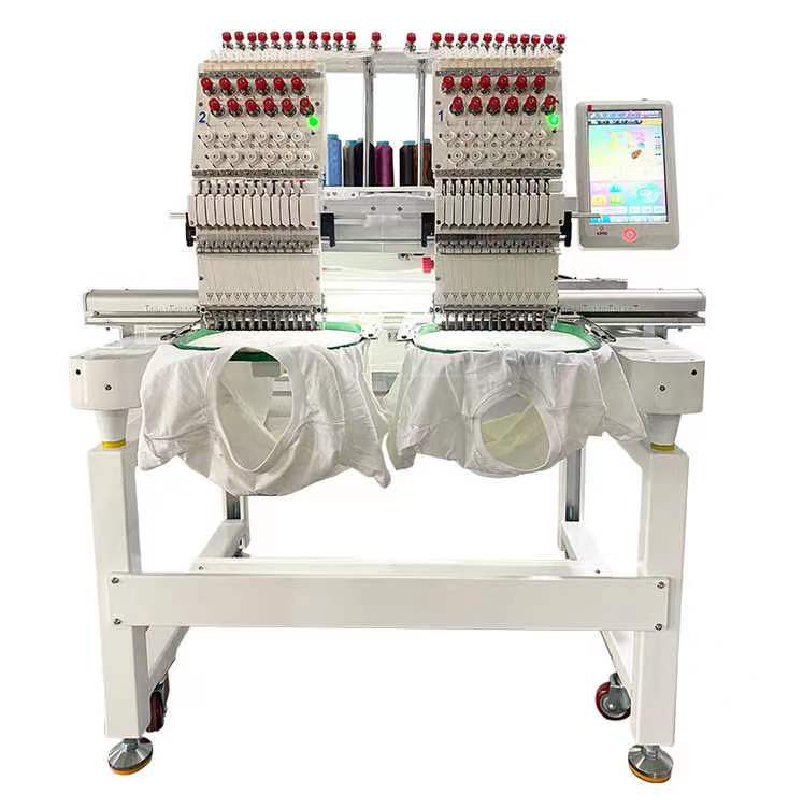
Figure 3: Internal components and wiring during the assembly phase.
Application Scenarios and Target Industries
The versatility of a computerized t shirt embroidery machine makes it indispensable across a multitude of industries requiring textile decoration. Its ability to produce high-quality, durable embellishments is unmatched.
- Garment Manufacturing: Large-scale production of branded apparel, uniforms, and fashion garments. Multi-head machines are crucial for efficiency, allowing simultaneous embroidery on multiple items.
- Promotional Products: Customizing t-shirts, polo shirts, caps, and jackets for corporate events, marketing campaigns, and team wear. The precise output ensures brand consistency and impact.
- Custom Apparel and Boutiques: Offering unique, personalized designs for individual customers or small batch productions. The ability to handle intricate details allows for bespoke fashion items.
- Workwear and Safety Gear: Embroidering logos and text on durable fabrics used in industrial and safety wear, where longevity and resistance to wear are paramount.
- Home Textiles and Furnishings: Adding decorative elements to towels, linens, curtains, and upholstery, enhancing aesthetic value and perceived quality.
- Automotive and Marine: Customizing seat covers, floor mats, and interior trim with brand logos or decorative patterns.
Specifically, the capabilities of a flat embroidery machine are ideal for large format designs on cut fabric pieces, garments laid flat, and uniform production. For businesses seeking economical entry into custom apparel, a cheap embroidery printing machine (often referring to more basic single-head computerized models or hybrid printing-embroidery systems) provides a cost-effective solution without compromising too much on quality for smaller runs. This blend of flexibility and precision makes computerized embroidery a critical asset.
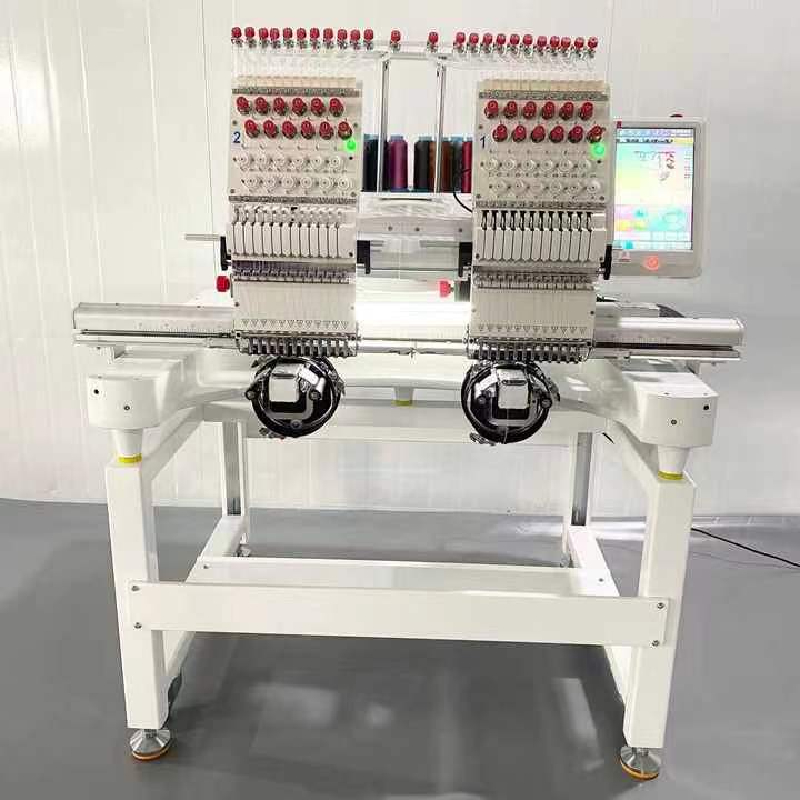
Figure 4: Computerized embroidery on various apparel items.
Technical Advantages and Operational Benefits
Investing in a modern computerized t shirt embroidery machine offers significant technical and operational advantages that directly impact profitability and product quality:
- Superior Precision and Quality: Digitally controlled stitching ensures exact replication of designs, consistent stitch density, and clean lines, resulting in higher-quality embroidery that withstands washing and wear.
- Enhanced Efficiency and Speed: Multi-head machines operate at speeds up to 1200 SPM, dramatically increasing output compared to manual or older semi-automatic systems. Automatic functions like color change, thread trimming, and error detection minimize downtime.
- Unmatched Versatility: The ability to embroider on various garments (t-shirts, caps, jackets, bags) and fabric types (cotton, polyester, denim, leather) with multiple colors provides immense design flexibility.
- Cost-Effectiveness: While the initial investment can be substantial, the long-term benefits include reduced labor costs, minimal material waste due to fewer errors, and the capacity for higher production volumes, leading to a strong return on investment (ROI).
- Simplified Operation: User-friendly touch screen interfaces and advanced software simplify design loading, editing, and machine operation, reducing the learning curve for new operators.
- Scalability: Modular designs allow businesses to start with a specific head count and expand by adding more machines or upgrading to higher-head models as demand grows.
These advantages directly contribute to meeting stringent deadlines, maintaining high production standards, and ultimately, boosting customer satisfaction. The integration of advanced diagnostics also facilitates proactive maintenance, minimizing unexpected breakdowns and extending the lifespan of the equipment.
Vendor Comparison and Customization Solutions
Choosing the right computerized t shirt embroidery machine vendor requires careful consideration of machine capabilities, support services, and customization options. While many manufacturers offer standard models, the ability to provide tailored solutions can be a significant differentiator.
Key Comparison Factors:
| Feature | Vendor A (e.g., General Purpose) | Vendor B (e.g., Specialized/Premium) |
|---|---|---|
| Max. Heads/Needles | 12 Heads / 9 Needles | 20 Heads / 15 Needles |
| Max. Speed (SPM) | 1000 SPM | 1200 SPM |
| Embroidery Area (Flat) | 300x400 mm | 450x500 mm |
| Control System | Standard 7" LCD | Advanced 10" HD Touchscreen |
| Motor Type (X/Y) | Stepper Motors | Dahao Servo Motors |
| After-sales Support | Standard (1-year warranty) | Premium (2-year warranty, dedicated tech support) |
| Customization Options | Limited (hoop sizes, basic software) | Extensive (custom frame, software integration, specialized attachments) |
Leading manufacturers understand that one size does not fit all. Customizable solutions for a computerized t shirt embroidery machine can include:
- Specialized Hooping Systems: Beyond standard t-shirt and cap frames, options for shoe embroidery, glove embroidery, or specific garment panels.
- Extended Embroidery Fields: For large back designs on jackets or banners, machines can be configured with larger pantographs.
- Integration with Existing Workflows: API integrations with existing enterprise resource planning (ERP) or order management systems for seamless data flow.
- Multi-functional Attachments: Such as sequin devices, cording attachments, or boring devices, expanding the creative capabilities of the machine.
- Custom Software Features: Tailored software functionalities for unique design processes or reporting requirements.
These bespoke configurations allow businesses to optimize their operations for specific niche markets or complex production demands, maximizing the utility and ROI of their embroidery equipment.
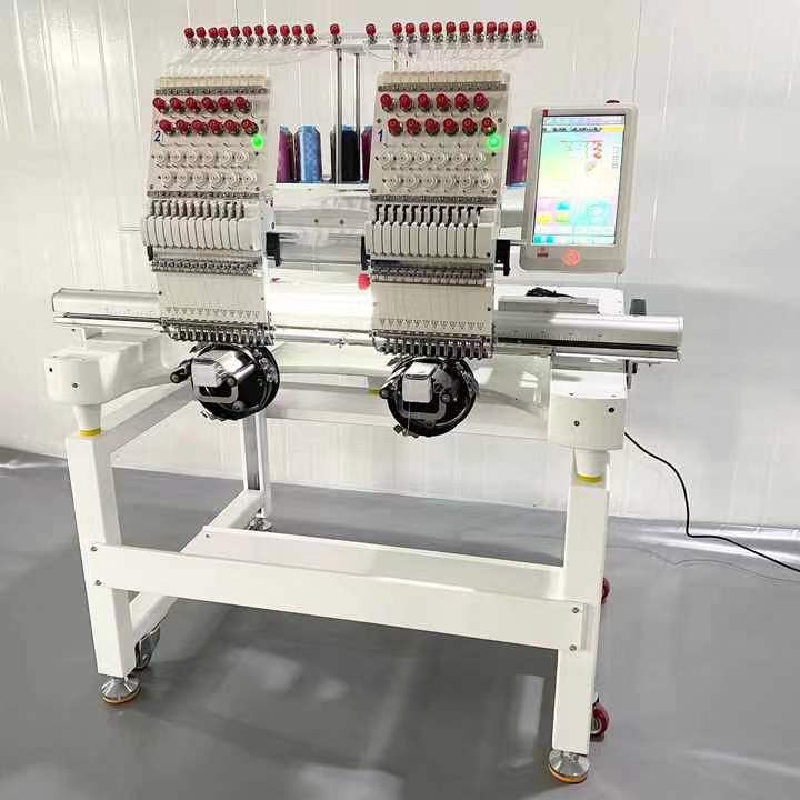
Figure 5: Custom hooping systems for specialized embroidery applications.
Application Case Studies
Real-world applications demonstrate the transformative impact of advanced embroidery technology:
-
Case Study 1: Large-Scale Apparel Manufacturer
A major uniform supplier, tasked with producing 50,000 embroidered polo shirts for a corporate client within a month, invested in several 2-head 15-needle computerized t shirt embroidery machines. By leveraging multi-head efficiency and advanced digitizing software for optimal stitch paths, they achieved a consistent output of 800 shirts per day, completing the order ahead of schedule. The precision of the machines ensured every logo was identical, meeting the client's strict branding guidelines and boosting overall customer satisfaction. The company reported a 30% reduction in production time compared to their previous single-head setup.
-
Case Study 2: Boutique Customization Shop
A small bespoke apparel brand specialized in unique, intricate designs. Utilizing a high-precision 12-needle single-head computerized t shirt embroidery machine, they were able to offer highly detailed embroidery on various items, including delicate silk scarves and heavy denim jackets. The machine's advanced tension control and small-stitch capability allowed for complex gradients and fine lettering, attracting a premium clientele willing to pay for exceptional craftsmanship. This enabled the boutique to carve out a niche in a competitive market.
-
Case Study 3: Promotional Products Distributor
A distributor frequently receives urgent orders for branded merchandise. By implementing a fleet of 2-head, 9-needle machines optimized for cap and t-shirt embroidery, they achieved rapid turnaround times. The quick-change hooping systems and intuitive design loading capabilities meant they could switch between different product types and designs with minimal setup time. This agility allowed them to secure contracts for time-sensitive campaigns, significantly increasing their market responsiveness and client retention.
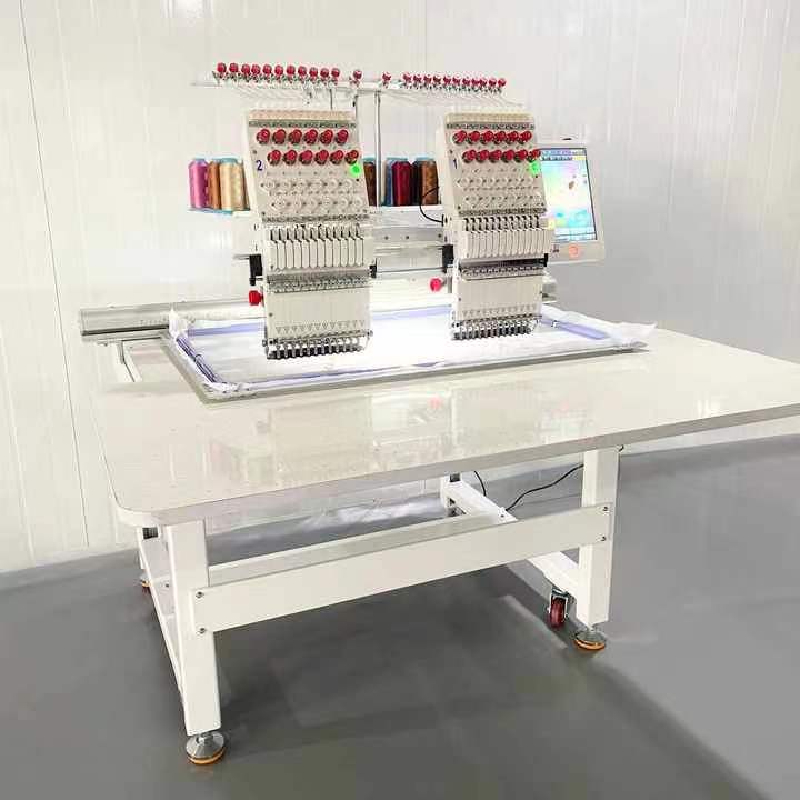
Figure 6: A successful embroidery project for branded apparel.
Trustworthiness: FAQ, Lead Time, Warranty & Support
Establishing trust with B2B clients is paramount. Here's what to expect regarding our commitment to transparency and support:
Frequently Asked Questions (FAQ):
-
Q: What file formats are supported for embroidery designs?
A: Our machines typically support common industry formats such as DST, EMB, PXF, and PES. Conversion tools are often available or integrated within the digitizing software.
-
Q: What maintenance is required for a computerized t shirt embroidery machine?
A: Regular cleaning, lubrication of moving parts, and periodic calibration are essential. Detailed maintenance schedules are provided in the user manual. We also offer maintenance training.
-
Q: Can your machines handle delicate fabrics?
A: Yes, with proper hooping techniques, appropriate needles, and optimized tension settings, our machines are designed to embroider on a wide range of fabric types, including delicate materials.
-
Q: Do you offer training for operators?
A: Comprehensive operator training, both on-site and remote, is available to ensure your team can maximize the machine's capabilities efficiently and safely.
Lead Time & Fulfillment:
Standard machines typically have a lead time of 15-30 business days from order confirmation, depending on current production schedules and customization requirements. Expedited options may be available upon request. We prioritize transparent communication regarding fulfillment timelines.
Warranty Commitments:
Our machines come with a comprehensive 1-year warranty on all major components, including mechanical parts and electronic systems. Extended warranty packages are available for enhanced peace of mind. This commitment underscores our confidence in the quality and durability of our manufacturing processes and materials, all certified under ISO 9001 standards.
Customer Support:
We provide multi-channel customer support, including:
- Technical Support Hotline: Available during business hours for immediate assistance.
- Email Support: For detailed inquiries and troubleshooting, with a guaranteed response time of 24 hours.
- Remote Diagnostics: Capabilities to remotely diagnose and often resolve software-related issues, minimizing downtime.
- On-site Service: For complex technical issues, our certified technicians are available for on-site diagnosis and repair.
- Extensive Documentation: Comprehensive user manuals, troubleshooting guides, and video tutorials.
Our commitment to robust after-sales support ensures that your investment continues to operate at peak performance, reflecting our long-standing industry presence and numerous satisfied clients globally.
Conclusion
The evolution of the computerized t shirt embroidery machine represents a significant leap in textile embellishment technology. Its precision, speed, versatility, and cost-effectiveness make it an indispensable asset for businesses ranging from large-scale manufacturers to niche customization shops. By understanding the intricate manufacturing processes, technical specifications, and diverse application scenarios, B2B decision-makers can make informed investments that drive efficiency, enhance product quality, and secure a competitive edge in the rapidly expanding personalized apparel market. Partnering with a reputable vendor offering robust support and customization further solidifies the long-term value of this crucial technology.
References:
- Grand View Research. (2022). Embroidery Machine Market Size, Share & Trends Analysis Report By Product (Industrial, Commercial, Domestic), By Region (North America, Europe, Asia Pacific, Latin America, MEA), And Segment Forecasts, 2022 - 2030.
- International Organization for Standardization (ISO). ISO 9001:2015 - Quality management systems — Requirements.
- IPC. IPC-A-610 - Acceptability of Electronic Assemblies.
- American National Standards Institute (ANSI). ANSI B4.1 - Preferred Limits and Fits for Cylindrical Parts.
- ASTM International. ASTM A536 - Standard Specification for Ductile Iron Castings.
Latest news
-
Embroidery Machine Professional Manufacturers: Global Insights, Innovations, and Industry Trends
NewsDec.03,2025
-
Understanding Embroidery Machine Professional Factories: Global Insights & Innovations
NewsDec.03,2025
-
How to Choose a Top Embroidery Machine Professional Supplier for Reliable Textile Production
NewsDec.03,2025
-
Choosing the Best Embroidery Machine for T-Shirt Factories: Boost Efficiency & Quality Globally
NewsDec.02,2025
-
Embroidery Machine for T-Shirt Suppliers: Choosing the Best Equipment Globally
NewsDec.02,2025
-
Comprehensive Guide to Embroidery Machine for T-Shirt Service: Global Trends & Insights
NewsDec.02,2025

Copyright © 2026 Xingtai Pufa Trading Co., Ltd All Rights Reserved. Sitemap | Privacy Policy | Top Blog | Global Service