
Oct . 02, 2025 13:15 Back to list
Professional Embroidery Machine for T-Shirts: Fast & Smart?
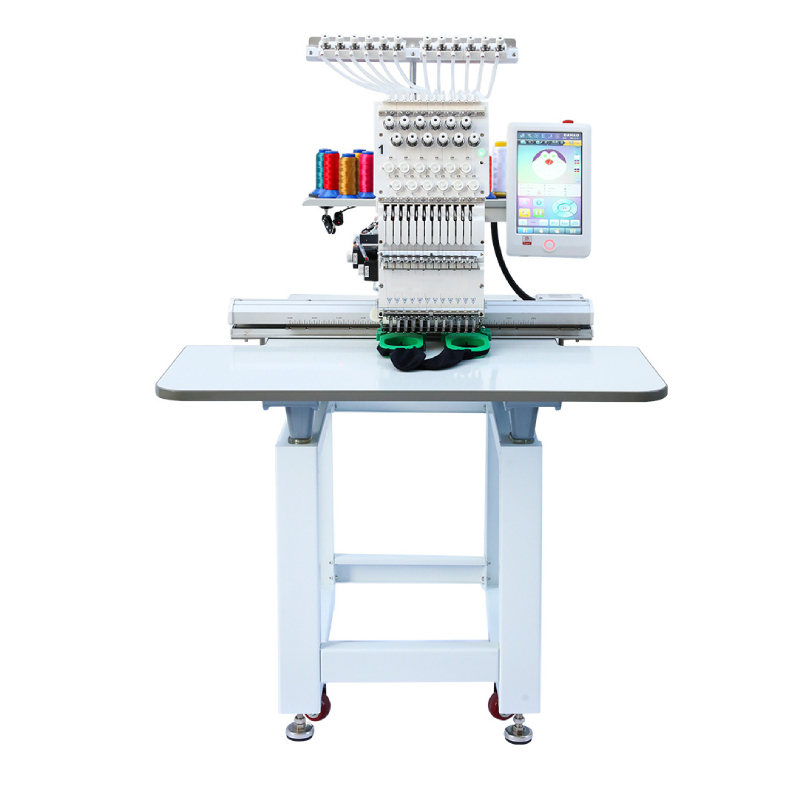
Single Head Computerized Embroidery Machine: Field Notes from a Busy Shop Floor
If you’re weighing your first professional embroidery machine for logos, patches, or T‑shirts, here’s the candid version from someone who’s spent too many late nights babysitting stitches. The market is shifting fast—short runs, hyper‑personalization, and rapid ROI. Actually, that’s why single‑head units are hot again: small footprint, big flexibility, honest margins.
What’s trending (and why it matters)
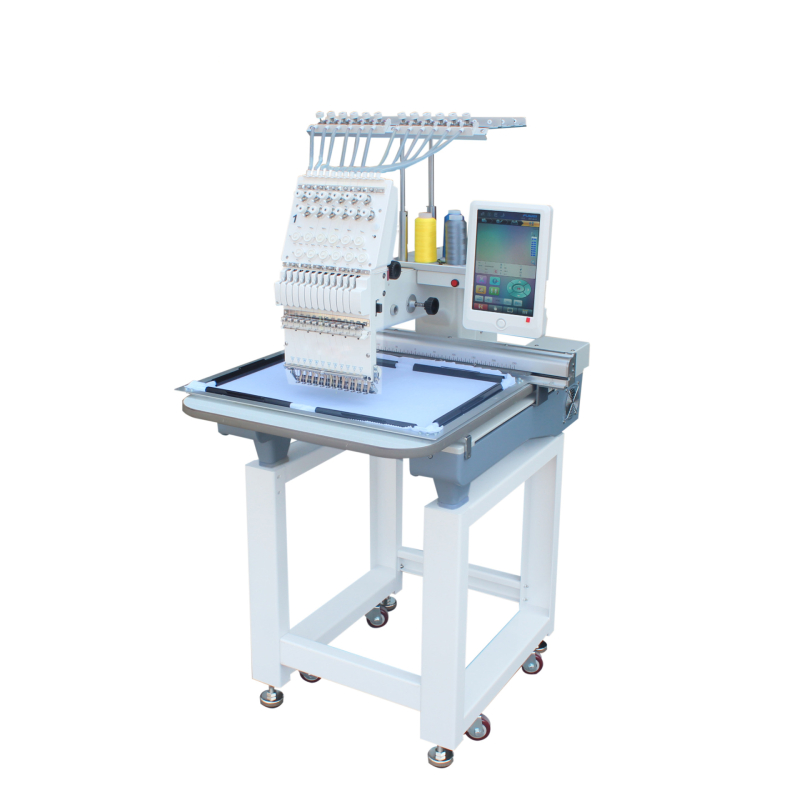
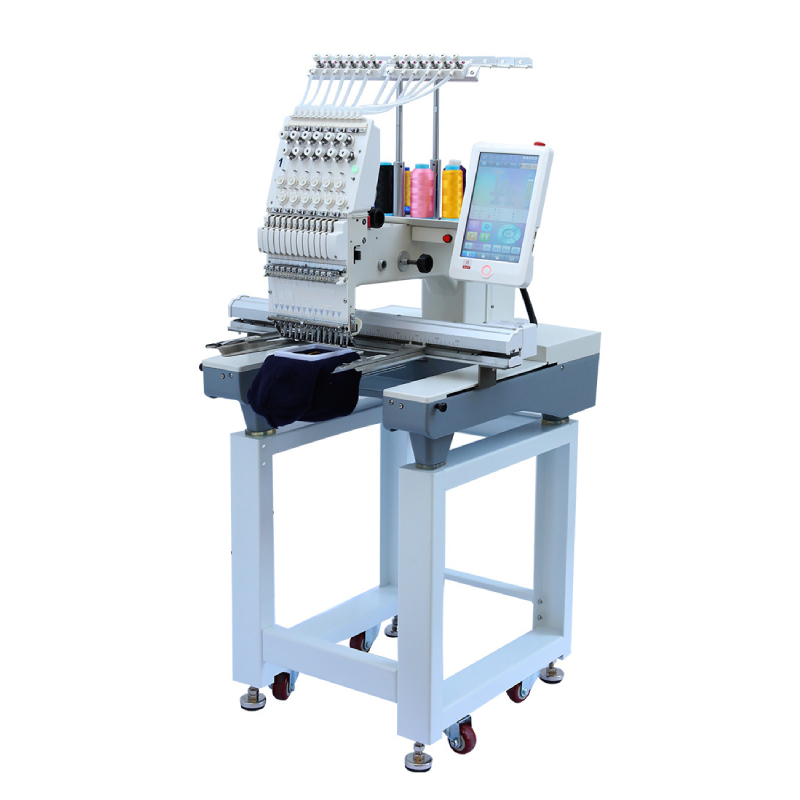
Shops tell me they want predictable quality, quick learning curves, and parts support that doesn’t vanish after the sale. AI‑assisted digitizing is creeping in, but the heartbeat is still mechanics: drive system, trimmers, tension, and a frame that stays put. The Single Head Computerized Embroidery Machine for T‑shirt logos and labels, made in Building A, Runjiang Huigu Building, Shijiazhuang City, Hebei Province, leans into that—simple to learn (under an hour, in my tests) yet tough enough for daily runs.
Key specifications (typical configuration)
| Heads / Needles | 1 head / 12–15 needles (model‑dependent) |
| Max Speed | ≈ 1,000–1,200 spm (real‑world may vary by fabric) |
| Embroidery Area | ≈ 300 × 200 mm to 360 × 500 mm (hoop set dependent) |
| Formats | DST, DSB, PES, EXP, etc. |
| Power | AC 110/220V, 50/60 Hz |
| Learning Time | Under 1 hour (guided); on‑machine prompts |
Process flow that actually works
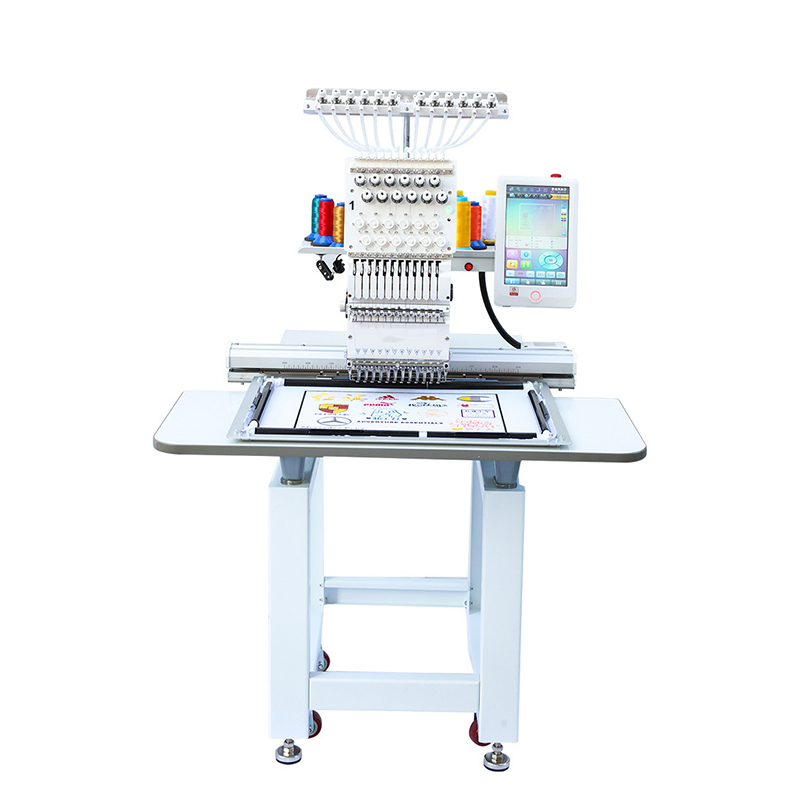
Materials: 40 wt polyester thread (rayon for sheen), 60–75 wt bobbin, stabilizers (tear‑away for tees, cut‑away for polos, cap backing for structured hats). Methods: clean digitizing, correct underlay, hooping without stretch, top thread tension ≈ 100–120 cN. Testing: ISO 105‑C06 wash test for colorfastness; AATCC 135 for dimensional stability. Service life: with weekly oiling and monthly lint clean‑outs, expect ≈ 5–7 years of daily light‑to‑moderate use; bearings and trimmers are consumables in any professional embroidery machine.
Real‑shop applications
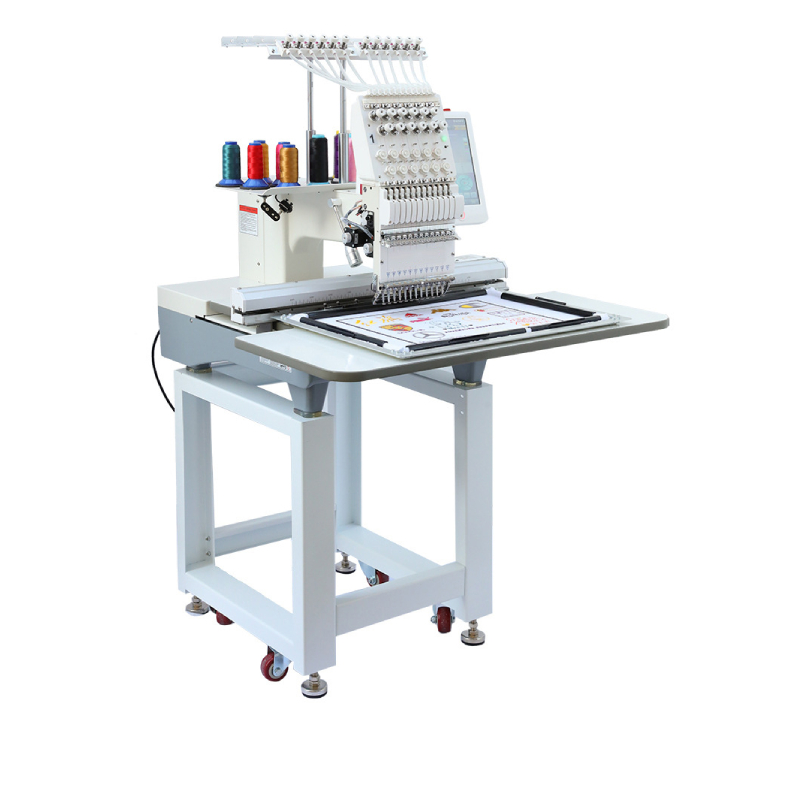
- Fast T‑shirt logos and name drops
- Caps and 3D puff (with proper foam and slower speed)
- Labels, patches, small monograms for boutique runs
Case study 1: a three‑person print shop added a professional embroidery machine to capture uniform orders; payback in about four months, mostly school sportswear. Case study 2: a workwear supplier ran ≈ 20k stitches/day for 30 days; recorded thread breaks at ~0.3% with polyester 40 wt—pretty decent in my book.
Vendor comparison (indicative)
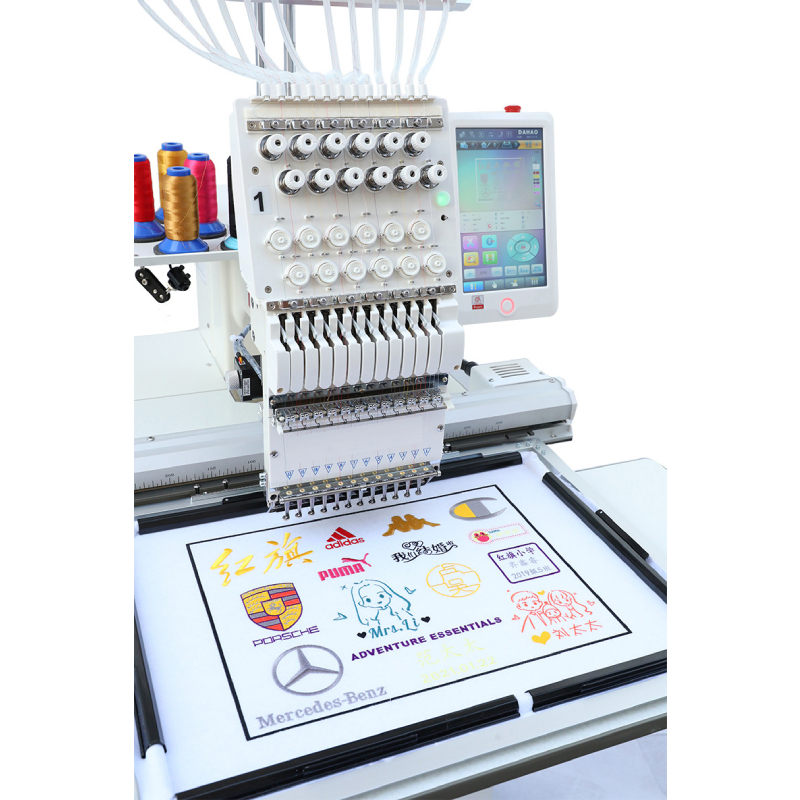
| Feature | XTPFSM Single Head | Brand A (Entry) | Brand B (Industrial) |
|---|---|---|---|
| Speed (spm) | ≈ 1,000–1,200 | ≈ 800–1,000 | ≈ 1,200–1,500 |
| Learning curve | Under 1 hour + engineer support | 1–2 hours | Half‑day training |
| Price band | Affordable, quick ROI | Lowest | Highest |
| Warranty/Support | Pro engineer teaching available | Basic email/phone | Full on‑site (region‑specific) |
Compliance, quality, and what buyers ask
Certifications often requested: CE for machinery safety, RoHS for restricted substances, and ISO 9001 at the factory level. Stitch classification follows ISO 4915 (yes, still useful). Wash testing per ISO 105‑C06 or AATCC 135 is standard for uniform work. Customers frequently say they’re surprised how quiet the unit runs and how forgiving it is on lightweight tees—assuming stabilizer choice is sane. To be honest, the difference between a hobby unit and a professional embroidery machine shows up after 50k stitches in a day; trimmers and tension hold up better.
Customization and add‑ons
- Cap driver/frames, sleeve and pocket hoops, clamp frames
- LAN/USB pattern transfer; on‑board memory for common logos
- Optional stand and thread racks; LED work lights
Bottom line: this professional embroidery machine delivers solid mechanics plus the rare combo of easy training and fair pricing—useful if you’re chasing the “shortest time to earn your money back.” If you’re close to Hebei, you can even check it out at the source in Shijiazhuang.
Authoritative references
Latest news
-
Embroidery Machine Professional Manufacturers: Global Insights, Innovations, and Industry Trends
NewsDec.03,2025
-
Understanding Embroidery Machine Professional Factories: Global Insights & Innovations
NewsDec.03,2025
-
How to Choose a Top Embroidery Machine Professional Supplier for Reliable Textile Production
NewsDec.03,2025
-
Choosing the Best Embroidery Machine for T-Shirt Factories: Boost Efficiency & Quality Globally
NewsDec.02,2025
-
Embroidery Machine for T-Shirt Suppliers: Choosing the Best Equipment Globally
NewsDec.02,2025
-
Comprehensive Guide to Embroidery Machine for T-Shirt Service: Global Trends & Insights
NewsDec.02,2025

Copyright © 2026 Xingtai Pufa Trading Co., Ltd All Rights Reserved. Sitemap | Privacy Policy | Top Blog | Global Service