
Oct . 05, 2025 23:20 Back to list
Professional Embroidery Machine: Fast, Precise, Profitable?
An Insider’s Field Guide to Choosing a Professional Embroidery Workhorse
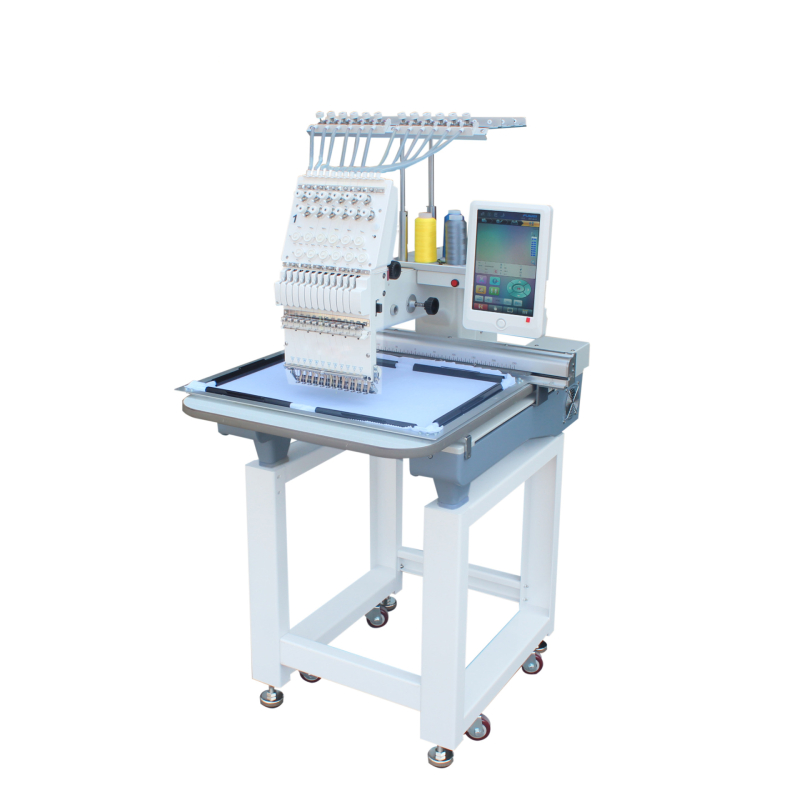
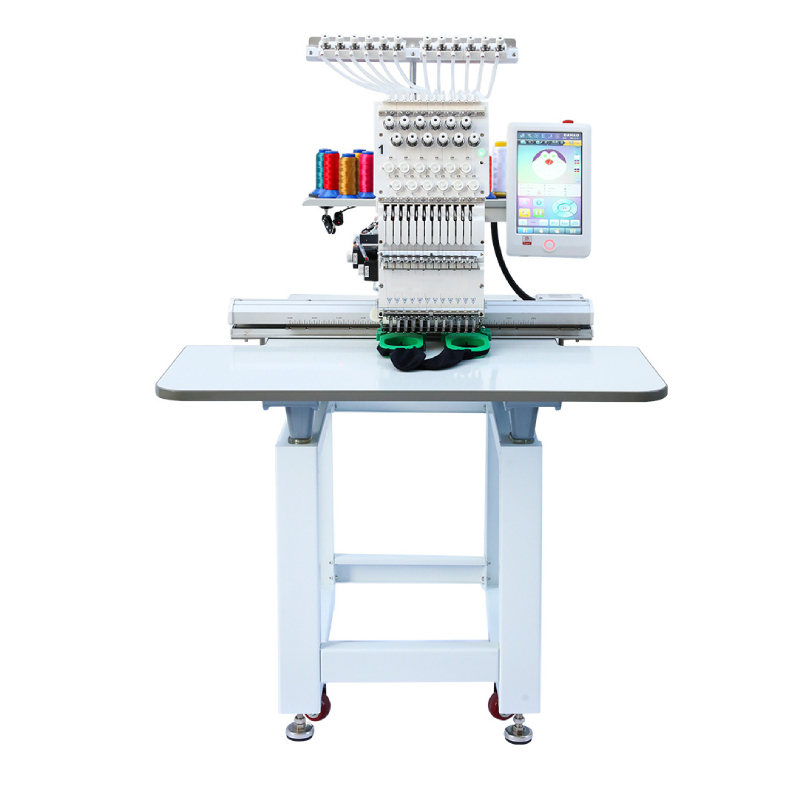
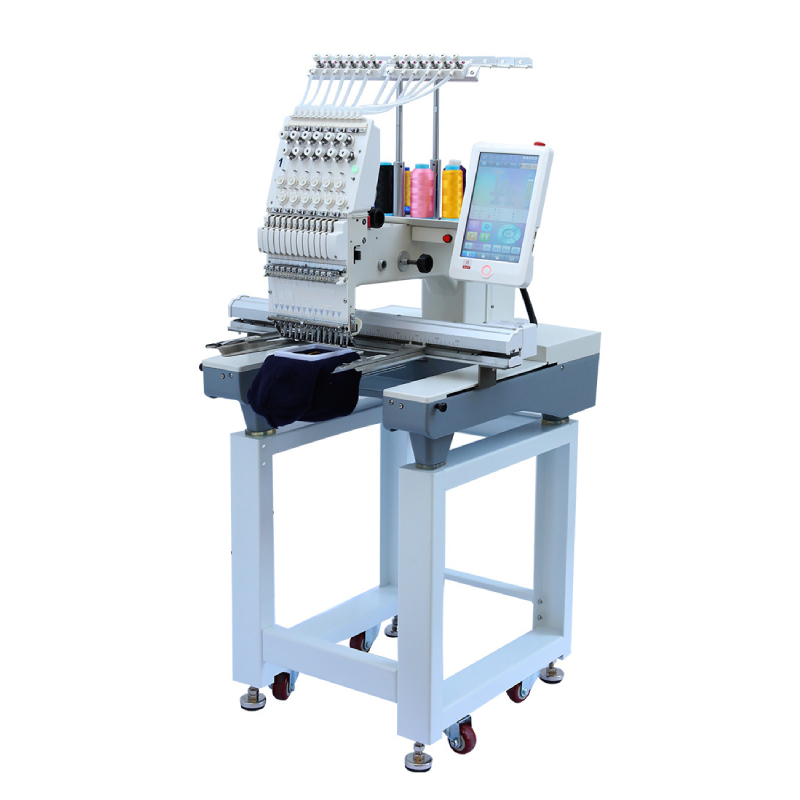
If you’re shopping for a professional embroidery machine, you’ve probably noticed the market got smarter, faster, and—surprisingly—more affordable. I’ve toured facilities from coastal garages to large contract shops, and one unit that keeps showing up on production floors is the Single Head Computerized Embroidery Machine for T‑shirt logos and labels. It’s built in Building A, Runjiang Huigu Building, Shijiazhuang City, Hebei Province, and, to be honest, the value proposition is hard to ignore.
Industry trends I’m seeing
Three shifts stand out: micro‑batch personalization, faster ROI expectations, and better digitizing‑to‑stitch pipelines. Real‑world shops now expect setup under an hour (this unit claims “quickly learn how to operate less than one hour”—and yes, the on‑call engineer training actually helps), plus robust support for mixed substrates—stretch tees, caps, patches.
Key specifications (practitioner notes)
| Parameter | Spec (≈ indicates typical) |
|---|---|
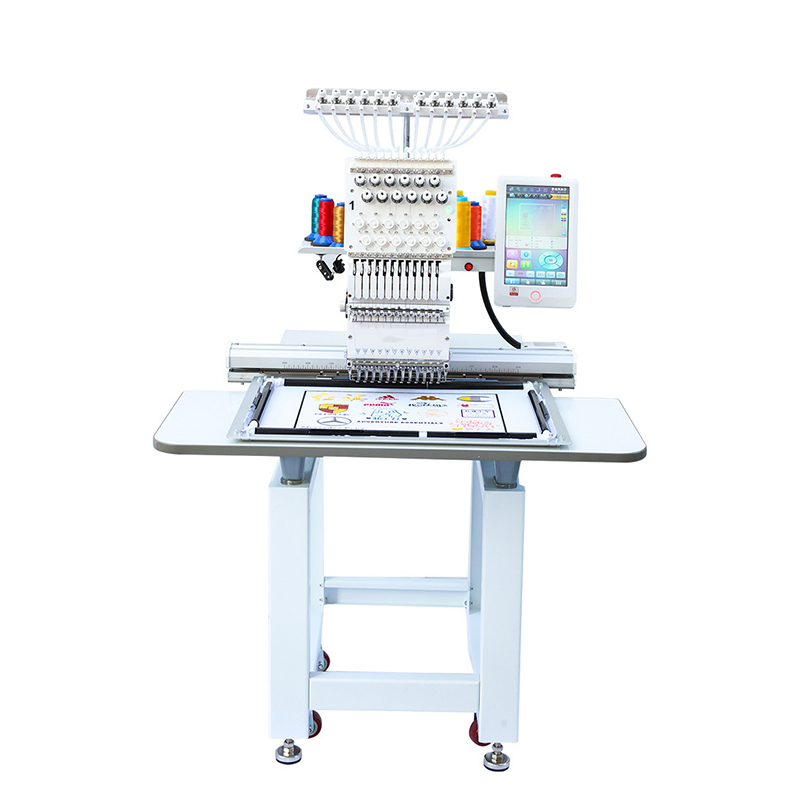
| Heads / Needles | 1 head / 12 needles (polyester, rayon, metallic supported) |
| Max speed | ≈ 1,200 spm (common jobs at 850–1,000 spm for quality) |
| Embroidery area | ≈ 360 × 510 mm; cap frame optional |
| File formats | DST, DSB, PES (via conversion), others via common digitizers |
| Min letter height | ≈ 3–4 mm with 75/11 needle and 40 wt thread |
| Noise | ≈ 68–72 dB(A) at 1 m (shop ambient matters) |
| Service life | Drive train rated ≈ 20,000 h with preventive maintenance |
| Certifications | CE, RoHS; factory ISO 9001; electrical safety aligned with IEC 60204‑1 |
From art file to shipped garment: the practical flow
- Materials: 40 wt polyester threads, 75/11 or 80/12 needles; cut‑away or tear‑away backing (70–90 gsm) as fabric demands.
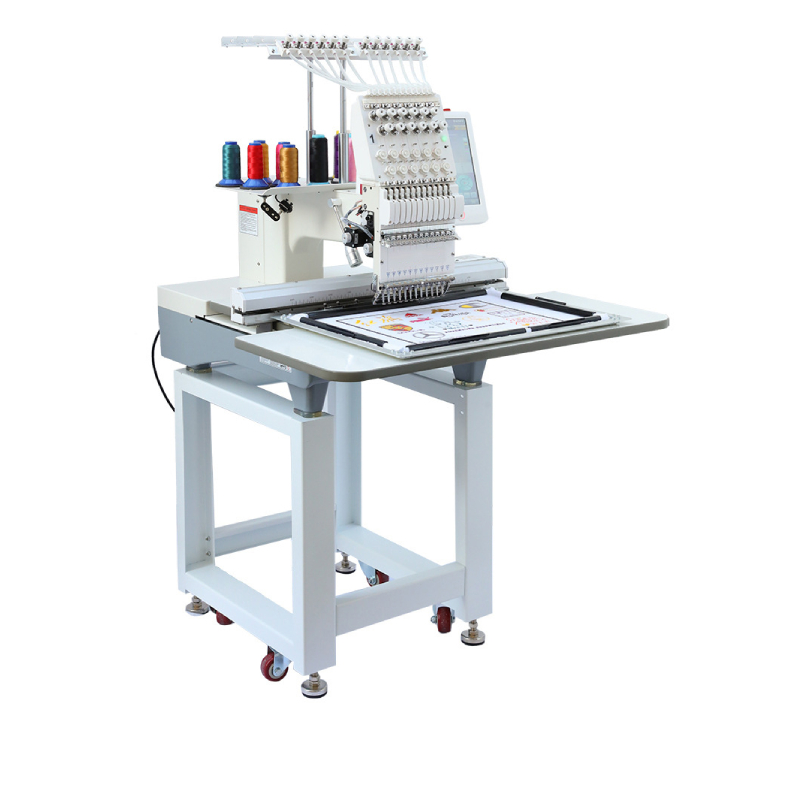
- Method: digitize (pull comp, density 0.35–0.45 mm), hoop with correct stabilizer, test on a swatch, then run production.
- Testing standards: wash‑fastness checked to ISO 105‑C06; color/chemical safety per OEKO‑TEX Standard 100 where applicable.
- QA: stitch count verification, trim audit, and tension test; EMC and electrical safety per IEC 60204‑1 guidelines in workshop setup.
- Service intervals: weekly oiling, monthly belt inspection, quarterly hook timing check—keeps uptime high.
Where it shines
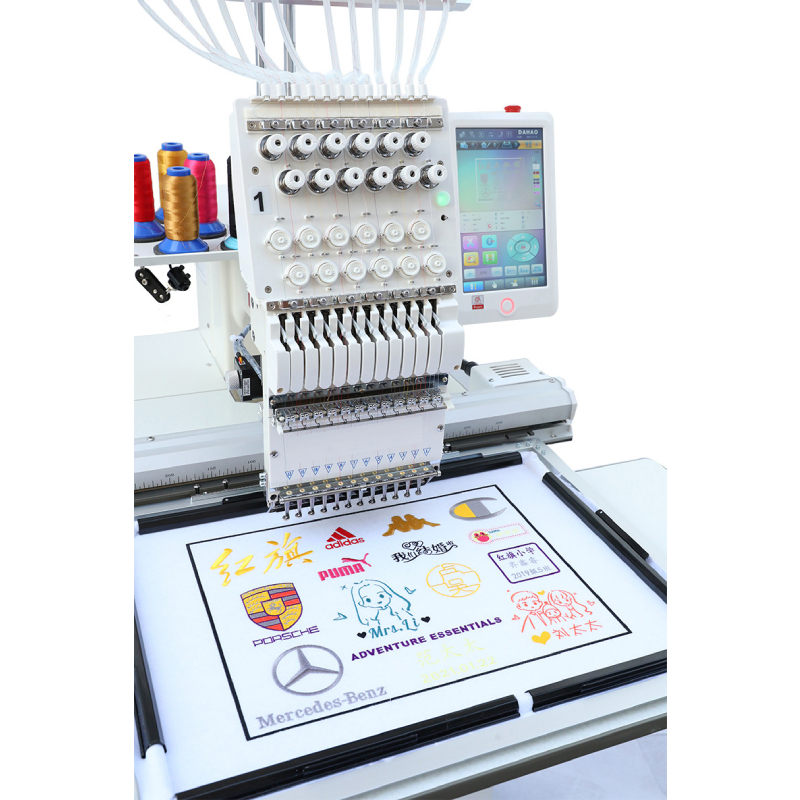
T‑shirt labels, left‑chest corporate logos, boutique caps, startup merch, team patches—plus small‑run uniforming. Many customers say the included training trims the learning curve; I guess “shortest time to earn your money back” is a bold line, but it tracks for pop‑up brands doing 30–60 pieces/day.
Vendor comparison (real‑world buyer notes)
| Model | Speed | Hoop Area | Training | Notes |
|---|---|---|---|---|
| XTPFSM Single Head | Up to ≈1,200 spm | ≈360×510 mm | Engineer‑guided setup | Affordable, fast ROI |
| Brand A (Entry) | ≈1,000 spm | 300×300 mm | Online videos | Lower cost, smaller field |
| Brand B (Premium) | ≈1,200–1,300 spm | 360×500 mm | On‑site install | Higher price, strong dealer network |
Customization and add‑ons
Cap driver, sequin device, and magnetic hoops are common asks. Firmware accepts density tweaks and underlay modes; tensioning is manual but predictable. For multi‑material runs, pair with OEKO‑TEX certified threads for compliant garments.
Case study: quick payback, for real
A two‑person boutique ran 45 polos/day at 9,000 stitches each, ≈0.7 garments/min at 900 spm, with a 12% reject drop after stabilizer tuning. Payback hit month 4. Customer feedback: “clean small text, less thread breaks than our older head.” That’s the kind of outcome a professional embroidery machine should deliver without drama.
Why this professional embroidery machine is a safe bet
- Fast onboarding: “learn in less than one hour” plus pro engineer support.
- Affordable price reduces investment risk; capacity to scale with add‑ons.
- Standards‑aligned build and documented maintenance extend service life.
In fact, for new shops and agile brands, it’s the kind of dependable single‑head that grows with you—without over‑engineering the simple goal: crisp stitches, predictable throughput.
Authoritative references
- ISO 105‑C06: Textiles — Tests for colour fastness to domestic and commercial laundering. https://www.iso.org/standard/66578.html
- IEC 60204‑1: Safety of machinery — Electrical equipment of machines. https://webstore.iec.ch/publication/63479
- OEKO‑TEX Standard 100: Product class requirements. https://www.oeko-tex.com/en/our-standards/standard-100-by-oeko-tex
- CE Marking and EMC compliance overview. https://ec.europa.eu/growth/single-market/ce-marking_en
Latest news
-
Embroidery Machine Professional Manufacturers: Global Insights, Innovations, and Industry Trends
NewsDec.03,2025
-
Understanding Embroidery Machine Professional Factories: Global Insights & Innovations
NewsDec.03,2025
-
How to Choose a Top Embroidery Machine Professional Supplier for Reliable Textile Production
NewsDec.03,2025
-
Choosing the Best Embroidery Machine for T-Shirt Factories: Boost Efficiency & Quality Globally
NewsDec.02,2025
-
Embroidery Machine for T-Shirt Suppliers: Choosing the Best Equipment Globally
NewsDec.02,2025
-
Comprehensive Guide to Embroidery Machine for T-Shirt Service: Global Trends & Insights
NewsDec.02,2025

Copyright © 2026 Xingtai Pufa Trading Co., Ltd All Rights Reserved. Sitemap | Privacy Policy | Top Blog | Global Service