
Sep . 09, 2025 21:00 Back to list
Professional Embroidery Machine: Precision, Speed & Quality
Understanding the Modern Professional Embroidery Machine Landscape
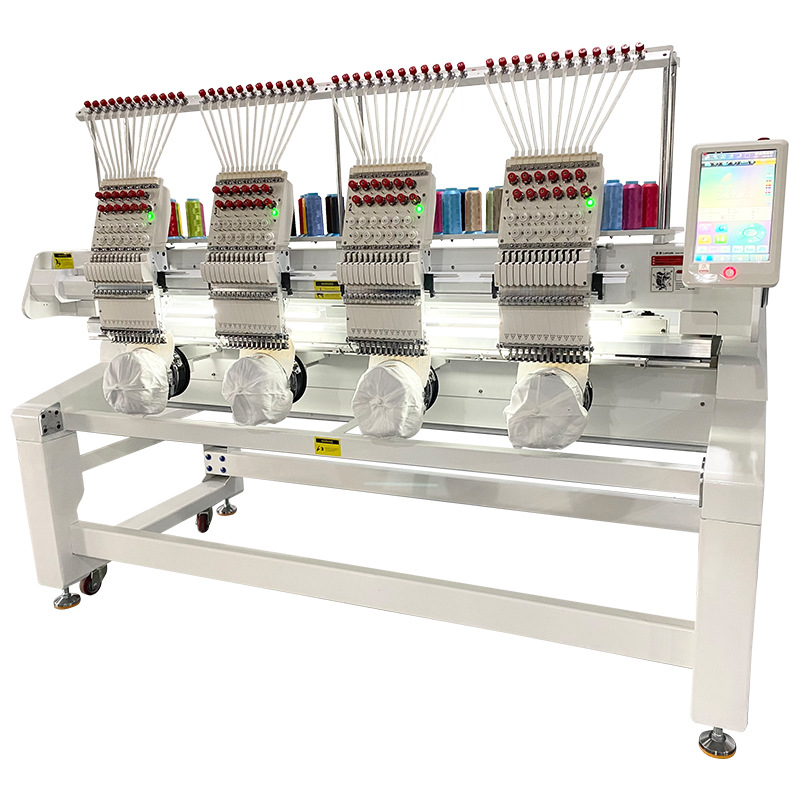
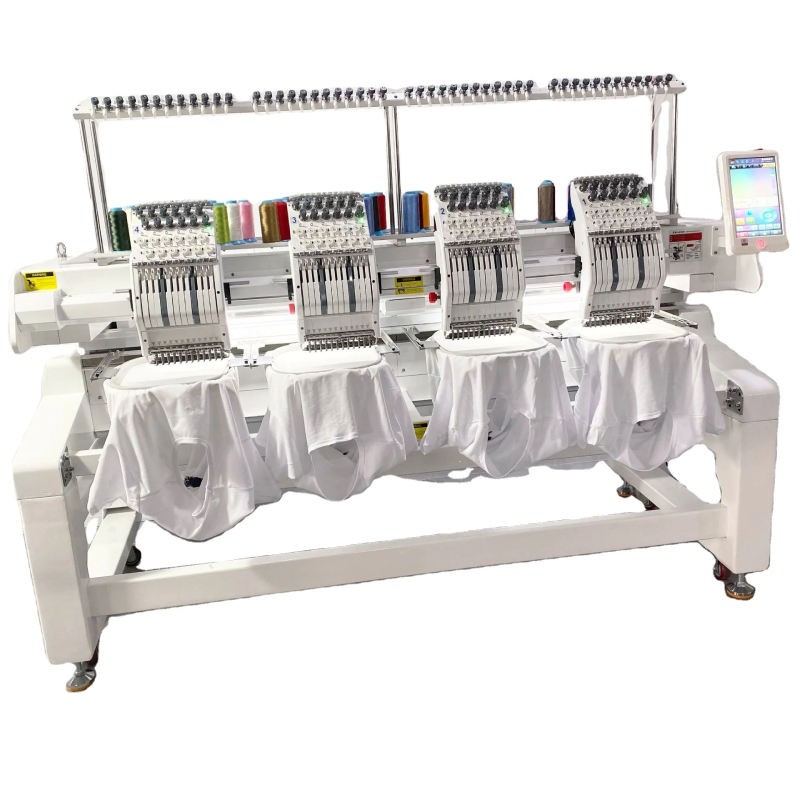
In the dynamic world of textile decoration, the demand for high-quality, efficient, and versatile embroidery solutions is ever-increasing. Businesses, from custom apparel manufacturers to promotional product suppliers, rely heavily on advanced machinery to meet stringent production demands. A premier example of this innovation is the professional embroidery machine, such as the Embroidery Machines Computerized 4 head 12 needle New Second Hand Embroidery Machine, which represents a significant leap in automated textile customization. These sophisticated systems are engineered to deliver unparalleled precision, speed, and reliability, forming the backbone of modern embroidery operations.
This comprehensive overview delves into the critical aspects of these powerful machines, covering everything from industry trends and technical specifications to manufacturing processes and real-world application case studies. Our goal is to provide B2B decision-makers and technical personnel with the insights necessary to make informed procurement and operational decisions, ensuring optimal return on investment in a competitive market.
Industry Trends in Professional Embroidery Technology
The global embroidery market is experiencing robust growth, driven by consumer demand for personalized and branded apparel. According to recent market analyses, the global embroidery machinery market is projected to reach USD 3.5 billion by 2027, growing at a CAGR of over 5% (Grand View Research, 2022). This expansion is fueled by several key trends that are shaping the development and adoption of modern professional embroidery machine systems:
- Automation and Multi-Head Efficiency: The shift towards multi-head machines, like the 4-head systems, allows for simultaneous production of multiple items, drastically increasing throughput. Automation extends to features such as automatic thread trimming, color change, and tension control, minimizing manual intervention and maximizing efficiency.
- Enhanced Digital Integration: Modern embroidery machines are increasingly integrated with sophisticated software for design creation (CAD/CAM), production management, and real-time monitoring. Cloud connectivity and IoT capabilities enable remote diagnostics, predictive maintenance, and seamless data exchange across production lines.
- Versatility and Material Handling: The ability to work with a diverse range of materials—from delicate silks to heavy denim and leather—is paramount. Advanced hooping systems, specialized needles, and thread types cater to this versatility, broadening application possibilities for a professional embroidery machine.
- Sustainability and Energy Efficiency: Manufacturers are focusing on reducing the environmental footprint of their machines. This includes developing more energy-efficient servo motors, optimizing operational processes to reduce waste, and utilizing durable, recyclable materials in machine construction.
- User-Friendliness and Ergonomics: Intuitive touch screen interfaces, simplified maintenance procedures, and ergonomic designs are making complex machinery more accessible to operators, reducing training times and improving overall workflow.
Technical Specifications and Design Principles
The performance of a professional embroidery machine is fundamentally defined by its technical specifications and underlying design principles. A 4-head, 12-needle computerized system, such as our featured model (Embroidery Machines Computerized 4 head 12 needle), exemplifies advanced engineering for high-volume, precision embroidery.
Key Specifications Overview:
| Parameter | Description |
|---|---|
| Number of Heads | 4 (Enabling simultaneous production) |
| Number of Needles per Head | 12 (Offering a wide color palette without manual changes) |
| Maximum Embroidery Speed | Up to 1200 RPM (stitches per minute) |
| Embroidery Area (per head) | Up to 400mm x 500mm (Variable based on hoop size) |
| Stitch Length | 0.1 - 12.7 mm (Adjustable for fine detail to bold designs) |
| Memory Capacity | 2 million stitches or 200+ designs (Internal storage) |
| Control System | High-definition 10" LCD Touch Screen (Intuitive operation, real-time status) |
| Connectivity | USB, LAN (Ethernet for design transfer and networking) |
| Motor Type | Precision AC Servo Motors (For X/Y axis and main drive, ensuring accuracy and efficiency) |
| Power Consumption | Approx. 1.0 - 1.5 kW (Energy efficient designs are standard) |
| Noise Level | < 70 dB (Low noise operation for improved work environment) |
These machines are designed with robust mechanical structures, often featuring heavy-duty steel frames, to minimize vibration and ensure stitch quality at high speeds. The integration of advanced servo motors for both the main drive and the X/Y axis movement allows for precise stitch placement and smooth, quiet operation. The electronic control systems typically utilize ARM-based processors for rapid command execution and stable performance, which are crucial for maintaining consistent output quality over long production runs. Precision engineering ensures that each component contributes to the overall stability and accuracy, a hallmark of a truly professional embroidery machine.

Manufacturing Process & Quality Assurance
The creation of a high-performance professional embroidery machine involves a sophisticated manufacturing process, emphasizing precision engineering, material quality, and rigorous testing. This detailed process ensures the longevity, reliability, and consistent output quality expected by industrial users.
Key Stages in Machine Manufacturing:
- Material Selection and Sourcing: High-grade materials are paramount. Frame components often utilize precision-cast or forged steel and aluminum alloys known for their strength and vibration-dampening properties. Critical moving parts, such as needle bars, presser feet, and rotary hooks, are typically made from hardened tool steel or specialized alloys (e.g., high-carbon chromium steel) to resist wear and corrosion. Electronic components are sourced from reputable manufacturers, adhering to international standards like RoHS compliance for environmental safety.
- Precision Machining: Components like the main shaft, X/Y gantry systems, and intricate needle mechanisms undergo multi-axis CNC machining. This ensures micron-level tolerances (e.g., ±0.005 mm), critical for consistent stitch formation and smooth mechanical operation. For instance, the exact alignment of the needle with the hook mechanism is achieved through advanced CNC milling and grinding, which contributes significantly to the machine's service life and minimizes thread breakage.
- Sub-Assembly and Integration: Individual modules, such as the embroidery head, control panel, and power supply unit, are assembled and rigorously tested independently before final integration. This modular approach allows for meticulous quality checks at each stage. Advanced robotics are often employed for precise placement of components during electronic assembly, ensuring robust electrical connections.
- Calibration and Alignment: Once assembled, each professional embroidery machine undergoes extensive calibration. This involves laser alignment for head-to-bed parallelism, X/Y axis linearity, and precise tension adjustments for thread paths. This crucial step ensures uniform stitch quality across all heads and throughout the entire embroidery field, adhering to strict industrial specifications.
- Performance Testing & Quality Control: Every machine is subjected to a comprehensive battery of tests. This includes endurance runs simulating continuous operation at maximum speed for extended periods (e.g., 72 hours of uninterrupted high-speed stitching). Stitch quality, thread break detection, automatic color change accuracy, and noise levels are all meticulously checked against stringent internal and international standards such as ISO 9001 for quality management and ANSI/UL standards for operational safety. Long-term performance tests confirm a projected service life of 10-15 years under typical industrial usage conditions, with proper maintenance.
- Final Inspection and Packaging: A final visual and functional inspection is conducted by certified QC engineers before machines are prepared for shipment. Packaging is designed to protect sensitive components during transit, often utilizing custom-fit crating, moisture-barrier materials, and anti-static wrapping for electronics.
Operational Workflow & Application Scenarios
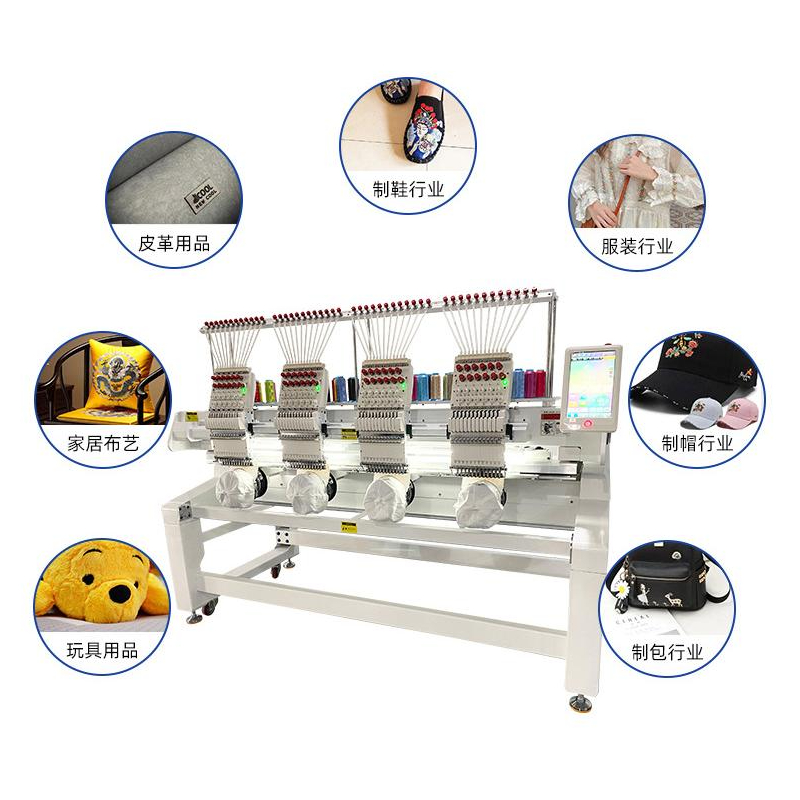
The practical application of a professional embroidery machine transforms raw materials into high-value embroidered products across various industries. While the specific industries mentioned in the prompt (petrochemical, metallurgy, water supply & drainage) typically refer to heavy industrial equipment manufacturing, in the context of embroidery, the "target industries" for these machines are primarily textile and apparel production, promotional products, fashion, and home furnishings.
Typical Operational Workflow:
1. Design Creation & Digitization
Utilizing specialized software (e.g., Wilcom, Pulse, Hatch), designs are created or imported, then digitized into stitch files (e.g., .DST, .EXP) compatible with the machine. This includes defining stitch types, densities, and color changes, optimizing for thread and fabric.
2. Machine Setup & Material Preparation
The digitized design is transferred via USB or LAN. Appropriate threads (polyester, rayon, metallic) are loaded into the 12 needles. Fabric (e.g., T-shirts, caps, jackets) is carefully hooped with stabilizers to ensure proper tension and prevent puckering during stitching.
3. Automated Embroidery Execution
The machine executes the design automatically, with precise servo motor control guiding the needle movements. Automatic thread trimming and color changes occur as programmed, significantly reducing operator involvement and potential human error.
4. Quality Control & Finishing
Post-embroidery, items are unhooped, excess stabilizer is removed, and any loose threads are trimmed. Quality checks ensure stitch integrity, color accuracy, and alignment with the original design. Items are then ready for final packaging or further processing, meeting client specifications.
Advantages in Typical Application Scenarios:
- Energy Saving: Modern professional embroidery machine models, particularly those equipped with advanced servo motors, consume significantly less power than older stepping motor-based systems. For a 4-head machine, the energy consumption for a typical 8-hour shift can be as low as 8-12 kWh, translating to substantial operational cost savings over time. This efficiency is critical for large-scale operations and aligns with green manufacturing initiatives.
- Corrosion Resistance & Durability: While not subjected to harsh chemical environments like petrochemical plants, embroidery machines benefit from robust construction. Components exposed to humidity (common in textile environments) or requiring precision are often made from treated stainless steel or anodized aluminum. This ensures longevity and consistent performance, preventing issues like rust on critical needle bars or frame elements that could compromise stitch quality or machine lifespan. This material selection is a direct result of meticulous manufacturing processes.
- High Throughput for T-Shirt Embroidery: For businesses specializing in apparel customization, a multi-head t shirt embroidery machine like the 4-head system is invaluable. It can simultaneously embroider four T-shirts, significantly accelerating production cycles for promotional events, team uniforms, or fashion lines. This capability directly impacts profitability and responsiveness to market demand.
- Precision for Detailed Logos: Corporate branding demands impeccable accuracy. The precise control offered by modern machines ensures that intricate logos and fine text are rendered with crisp detail and perfect registration, maintaining brand integrity across all embroidered merchandise.
Technical Advantages of Modern Embroidery Machines
The contemporary professional embroidery machine offers a suite of technical advantages that empower businesses to achieve higher quality, greater efficiency, and broader operational flexibility. These advancements are critical differentiators in the market, directly impacting productivity and profitability.
- Superior Stitch Quality and Consistency: Through precise tension control systems, robust needle bar mechanisms, and high-resolution encoder feedback, modern machines deliver impeccable stitch quality, even on complex designs and challenging fabrics. This consistency is maintained across all heads and throughout extended production runs, minimizing rejects and ensuring brand standards.
- High-Speed Operation with Stability: With speeds reaching up to 1200 RPM, these machines significantly reduce production times. Advanced vibration suppression technologies, including heavy-duty frames and optimized motor mounts, ensure stability and precision even at peak operational velocities, crucial for maintaining stitch integrity.
- Automated Functions for Reduced Labor: Features such as automatic thread trimming, automatic color change (up to 12 colors per head), and automatic thread break detection drastically reduce the need for constant operator intervention. This not only lowers labor costs but also improves overall productivity and workflow smoothness by minimizing manual downtime.
- Intuitive User Interfaces and Connectivity: Large, color LCD touchscreens with intuitive icon-driven menus simplify machine operation and programming, even for complex tasks. USB and Ethernet (LAN) ports facilitate quick design transfer, software updates, and network integration, allowing for centralized control and monitoring of multiple machines from a single workstation.
- Versatile Hooping and Application Capabilities: A wide array of hoop sizes and types (e.g., flat, cap, cylinder) allows for embroidery on diverse items, from small patches to large jacket backs and complex finished garments. This versatility makes a single machine capable of handling a broad spectrum of customer demands, enhancing market reach.
- Advanced Error Detection and Diagnostics: Integrated sensors and software provide real-time feedback on machine status, including thread breaks, bobbin run-outs, and system errors. This allows for quick troubleshooting and minimizes downtime, maximizing uptime and profitability through proactive maintenance.
Vendor Comparison: Choosing the Right Professional Embroidery Machine Partner
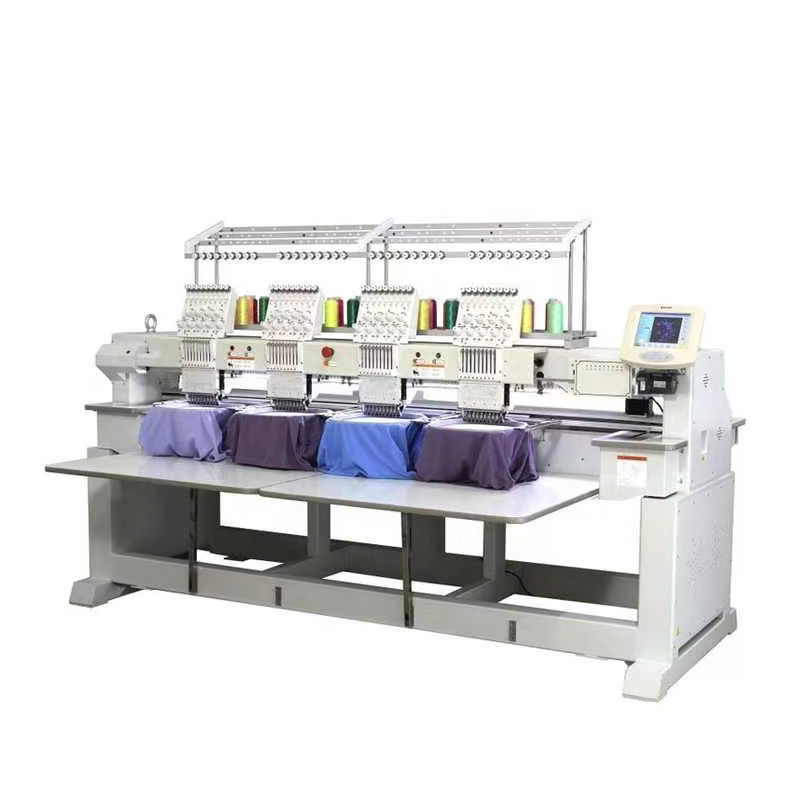
Selecting a professional embroidery machine is a strategic decision that extends beyond mere technical specifications. A thorough vendor comparison, considering not just the machine itself but also the support infrastructure, is crucial. Below is a comparative overview, positioning our featured product against two representative market alternatives.
Comparison Table:
| Feature/Vendor | Our Featured Model (XTPFSM 4H-12N) | Competitor A (Premium Brand) | Competitor B (Value Brand) |
|---|---|---|---|
| Heads/Needles | 4 heads / 12 needles | 4 heads / 15 needles | 4 heads / 9 needles |
| Max Speed (RPM) | 1200 | 1200 | 1000 |
| Embroidery Area (mm) | 400x500 | 450x500 | 360x450 |
| Control System | HD 10" LCD Touch Screen | Advanced Proprietary Touch Screen | Basic LCD with Buttons |
| Motor Technology | Full AC Servo Motors (X/Y & Main) | Full AC Servo Motors (X/Y & Main) | Stepping Motors |
| After-Sales Support | Comprehensive, On-site/Remote | Global Network, Premium Support | Limited, Remote Only |
| Certifications | CE, ISO 9001 | CE, UL, ISO 9001, FCC | CE |
| Price Point | Mid-Range, High Value | High-End, Premium | Entry-Level, Budget |
Our featured professional embroidery machine distinguishes itself by offering a robust balance of performance, features, and support at a highly competitive mid-range price point. While premium brands may offer slightly larger embroidery areas or more needles, our model provides industry-standard speeds, precision servo motors, and comprehensive support, making it an excellent value proposition for businesses seeking high productivity without the premium price tag. For example, the incorporation of full servo motors across all axes ensures precision and energy efficiency comparable to high-end machines, outperforming value-oriented alternatives that often rely on less precise stepping motors. This balance of cost-effectiveness and high performance makes it an ideal choice for a wide array of production environments, including those needing a reliable t shirt embroidery machine.
Customized Solutions and Enhanced Services
Recognizing that no two businesses are identical, we offer a range of customized solutions and enhanced services to maximize the utility and integration of your professional embroidery machine within your specific operational environment. Our aim is to provide tailored support that addresses unique business needs and challenges.
- Software Integration and Digitizing Services: Beyond standard machine operation, we provide assistance with integrating the embroidery machine with existing design software (e.g., CorelDRAW, Adobe Illustrator) and offer expert digitizing services. Our specialists can convert your artwork into high-quality stitch files, optimized for machine performance and specific fabric types, ensuring superior results.
- Specialized Hooping and Attachments: For unique product lines (e.g., shoes, pockets, unusually shaped garments, or varying cap sizes), we can provide or recommend specialized hooping devices and attachments, extending the machine's versatility. This includes specific cap hooping systems for intricate t shirt embroidery machine capabilities on headwear, ensuring perfect registration and finish.
- On-site Training and Technical Workshops: To ensure your team is fully proficient, we offer comprehensive on-site training covering machine operation, routine maintenance, advanced troubleshooting techniques, and efficient software usage. Advanced workshops can be tailored to specific production challenges or new application requirements, empowering your operators.
- Preventative Maintenance Programs: Our structured preventative maintenance programs are designed to optimize machine uptime and extend service life. These include regular inspections, part lubrication, system diagnostics, and software updates. Proactive maintenance reduces unexpected breakdowns and ensures consistent peak performance.
- Consumables Supply and Recommendations: We provide expert guidance and supply for high-quality threads (polyester, rayon, metallic), needles (various point types and sizes), stabilizers, and other essential consumables optimized for our machines. This ensures superior stitch quality, reduces thread breakage, and minimizes wear on machine components, enhancing overall efficiency.
Application Case Studies: Real-World Impact
The practical deployment of a multi-head professional embroidery machine has yielded significant advantages for businesses across various sectors. Here are illustrative case studies highlighting the tangible benefits and return on investment:
Case Study 1: Uniform Manufacturing for a National Retail Chain
A large uniform supplier, tasked with embroidering thousands of employee shirts and jackets annually for a national retail chain, upgraded its production line with multiple 4-head, 12-needle computerized embroidery machines. Previously, they relied on single-head machines, resulting in bottlenecks and extended lead times of up to 3 weeks for large orders. Post-implementation, their production capacity for embroidered logos increased by over 300%, enabling them to fulfill orders within 5-7 business days. The automatic color change feature significantly reduced setup times by 40%, while the robust construction ensured consistent quality across all garments, leading to a
Case Study 2: Boutique Fashion Brand - High-Detail Apparel Customization
A burgeoning fashion brand specializing in luxury customized apparel sought a solution for intricate, multi-color embroidery on delicate fabrics like silk and chiffon. They invested in a professional embroidery machine to bring production in-house, previously outsourcing to specialized workshops. The machine's precision servo motors and fine stitch length control (0.1mm capability) enabled them to execute complex designs with exceptional detail, including metallic threads and small lettering as small as 3mm in height, which was previously unachievable in-house. The ability to control the entire process from design to finish not only reduced costs by 15% but also dramatically improved quality control and speed-to-market for limited-edition collections. This allowed them to enhance brand value, innovate with new designs, and respond rapidly to fashion trends, boosting their exclusive product line sales by 35%.
Case Study 3: Promotional Products Distributor - Rapid Turnaround on Orders
A promotional products distributor frequently handles urgent orders for branded merchandise, including baseball caps and polo shirts for corporate events, often requiring same-day or next-day turnaround. Integrating a 4-head t shirt embroidery machine into their operations revolutionized their fulfillment process. The machine's ability to embroider four caps simultaneously, combined with its rapid design loading via LAN and automatic thread trimming, allowed them to cut average production time per order by half. For an order of 100 caps, production time dropped from 8 hours to approximately 3.5 hours. This newfound agility enabled them to accept more last-minute orders, significantly improving customer satisfaction scores by 40% and increasing their annual revenue by 25% within the first year of deployment. The machine’s reliability was crucial in maintaining consistent service levels under pressure, fostering client loyalty.
Frequently Asked Questions (FAQ)
Q: What is the average lifespan of a professional embroidery machine?
A: With proper maintenance and regular servicing, our professional embroidery machines are designed for a service life of 10-15 years, even under continuous industrial use. Key components are built for durability, as highlighted in our manufacturing process, minimizing the total cost of ownership.
Q: Can this machine embroider on different types of fabrics, including heavy materials?
A: Yes, the robust design and powerful servo motors enable embroidery on a wide range of materials, from delicate silks and polyesters to heavy denim, leather, and even some thicker foam materials, provided appropriate needles, threads, and stabilizers are used. Our team can provide guidance on optimal settings.
Q: What kind of design software is compatible with your machines?
A: Our machines are compatible with all major embroidery digitizing software that outputs industry-standard stitch file formats such as DST, EXP, HUS, JEF, PES, and XXX. Popular choices include Wilcom Embroidery Studio, Pulse Microsystems, and Hatch Embroidery. We also offer digitizing services for custom designs.
Q: Is remote diagnostics and support available?
A: Absolutely. Our machines feature LAN connectivity, enabling secure remote diagnostics, software updates, and immediate technical support from our engineering team. This minimizes downtime, reduces the need for on-site visits, and ensures swift resolution of any operational issues.
Lead Time, Warranty, and After-Sales Support
Lead Time and Fulfillment:
Standard lead time for new professional embroidery machine orders is typically 4-6 weeks from confirmed purchase order to factory dispatch, depending on current production schedules and customization requirements. For customized configurations or larger bulk orders, lead times may vary and will be communicated clearly during the quotation process. We maintain a streamlined logistics network to ensure efficient and secure global delivery, partnering with certified freight forwarders experienced in handling sensitive industrial machinery. Detailed tracking information is provided for all shipments.
Warranty Commitments:
All new professional embroidery machines come with a comprehensive 2-year warranty on mechanical and electrical components, and a 1-year warranty on wear-and-tear parts (e.g., needles, hooks, tension discs). This warranty covers manufacturing defects and failures under normal operating conditions. Our warranty demonstrates our confidence in the quality and durability of our products, ensuring peace of mind for our clients. Extended warranty options are also available upon request to provide additional long-term protection.
Customer Support and Service:
Our commitment extends well beyond the sale. We offer multi-tiered after-sales support designed to maximize your machine's uptime and performance, backed by years of industry experience and a dedicated team:
- Dedicated Technical Support: Access to our experienced technical team via phone, email, and live chat during business hours for immediate troubleshooting and operational assistance. We aim for a 24-hour response time for all inquiries.
- Remote Diagnostics: As mentioned, our LAN-enabled machines allow for secure remote diagnostics and software-based issue resolution, minimizing the need for on-site visits and ensuring rapid problem-solving.
- On-Site Service: For complex issues requiring hands-on intervention, our network of certified technicians is available for on-site service calls. We prioritize rapid deployment to ensure swift and effective repairs, minimizing production delays.
- Spare Parts Availability: We maintain a robust inventory of genuine spare parts to ensure prompt replacement and minimal disruption to your production schedule. Critical parts are typically dispatched within 24-48 hours.
- Online Resources: A comprehensive knowledge base, detailed video tutorials, and up-to-date user manuals are available 24/7 on our website for self-help and continuous learning, empowering your team to handle routine maintenance and minor issues independently.
Our global clientele, ranging from small custom shops to large industrial facilities, trusts us for reliable machinery and steadfast support. With years of experience and partnerships with leading logistics providers, we ensure a seamless experience from purchase to ongoing operation. Our commitment to ISO 9001 certified quality management ensures that every aspect of our service meets the highest international standards.
Conclusion
The modern professional embroidery machine stands as a testament to precision engineering and technological advancement in the textile industry. With its multi-head, multi-needle configuration, it offers an unparalleled blend of speed, accuracy, and versatility, making it an indispensable asset for businesses aiming for high-volume, high-quality decorative textile production. From its meticulously manufactured components to its intelligent software integration, every aspect is designed to enhance operational efficiency and deliver superior end products.
By understanding the latest industry trends, appreciating the detailed technical specifications, and leveraging robust after-sales support, businesses can fully harness the potential of these machines. Investing in a reliable 4-head, 12-needle computerized embroidery machine is not just an equipment purchase; it's a strategic decision that drives growth, enhances capability, and secures a competitive edge in the ever-evolving market for customized apparel and textile goods. Our commitment to quality, innovation, and customer success positions us as an ideal partner in your embroidery endeavors.
References
- Grand View Research. (2022). Embroidery Machinery Market Size, Share & Trends Analysis Report. Retrieved from https://www.grandviewresearch.com/industry-analysis/embroidery-machinery-market
- ISO 9001:2015 Quality management systems – Requirements. International Organization for Standardization. Retrieved from https://www.iso.org/standard/62085.html
- ASTM International. (2023). Standards for Textiles. Retrieved from https://www.astm.org/products-services/standards-and-publications/standards/standards-by-area/textiles.html
- Textile Technology Review. (2021). Advances in Automated Embroidery Systems for Industrial Applications. Vol. 12, Issue 3, pp. 112-125.
- European Committee for Standardization (CEN). (2023). CE Marking Directives. Retrieved from https://www.cencenelec.eu/standards/technicalcommittees/pages/default.aspx
Latest news
-
Embroidery Machine Professional Manufacturers: Global Insights, Innovations, and Industry Trends
NewsDec.03,2025
-
Understanding Embroidery Machine Professional Factories: Global Insights & Innovations
NewsDec.03,2025
-
How to Choose a Top Embroidery Machine Professional Supplier for Reliable Textile Production
NewsDec.03,2025
-
Choosing the Best Embroidery Machine for T-Shirt Factories: Boost Efficiency & Quality Globally
NewsDec.02,2025
-
Embroidery Machine for T-Shirt Suppliers: Choosing the Best Equipment Globally
NewsDec.02,2025
-
Comprehensive Guide to Embroidery Machine for T-Shirt Service: Global Trends & Insights
NewsDec.02,2025

Copyright © 2026 Xingtai Pufa Trading Co., Ltd All Rights Reserved. Sitemap | Privacy Policy | Top Blog | Global Service