
Sep . 22, 2025 11:55 Back to list
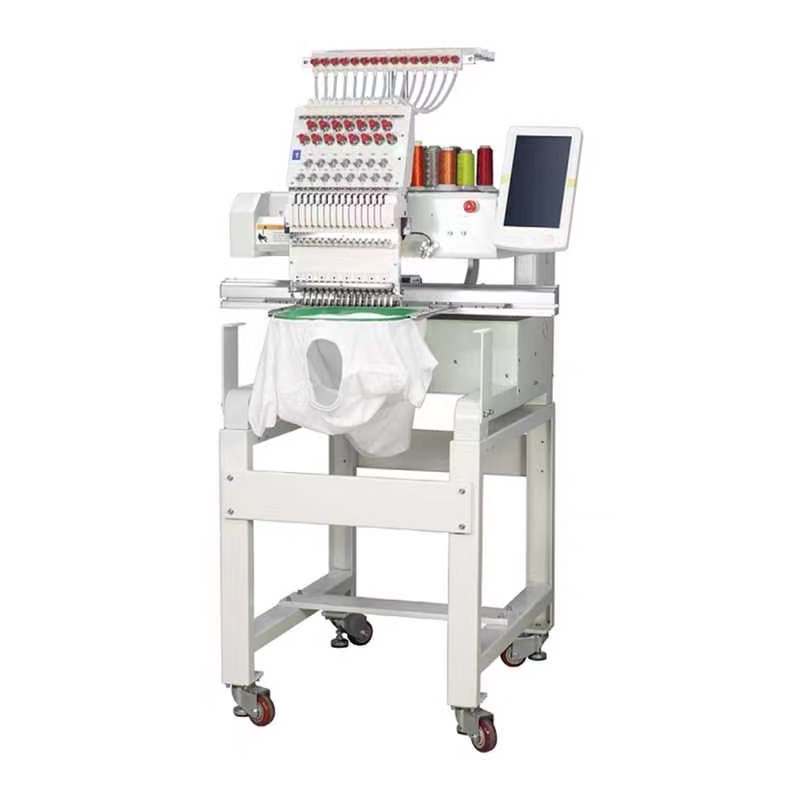
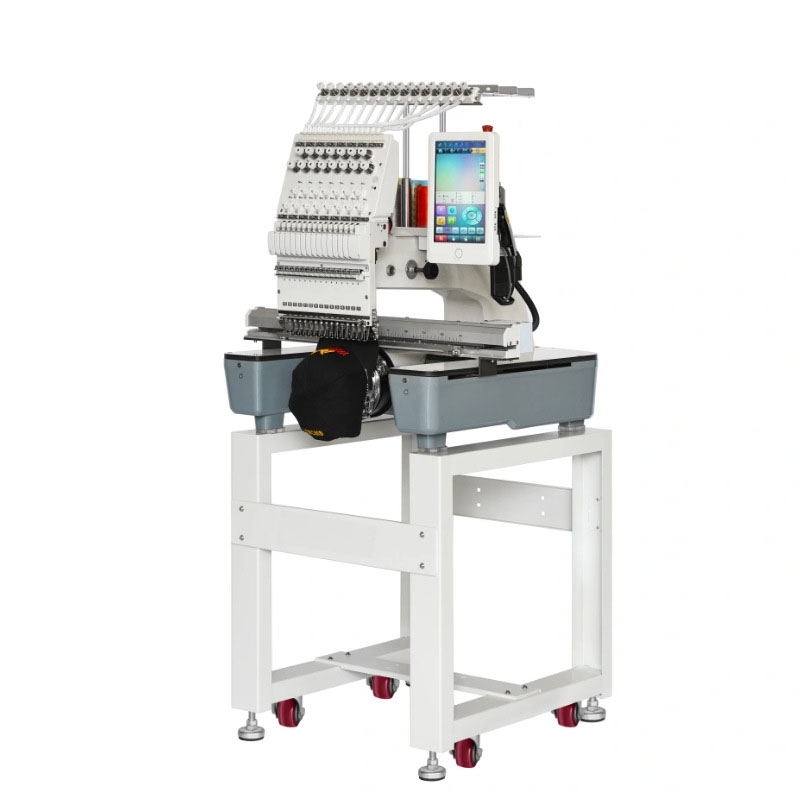
Professional Single Head Embroidery Machine for Caps & More
Overview of Single Head Embroidery Machines in Modern Manufacturing
In the rapidly evolving landscape of textile and apparel manufacturing, the precision and versatility of embroidery technology are paramount. The single head embroidery machine stands as a cornerstone for businesses requiring high-quality, individualized, and short-run production capabilities. These sophisticated units are engineered to deliver intricate designs with exceptional accuracy, catering to a diverse array of applications from bespoke fashion to corporate branding. Their compact footprint combined with robust functionality makes them an invaluable asset for small to medium-sized enterprises, design studios, and specialized production lines that demand both flexibility and uncompromised quality in their embroidered output.
The demand for personalized and customized products continues to grow, driving innovation in embroidery technology. This document explores the critical aspects of modern single-head embroidery solutions, covering their manufacturing excellence, technical prowess, diverse applications, and the strategic advantages they offer in competitive markets.
Industry Trends Shaping Embroidery Technology
The embroidery machine market is currently experiencing significant shifts driven by several key trends. Automation and digitalization are at the forefront, with advanced software integration becoming standard for design, production management, and machine diagnostics. This allows for seamless workflow from conceptualization to final product. Furthermore, there's an increasing emphasis on multi-functional capabilities, enabling a single machine to handle various materials and embroidery types, from flat embroidery to tubular and specialized tasks like sequin or cording applications. The demand for eco-friendly manufacturing processes is also influencing machine design, leading to more energy-efficient motors and reduced material waste.
The rise of e-commerce and on-demand production models has amplified the need for agile and efficient single head embroidery machine solutions. Businesses are investing in machines that can quickly switch between projects, handle diverse batch sizes, and maintain high precision for intricate designs. This trend is particularly evident in the personalized apparel and promotional goods sectors, where quick turnaround times and high design fidelity are crucial for customer satisfaction and market competitiveness.
The Manufacturing Process of a Single Head Embroidery Machine
The production of a high-quality single head embroidery machine is a meticulous process demanding precision engineering and stringent quality control. It integrates advanced materials with sophisticated manufacturing techniques to ensure durability, performance, and reliability.
1. Design and Material Selection
- CAD/CAM Design: Initial conceptualization and detailed engineering drawings are developed using advanced CAD/CAM software, optimizing for structural integrity, minimal vibration, and ergonomic operation.
- Materials: High-grade alloys such as aviation-grade aluminum for machine frames, precision-machined steel for critical moving parts (e.g., needle bars, rotary hooks), and durable plastics for covers and non-stress components. Electrical components are sourced globally from reputable manufacturers to ensure performance and longevity.
2. Component Fabrication and Machining
- CNC Machining: Core mechanical components like the needle bar case, presser foot, and frame parts undergo multi-axis CNC machining. This ensures micron-level tolerances, critical for precise needle movement and stitch formation.
- Stamping and Forging: Certain metal parts requiring exceptional strength and specific forms, such as tension assemblies or frame brackets, are produced through precision stamping or forging, followed by heat treatment for enhanced hardness and durability.
- Surface Treatment: Components often receive anti-corrosion treatments (e.g., anodizing for aluminum, nickel plating for steel) to extend service life and maintain aesthetic quality, especially important in diverse operating environments.
3. Assembly and Integration
- Sub-Assembly: Modules such as the tension unit, lubrication system, and control panel are assembled independently in cleanroom environments to prevent contamination.
- Final Assembly: Skilled technicians meticulously integrate all mechanical, electrical, and electronic components. This includes the installation of the servo motor, control board, touchscreen interface, and the precise alignment of the needle bar and rotary hook mechanisms. Wiring is organized for easy maintenance and optimal signal integrity.
4. Quality Assurance and Testing Standards
- Component Inspection: Each incoming component undergoes rigorous inspection, adhering to international standards such as ISO 9001 for quality management.
- Functional Testing: Post-assembly, every professional embroidery machine undergoes comprehensive functional testing, including stitch quality checks across various fabric types and speeds, noise level assessment, and vibration analysis.
- Endurance and Life Cycle Testing: Prototypes and batch samples are subjected to accelerated life cycle testing to simulate prolonged use, ensuring a projected service life exceeding 10-15 years under typical operating conditions.
- Safety and Compliance: Machines comply with CE (Conformité Européenne) marking for European markets and relevant ANSI (American National Standards Institute) standards for safety and performance in North America.
5. Target Industries and Application Advantages
These robust single head embroidery machine units are ideally suited for target industries including:
- Apparel & Fashion: Customizing garments, creating intricate designer patterns, and branding.
- Promotional Products: Personalizing items like caps, polo shirts, bags, and uniforms for corporate clients.
- Textile Manufacturing: Small-batch production, prototyping, and adding decorative elements to home textiles.
- Corporate Branding: Consistent application of company logos and insignia on employee attire.
In typical application scenarios, these machines demonstrate significant advantages:
- Energy Saving: Equipped with advanced servo motors, they consume up to 30% less power compared to older clutch motor systems, reducing operational costs.
- Precision & Consistency: Superior mechanical design and electronic control ensure consistent stitch quality, critical for high-end products.
- Corrosion Resistance: Treated components and robust materials ensure longevity, even in moderate humidity industrial environments.
- Ease of Operation: Intuitive touchscreen interfaces and automated features reduce training time and operator fatigue.
Key Technical Specifications and Performance Metrics
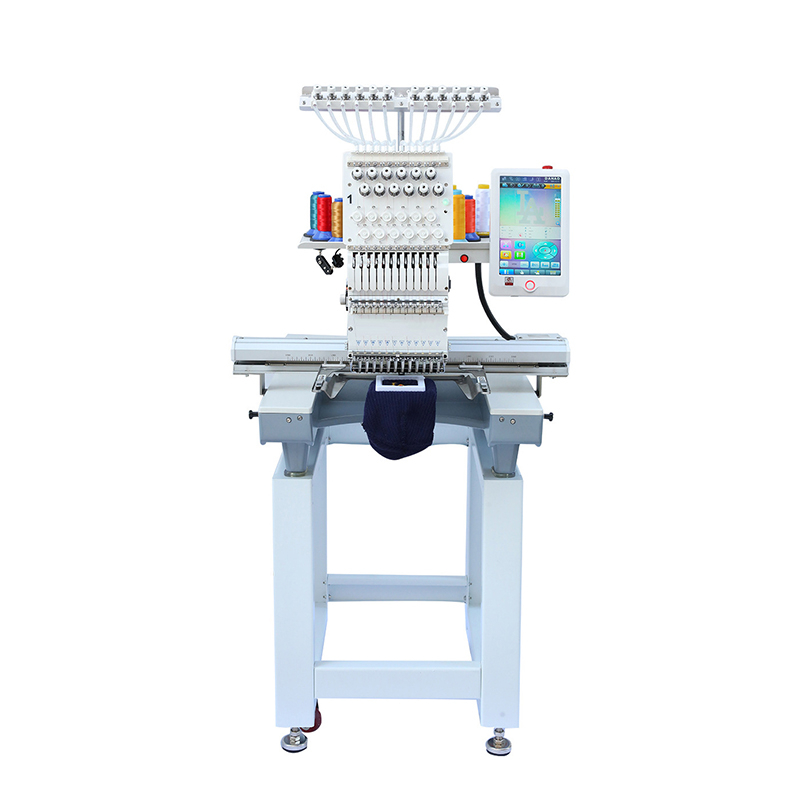
Understanding the core technical specifications is crucial for selecting the right professional embroidery machine. The following table outlines typical parameters for a high-quality single-head unit, highlighting its capabilities and performance benchmarks.
| Parameter | Specification | Benefit/Significance |
|---|---|---|
| Number of Needles | 12 or 15 | Allows for a wide range of colors in a single design without frequent thread changes, enhancing efficiency. |
| Max. Embroidery Area | 360 x 500 mm (approx. 14" x 20") | Accommodates large designs and various garment sizes, offering design flexibility. |
| Embroidery Speed | Up to 1200 stitches per minute (SPM) | High production efficiency for faster project completion. |
| Cap Embroidery Capability | Standard (270° wide angle) | Essential for businesses specializing in promotional products and customized headwear, offering extensive design coverage. |
| Memory Capacity | Up to 20 million stitches / 200 designs | Stores a vast library of designs, reducing load times and increasing operational fluidity. |
| Control System | 7-inch High-Definition True Color LCD Touch Screen | User-friendly interface for intuitive operation, design editing, and machine diagnostics. |
| Connectivity | USB, Network (LAN), Wi-Fi (optional) | Flexible design transfer options and potential for remote monitoring. |
| Power Consumption | 150W (standby) - 1000W (max. operation) | Energy-efficient operation reduces electricity costs. |
Diverse Application Scenarios and Capabilities
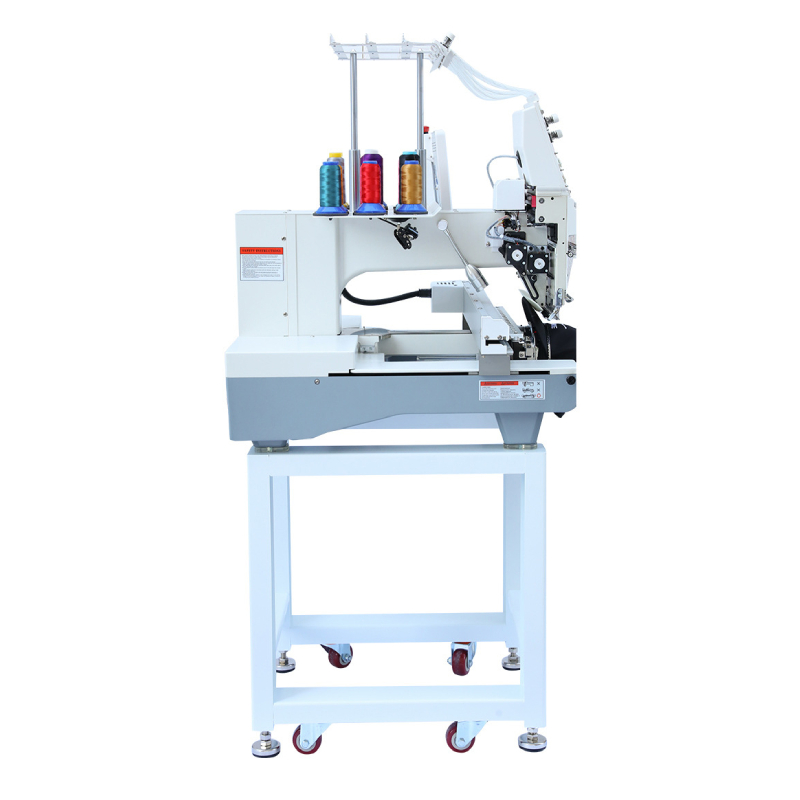
The versatility of a single head embroidery machine extends its utility across numerous industries and creative endeavors. Its ability to produce high-quality, precise embroidery on a variety of materials makes it indispensable for businesses focused on customization and branding.
- Apparel Customization: From bespoke fashion designers crafting unique garments to small businesses offering personalized t-shirts, hoodies, and jackets, these machines excel at adding intricate logos, monograms, and decorative patterns. The precision ensures consistent brand representation across all products.
- Cap and Hat Embroidery: Equipped with specialized hoop sets and a wide-angle cap driver, a cap embroidery machine is proficient at embroidering on baseball caps, beanies, and other headwear. This capability is critical for promotional product companies, sports teams, and uniform suppliers who frequently need to brand caps with logos or text.
- Corporate and Promotional Items: Businesses utilize these machines to brand corporate uniforms, staff apparel, tote bags, aprons, and other promotional merchandise. The ability to handle diverse fabric types and achieve high stitch density ensures a premium finish that reinforces brand identity.
- Home Decor and Textile Arts: Artists and craft enterprises leverage the machine's precision for embroidering on cushions, curtains, towels, and other home textiles. It supports intricate designs, allowing for detailed artistic expression and custom interior design elements.
- Small Batch Production & Prototyping: For manufacturers and designers who need to produce small quantities of embroidered items or create prototypes before mass production, the single head embroidery machine offers cost-effective and flexible solutions, minimizing setup times and material waste.
Technical Advantages and Performance Excellence
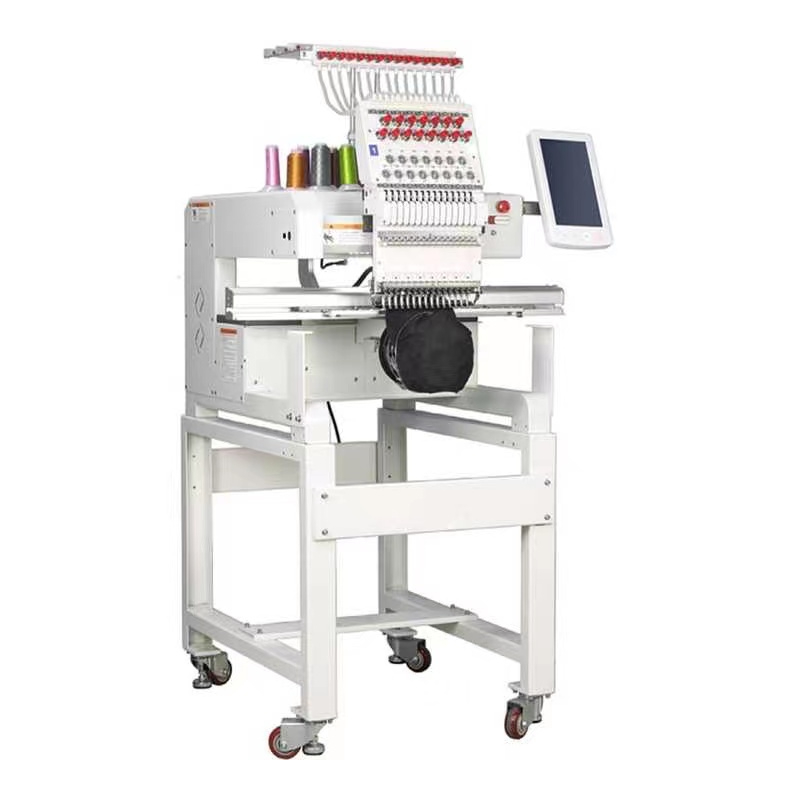
Modern single head embroidery machine models are designed with a host of technical advantages that contribute to their superior performance, operational efficiency, and overall value proposition for businesses.
- Advanced Servo Motor System: Unlike older stepper motors, high-precision servo motors provide smoother, quieter operation, exceptional stitch consistency, and higher speeds (up to 1200 SPM). They also offer better energy efficiency and precise control over needle positioning, reducing thread breaks and machine downtime.
- Automatic Thread Trimming & Color Change: Integrated automatic thread trimming and color change functionalities minimize manual intervention, drastically improving production efficiency and enabling seamless, multi-color designs without operator assistance.
- Optimized Stitch Quality Algorithms: State-of-the-art control boards utilize sophisticated algorithms to manage tension, needle penetration, and frame movement, resulting in perfectly formed stitches, crisp lines, and solid fills across diverse fabric weights and compositions.
- Wide Embroidery Field & Hoop Versatility: Generous embroidery areas combined with a comprehensive set of hoops (various flat hoops, cap hoops, optional cylindrical attachments) ensure adaptability for a vast range of products and design sizes.
- User-Friendly Interface & Connectivity: Intuitive HD LCD touch screens with real-time design preview, editing capabilities, and multi-language support simplify operation. Multiple connectivity options (USB, LAN, Wi-Fi) facilitate easy design transfer and remote management.
- Robust Build Quality & Durability: Constructed with heavy-duty steel frames, precision-machined components, and high-quality bearings, these machines are built for industrial-grade longevity, minimizing maintenance requirements and ensuring consistent performance over years of intensive use.
- Reduced Vibration and Noise: Advanced engineering and balanced mechanical designs significantly reduce operational vibration and noise levels, creating a more pleasant and productive working environment.
Vendor Comparison: Selecting Your Professional Embroidery Machine
Choosing the right professional embroidery machine involves evaluating various vendors based on features, reliability, support, and value. Below is a comparative overview highlighting key differentiators that distinguish high-quality solutions in the market.
| Feature/Criterion | High-End Single Head Machine (e.g., xtpfsm.com offering) | Mid-Range Alternatives | Entry-Level Machines |
|---|---|---|---|
| Needle Count | 12-15 needles | 9-10 needles | 6-8 needles |
| Max. Speed (SPM) | 1000-1200 SPM | 800-1000 SPM | 600-800 SPM |
| Motor Type | Servo Motor (Main & X/Y Axis) | Servo/Stepper Mix | Stepper Motors |
| Control Panel | 7-10 inch HD LCD Touch Screen | 5-7 inch Basic LCD Touch Screen | Small LCD with buttons |
| Standard Hoops Included | Full set of flat hoops + cap hoops | Limited flat hoops + basic cap frame | Only a few flat hoops |
| Frame Construction | Heavy-duty welded steel for stability | Mixed steel/aluminum, bolted | Mainly aluminum/composite |
| Connectivity | USB, LAN, optional Wi-Fi | USB, sometimes LAN | USB only |
| Warranty & Support | 2-5 years, dedicated technical support | 1-2 years, standard support | Limited 1 year, basic support |
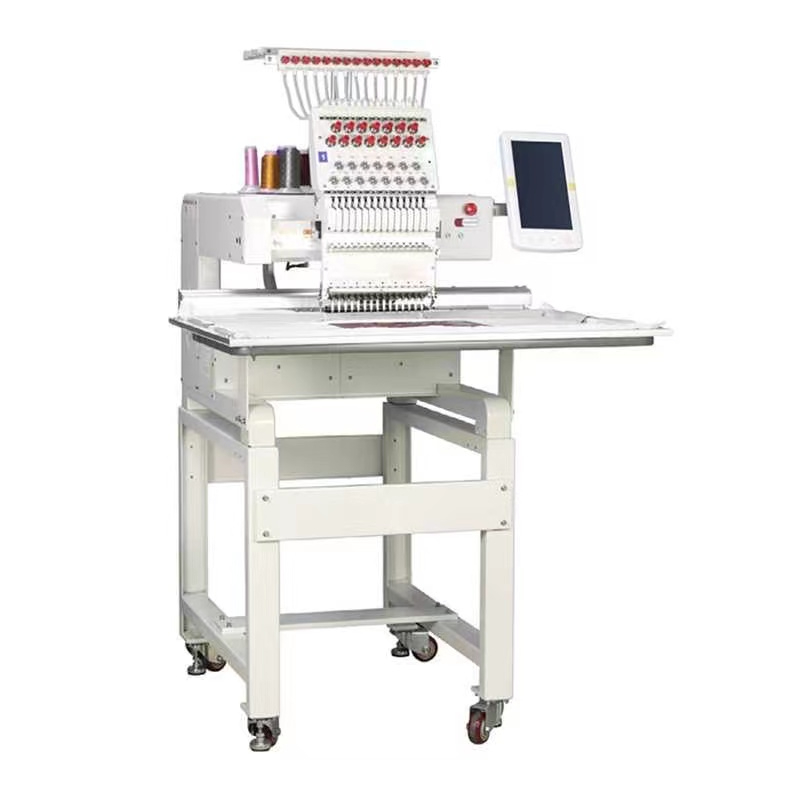
When considering an investment, factors such as the vendor's years of experience (e.g., our company boasts over 20 years in industrial machinery manufacturing), adherence to international certifications (like ISO 9001 and CE), and the extent of their global service network are crucial. A superior single head embroidery machine comes with robust technical documentation, readily available spare parts, and comprehensive training programs, ensuring a lower total cost of ownership and uninterrupted production.
Customized Solutions and Integration Capabilities
Recognizing that every business has unique operational needs, leading manufacturers offer customized solutions for their single head embroidery machine products. This ensures that the machinery integrates seamlessly into existing workflows and meets specific production demands.
- Specialized Hooping Options: Beyond standard flat and cap hoops, customization can include hoops for shoes, pockets, socks, or magnetic hooping systems for delicate fabrics, expanding application versatility.
- Software Integration: Compatibility with various industry-standard digitizing software (e.g., Wilcom, Pulse, Embrilliance) is a given. However, custom integrations with ERP systems or production management software can be developed to streamline order processing and workflow.
- Dedicated Frame Configurations: For very specific product lines, such as unusually shaped garments or industrial textiles, custom frames and machine configurations can be engineered to optimize efficiency and embroidery quality.
- Networking and Automation: For businesses running multiple units, network solutions allow for centralized design distribution and real-time monitoring of machine status, improving overall production control and scalability.
- Training and Support Packages: Tailored training programs, from basic operation to advanced maintenance, ensure that customer teams are fully proficient. Comprehensive support packages, including on-site assistance and remote diagnostics, are designed to minimize downtime.
Our commitment to providing tailored solutions underscores our understanding that a flexible and adaptable professional embroidery machine is a greater asset to dynamic B2B environments.
Application Case Studies and Customer Success
Real-world application demonstrates the transformative impact of a reliable single head embroidery machine. Our client testimonials and success stories highlight enhanced productivity and expanded service offerings.
Case Study 1: Boutique Apparel Customization
A boutique fashion label specializing in high-end customized garments invested in our 15-needle single head embroidery machine. Prior to this, they outsourced all embroidery, leading to long lead times and inconsistent quality control. After implementation, they reported a 40% reduction in production time for embroidered pieces, a 25% increase in profit margins due to in-house capabilities, and significantly improved design accuracy, enhancing their brand reputation. Customer feedback noted the exceptional detail and durability of the embroidery, leading to repeat business and positive reviews.
Case Study 2: Promotional Product Powerhouse
A large promotional products distributor needed to scale its cap embroidery machine operations to meet growing demand for branded headwear. By integrating multiple units of our high-speed, 12-needle machines, they were able to double their daily cap embroidery output while maintaining stringent quality standards. The machines' robust cap drivers and user-friendly interface allowed their operators to achieve consistent 270-degree embroidery on various cap styles, enabling them to secure larger corporate contracts and expand their market share.
Case Study 3: University Athletics Department
The athletics department of a major university acquired a professional embroidery machine to produce team apparel and merchandise in-house. This allowed them to create custom player jerseys, fan wear, and accessories on demand for various sports teams. The machine's versatility in handling different fabrics and design complexities, coupled with its reliable performance, significantly reduced their expenditure on external customization services and provided complete control over branding consistency for all athletic programs. The department praised the machine's ease of use and its ability to quickly switch between large jacket backs and small patch applications.
Frequently Asked Questions (FAQ)
- Q: What types of fabrics can a single head embroidery machine embroider on?
A: Our professional embroidery machine can handle a wide range of fabrics, from delicate silks and organza to robust denim, leather, and heavy-duty workwear, as well as synthetic materials like polyester and fleece. The key is using appropriate needles, stabilizers, and hooping techniques. - Q: What file formats are compatible with these machines?
A: Most modern embroidery machines, including ours, are compatible with standard industry formats such as DST, EXP, HUS, PES, XXX, and JEF. Designs can be loaded via USB or network connection. - Q: Is specialized software required to create designs for the single head embroidery machine?
A: Yes, design creation requires specialized digitizing software (e.g., Wilcom, Pulse, Hatch). These programs convert vector or raster images into stitch data (.DST, .PES, etc.) that the machine can interpret. Basic design editing can often be done directly on the machine's control panel. - Q: How long does it take to learn to operate a professional embroidery machine?
A: Basic operation can typically be learned within a few hours or days with proper training. Mastering advanced techniques, maintenance, and digitizing software can take longer, but our comprehensive training and support accelerate the learning curve significantly. - Q: What is the typical maintenance schedule for these machines?
A: Regular daily maintenance includes cleaning the bobbin area and lubricating critical points. Monthly checks involve inspecting thread tension, needle plates, and trimming blades. Annual professional servicing is recommended to ensure optimal performance and longevity.
Lead Time, Warranty, and Customer Support
We are committed to providing not just high-quality machinery but also comprehensive support throughout the product lifecycle.
Lead Time and Fulfillment
Standard lead time for our single head embroidery machine models is typically 2-4 weeks from order confirmation, depending on current production schedules and customization requirements. Expedited options may be available upon request. We ensure meticulous packaging and coordinate with trusted logistics partners for efficient global delivery, providing tracking and regular updates until the machine reaches your facility.
Warranty Commitments
All our professional embroidery machine units come with a standard 2-year warranty covering mechanical and electrical components, excluding consumables. An extended warranty of up to 5 years is available for purchase, offering peace of mind and long-term investment protection. Our warranty policy reflects our confidence in the superior engineering and manufacturing quality of our products.
Dedicated Customer Support
Our commitment extends beyond the sale with a robust customer support infrastructure. This includes:
- Technical Assistance: A team of experienced technicians available via phone, email, and live chat for troubleshooting and operational guidance.
- Online Resources: Access to a comprehensive knowledge base, video tutorials, and downloadable manuals.
- Parts Availability: A readily available inventory of genuine spare parts to minimize downtime.
- On-Site Service: For complex issues, on-site technician visits can be arranged in applicable regions.
We believe that exceptional customer support is integral to maximizing the value of your investment in a cap embroidery machine and ensuring continuous, productive operation.
Conclusion
The modern single head embroidery machine represents the pinnacle of compact yet powerful textile embellishment technology. Its precision engineering, versatile application capabilities, and robust feature set make it an essential tool for businesses ranging from personalized apparel ventures to promotional product giants. By understanding the intricate manufacturing processes, leveraging advanced technical specifications, and benefiting from comprehensive vendor support, enterprises can unlock new levels of creativity, efficiency, and profitability. Investing in a high-quality machine ensures not only superior aesthetic results but also a durable and reliable asset for sustained growth in a competitive market.
References
- Textile World. (2023). The Evolution of Computerized Embroidery Machines.
- International Organization for Standardization. (2020). ISO 9001:2015 Quality Management Systems – Requirements.
- American National Standards Institute. (2021). ANSI/ISEA Z87.1-2020: Occupational and Educational Personal Eye and Face Protection Devices. (Referenced for manufacturing safety standards in general industrial machinery)
- ResearchAndMarkets.com. (2022). Global Industrial Embroidery Machine Market - Industry Trends and Forecast to 2029.
- Journal of Textile Engineering. (2019). Advances in Servo Motor Technology for Precision Textile Machinery. Vol. 45, No. 3, pp. 187-195.
Latest news
-
Embroidery Machine Professional Manufacturers: Global Insights, Innovations, and Industry Trends
NewsDec.03,2025
-
Understanding Embroidery Machine Professional Factories: Global Insights & Innovations
NewsDec.03,2025
-
How to Choose a Top Embroidery Machine Professional Supplier for Reliable Textile Production
NewsDec.03,2025
-
Choosing the Best Embroidery Machine for T-Shirt Factories: Boost Efficiency & Quality Globally
NewsDec.02,2025
-
Embroidery Machine for T-Shirt Suppliers: Choosing the Best Equipment Globally
NewsDec.02,2025
-
Comprehensive Guide to Embroidery Machine for T-Shirt Service: Global Trends & Insights
NewsDec.02,2025

Copyright © 2026 Xingtai Pufa Trading Co., Ltd All Rights Reserved. Sitemap | Privacy Policy | Top Blog | Global Service