
Oct . 03, 2025 13:00 Back to list
Why Choose a Multi Head Embroidery Machine for Speed & ROI?
Inside the fast-moving world of commercial embroidery
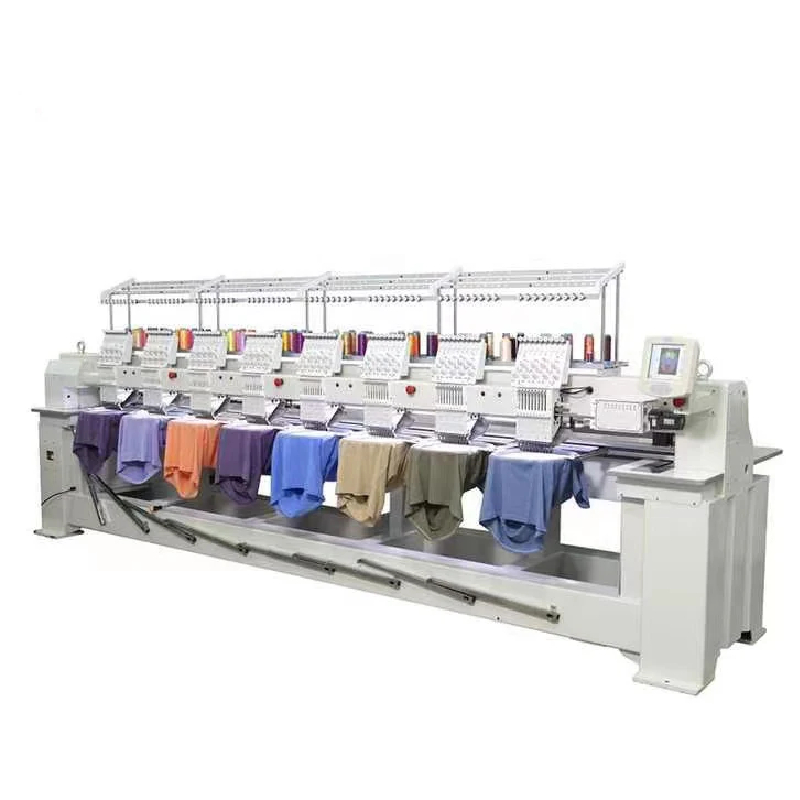
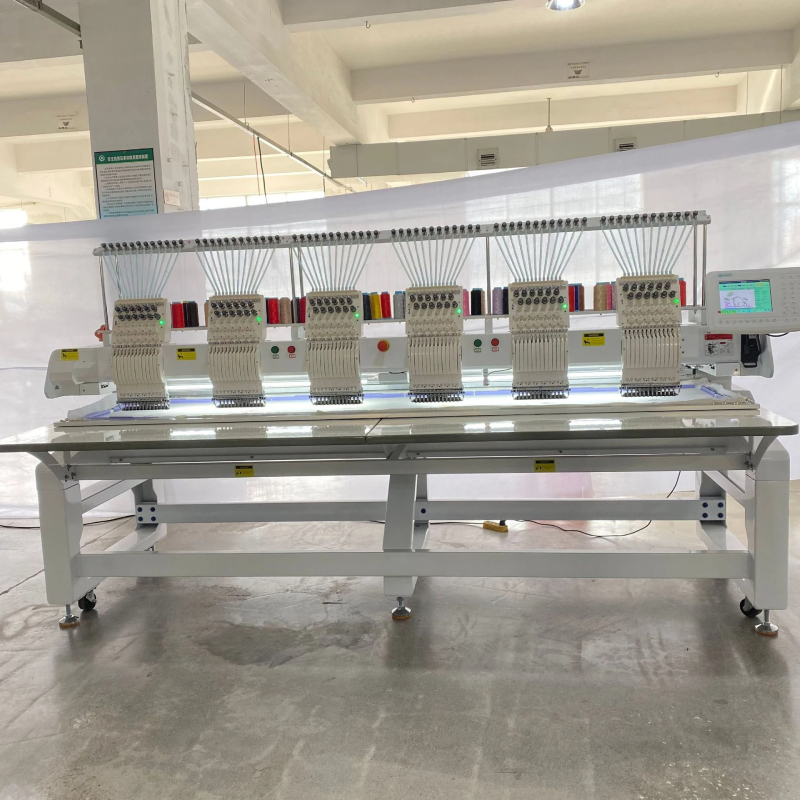
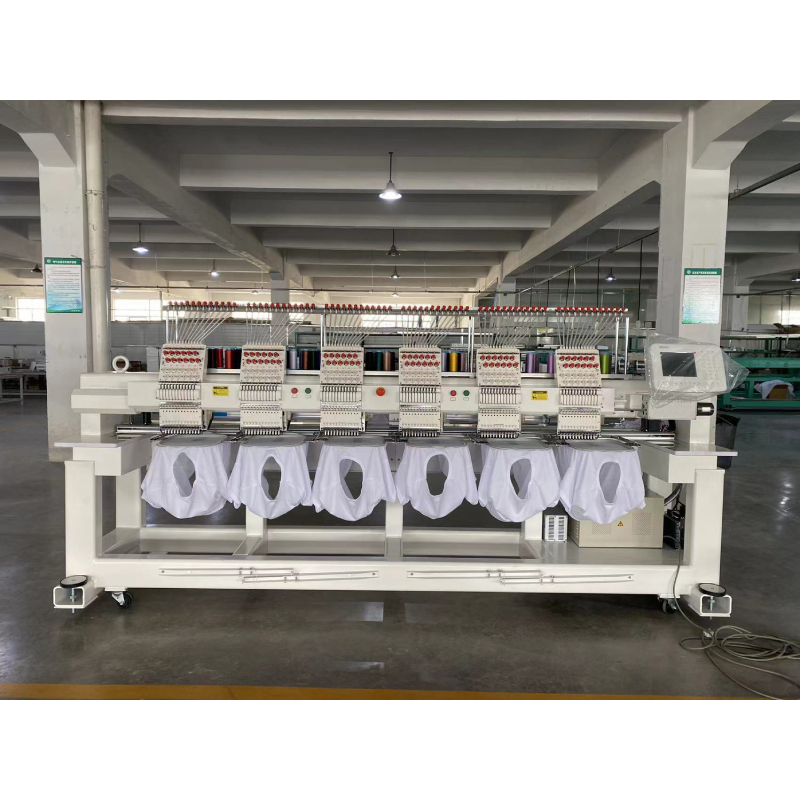
If you’ve ever stood on a production floor and listened to six needles singing in sync, you already know why a multi head embroidery machine keeps showing up in serious shops. This six-head unit handles logos, patches, and hats without blinking—well, almost. In real life, you’ll tweak tensions, swap hoops, and drink coffee between orders. That’s the job. And, to be honest, that’s the fun.
What’s trending now
Two things: on-demand micro-batches and mixed substrates. Shops are stitching short runs for DTC brands, then pivoting to caps, workwear, and team kits by noon. Speed plus changeover flexibility wins. Many customers say the cap-to-flat swap is where time is lost; surprisingly, better fixtures and digitizing hygiene fix half of it. The other half is machine stability at higher RPM.
Quick specs (real-world ready)
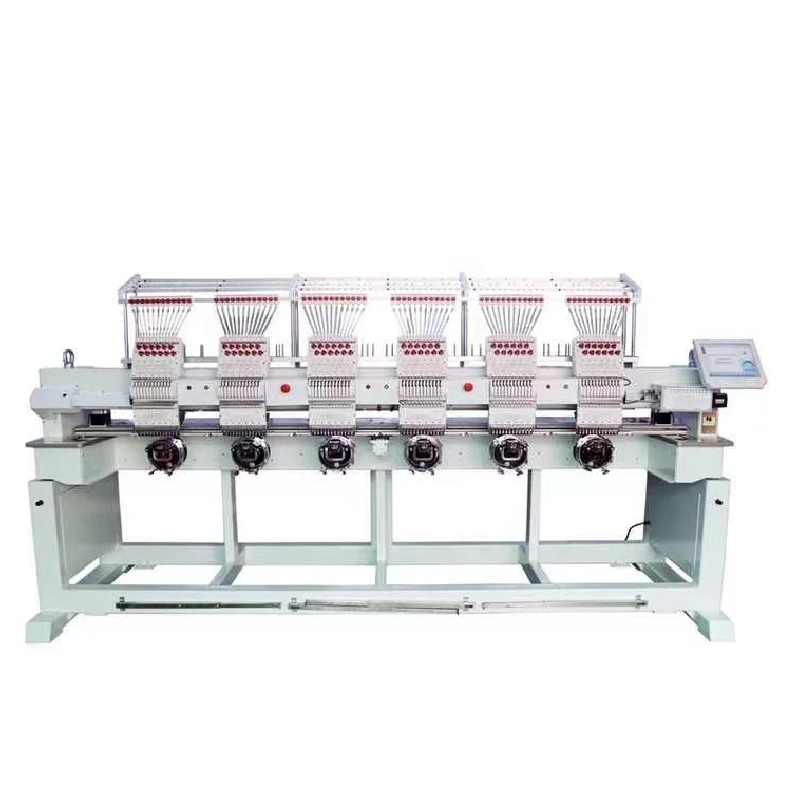
Model: High speed Multi head embroidery machine t-shirt flat hat computer embroidery machine for sale — built in Building A, Runjiang Huigu Building, Shijiazhuang City, Hebei Province. It’s a six-head platform designed for apparel, caps, patches, and home textiles.
| Heads / Needles per head | 6 heads; 9/12/15 needles (customizable) |
| Max speed (flat / cap) | ≈ 1,200 spm flat; ≈ 900 spm cap (real-world use may vary) |
| Embroidery area (per head) | ≈ 400 × 450 mm; cap frame ≈ 75 mm dia. |
| Drive / Trim | Servo drive; auto color change & trimming |
| Memory / I/O | ≥ 20M stitches; USB, LAN |
| Power / Noise | 220V single-phase; ≤ 75 dB(A) |
| Service life / Warranty | ≈ 8–10 years with maintenance / typical 12 months |
| Compliance | CE, EMC, RoHS (documentation available) |
From file to stitch: process flow
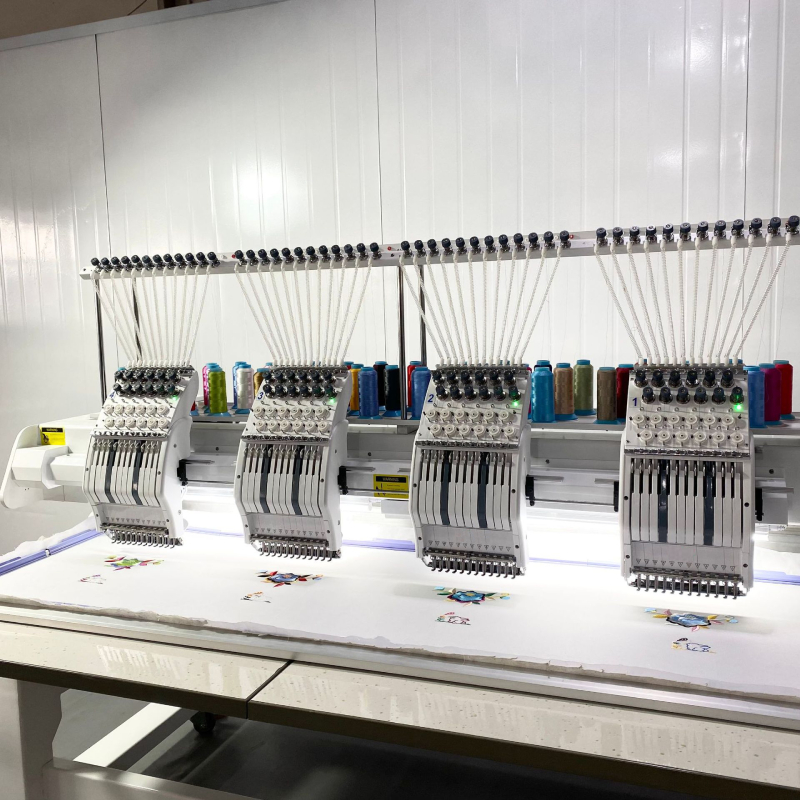
Materials: cotton tees (180–220 gsm), poly twill patches, cap blanks, blends. Threads: polyester 120D/2 or 40 wt; needles DBxK5 75/11–80/12. Methods: digitize (DST/DSB), set underlay, pull-comp, and density ≈0.38 mm; hoop with stabilizer (tear-away 1.5–2.0 oz or cut-away for stretch); upper tension ≈ 120–160 cN; bobbin ≈ 20–25 cN. Testing standards: electrical safety per IEC 60204-1/GB 5226.1; EMC per EN 55014-1; wash fastness ISO 105-C06; color rub ISO 105-X12. Typical test data: registration accuracy ±0.2 mm; 8-hour endurance at 1,000 spm with
Applications and advantages
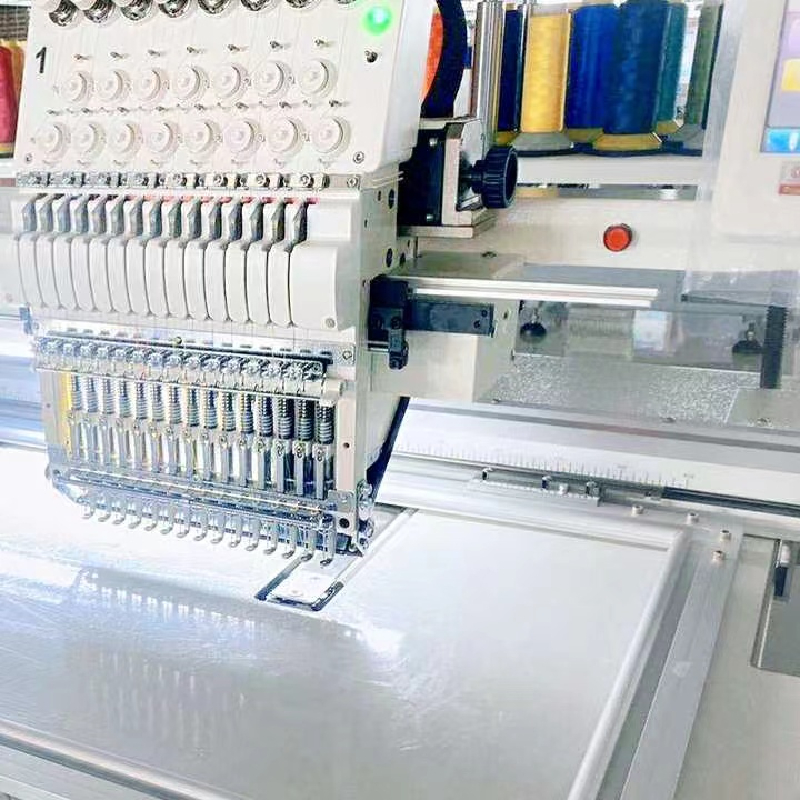
Uses: team jerseys, uniforms, promo caps, boutique tees, hotel linens, badge patches. Advantages: faster cost-per-stitch on mid-size runs, consistent color changes, and cap attachments that don’t fight you. Actually, with a multi head embroidery machine, the big win is parallelism—six logos done at once while you prep the next hoop set.
Vendor snapshot (informal, field-notes style)
| Vendor | Core strengths | Lead time | Price level | After-sales |
| XTPFSM (this model) | Strong value, flexible configs, hat/flat versatility | ≈ 20–35 days | Mid | Remote support, parts kits, onboarding |
| Tajima | Top-tier stability, deep ecosystem | Varies | High | Extensive dealer network |
| Barudan | Robust build, longevity | Varies | High | Strong training options |
Customization and field feedback
Options include sequin/cording, laser positioners, cap frames, hoops, networked job queues, and multilingual touch UI. It seems that a multi head embroidery machine earns its keep when digitizing is clean and operators get a day of hands-on training. Customer notes: “Stable at 1,000 spm on caps,” “Thread path is forgiving,” and “LAN transfer saves USB headaches.”
Mini case studies
- Local tee shop: Migrated from single-head. Lead time on 200-piece merch drops cut from 5 days to 2. Scrap reduced ≈ 1.3% after needle/tension SOPs.
- Sportswear exporter: Cap lines at 850–900 spm with weekly maintenance; ISO 105-C06 wash tests passed on poly threads across 30-cycle runs.
Standards, safety, and care
Electrical compliance is critical (IEC 60204-1/GB 5226.1; EMC EN 55014-1). Use guarded pinch points, lockout during service, and documented oiling intervals. With preventive maintenance, service life lands near a decade. I guess that’s the difference between a machine that “runs” and one that prints money.
Authoritative citations
- IEC 60204-1: Safety of machinery – Electrical equipment of machines.
- EN 55014-1: Electromagnetic compatibility for household and similar apparatus.
- ISO 105-C06: Textiles — Tests for colour fastness — Part C06: Colour fastness to domestic laundering.
- ISO 105-X12: Textiles — Colour fastness to rubbing.
Latest news
-
Embroidery Machine Professional Manufacturers: Global Insights, Innovations, and Industry Trends
NewsDec.03,2025
-
Understanding Embroidery Machine Professional Factories: Global Insights & Innovations
NewsDec.03,2025
-
How to Choose a Top Embroidery Machine Professional Supplier for Reliable Textile Production
NewsDec.03,2025
-
Choosing the Best Embroidery Machine for T-Shirt Factories: Boost Efficiency & Quality Globally
NewsDec.02,2025
-
Embroidery Machine for T-Shirt Suppliers: Choosing the Best Equipment Globally
NewsDec.02,2025
-
Comprehensive Guide to Embroidery Machine for T-Shirt Service: Global Trends & Insights
NewsDec.02,2025

Copyright © 2026 Xingtai Pufa Trading Co., Ltd All Rights Reserved. Sitemap | Privacy Policy | Top Blog | Global Service