
Oct . 01, 2025 12:00 Back to list
Why Choose an Automatic Embroidery Machine with 15 Needles?
Inside the 2‑Head, 15‑Needle Era: What’s Changing in Automatic Embroidery
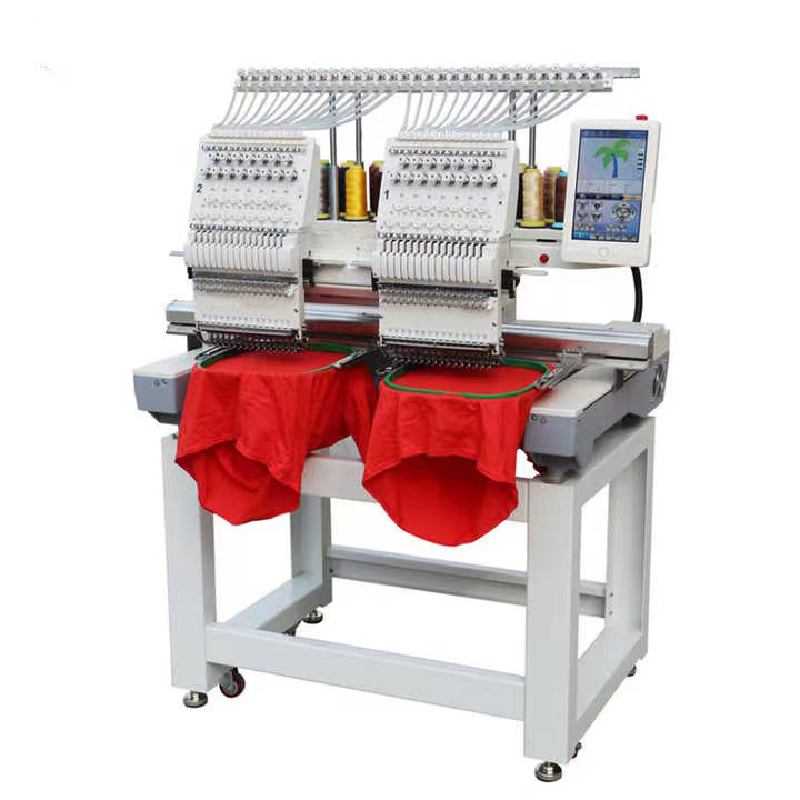
If you work with decorated apparel, you’ve felt the shift: tighter lead times, smaller runs, big expectations. That’s where an automatic embroidery machine with dual heads quietly pays for itself. The “Latest Popular 2 Heads 15 Needles” platform coming out of Building A, Runjiang Huigu Building, Shijiazhuang City, Hebei Province has been popping up in small factories and boutique shops alike. To be honest, I was skeptical—until I watched it run caps, towels, and a tricky puff logo without a fuss.
Industry trends I’m seeing
- Short-run personalization is exploding (names, numbers, micro-brands).
- More multi-material jobs: caps one minute, plush towels the next.
- Operators expect touchscreen UIs, auto-trim, and near plug‑and‑play workflows.
- Compliance and traceability (CE, RoHS, ISO-aligned testing) now factor into purchasing.
Key specs at a glance
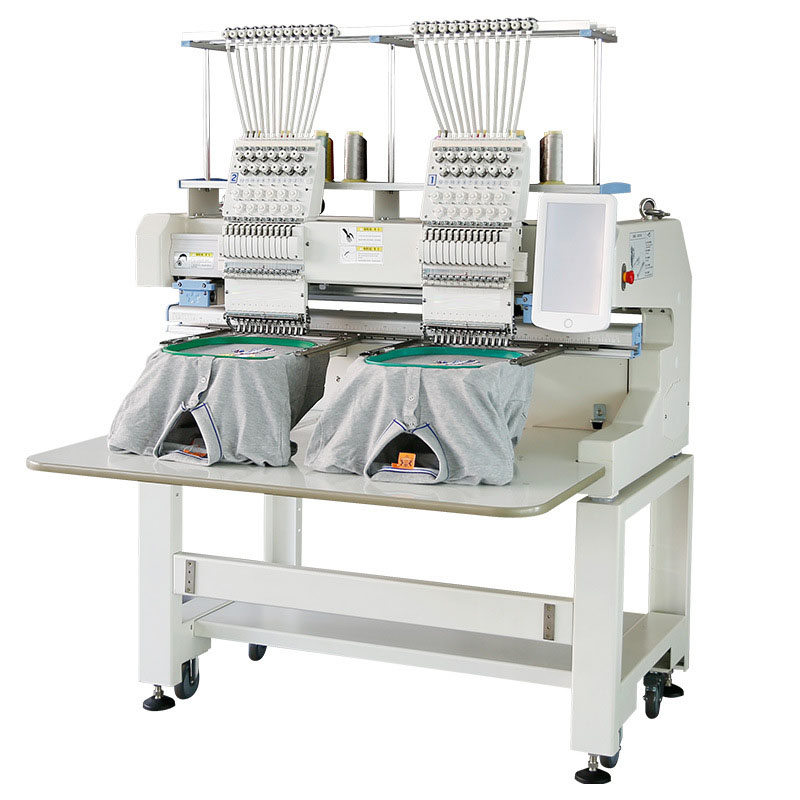
Model: “Latest Popular 2 Heads 15 Needles” for garments, caps, bags, towels, pillows—pretty much the usual suspects. Below are the working specs I’ve gathered (real-world use may vary a bit, as always).
| Heads / Needles | 2 heads × 15 needles |
| Max speed | ≈ 1,200 spm (typical production 850–1,000 spm) |
| Embroidery area | ≈ 400 × 450 mm per head (flat); cap frame 270° |
| Drives & control | Computerized, color LCD, USB/LAN input |
| Formats | DST, DSB, U01 (common formats) |
| Auto features | Auto color change, auto trim, thread break detection |
| Power | 110/220 V, 50/60 Hz; ≈ 500–800 W |
| Noise | ≈ 70–78 dB(A) at 1 m |
Process flow, materials, and testing
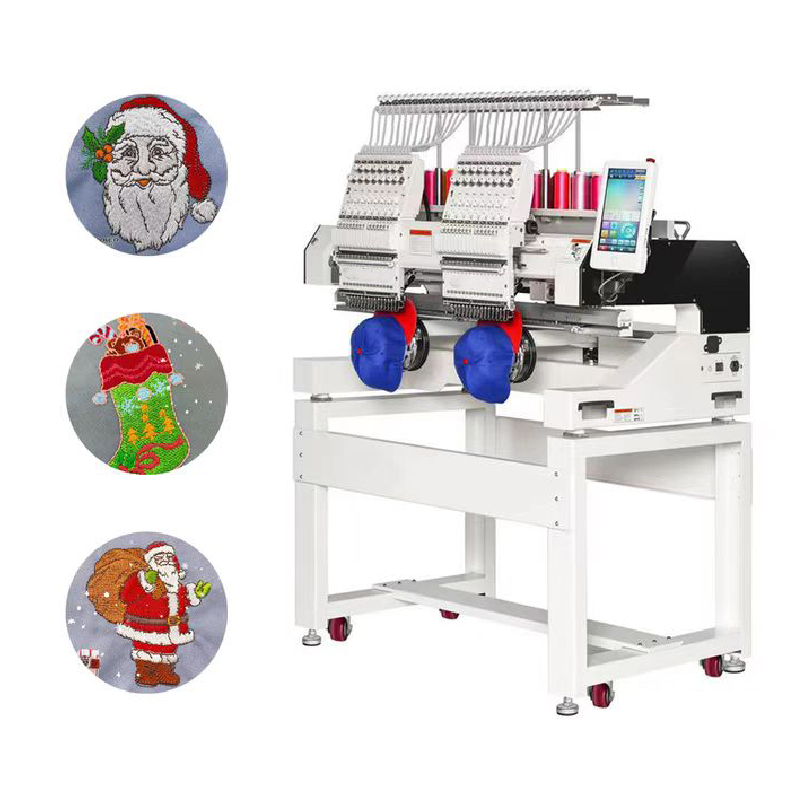
Typical flow: digitize (pull compensation, density ≈0.35–0.45 mm), hoop with stabilizer (tear-away 1.5–2 oz for caps; cut-away for knits), run test sew-out, then bulk run. Threads: 120D/2 polyester or rayon; needles: 75/11 or 80/12 for most garments; 90/14 for heavy twill. For quality control, I recommend ISO 105-C06 wash fastness and ISO 105-X12 rub fastness checks; tensile hold on seams can reference ASTM D5034 if garments will see stress. Service life? With sane maintenance (oil points, belt tension, lint control), these units often run 5–8 years in daily production.
Where it fits
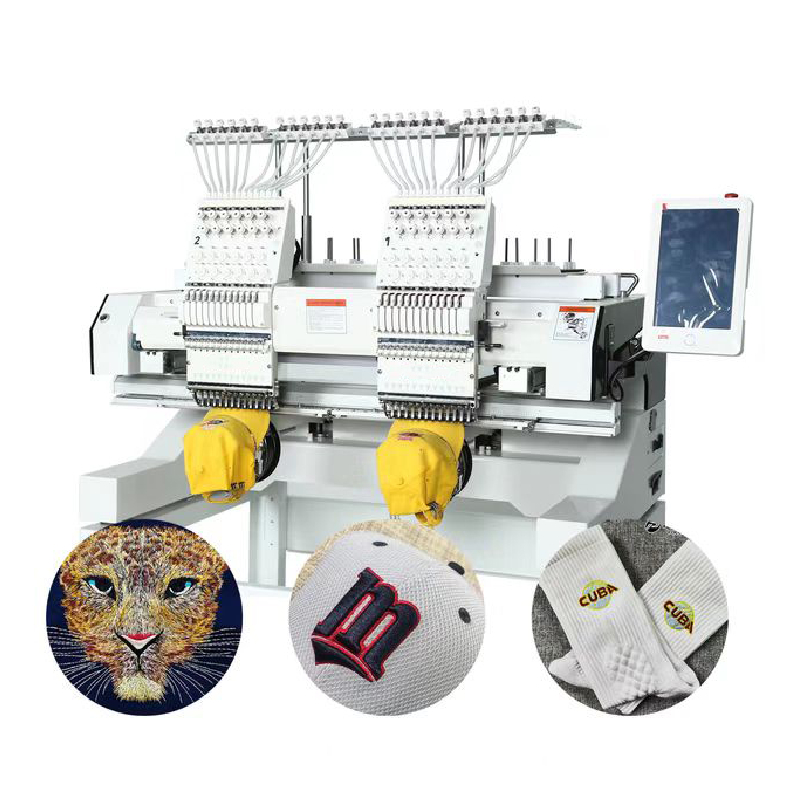
- Apparel decorators doing caps, polos, jackets, and teamwear. - Hospitality/linens (towels, pillowcases) needing durable, colorfast branding. - Accessories—bags, aprons, small promotional gifts. Many customers say the two-head layout is a sweet spot: double throughput without the footprint shock of a six-head.
Advantages I noticed: stable registration on hats, forgiving tension control, and less rethreading pain than older rigs. This automatic embroidery machine didn’t balk at mixed batches, which—let’s be honest—are the norm now.
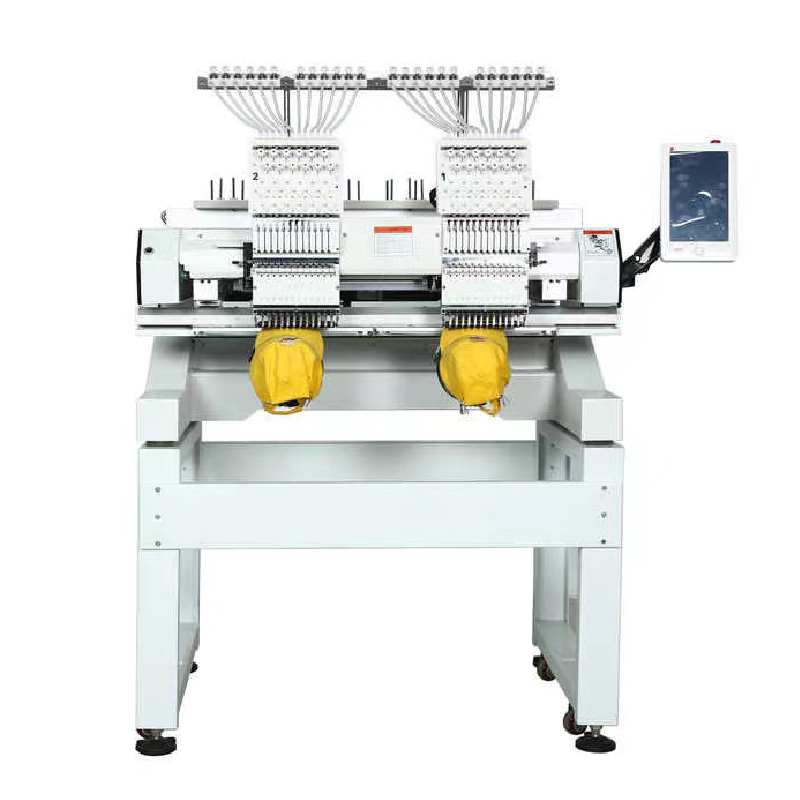
Vendor snapshot (rough, for buyers doing homework)
| Vendor / Model | Heads×Needles | Max Speed | Area (approx) | Price Band | Notes |
| This model (Hebei) | 2×15 | ≈1,200 spm | ≈400×450 mm | Mid | Good cap driver; value build; CE-ready options |
| Tajima TFMX-II C1502 | 2×15 | ≈1,200 spm | ≈360×500 mm | High | Premium ecosystem; higher initial cost |
| Ricoma MT-1502 | 2×15 | ≈1,200 spm | ≈400×450 mm | Mid–High | Training/support focus; strong cap kits |
Data is indicative; always confirm current specs and certifications before purchasing.
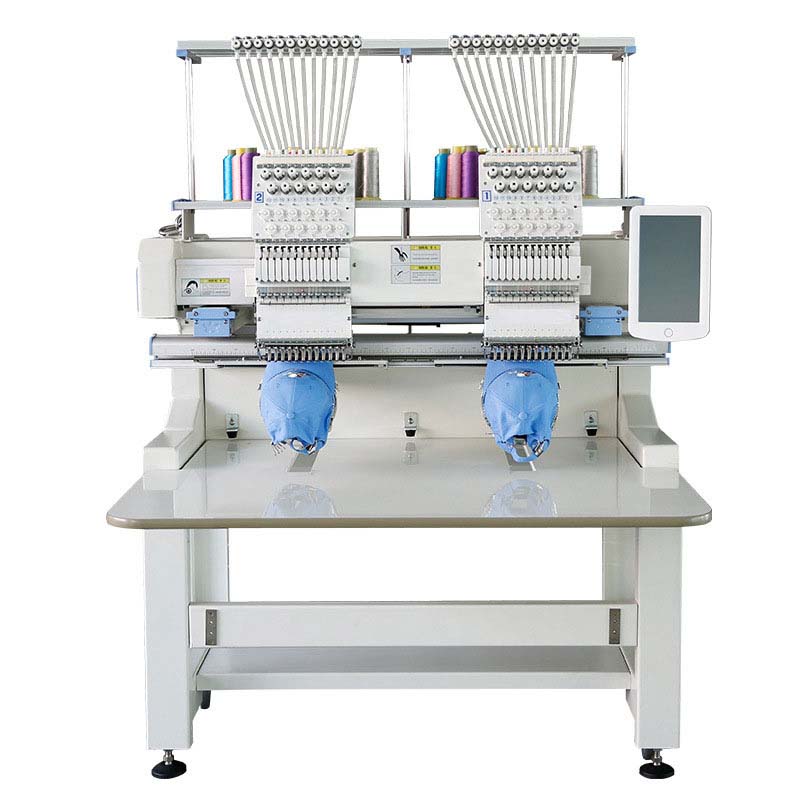
Customization, real cases, and compliance
Customization options include hoops for flats/caps, laser pointer, and stand choices. One small sportswear shop ran 300 caps/day with this automatic embroidery machine, reporting a 12% scrap reduction after moving to poly thread and adjusting density. A hotel client switched to cut-away backing for plush towels; rub-fastness improved (ISO 105-X12) and fuzz snagging dropped noticeably.
Certifications: look for CE conformity (Machinery Directive 2006/42/EC), electrical safety per EN 60204-1, and RoHS on electronics. Threads/stabilizers that meet OEKO‑TEX Standard 100 help with corporate buyers’ sustainability paperwork. It seems that procurement teams increasingly ask for test reports up front.
Citations
- ISO 105-C06: Textiles—Tests for colour fastness to domestic and commercial laundering.
- ISO 105-X12: Textiles—Colour fastness to rubbing.
- EN 60204‑1: Safety of machinery—Electrical equipment of machines.
- EU Machinery Directive 2006/42/EC; OEKO‑TEX Standard 100 (oeko-tex.com).
Latest news
-
Embroidery Machine Professional Manufacturers: Global Insights, Innovations, and Industry Trends
NewsDec.03,2025
-
Understanding Embroidery Machine Professional Factories: Global Insights & Innovations
NewsDec.03,2025
-
How to Choose a Top Embroidery Machine Professional Supplier for Reliable Textile Production
NewsDec.03,2025
-
Choosing the Best Embroidery Machine for T-Shirt Factories: Boost Efficiency & Quality Globally
NewsDec.02,2025
-
Embroidery Machine for T-Shirt Suppliers: Choosing the Best Equipment Globally
NewsDec.02,2025
-
Comprehensive Guide to Embroidery Machine for T-Shirt Service: Global Trends & Insights
NewsDec.02,2025

Copyright © 2026 Xingtai Pufa Trading Co., Ltd All Rights Reserved. Sitemap | Privacy Policy | Top Blog | Global Service