
Oct . 27, 2025 12:30 Back to list
6 Head Embroidery Machine - High-Speed, Computerized
Field Notes on a 6-Head Workhorse: Real-World Take on a Refurbished Embroidery Line
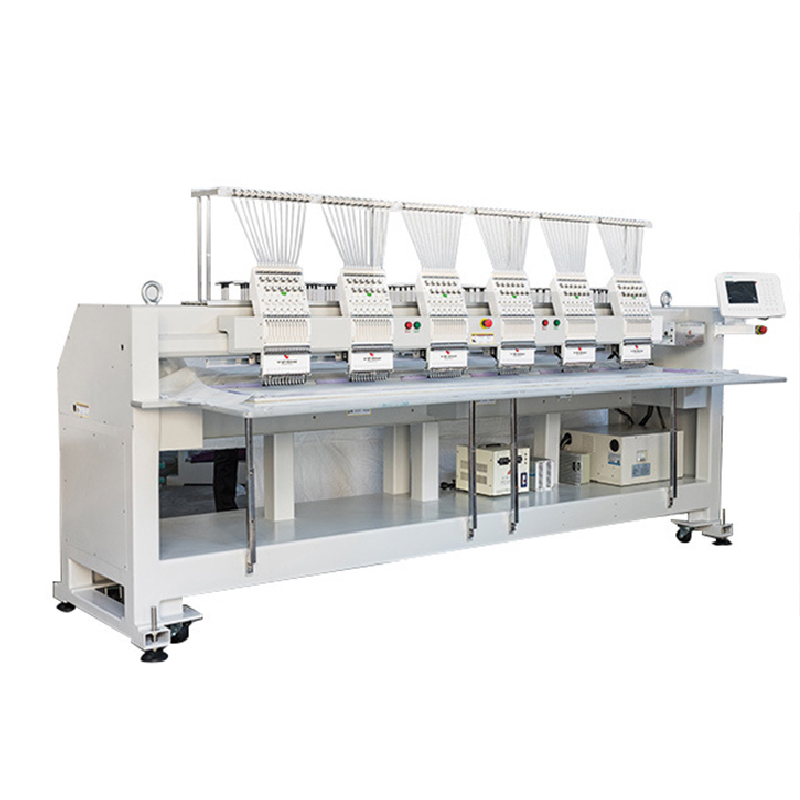
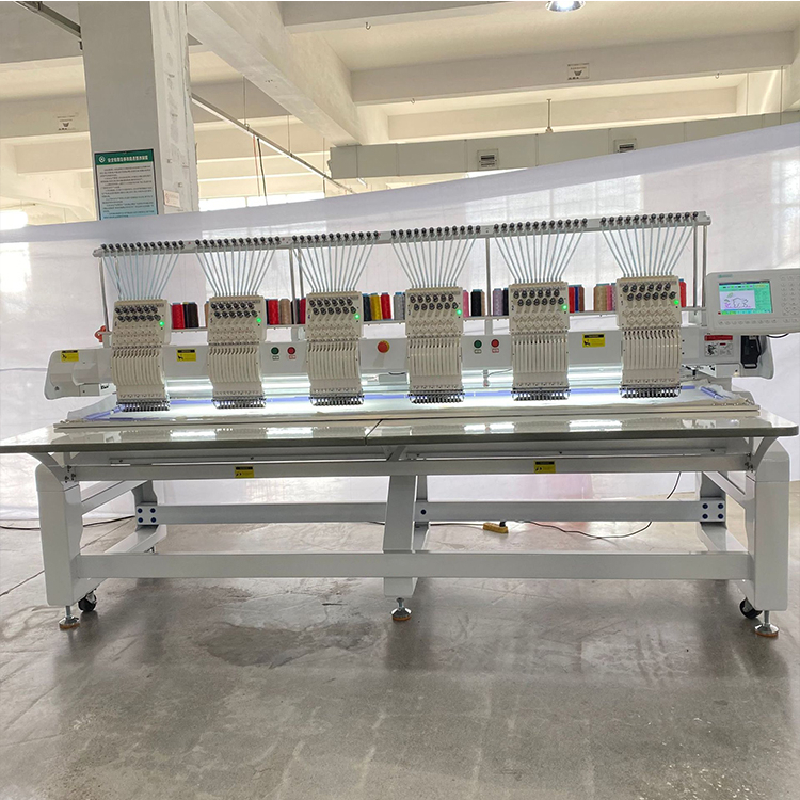
If you're weighing up a 6 Head Embroidery Machine for scaling production without torching the budget, this model—Hot sale 9 Needle 6 Head Normal Speed Refurbished Embroidery Machine—deserves a closer look. Built out of Building A, Runjiang Huigu Building, Shijiazhuang City, Hebei Province, it’s the type of unit many small-to-mid shops graduate to when single-heads start bottlenecking. In fact, refurbished has quietly become a thing; sustainability plus lower capex is a pragmatic combo.
Industry trends I’m seeing
- Multi-head consolidation: 4–8 head lines replacing fleets of single-heads.
- Refurb resurgence: faster lead times, ≈40–60% of new-machine price, greener footprint.
- Digitizing-first workflow: better stitch efficiency, fewer thread breaks.
- Operator-light setups: thread-break sensors, auto-trim, LED lighting, networked job queues.
Core specifications (real-world friendly)
| Parameter | Spec (≈, real use may vary) |
|---|---|
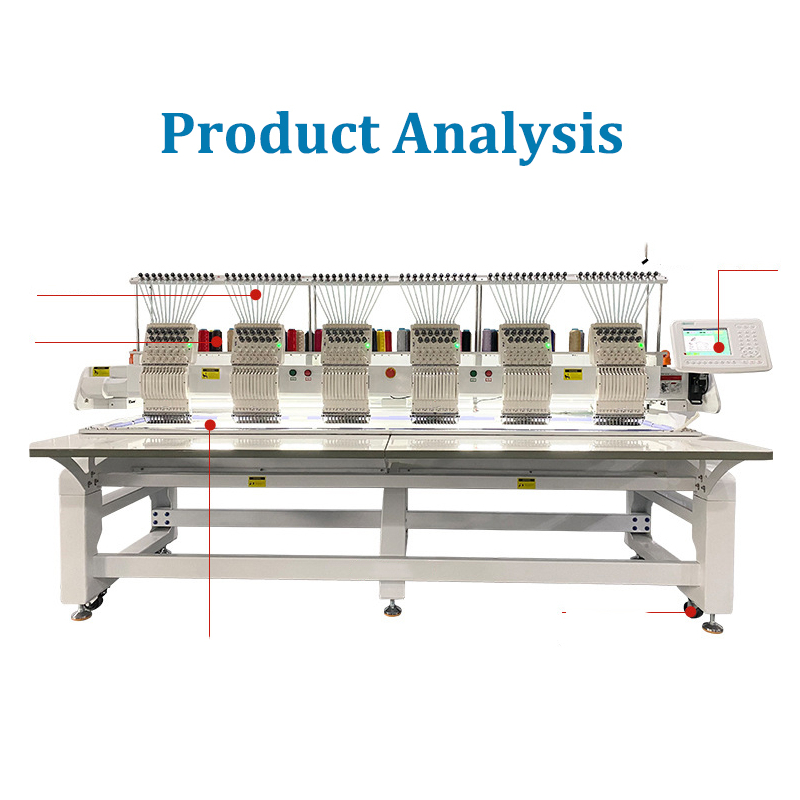
| Heads / Needles | 6 heads / 9 needles per head |
| Max speed | ≈800–1000 spm (normal speed class) |
| Embroidery area | around 400×450 mm/head (flats); cap driver optional |
| Control & memory | Color LCD; USB; internal memory ≈2–10M stitches |
| Drive & power | Servo drive; 220V, 50/60Hz, ≈1.5–2.0 kW |
| Noise level | ≈75–80 dB under load |
| Footprint / weight | ≈3.2×1.2 m; ≈900–1100 kg |
How shops run it (materials → QC)
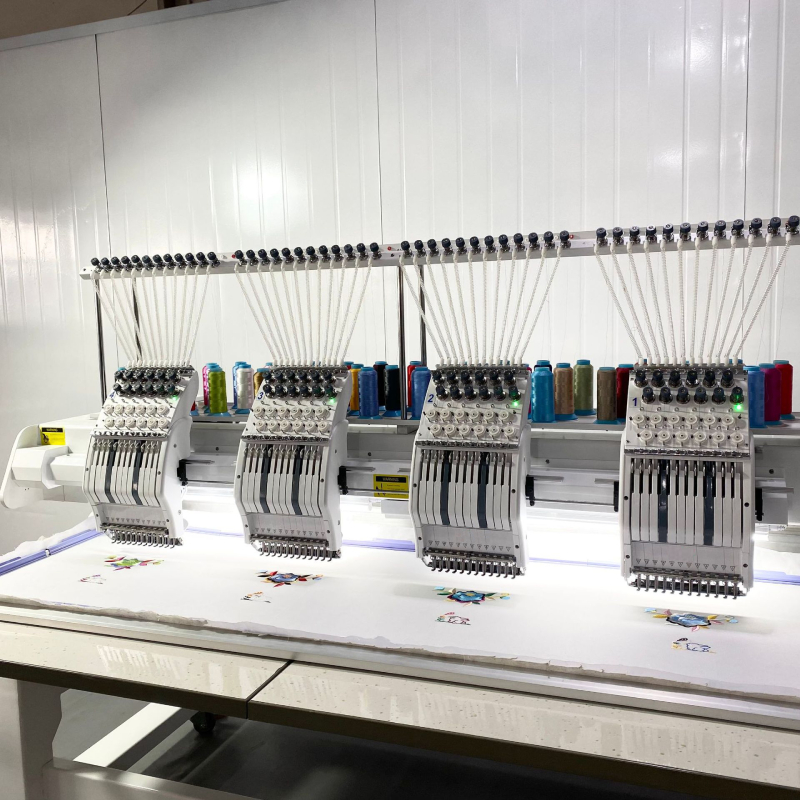
Materials: 120D/2 polyester or rayon thread; 75/11–80/12 DBxK5 needles; polyester bobbins; cut-away or tear-away stabilizers. Methods: digitize (density 0.35–0.45 mm), hoop, tension set (upper ≈100–120 cN), sample stitch-out, then bulk run. Testing: colorfastness ISO 105-C06/AATCC 61; seam security and pull tests; abrasion checks (ISO 12947) for workwear. Service life: with quarterly maintenance (oiling, belt and hook timing), expect ≈5–8 years in daily production; many customers say 10 years isn’t unusual if treated kindly.
Where it excels
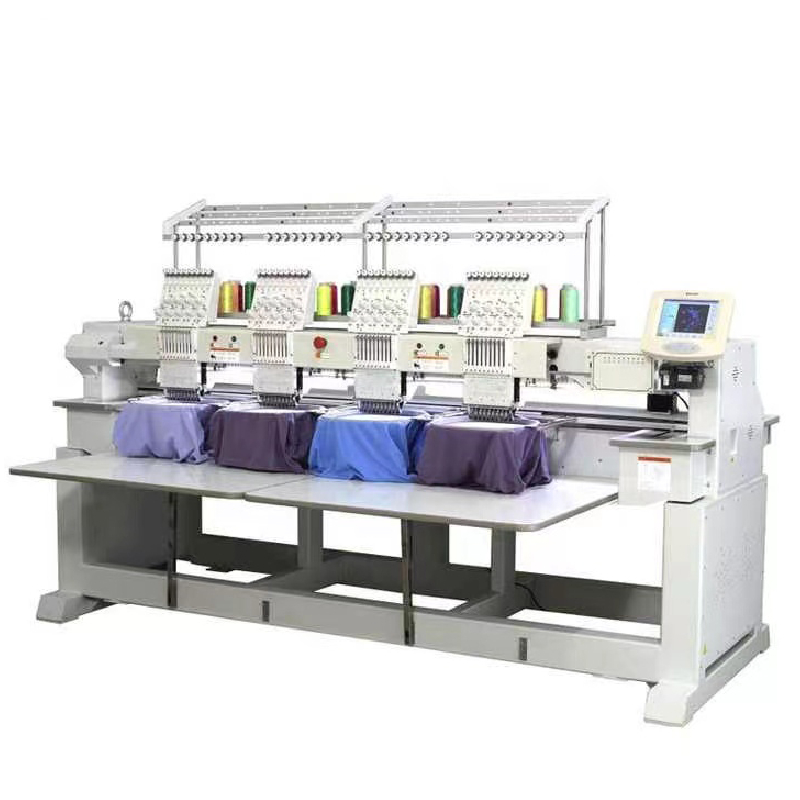
- Uniforms, polos, team kits, tote bags, patches; caps with optional driver.
- Runs of 50–500 pieces—sweet spot for balancing setup vs output.
- Logo programs needing repeatable color and tight satin columns.
Advantages: consistent registration across heads, faster ROI than a new flagship, and frankly, less drama than juggling six singles. Many operators like the straightforward interface—nothing too cute, which is good under deadline.
Vendor/route comparison
| Option | Warranty & service | Price (≈) | Lead time | Certs |
|---|---|---|---|---|
| XTP refurbished 6-head | 6–12 mo; parts + remote support | ≈40–60% of new | 2–6 weeks | CE, RoHS (verify batch) |
| New premium brand | 12–24 mo; on-site + training | 100% baseline | 6–12 weeks | CE, UL/CSA |
| Used auction import | As-is | ≈20–40% of new | Variable | Mixed/unknown |
Customization and options
Add-ons I’d consider: cap driver + frames, laser crosshair, Wi‑Fi job transfer, extended hoops for jacket backs, thread-break sensors (if not standard), extra bobbin cases, and local-language UI. Stitch data logs are handy for training and spotting tension drift.
Field results and feedback
- Sportswear shop, 6 months in: output up ≈3.2× vs single-head fleet; average speed used 700–800 spm for clean satins; thread-break rate ≈1 per 12–15k stitches after tuning.
- Promotions house: cap logos at 650 spm; reject rate fell from 4.1% to 1.6% after switching to heavier cut-away on performance knits.
Certifications cited on recent lots: CE compliance, RoHS for electronics, factory QA aligned with ISO 9001 (documentation available on request). Always ask for the batch paperwork—simple but important.
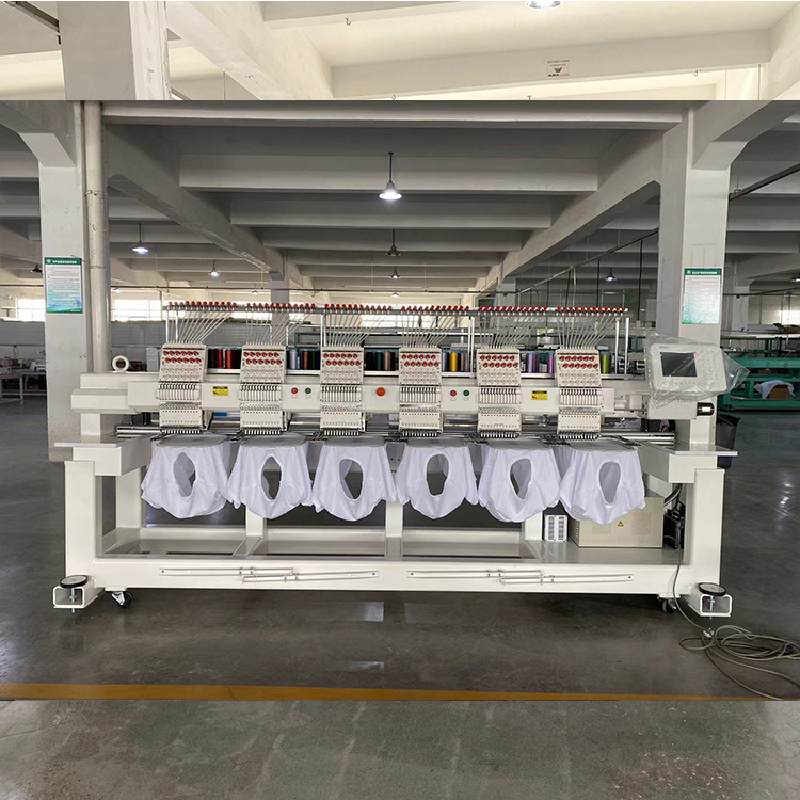
Bottom line: if you need multi-head throughput without the sticker shock, a refurbished 6 Head Embroidery Machine like this one is a very sane move. Pair it with disciplined digitizing and stabilizer choice, and you’ll get clean edges, stable fills, and frankly, happier deadlines.
References
- AATCC 61: Colorfastness to Laundering, Accelerated – Method guidance and performance levels. https://www.aatcc.org/
- ISO 105-C06: Textiles — Tests for colour fastness — Part C06. https://www.iso.org/standard/40662.html
- ISO 12947 (Martindale): Determination of abrasion resistance of fabrics. https://www.iso.org/standard/55864.html
- EU CE marking requirements for machinery (2006/42/EC). https://ec.europa.eu/growth/single-market/ce-marking/
Latest news
-
Embroidery Machine Professional Manufacturers: Global Insights, Innovations, and Industry Trends
NewsDec.03,2025
-
Understanding Embroidery Machine Professional Factories: Global Insights & Innovations
NewsDec.03,2025
-
How to Choose a Top Embroidery Machine Professional Supplier for Reliable Textile Production
NewsDec.03,2025
-
Choosing the Best Embroidery Machine for T-Shirt Factories: Boost Efficiency & Quality Globally
NewsDec.02,2025
-
Embroidery Machine for T-Shirt Suppliers: Choosing the Best Equipment Globally
NewsDec.02,2025
-
Comprehensive Guide to Embroidery Machine for T-Shirt Service: Global Trends & Insights
NewsDec.02,2025

Copyright © 2026 Xingtai Pufa Trading Co., Ltd All Rights Reserved. Sitemap | Privacy Policy | Top Blog | Global Service