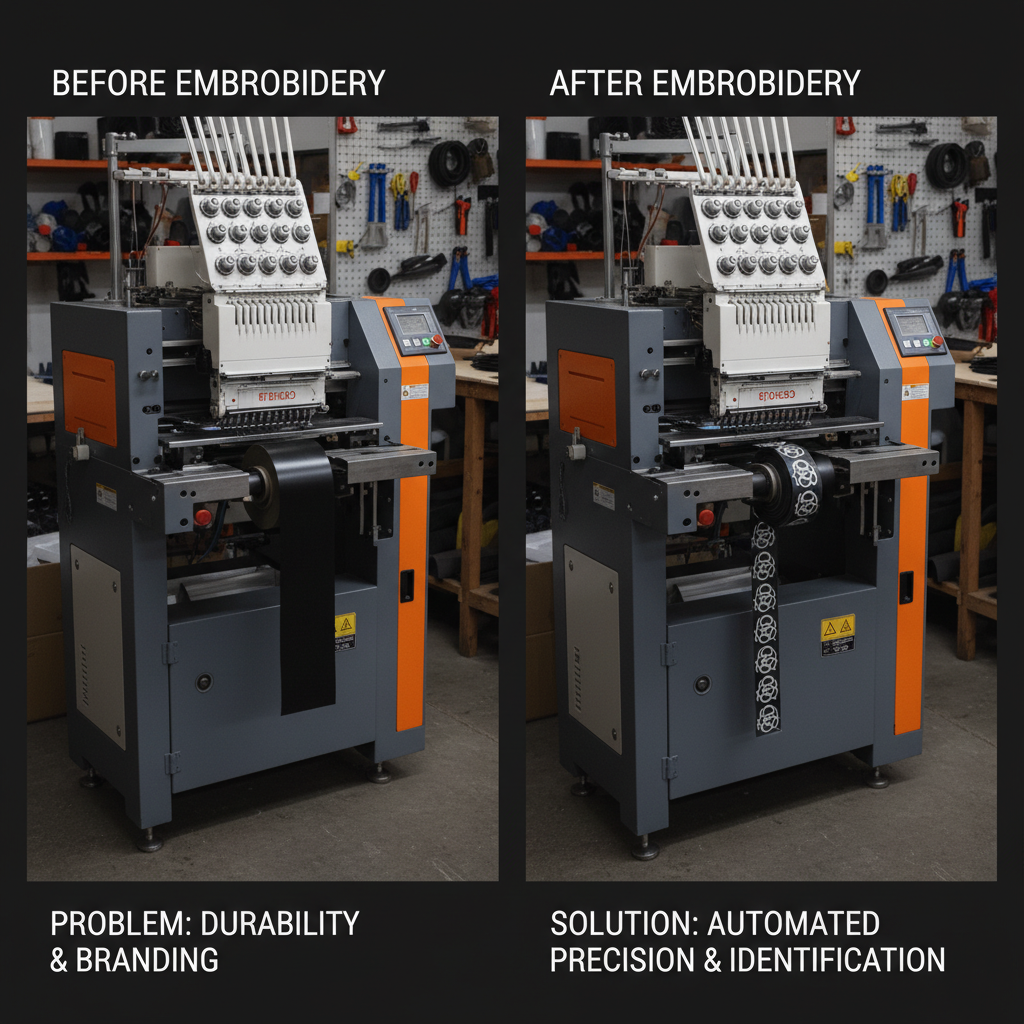
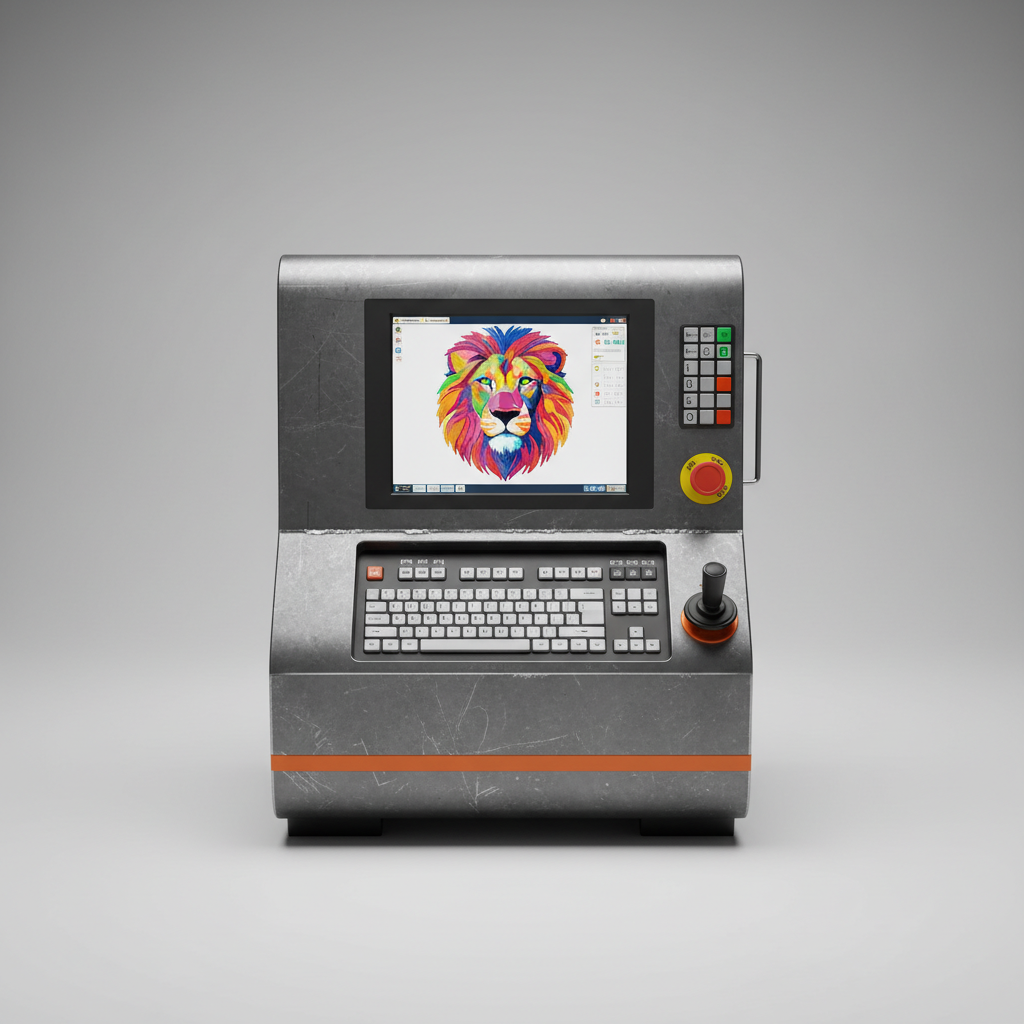
The 12 needle embroidery machine represents a significant advancement in automated textile production, offering increased efficiency and precision over traditional methods. Globally, the demand for embroidered goods – ranging from apparel and home textiles to industrial applications – continues to rise, driving the need for robust and versatile embroidery solutions. The 12 needle embroidery machine addresses this demand by enabling faster turnaround times, complex design capabilities, and reduced labor costs, making it a cornerstone of modern textile manufacturing.
The relevance of the 12 needle embroidery machine extends beyond mere production speed. It plays a critical role in supporting diverse industries, including fashion, advertising (branded merchandise), and even specialized sectors like medical textiles. According to recent reports, the global embroidery machines market is projected to reach significant growth in the coming years, fueled by increasing disposable incomes and the desire for personalized products. Understanding the capabilities and applications of the 12 needle embroidery machine is therefore crucial for businesses looking to capitalize on these trends.
This technology addresses challenges such as meeting tight deadlines, achieving intricate designs, and maintaining consistent quality in high-volume production. Furthermore, it fosters innovation in textile artistry, enabling the creation of complex and visually stunning embroidered pieces that were previously difficult or impossible to achieve. The 12 needle embroidery machine isn’t just a machine; it’s a facilitator of creativity and efficiency in the textile industry.
The Core Principles of 12 needle embroidery machine
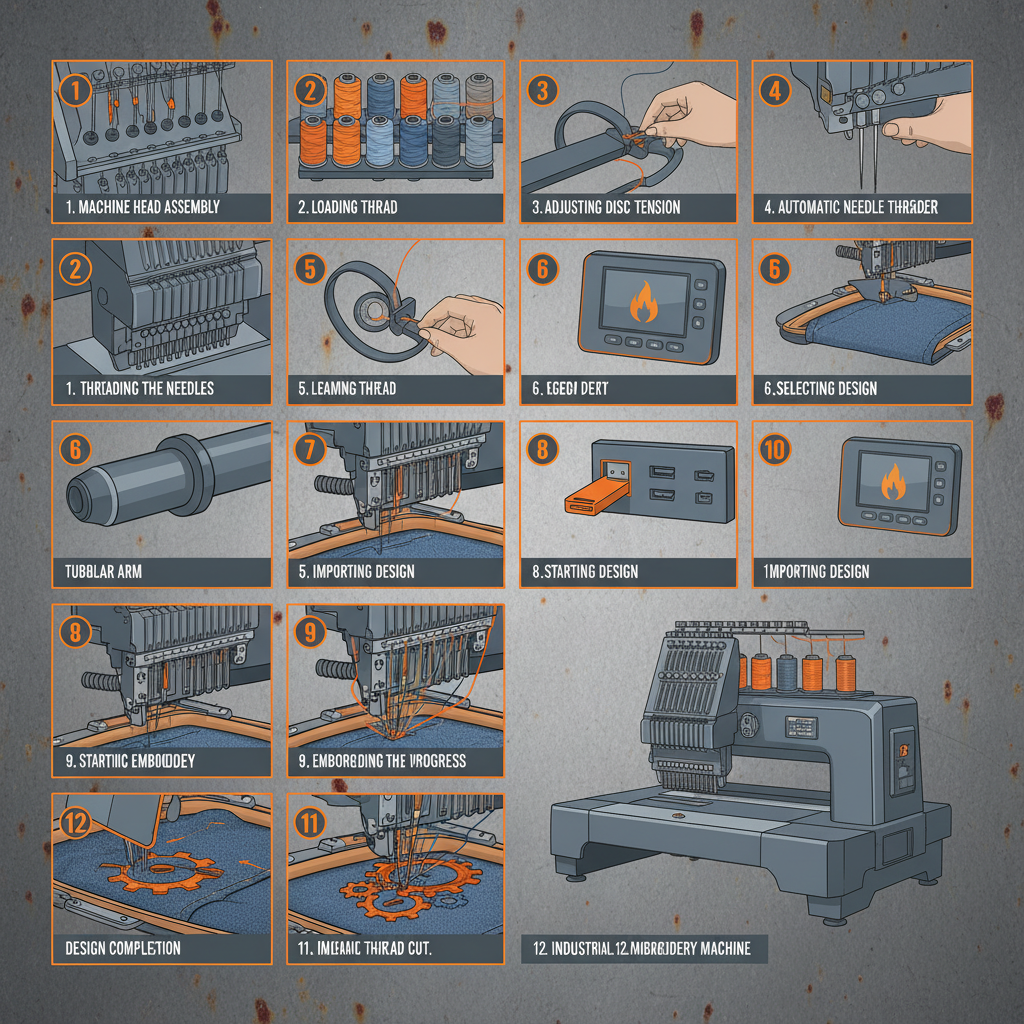
At its core, a 12 needle embroidery machine operates on the principle of automating the process of decorating fabric with needle and thread. Unlike manual embroidery which is labor intensive, the 12 needle machine utilizes computer-controlled mechanisms to precisely position multiple needles and create intricate designs. This automation drastically reduces production time and allows for consistent, high-quality results. 12 needle embroidery machine designs are input digitally, translated into machine-readable instructions, and executed with remarkable accuracy.
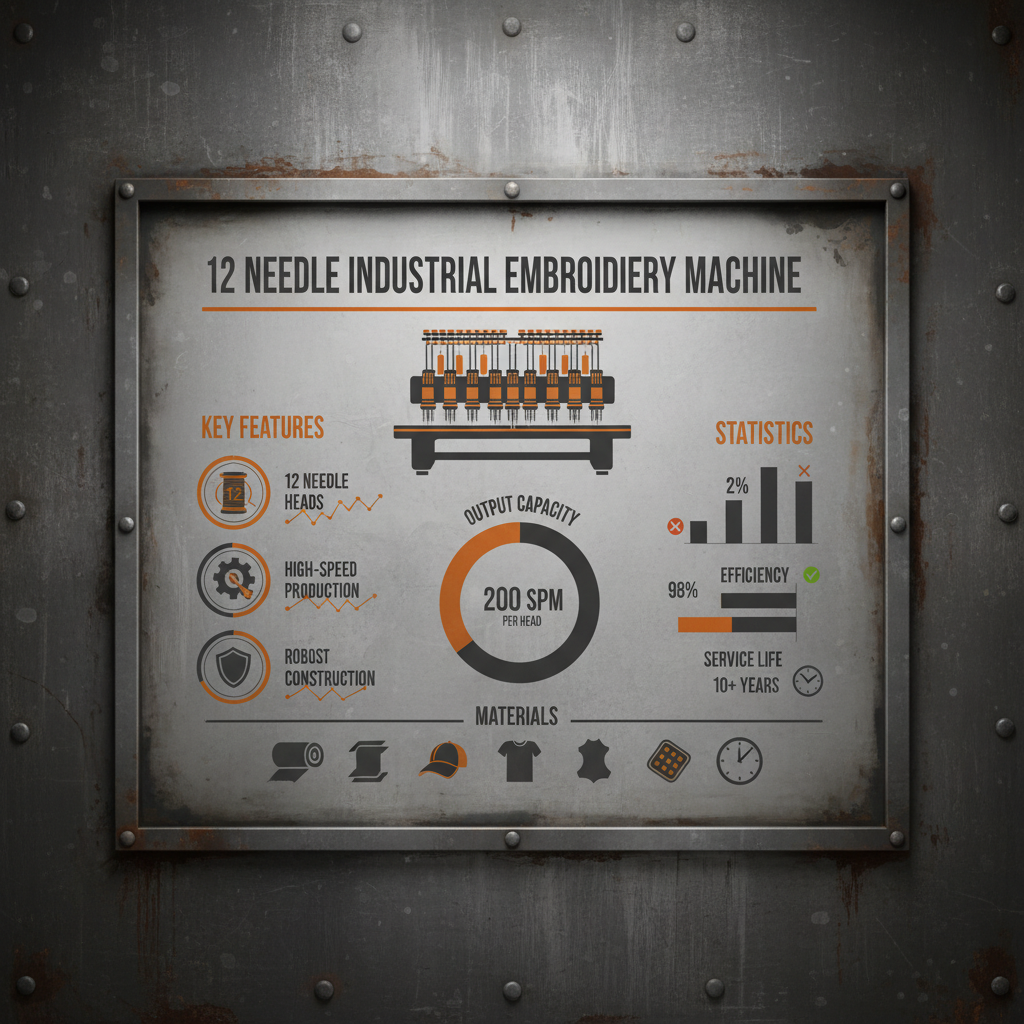
The '12 needle' designation refers to the number of independent embroidery heads the machine possesses. Each head can operate simultaneously, stitching different colors or elements of a design. This multi-needle capability allows for complex designs with numerous color changes to be executed efficiently, further enhancing productivity. The simultaneous operation of these heads dramatically speeds up the overall embroidery process compared to single-needle machines.
Historical Development of 12 needle embroidery machine
The evolution of the 12 needle embroidery machine is rooted in the centuries-old art of hand embroidery. Early attempts at mechanizing embroidery began in the 19th century with the invention of chain-stitch machines. However, it wasn't until the advent of computer technology in the late 20th century that truly versatile and automated embroidery machines became a reality. The introduction of computer-controlled embroidery machines marked a significant turning point, allowing for programmable designs and greater precision.
The development of multi-needle machines, like the 12 needle embroidery machine, represented the next logical step in automation. These machines allowed for the simultaneous stitching of multiple colors and increased production capacity. Over the years, advancements in software, mechanics, and materials have led to increasingly sophisticated machines capable of handling a wider range of fabrics and designs.
Initially, these machines were costly and complex, accessible only to large-scale manufacturers. However, with ongoing innovation and increased competition, the price point has become more accessible, enabling smaller businesses and even home-based entrepreneurs to utilize this powerful technology.
The Technological Foundation of 12 needle embroidery machine
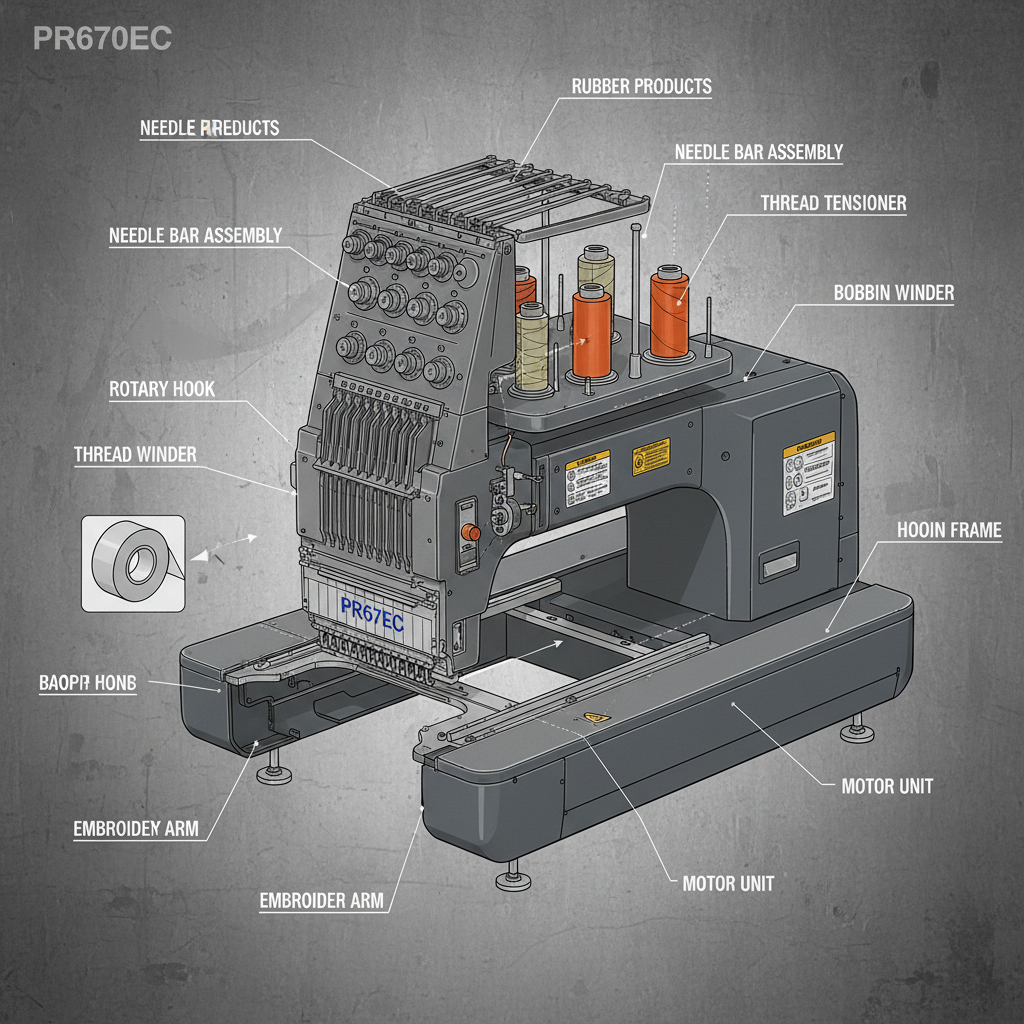
The 12 needle embroidery machine relies on a complex interplay of mechanical, electrical, and software components. At the heart of the machine lies a sophisticated control system that translates digital designs into precise movements of the embroidery heads. These heads are driven by stepper motors, which provide accurate positioning and control of the needles. The frame of the machine is constructed with robust materials to ensure stability and minimize vibration during operation.
Software plays a crucial role, allowing users to create, edit, and import designs. These designs are then converted into machine code, which instructs the machine on where to stitch, what color to use, and at what speed. Modern software often includes features such as automatic design generation, color sorting, and compatibility with various file formats. Precise thread tensioning systems and lubrication mechanisms are also vital components, ensuring smooth and reliable operation.
Furthermore, the 12 needle embroidery machine incorporates sensors and feedback loops to monitor and adjust stitching parameters in real-time. This helps to maintain consistent quality and prevent errors. Advanced models may even include features such as automatic thread trimming and breakage detection. 12 needle embroidery machine consistently improves on these technological components.
Performance Metrics of 12 needle embroidery machine
Evaluating the performance of a 12 needle embroidery machine involves considering several key metrics. Stitch speed, measured in stitches per minute (SPM), is a primary indicator of productivity. However, speed must be balanced with quality. Another important metric is the maximum embroidery area, which determines the size of designs the machine can handle.
The complexity of designs that the machine can reliably execute is also a crucial performance indicator. Machines with advanced software and precise mechanics can handle intricate patterns and fine details more effectively. Furthermore, the range of compatible fabrics – from lightweight silks to heavy denim – impacts the machine’s versatility.
12 needle embroidery machine Performance Comparison
Global Implementation of 12 needle embroidery machine
The 12 needle embroidery machine has found widespread adoption across the globe, serving a diverse range of industries. In countries like China, India, and Bangladesh, where textile manufacturing is a major economic driver, these machines are prevalent in large-scale production facilities. These facilities leverage the speed and efficiency of the machine to meet the demands of international markets.
In developed nations such as the United States and Germany, 12 needle embroidery machines are commonly used by smaller businesses specializing in customized apparel, promotional items, and bespoke embroidery services. The machine allows these businesses to offer high-quality, personalized products with relatively low overhead.
Economic Impact of 12 needle embroidery machine
The 12 needle embroidery machine has a significant economic impact, extending beyond the textile industry itself. By increasing production efficiency, these machines contribute to lower manufacturing costs, making embroidered goods more accessible to consumers. This affordability fuels demand and stimulates economic growth.
The machines also create employment opportunities, both directly in manufacturing facilities and indirectly in supporting industries such as design, software development, and maintenance. Moreover, the ability to produce customized and branded goods opens up new revenue streams for businesses, fostering innovation and entrepreneurship.
The 12 needle embroidery machine's efficiency also reduces waste and optimizes resource utilization, contributing to more sustainable manufacturing practices.
Future Trends in 12 needle embroidery machine Technology
The future of 12 needle embroidery machine technology is poised for further innovation. One key trend is the integration of artificial intelligence (AI) and machine learning (ML) to optimize stitching parameters, predict potential errors, and automate design creation. This will lead to even greater efficiency and quality control.
Another emerging trend is the development of machines capable of handling a wider range of materials, including technical textiles and non-woven fabrics. This expands the potential applications of the technology beyond traditional apparel and home goods. Advances in materials science are also driving the development of more durable and efficient embroidery threads.
Furthermore, the increasing demand for sustainable manufacturing practices is driving the development of eco-friendly embroidery machines that consume less energy and generate less waste.
Summarizing Key Features of 12 needle embroidery machine Advancements
| Advancement Area |
Technology Description |
Impact on 12 needle embroidery machine Performance |
Projected Timeline |
| AI-Powered Design Optimization |
Utilizing AI algorithms to automatically refine and optimize embroidery designs. |
Increased design complexity, reduced stitching time, and improved overall quality. |
2-3 years |
| Expanded Material Compatibility |
Adapting machine mechanics to handle a wider range of fabrics, including technical textiles. |
Expanded application areas, increased market versatility, and reduced reliance on traditional fabrics. |
3-5 years |
| Predictive Maintenance Systems |
Employing sensors and data analysis to predict machine maintenance needs. |
Reduced downtime, lower maintenance costs, and improved machine lifespan. |
1-2 years |
| Automated Thread Management |
Developing systems for automatic thread loading, color changes, and breakage detection. |
Increased productivity, reduced labor costs, and minimized waste. |
2-4 years |
| Energy-Efficient Designs |
Implementing energy-saving components and optimizing machine operation to reduce power consumption. |
Lower operating costs, reduced environmental impact, and enhanced sustainability. |
Ongoing |
| Cloud-Based Design Sharing |
Enabling seamless design sharing and collaboration through cloud platforms. |
Improved workflow efficiency, faster turnaround times, and enhanced design accessibility. |
1-2 years |
FAQS
The lifespan of a 12 needle embroidery machine can vary significantly depending on usage, maintenance, and the quality of the machine. However, with proper care and regular servicing, a well-built machine can reliably operate for 10-15 years or even longer. Factors such as the frequency of use, the types of fabrics embroidered, and the skill of the operator all play a role. Investing in preventative maintenance is crucial for maximizing longevity.
While 12 needle embroidery machines are automated, there's still a learning curve involved. Understanding the software, design creation, machine settings, and basic maintenance requires training and practice. However, many manufacturers offer comprehensive training programs, and numerous online resources are available. Experienced operators can typically become proficient within a few weeks, while beginners may require several months to master all aspects of the machine.
Regular maintenance is essential for optimal performance. This includes daily cleaning of the machine heads, bobbin cases, and thread paths. Periodic lubrication of moving parts, inspection of belts and motors, and software updates are also necessary. More extensive servicing, such as replacing worn components, should be performed by a qualified technician on a scheduled basis – typically every 6-12 months, depending on usage.
A 12 needle embroidery machine can handle a wide variety of fabrics, including cotton, linen, silk, denim, polyester, and even some synthetic materials. However, the suitability of a fabric depends on its weight, weave, and stretchability. Thicker fabrics may require larger needles and slower stitching speeds. It's always recommended to test a small sample of the fabric before embarking on a large-scale embroidery project.
The cost of a 12 needle embroidery machine can vary widely depending on the brand, features, and overall quality. Entry-level machines may cost around $5,000 - $10,000, while more advanced models with larger embroidery areas and sophisticated features can range from $15,000 to $30,000 or even higher. It’s important to consider the total cost of ownership, including maintenance, software, and accessories.
A 12 needle embroidery machine is significantly more efficient than a single-needle machine, particularly for designs with multiple colors or intricate details. The ability to stitch multiple colors simultaneously reduces the need for frequent needle changes and increases production speed. While a single-needle machine may be suitable for simple designs or small-batch production, a 12-needle machine is ideal for high-volume manufacturing and complex embroidery projects. 12 needle embroidery machine is leading this efficiency.
Conclusion
The 12 needle embroidery machine represents a pivotal advancement in textile technology, offering unparalleled efficiency, precision, and versatility. From accelerating production cycles and enabling complex designs to reducing labor costs and fostering innovation, its benefits are far-reaching. Understanding its core principles, historical evolution, and future trends is essential for businesses and individuals seeking to capitalize on the growing demand for customized and high-quality embroidered products.
Looking ahead, the integration of AI, sustainable manufacturing practices, and expanded material compatibility will further enhance the capabilities of the 12 needle embroidery machine. By embracing these advancements, the textile industry can unlock new opportunities for creativity, efficiency, and economic growth. We encourage you to explore the possibilities and discover how a 12 needle embroidery machine can transform your business.