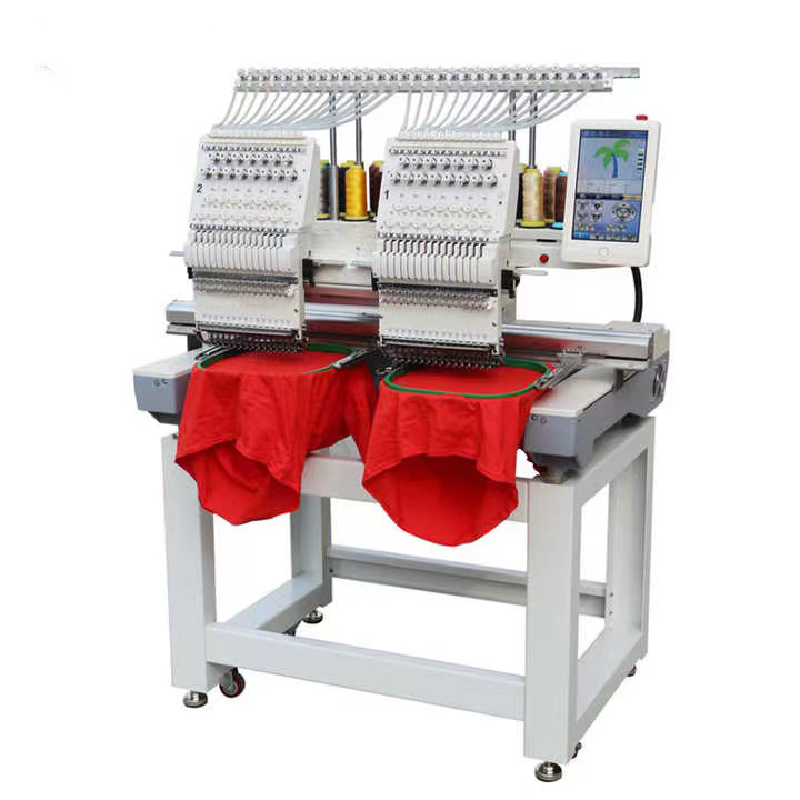
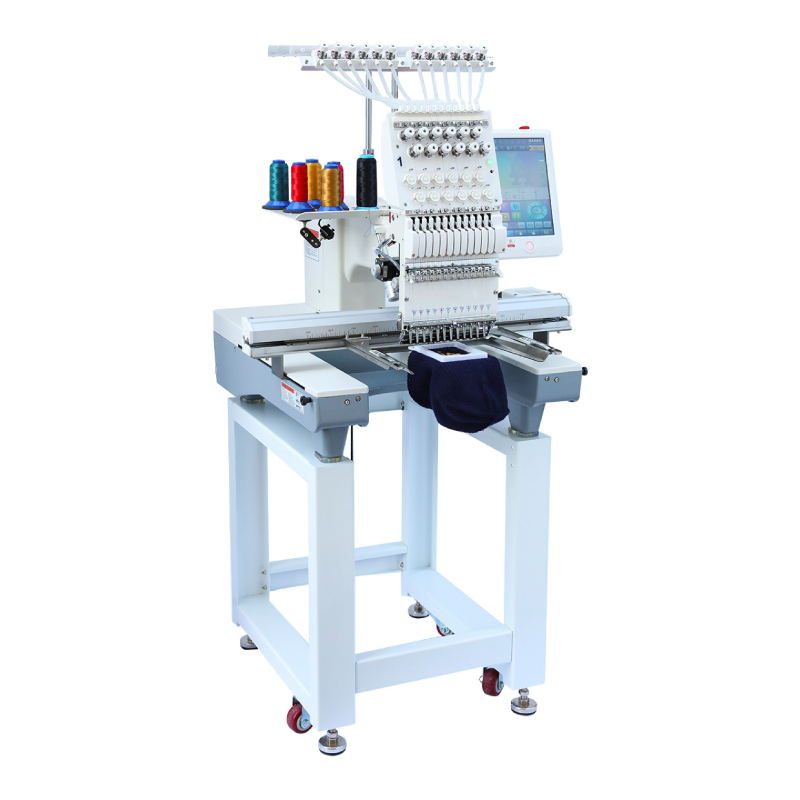
In Afghanistan, the textile sector is characterized by a strong tradition of hand-embroidered garments. However, the current market is facing a critical need for scalability. Many local workshops still rely on semi-manual processes, which limit their ability to meet the growing demand for standardized apparel and high-volume ethnic wear.
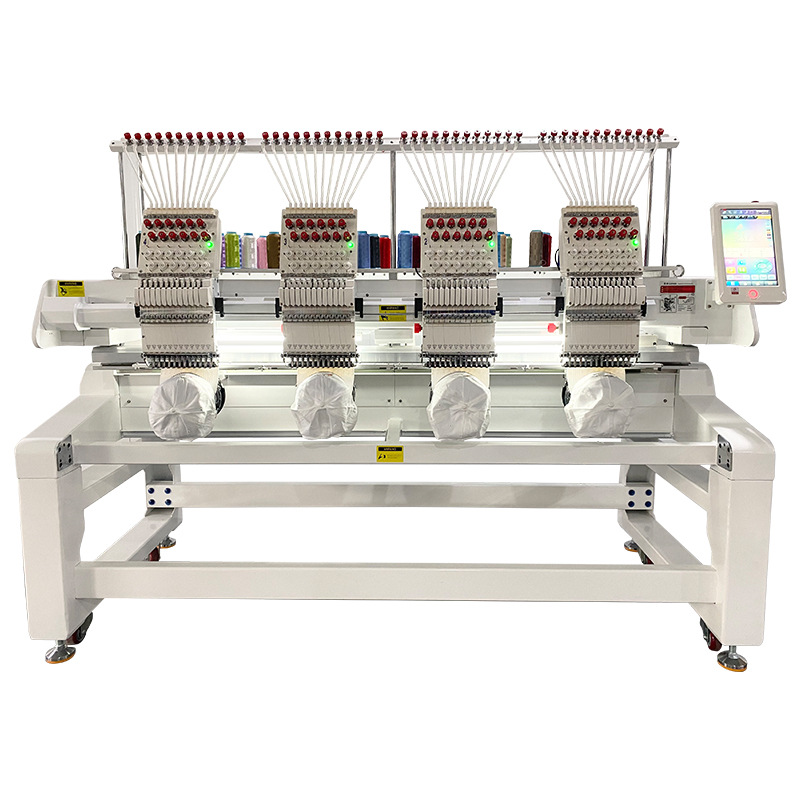
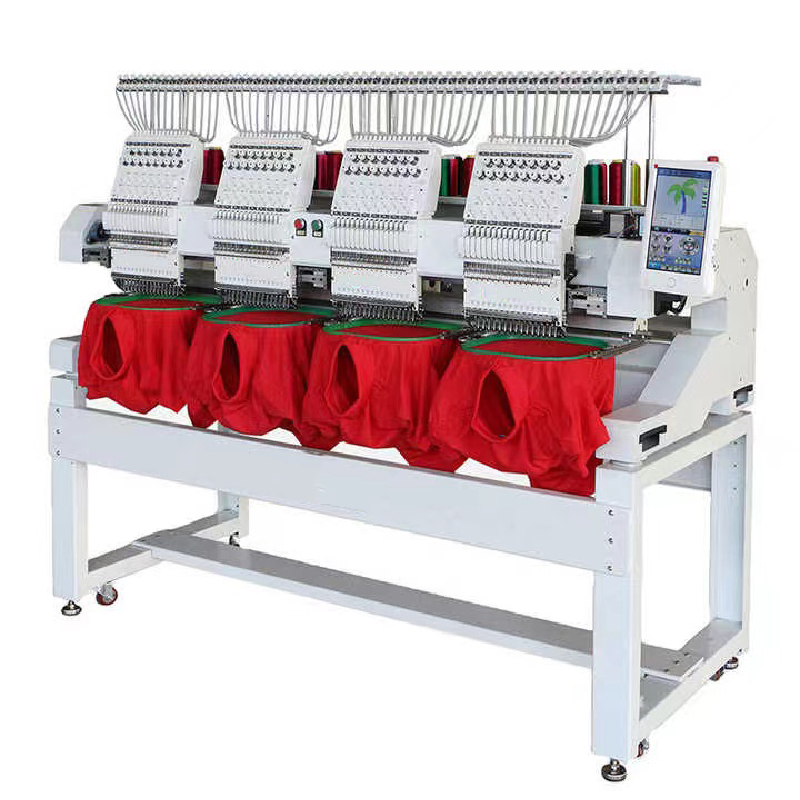
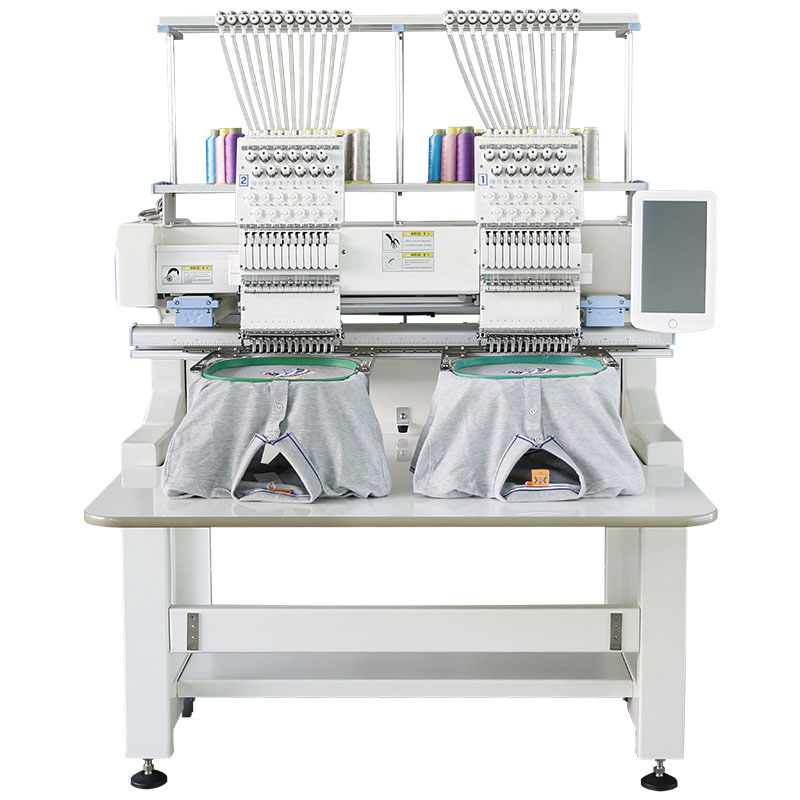
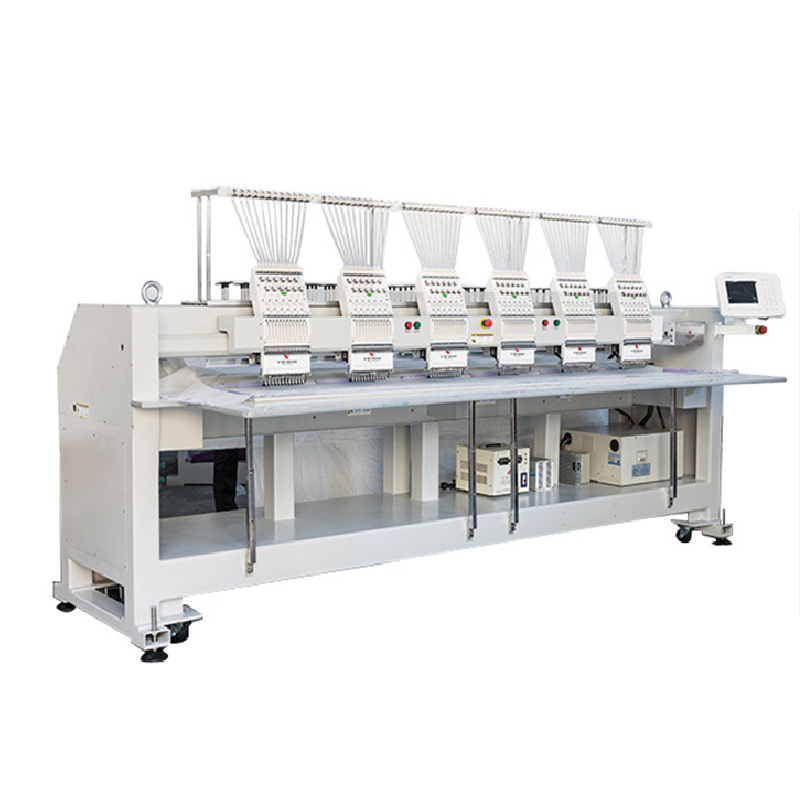
The adoption of a multi head embroidery machine is becoming a priority for emerging garment hubs in Kabul and Herat. These cities are seeing a shift toward small-to-medium enterprise (SME) models that require reliable equipment capable of withstanding local power fluctuations and dust-heavy environments.
Despite economic challenges, there is a surging interest in the embroidery machine single head for boutique designers who wish to preserve intricate local patterns while reducing the time-intensive nature of hand-stitching.