Advanced digital embroidery machine Solutions for Angola's Textile Growth

Empowering Angolan garment manufacturers with high-precision automation and scalable embroidery technology to compete in the global market.

The Current Landscape of Textile Machinery in Angola

Analyzing the operational challenges and opportunities within the Angolan garment industry.

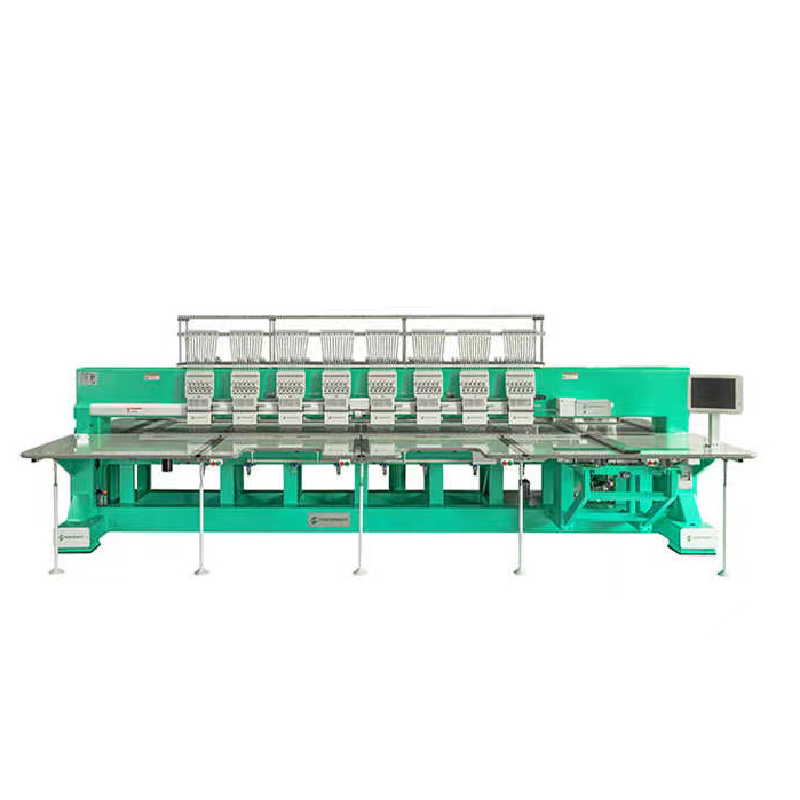
Angola's manufacturing sector is currently undergoing a transition from heavy oil dependence toward industrial diversification. In the textile realm, many local workshops still rely on manual labor or outdated machinery, creating a significant demand for a multi head embroidery machine to scale production for corporate uniforms and national apparel.

The tropical climate and coastal humidity in regions like Luanda require machinery with superior corrosion resistance and stable electronic components. Local entrepreneurs are increasingly seeking a cap embroidery machine to enter the booming sports merchandising and promotional wear market, which has seen steady growth alongside urban development.

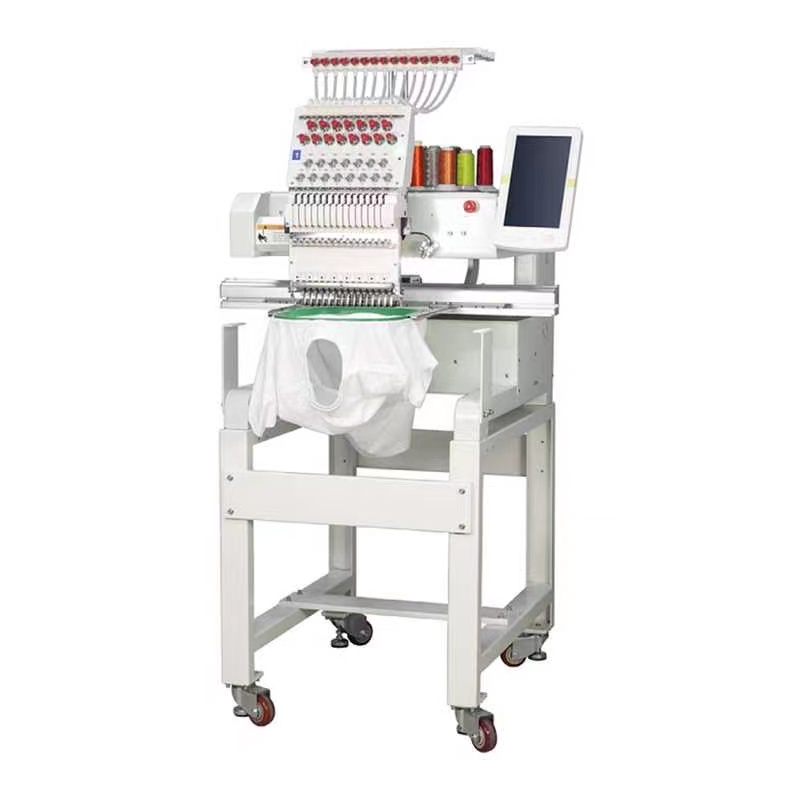
Despite the potential, the industry faces hurdles in technical maintenance and power stability. This has led to a preference for robust, user-friendly equipment such as the embroidery machine single head for boutique designers and small-scale artisans who require flexibility over massive volume.
Evolution and Technical Trajectory of Embroidery in Angola

From traditional hand-stitching to automated digital precision.

Market Development History

Between 1990 and 2010, Angolan textile production was primarily focused on basic garment assembly and traditional hand embroidery, with very limited access to industrial automation.

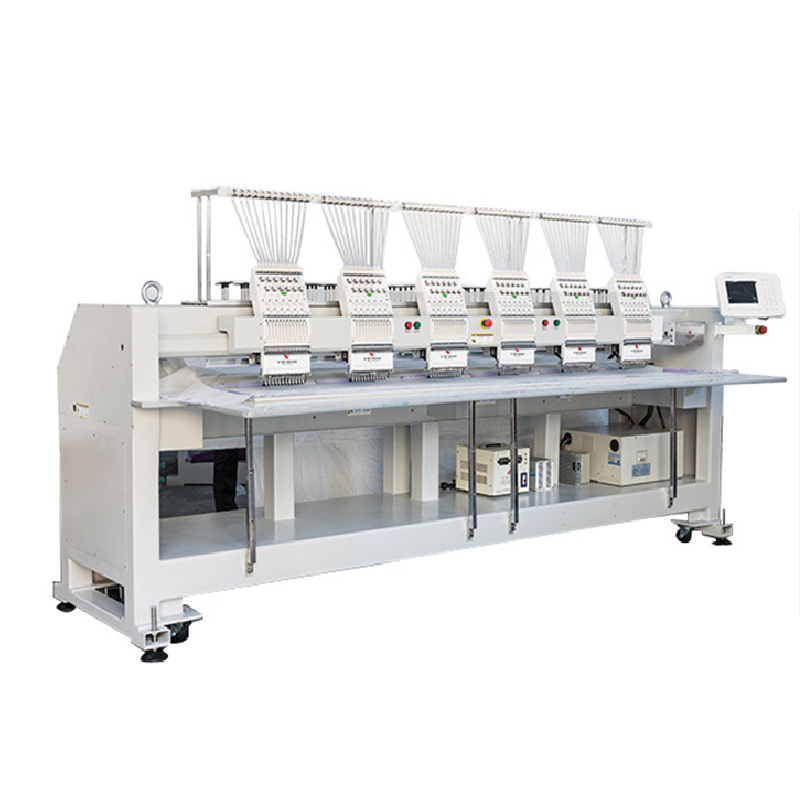
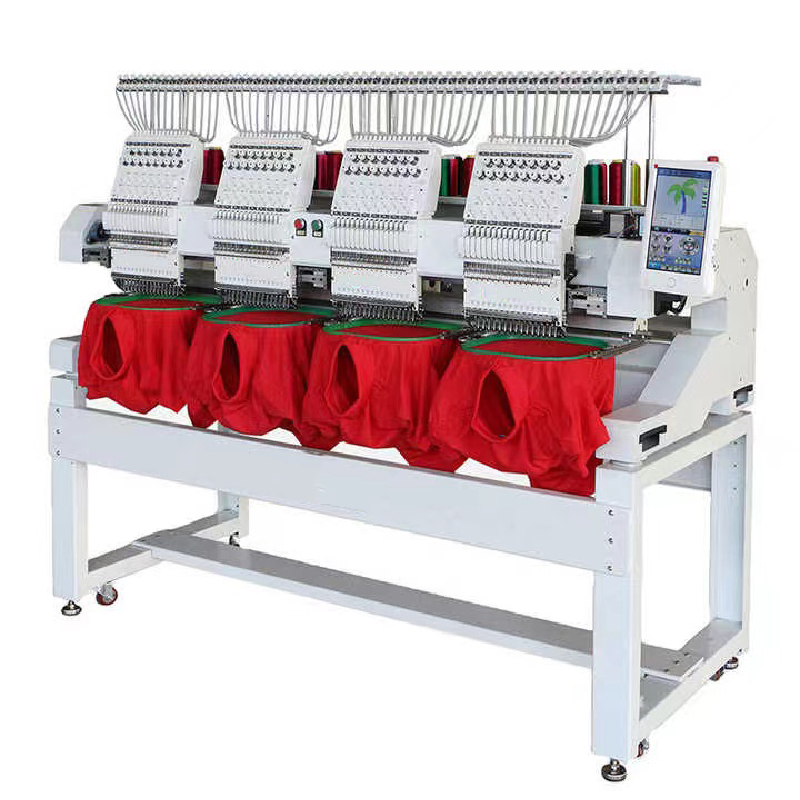
From 2011 to 2020, the introduction of early computer-controlled systems allowed local factories to move toward standardized logos. The adoption of the 4 head embroidery machine became a turning point for medium-sized businesses looking to optimize their floor space while increasing output.

Since 2021, there has been a surge in "Industry 4.0" integration, where cloud-based design software and high-speed digital interfaces have replaced manual punching, enabling real-time design adjustments and faster turnaround times.

Future Development Trends

AI-Driven Pattern Optimization

The next 3 years will see AI integration that automatically optimizes stitch counts to reduce thread waste, a critical cost-saving measure for Angolan importers.

Eco-Friendly Material Compatibility

Increased demand for sustainable fabrics will drive the need for machines that can handle recycled polyester and organic cotton without causing thread breakage.

Remote Diagnostics and Support

Due to the geographic spread of factories in Angola, IoT-enabled remote troubleshooting will become the standard to reduce machinery downtime.

Industry Trends and Future Outlook

Strategic forecasts for the specialized equipment sector in the Southern African region.

Hyper-Automation Integration
Shift towards fully automated thread-cutting and color-changing systems to reduce manual labor costs in Luanda's factories.
Customization On-Demand
Growth of "Print-on-Demand" business models requiring agile, small-batch embroidery capabilities.
Energy-Efficient Hardware
Development of low-power consumption motors to mitigate the impact of irregular power grids in rural Angola.
Diversified Fabric Support
Engineering specialized needles and tensioners for heavy leather and synthetic textiles used in Angolan safety gear.

Industry Outlook

Based on Google search trends in the Southern African region, there is a rising interest in "digital textile automation," suggesting that Angolan businesses are moving away from traditional labor-intensive methods toward technology-driven production.

Over the next 3-5 years, we expect a consolidation of the market where mid-sized enterprises invest heavily in multi-functional equipment to reduce the total cost of ownership while increasing their export capacity to neighboring SADC countries.

Localized Application Scenarios in Angola

Practical implementations of embroidery technology across different Angolan business sectors.

1. Corporate Branding for Luanda's Financial Sector

Utilizing a multi head embroidery machine to produce high-quality logos on executive shirts and corporate uniforms for the banking district in the capital.

2. Sports Apparel and Fan Gear for National Teams

Deploying a specialized cap embroidery machine to create branded headwear for football fans and athletic clubs during national tournaments.

3. Boutique Fashion Houses in Benguela

Employing an embroidery machine single head for intricate, low-volume custom designs on traditional Angolan dresses and couture pieces.

4. Industrial Safety Wear for Oil & Gas Workers

Using a 4 head embroidery machine to apply durable, high-visibility identification and safety logos on heavy-duty workwear.

5. Educational Uniforms for Regional Schools

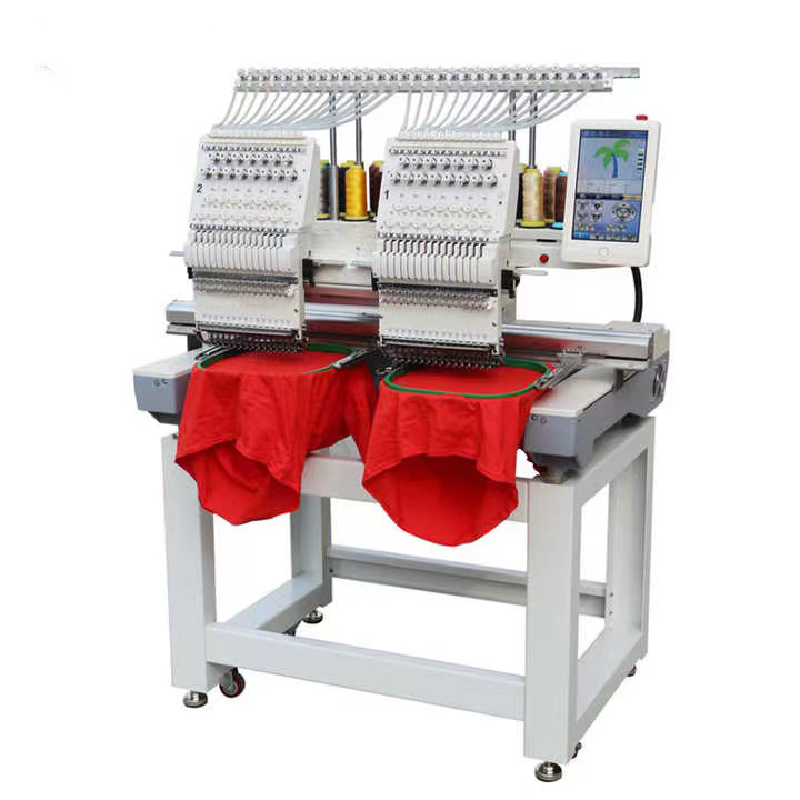
Implementing digital embroidery machine technology to mass-produce school emblems on polos and blazers across diverse provinces.

Brand Story

Global Development History of Xingtai Pufa Trading Co., Ltd.

Foundational Excellence

Established with a mission to bridge the gap between complex industrial engineering and user-friendly garment production.

Technological Breakthroughs

Pioneered the integration of high-speed digital controllers, reducing machine setup time by 40% for our global clients.

Market Expansion into Africa

Developed specialized "ruggedized" machine lines specifically designed to withstand the environmental challenges of the African market.

Commitment to Sustainability

Launched an initiative to reduce energy consumption in embroidery hardware, supporting the green transition of the textile industry.

Global Leadership Vision

Striving to be the premier partner for textile enterprises in Angola, providing not just machines, but comprehensive growth solutions.

Common Questions for the Angolan Market

Expert answers to the most frequent inquiries regarding embroidery machinery investment.

How do I choose between a 4 head embroidery machine and a multi head system?

The choice depends on your volume. A 4 head machine is ideal for medium businesses needing a balance of speed and space, while a larger multi head system is necessary for high-volume industrial orders.

Can a digital embroidery machine handle heavy African wax prints?

Yes, our machines are equipped with adjustable tension and high-torque motors specifically designed to penetrate thick, treated fabrics common in Angolan textiles.

Is a cap embroidery machine suitable for promotional sports gear?

>

Absolutely. The specialized cap frames ensure that the curved surface of the headwear is held securely, resulting in precise, professional logos for sports merchandise.

What are the benefits of an embroidery machine single head for small studios?

A single head machine offers maximum flexibility for personalized, one-off custom designs, lower initial investment, and requires significantly less power and space.

How do I maintain a multi head embroidery machine in humid coastal areas?

We recommend regular lubrication with anti-corrosive oils and keeping the machine in a climate-controlled environment or using industrial dehumidifiers.

Does the digital embroidery machine software support local design formats?

Yes, our systems support all major industry-standard formats (.DST, .PES, etc.), allowing easy transfer of designs from any professional digitization software.

Ready to Transform Your Textile Production?

Get a professional consultation on the best embroidery machinery for your business goals in Angola.

Contact Us Now

If you are interested in our products, you can choose to leave your information here, and we will be in touch with you shortly.
