Advanced digital embroidery machine Solutions for Argentina's Textile Industry

Empowering Argentine garment manufacturers with precision engineering, high-speed automation, and localized technical support to dominate the South American market.

Current State of Textile Machinery in Argentina

Analyzing the intersection of traditional craftsmanship and industrial digitalization in South America.

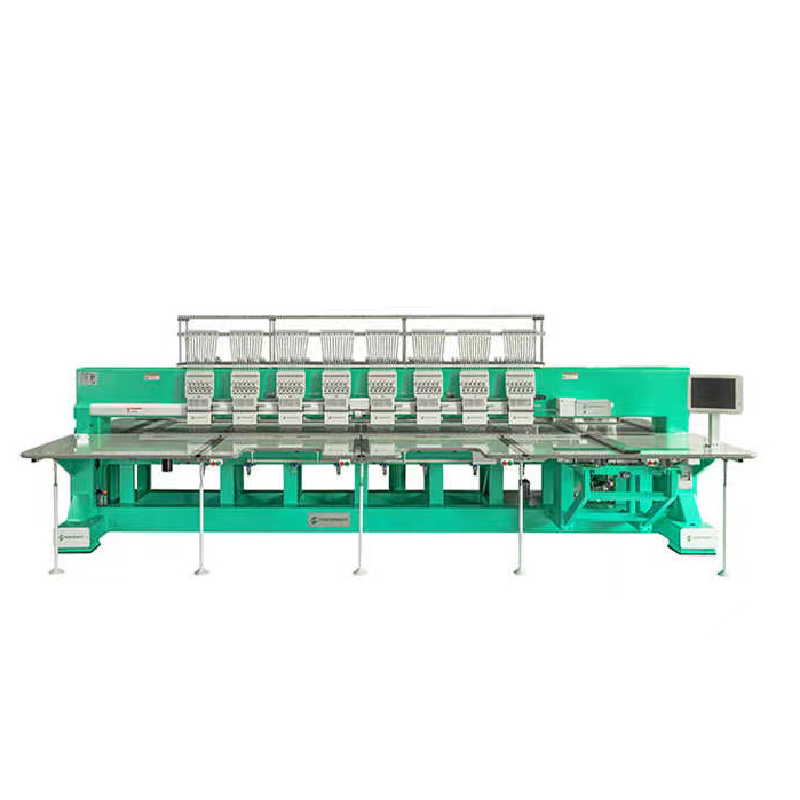
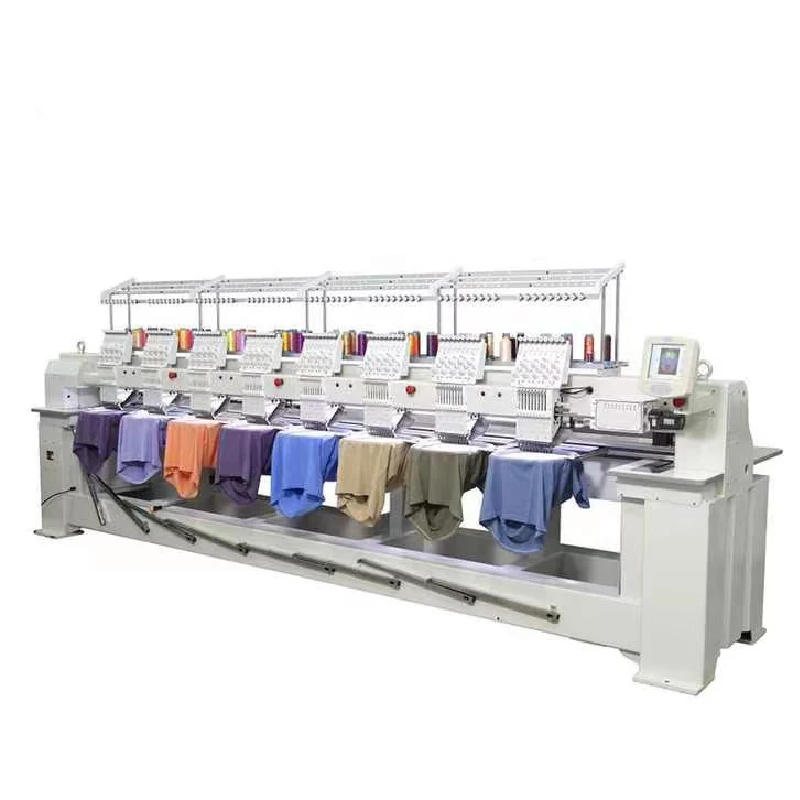
Argentina possesses a rich history of textile production, yet the current landscape is marked by a transition from manual looms to automated systems. The economic volatility in the region has led many local businesses to seek equipment that balances high durability with low maintenance costs, making the multi head embroidery machine a preferred choice for medium-sized enterprises looking to scale production without excessive overhead.

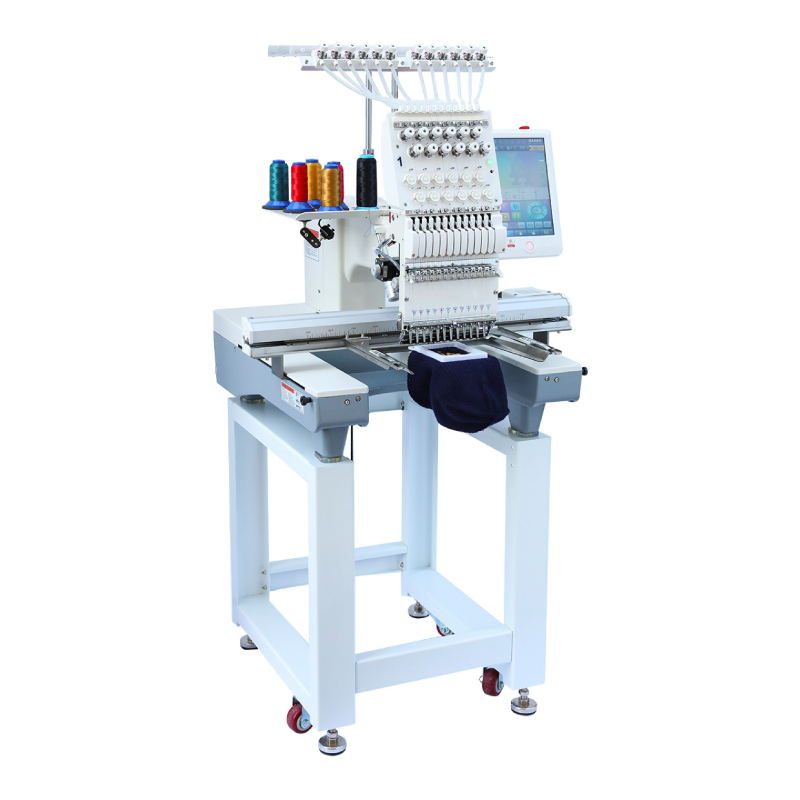
Climatic variations across the Pampas and Patagonia influence the type of textiles produced, from heavy wools to lightweight cottons. This diversity requires machines that can handle varying fabric densities. Local workshops are increasingly adopting the embroidery machine single head for high-end, customized fashion pieces that cater to the sophisticated urban markets of Buenos Aires.

However, a significant gap exists in the adoption of fully integrated digital workflows. While the desire for agility is high, the lack of localized technical training has slowed the integration of complex software. There is a growing demand for intuitive interfaces that allow Argentine designers to translate artistic concepts into machine-readable patterns instantly.
Evolution of Embroidery Technology in Argentina

From mechanical stitches to AI-driven precision: The trajectory of textile innovation.

Market Development History

Between 1980 and 2000, the Argentine market relied heavily on mechanical embroidery units that required manual pattern changes. These machines were robust but lacked the flexibility needed for the rapidly changing fashion trends of the late 20th century.

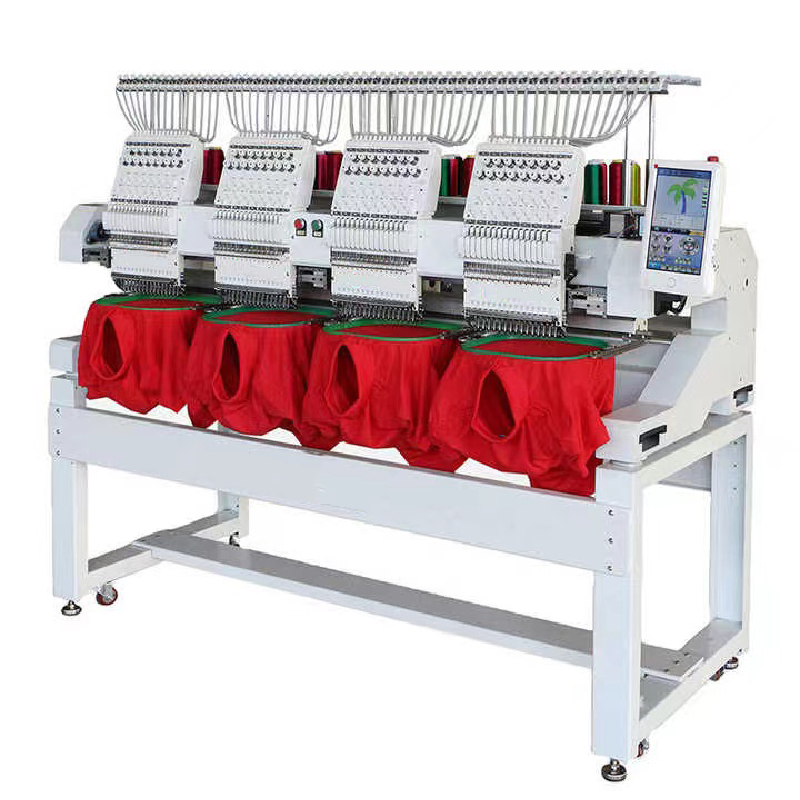
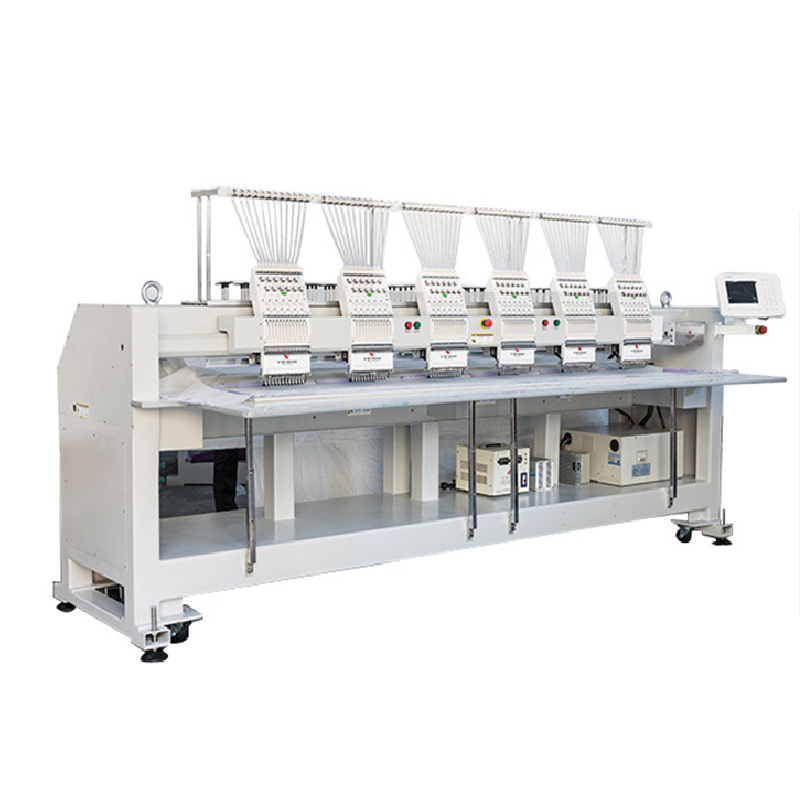
From 2005 to 2015, the introduction of basic computerized systems revolutionized the local industry. This era saw the rise of the 4 head embroidery machine, which allowed small factories to multiply their output by four while maintaining consistent quality across all heads.

Since 2018, the market has shifted toward "Smart Manufacturing." The integration of IoT and cloud-based design software has enabled real-time production monitoring, allowing Argentine exporters to compete on a global scale by reducing lead times and minimizing waste.

Future Development Trends

AI-Driven Fabric Recognition

Future systems will automatically adjust tension and stitch density based on the fabric type detected, reducing human error in high-volume production.

Sustainable Energy Integration

With Argentina's push toward green energy, new machines are being designed with energy-efficient servo motors to lower the carbon footprint of textile mills.

Hyper-Customization Modules

The rise of "on-demand" fashion will drive the adoption of versatile cap embroidery machine units that can switch between flat and curved frames in seconds.

Industry Trends & Future Outlook

Strategizing for the next decade of textile excellence in Argentina.

Automated Workflow Integration
Merging design software directly with machine hardware to eliminate manual file transfers.
Eco-Friendly Production
Reducing thread waste and power consumption through precision-calculated stitch paths.
Adaptive Tension Systems
Real-time tension adjustment for mixed-material fabrics common in Argentine luxury wear.
Predictive Maintenance AI
IoT sensors that alert operators before a needle break occurs, maximizing uptime.

Industry Outlook

The Argentine textile market is expected to pivot toward high-value, low-volume specialized production. As global fast-fashion faces scrutiny, local artisans are utilizing precision machinery to create "Slow Fashion" pieces that emphasize quality and regional identity.

Google search trends in South America indicate a surge in queries for "industrial automation" and "digital garment customization." This suggests that the next 3-5 years will see a massive upgrade cycle where traditional workshops replace legacy equipment with versatile, digital-first solutions.

Localized Application Scenarios in Argentina

How our embroidery solutions solve real-world challenges for Argentine businesses.

01. Luxury Leather Goods in Buenos Aires

Utilizing the embroidery machine single head to create intricate, high-tension logos on premium Argentine leather handbags, ensuring a flawless finish on tough surfaces.

02. Sports Apparel for Football Clubs

Implementing a multi head embroidery machine to mass-produce club crests and player numbers on polyester jerseys with high-speed precision and color accuracy.

03. Corporate Branding and Headwear

Deploying a specialized cap embroidery machine for promotional agencies in Córdoba to create high-quality branded caps for agricultural trade shows.

04. Medium-Scale Boutique Uniforms

Using a 4 head embroidery machine to balance the need for volume and flexibility for school and medical uniform providers across the province of Santa Fe.

05. Artistic Textile Art Installations

Leveraging the digital embroidery machine to translate complex digital art into large-scale fabric installations for contemporary galleries in Recoleta.

Brand Story

Global Development Journey of Xingtai Pufa Trading Co., Ltd.

Foundational Engineering

We started with a mission to bridge the gap between industrial power and artistic precision, focusing on the core mechanics of embroidery stability.

Digital Transformation

Integrating advanced circuitry and user-friendly software to transform traditional stitching into a seamless digital experience.

Global Market Expansion

Expanding our footprint across South America, adapting our machines to withstand varying climates and power grid instabilities.

Client-Centric Innovation

Developing modular head configurations based on direct feedback from small-to-medium enterprises in emerging markets.

Sustainable Future

Committing to eco-friendly manufacturing and energy-saving technology to support the global transition to green textiles.

Argentina Market FAQs

Expert answers to the most common technical and commercial questions.

How do I choose between a 4 head embroidery machine and a multi head version for my factory?

For small boutiques focusing on custom orders, a 4 head machine offers the best balance of space and output. However, for industrial garment production in Argentina, a multi head system is essential to meet large volume deadlines.

Can a digital embroidery machine handle heavy Argentine leather?

Yes, our digital machines feature adjustable penetration power and specialized needle options specifically designed for high-density materials like leather and heavy denim.

What is the advantage of an embroidery machine single head for startups?

The single head model is ideal for prototypes and ultra-customized "one-off" pieces, allowing entrepreneurs to test designs with minimal material waste before scaling up.

Does the cap embroidery machine require special training for operators?

While the hardware is intuitive, we provide comprehensive digital manuals and video tutorials to help operators master cap framing and alignment quickly.

How do I maintain my embroidery equipment in humid regions of Argentina?

We recommend regular lubrication of the moving parts and using moisture-absorbent storage for threads to prevent tension issues caused by humidity.

Are these machines compatible with standard design software used in South America?

Our machines support all major industry-standard file formats (DST, PES, EXP), ensuring seamless integration with any design software your team currently uses.

Ready to Elevate Your Production?

Get professional consultation and tailored machinery quotes for your business in Argentina.

Contact Us Now

If you are interested in our products, you can choose to leave your information here, and we will be in touch with you shortly.
