Advanced digital embroidery machine Solutions for Belarus Textile Industry

Empowering Belarusian garment manufacturers with high-precision automation and scalable embroidery technology to compete in the European market.

The Current State of Textile Machinery in Belarus

Analyzing the intersection of traditional craftsmanship and modern industrial needs in the Belarusian market.

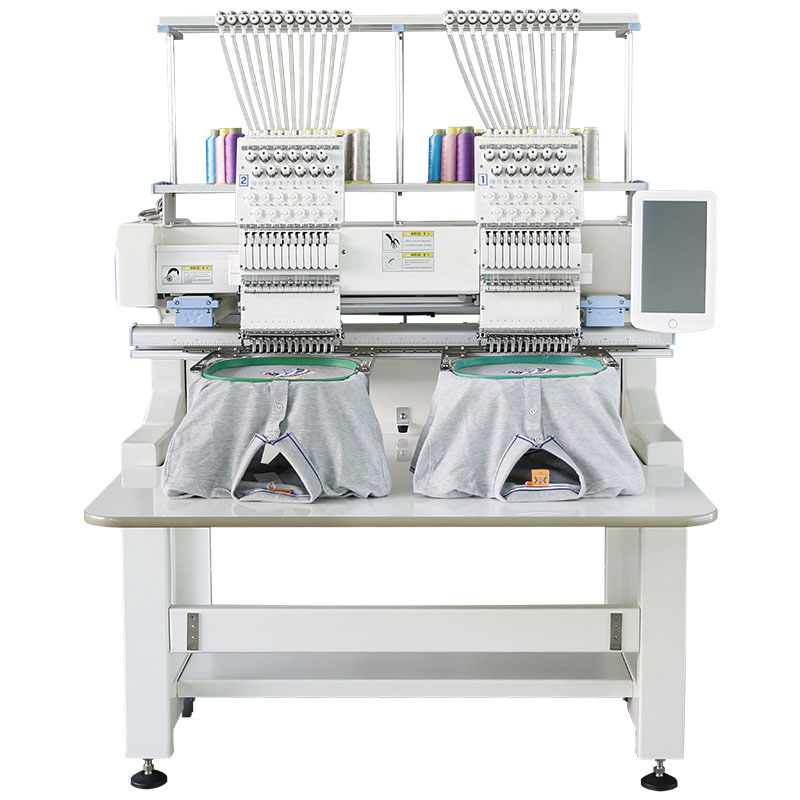
Belarus possesses a strong legacy in linen and heavy-duty textile production. However, the local industry is currently undergoing a critical transition as manufacturers shift from manual labor to automated systems. The demand for a multi head embroidery machine has surged among medium-sized factories looking to increase throughput without compromising the intricate quality expected in Eastern European fashion.

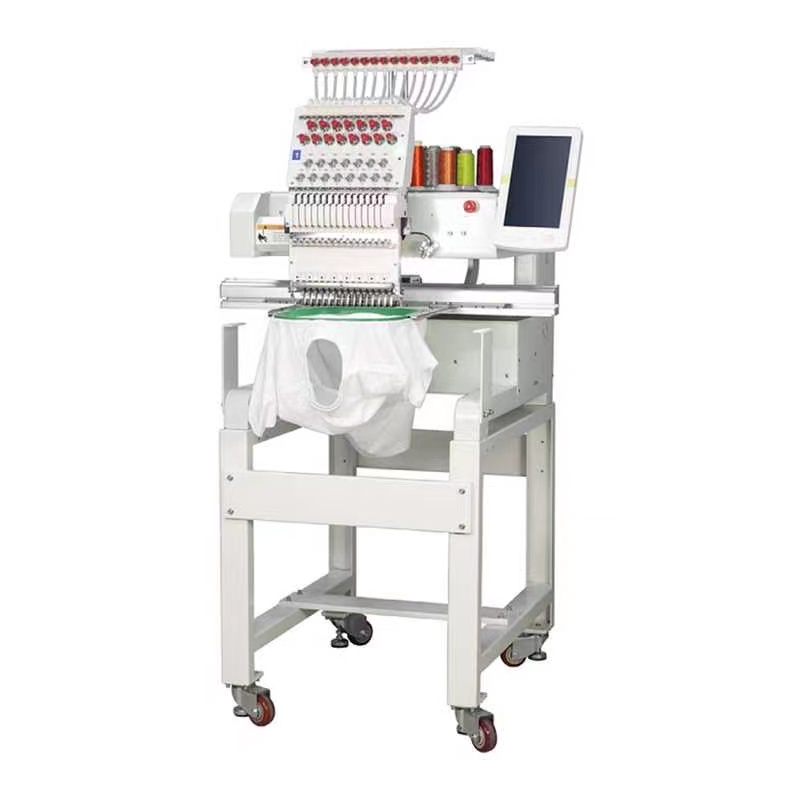
Environmental factors, particularly the harsh continental climate, require machinery with superior structural stability and corrosion resistance. Local workshops are increasingly adopting the embroidery machine single head for boutique customization and sampling, allowing designers in Minsk and Brest to rapidly prototype high-value ethnic and modern apparel.

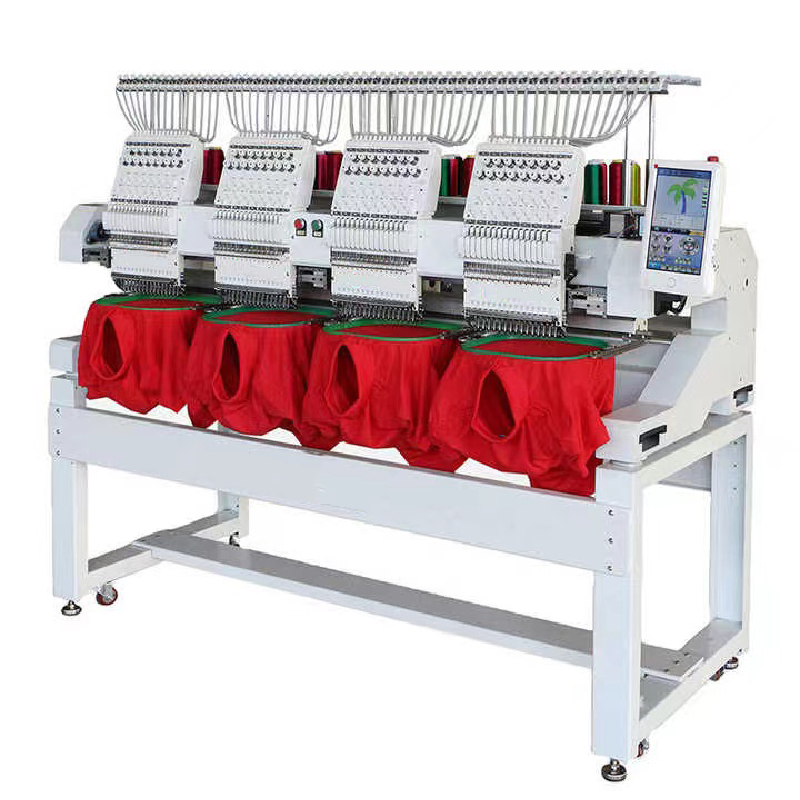
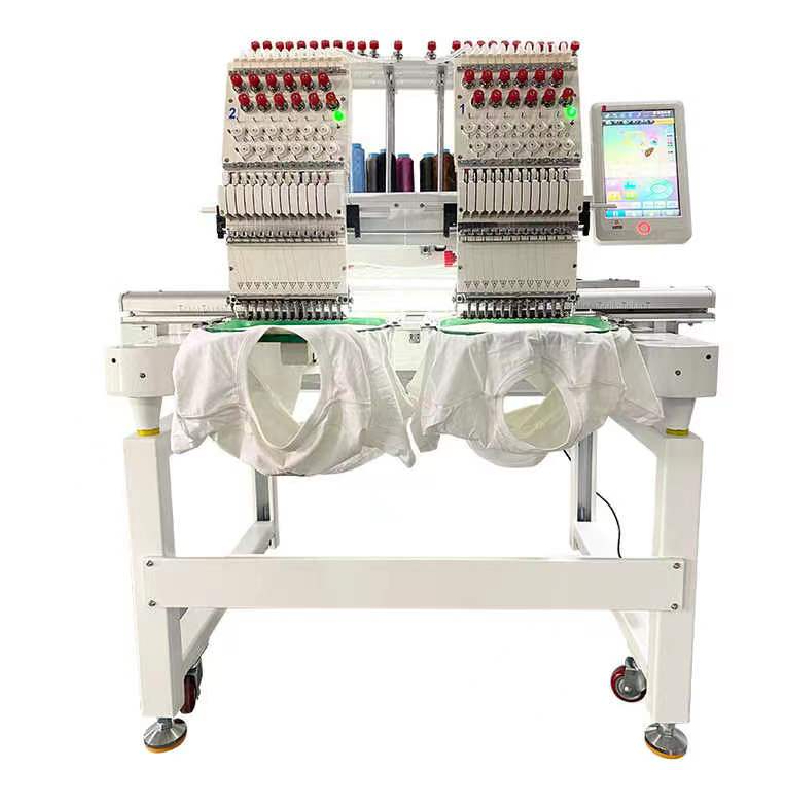
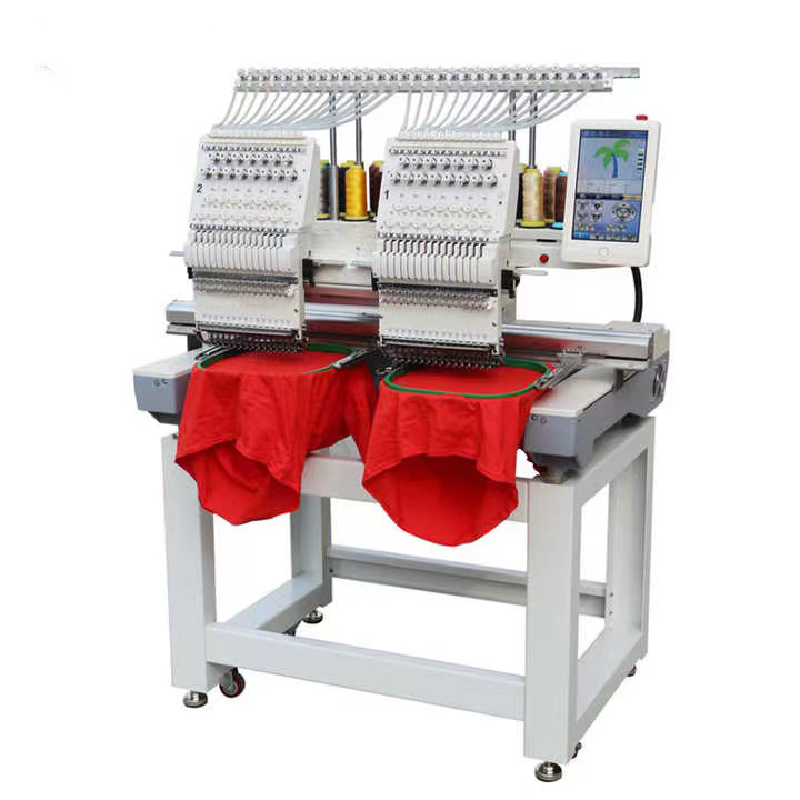
Economically, the push toward export-oriented growth means that Belarusian firms must adhere to strict EU quality certifications. This has led to a strategic replacement of aging Soviet-era equipment with modern 4 head embroidery machine units that balance space efficiency with industrial-grade output, ensuring competitiveness in the regional trade corridor.
Evolution and Technical Trajectory of Embroidery Systems

From mechanical cams to AI-driven stitching: The journey of textile automation in Belarus.

Market Development History

Prior to 2010, the Belarusian market relied heavily on manual embroidery and basic mechanical looms. The focus was on volume rather than customization, with limited access to programmable logic controllers (PLCs) and digital design software.

Between 2010 and 2020, the introduction of the first generation of computer-controlled systems marked a turning point. The adoption of the cap embroidery machine allowed for the diversification into corporate wear and sports apparel, creating a new niche for specialized headwear production.

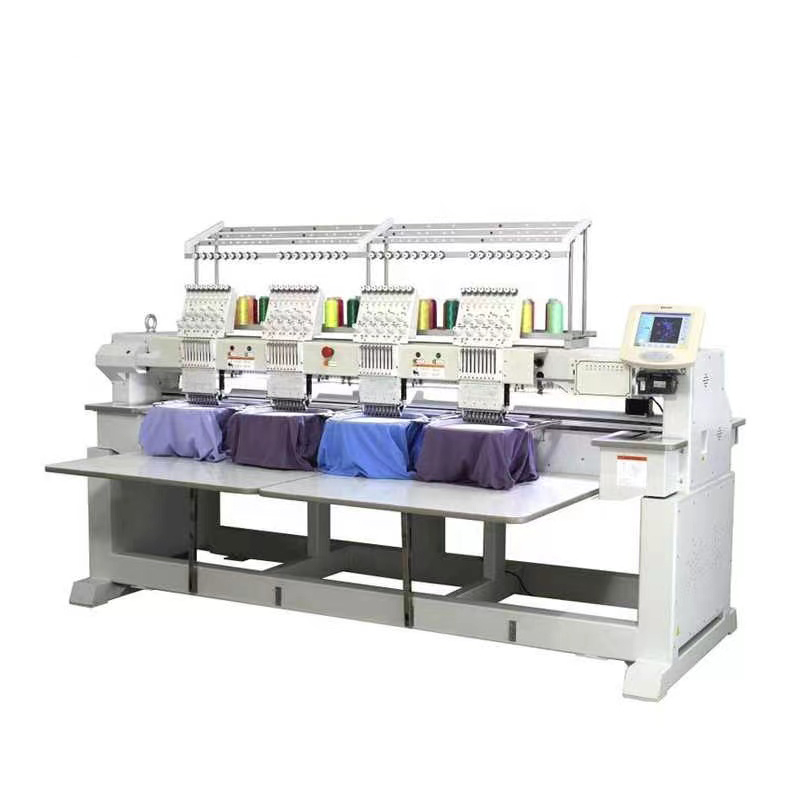
From 2021 to the present, the industry has entered the era of "Smart Manufacturing." The integration of IoT and cloud-based design patterns has made the digital embroidery machine the centerpiece of modern Belarusian textile hubs, enabling real-time monitoring and rapid design iteration.

Future Development Trends

Integration of AI-Driven Tension Control

We predict a shift toward machines that automatically adjust thread tension based on fabric density, reducing material waste and human error in complex patterns.

Sustainability and Energy Efficiency

With rising energy costs in Europe, future systems will prioritize low-energy servo motors and eco-friendly lubrication systems to reduce the carbon footprint of factories.

Hyper-Personalization at Scale

The trend is moving toward "Mass Customization," where multi-head systems can execute slightly different designs on each head simultaneously to meet individual consumer demands.

Future Trends and Strategic Outlook for Belarus

Navigating the next five years of textile technology advancement.

Digital Design Ecosystems
Shift towards seamless API integration between CAD software and embroidery hardware for zero-latency production.
Automated Material Handling
Implementation of robotic hoppers and automatic frame changing systems to reduce downtime in multi-head setups.
Eco-Thread Integration
Optimizing machines for recycled polyester and organic cotton threads to meet new European green textile regulations.
Predictive Maintenance 4.0
Using vibration sensors and AI to predict needle breakage or motor failure before they cause production stops.

Industry Outlook

Based on Google search trends for industrial automation in Eastern Europe, there is a clear trajectory toward decentralized production. Smaller, highly efficient hubs in Belarus are replacing massive centralized factories, favoring versatile machines like the 4 head embroidery machine.

The convergence of luxury fashion and traditional linen crafts in Belarus will drive demand for high-density stitching and metallic thread capabilities, forcing a technical upgrade in the standard industrial embroidery fleet across the region.

Localized Application Scenarios in Belarus

Real-world deployments of embroidery technology across various Belarusian sectors.

1. Minsk Luxury Linen Ateliers

Utilizing the embroidery machine single head to create bespoke, high-end traditional patterns on Belgian-grade linen for the luxury export market.

2. Gomel Industrial Workwear Hubs

Implementing the multi head embroidery machine for mass-production of corporate logos and safety insignias on heavy-duty canvases and winter jackets.

3. Brest Sportswear Startup Clusters

Deploying the cap embroidery machine to serve the growing demand for personalized athletic headwear and urban streetwear brands.

4. Vitebsk Arts and Crafts Cooperatives

Integrating a 4 head embroidery machine to digitize folk art patterns, blending cultural heritage with modern production speeds.

5. National Uniform Production Facilities

Using advanced digital embroidery machine technology to ensure absolute consistency in government and military regalia across thousands of units.

Brand Story

Global Development Journey of Xingtai Pufa Trading Co., Ltd.

Foundational Precision

Started with a commitment to solve the core pain point of thread breakage and misalignment in early industrial embroidery systems.

Technical Breakthrough

Developed a proprietary stabilization system that allowed multi-head machines to maintain micron-level accuracy at high speeds.

European Expansion

Tailored our hardware to meet EU safety and energy standards, establishing a strong foothold in the Eastern European textile corridor.

Digital Transformation

Launched an integrated software ecosystem that allows users to upload designs via cloud, reducing setup time by 40%.

Global Vision

Now serving as a leading partner for textile manufacturers worldwide, focusing on the fusion of sustainability and automation.

Common Questions from Belarusian Manufacturers

Expert answers to technical and operational queries regarding embroidery automation.

Which multi head embroidery machine is best for heavy linen fabrics in Belarus?

For heavy linen, we recommend our high-torque multi-head series with reinforced frames to prevent fabric shifting and ensure clean penetration of thick fibers.

How does a digital embroidery machine handle complex folk patterns?

Our digital machines use advanced vector-to-stitch conversion software, allowing the precise reproduction of traditional Belarusian ornaments with zero loss in detail.

Is a cap embroidery machine suitable for small urban streetwear brands?

Yes, our specialized cap machines offer a compact footprint and quick-change frames, perfect for the high-turnover, low-volume needs of streetwear startups.

What are the maintenance requirements for an embroidery machine single head in cold climates?

In cold environments, we recommend using low-viscosity synthetic lubricants and maintaining a stable ambient temperature in the workshop to prevent oil coagulation.

Can a 4 head embroidery machine be upgraded for different fabric types?

Absolutely. Our 4-head systems support interchangeable needle plates and presser feet to transition seamlessly between light silks and heavy canvases.

What is the typical lead time for shipping industrial embroidery equipment to Belarus?

Depending on the customization level, lead times typically range from 15 to 30 days, including rigorous pre-shipment quality testing and customs documentation.

Ready to Automate Your Production?

Our technical engineers are ready to provide tailored equipment configurations for your business in Belarus.

Contact Us Now

If you are interested in our products, you can choose to leave your information here, and we will be in touch with you shortly.
