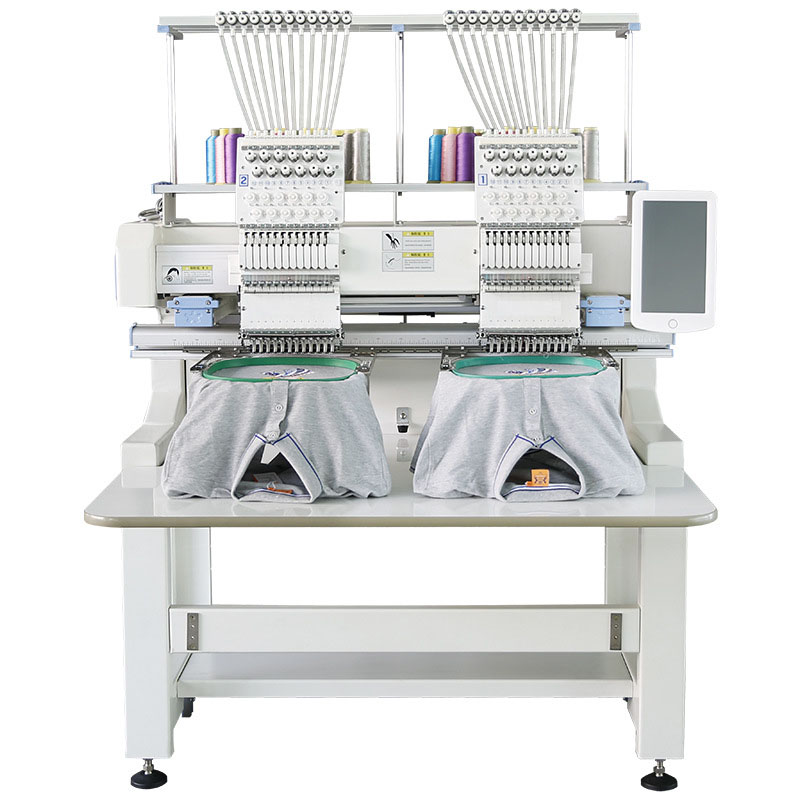
Advanced digital embroidery machine Solutions for Bolivia's Textile Industry

Empowering Bolivian garment manufacturers with high-precision automation to elevate textile quality and production efficiency.

The State of Embroidery Manufacturing in Bolivia

Analyzing the intersection of traditional Andean craftsmanship and modern industrial automation.

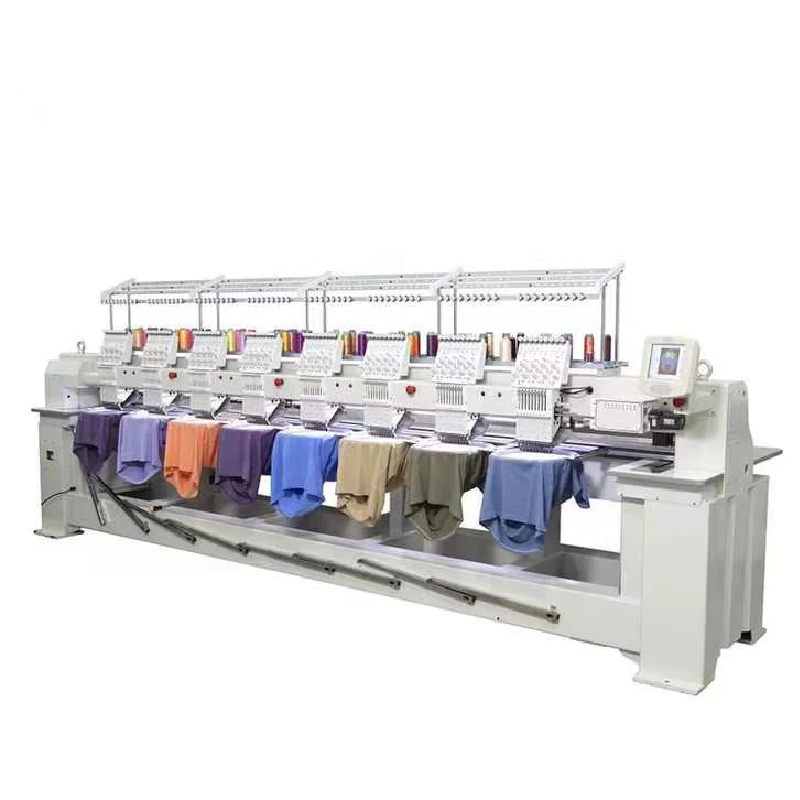
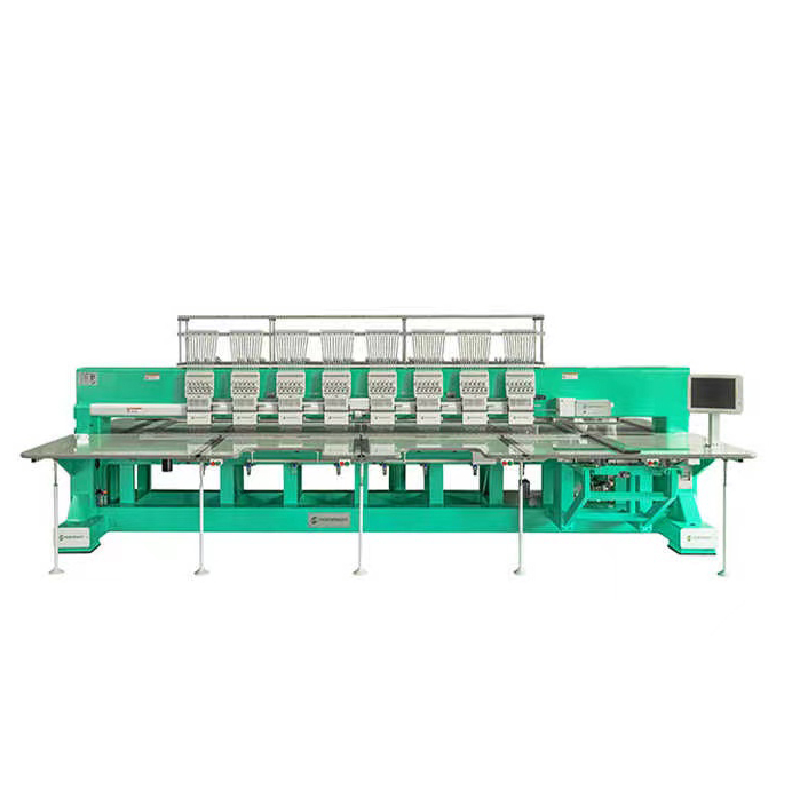
Bolivia's textile sector, centered heavily in regions like La Paz and El Alto, is characterized by a strong tradition of artisanal weaving and garments. However, the transition to industrial scale has been hindered by the high altitude environment, which affects machine cooling and lubrication, necessitating specialized equipment like a robust multi head embroidery machine to maintain consistency across large batches.

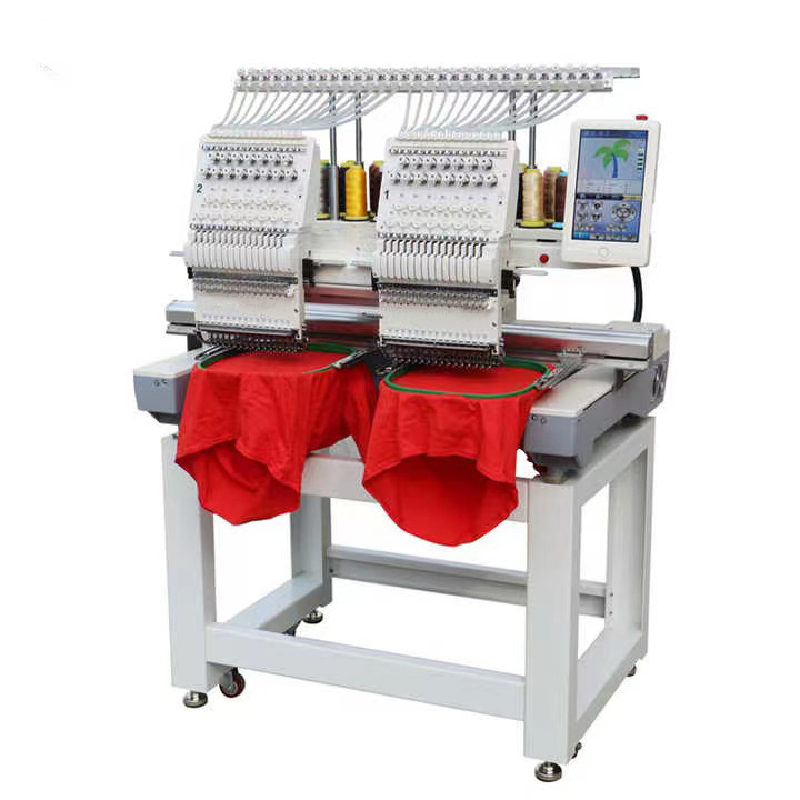
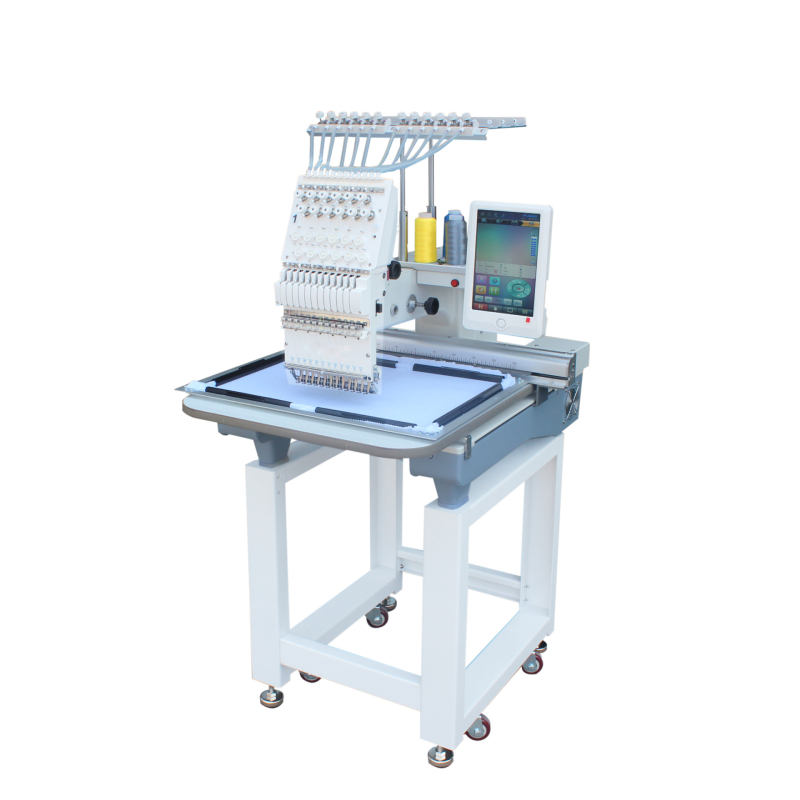
Economic fluctuations in the South American region have pushed Bolivian SMEs to seek cost-effective yet scalable solutions. Many workshops are migrating from manual setups to an embroidery machine single head to handle personalized orders, while larger factories are investing in automation to compete with imports from neighboring Brazil and Peru.

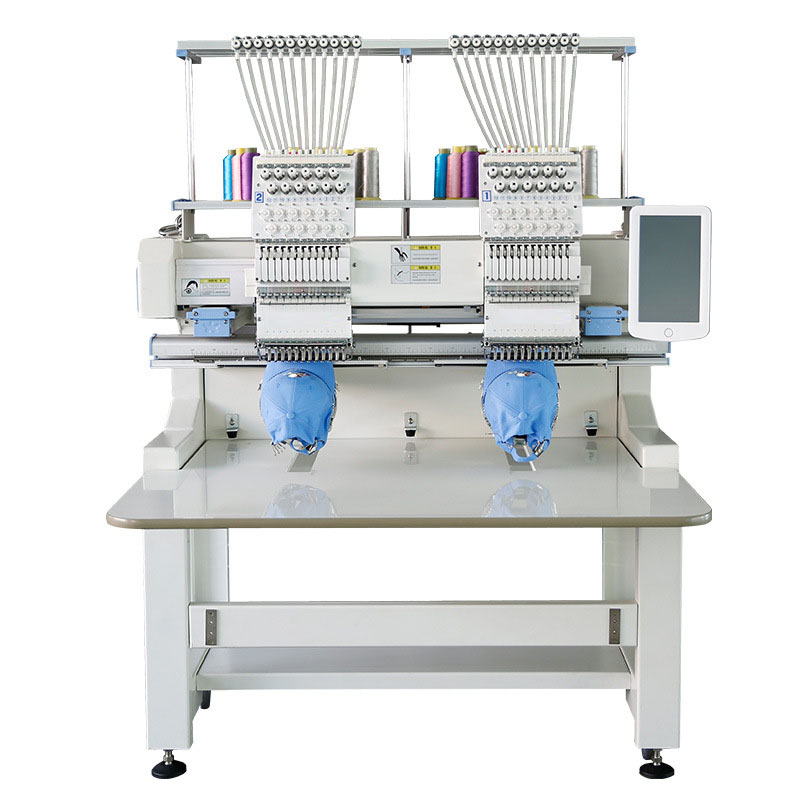
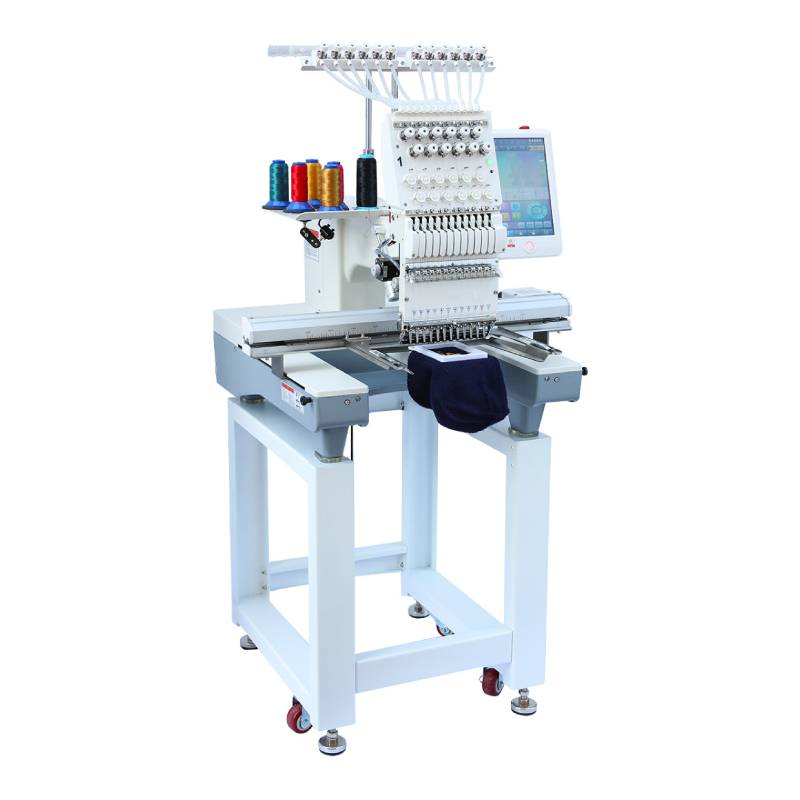
The demand for diversification is rising, particularly in the corporate apparel and sportswear sectors. This shift is driving the adoption of the cap embroidery machine, allowing local businesses to expand their product portfolios to include branded headwear for the growing urban consumer market in Santa Cruz.
Evolution and Trajectory of Bolivian Embroidery Tech

From mechanical looms to AI-driven precision stitching.

Market Development History

Prior to 2010, the Bolivian market relied heavily on manual embroidery and basic mechanical machines. Production was slow, and designs were limited by the physical capabilities of the operator, making mass customization nearly impossible for local workshops.

Between 2010 and 2020, the introduction of basic computerized systems revolutionized the industry. The arrival of the 4 head embroidery machine allowed mid-sized businesses to quadruple their output without doubling their footprint, marking the first real wave of industrialization in the garment sector.

Since 2021, the focus has shifted toward "Smart Manufacturing." Integration of cloud-based design software and high-speed servos has turned embroidery from a slow craft into a rapid-response manufacturing process, enabling "Just-in-Time" production for Bolivian fashion brands.

Future Development Trends

IoT Integration for Remote Monitoring

We predict a surge in connected machinery allowing factory owners in La Paz to monitor production cycles and thread consumption remotely via mobile devices.

Sustainable Threading Systems

Google search trends indicate a rising interest in "Eco-friendly textiles" in South America; future machines will likely feature reduced waste systems and energy-efficient motors.

High-Precision Miniaturization

There is a growing trend toward boutique, high-value embroidery, driving demand for ultra-precise single-head machines that can handle complex luxury fabrics.

Industry Outlook and Future Projections

Strategic forecasting for the textile equipment sector in Bolivia.

AI-Driven Patterning
Integration of AI to automatically optimize stitch paths, reducing thread breakage and production time.
Energy Optimization
Development of low-voltage, high-torque motors to lower operational costs for small Bolivian workshops.
Multi-Fabric Versatility
Expanding capabilities to embroider on synthetic, leather, and traditional alpaca wool fabrics.
Modular Scalability
Systems that allow users to easily add more heads as their business grows from boutique to factory.

Industry Outlook

The next 3-5 years will see Bolivia moving toward a "Digital Textile Hub" model. By leveraging advanced machinery, local producers will likely shift from low-margin bulk work to high-margin personalized fashion, utilizing the efficiency of the multi head embroidery machine for regional exports.

We expect a significant increase in the integration of CAD/CAM software tailored for the Andean aesthetic, blending traditional motifs with modern digital precision, thereby increasing the global competitiveness of Bolivian textiles.

Localized Application Scenarios in Bolivia

Real-world deployment of embroidery technology across various Bolivian sectors.

1. Corporate Branding in Santa Cruz

Large-scale corporate uniforms for the agricultural and energy sectors are produced using the multi head embroidery machine to ensure brand consistency across thousands of pieces.

2. Artisan Alpaca Wool Customization

Boutique designers in La Paz use an embroidery machine single head to add intricate, digitalized Andean patterns to luxury alpaca sweaters for the export market.

3. Urban Sportswear & Headwear

Fast-growing streetwear brands in Cochabamba utilize the cap embroidery machine to produce high-quality branded hats for the youth market.

4. Government and Military Uniforms

Precision insignia and patches for official uniforms are created using the 4 head embroidery machine, balancing quality with a medium production volume.

5. Educational Textile Workshops

Technical institutes in Bolivia implement the digital embroidery machine to train the next generation of textile engineers in automated garment production.

Brand Story

Global Development History of Xingtai Pufa Trading Co., Ltd.

Industrial Foundations

Founded with a vision to bridge the gap between raw machinery and textile artistry, we began by optimizing precision components for the global market.

Technological Breakthrough

We developed proprietary synchronization systems that solved the common issue of thread tension in multi-head environments, increasing output by 30%.

Global Expansion

Expanding into South America, we tailored our machines to withstand varying climates and altitudes, ensuring reliability for clients in Bolivia.

Digital Transformation

By integrating AI-driven design interfaces, we transitioned from being a hardware provider to a complete digital embroidery solution partner.

Mission for Tomorrow

Our current mission is to democratize high-end textile technology, making industrial-grade precision accessible to every small workshop in the world.

Frequently Asked Questions for the Bolivian Market

Expert answers to common technical and logistical queries.

How does altitude in La Paz affect the performance of a multi head embroidery machine?

High altitude can affect lubricant viscosity and cooling. Our machines are equipped with reinforced cooling systems and altitude-compensated lubrication to ensure smooth operation in the Andes.

Is a digital embroidery machine suitable for traditional Bolivian fabrics?

Yes, our digital machines feature adjustable tension and pressure settings, making them ideal for varied materials from delicate alpaca wool to heavy canvas.

What is the lead time for shipping a 4 head embroidery machine to Santa Cruz?

Shipping typically takes 30-45 days depending on customs clearance. We provide full documentation to expedite the process through Bolivian ports.

Can I convert my embroidery machine single head into a larger system later?

While single heads are standalone, our modular software allows you to sync multiple single-head machines or upgrade to a multi-head system using the same design files.

What maintenance is required for a cap embroidery machine in dusty environments?

We recommend weekly cleaning of the bobbin area and monthly lubrication of the moving rails to prevent dust accumulation from affecting stitch quality.

Do you provide training for digital embroidery software in Bolivia?

Yes, we offer comprehensive remote training and video tutorials in Spanish to help your operators master design and machine calibration.

Ready to Automate Your Textile Business?

Our experts are ready to provide customized machinery consultations for your projects in Bolivia.

Contact Us Now

If you are interested in our products, you can choose to leave your information here, and we will be in touch with you shortly.