Advanced digital embroidery machine Solutions for Brazil's Textile Industry

Empowering Brazilian garment manufacturers with high-precision automation and scalable embroidery technology to dominate the South American market.

The State of Embroidery Manufacturing in Brazil

Analyzing the intersection of artisanal heritage and industrial automation in South America's largest textile hub.

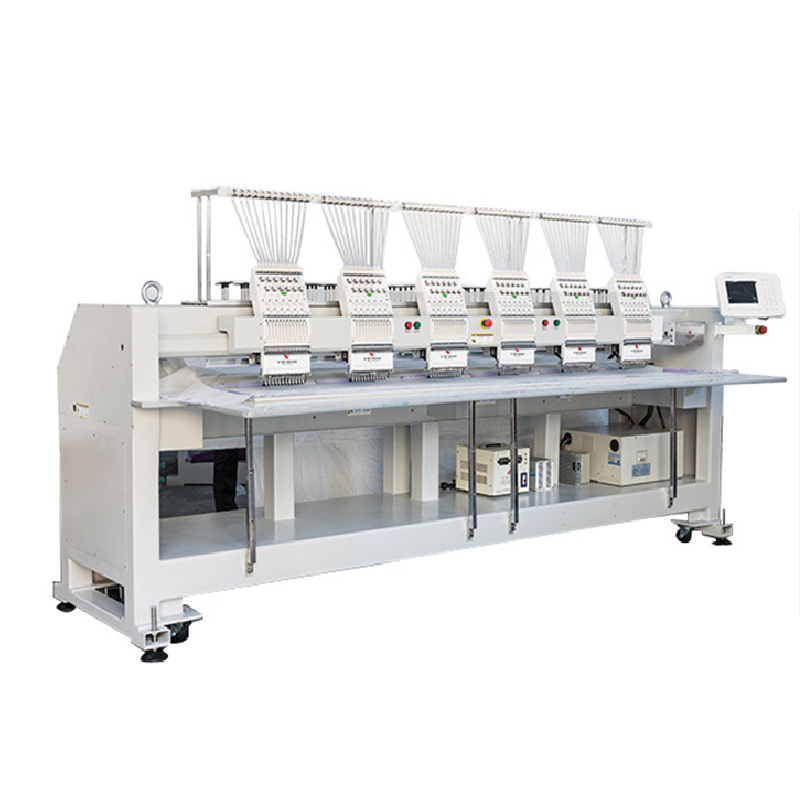
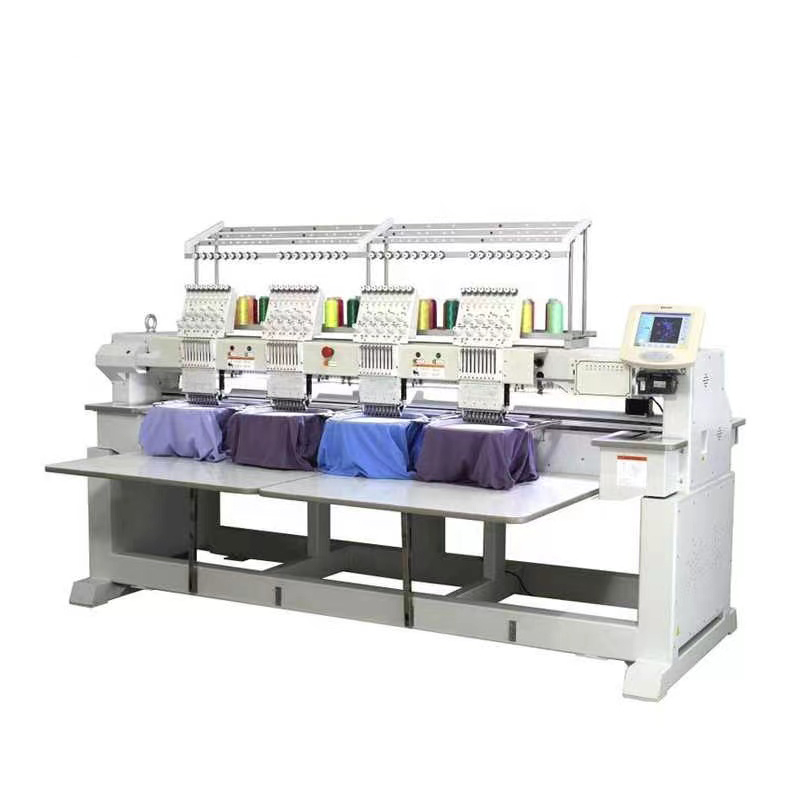
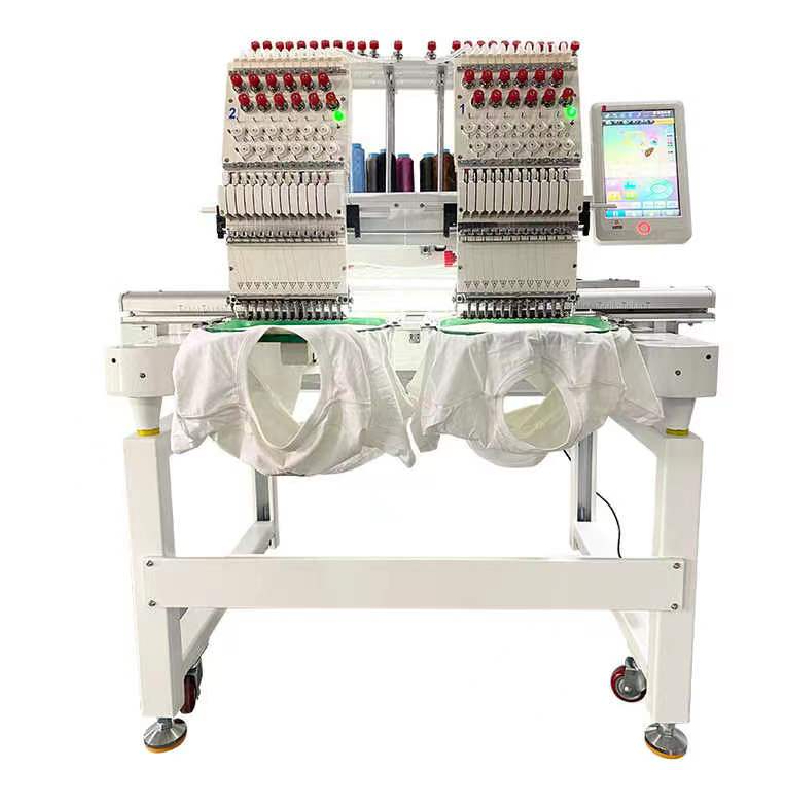
Brazil's textile landscape is characterized by a strong demand for high-quality, vibrant designs. However, the humid tropical climate in regions like São Paulo and Minas Gerais poses challenges for machinery maintenance, necessitating equipment with superior corrosion resistance and stable electronic components. Many local workshops are currently transitioning from manual labor to using a multi head embroidery machine to meet the growing export demands of the Mercosur trade bloc.

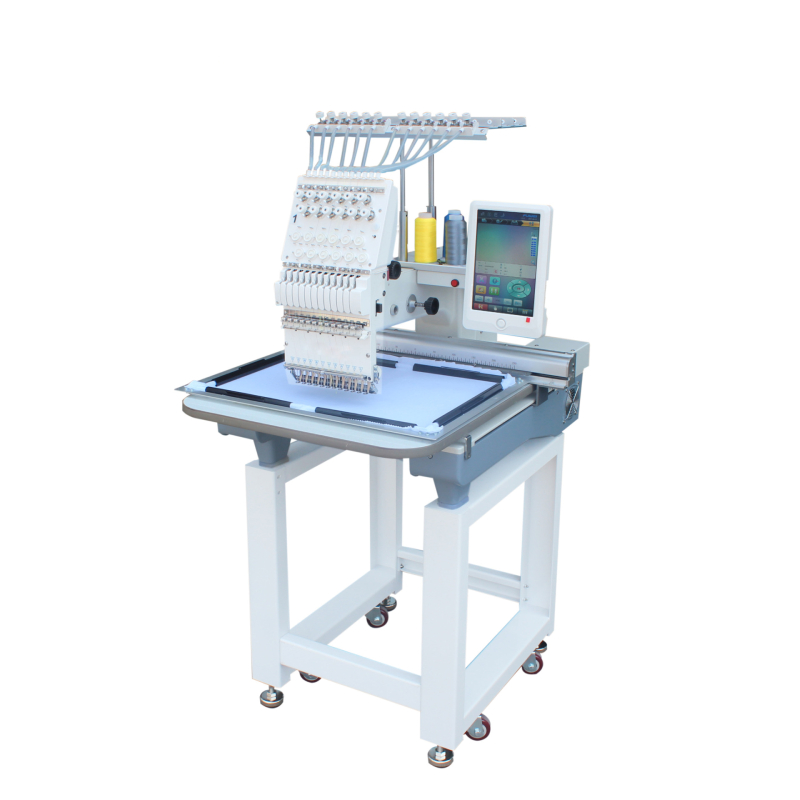
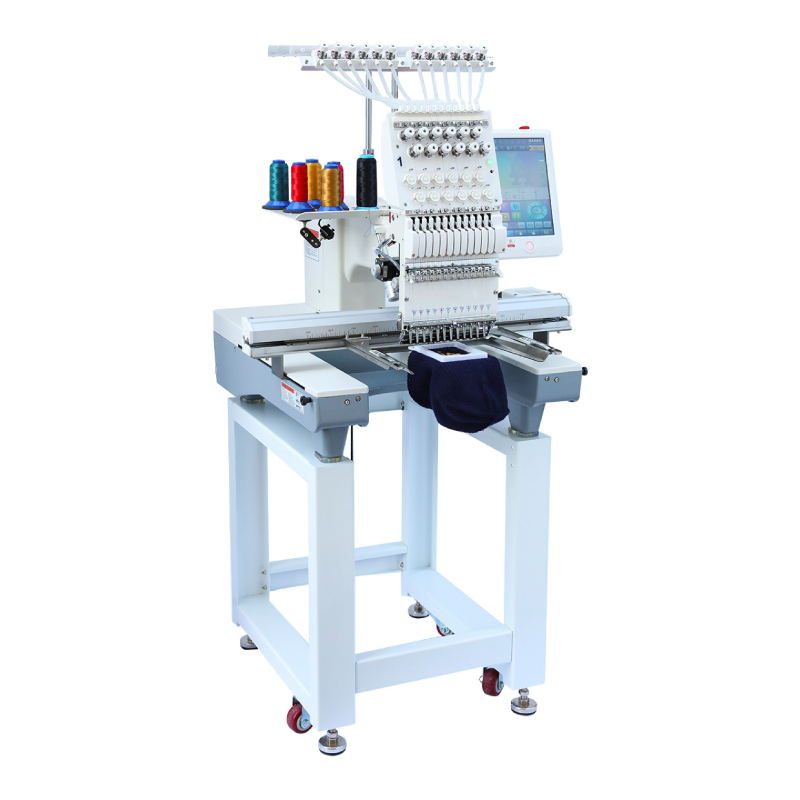
Economic fluctuations in the Brazilian Real have pushed manufacturers to seek "cost-per-stitch" efficiency. There is a significant shift toward versatility, where a single facility requires both an embroidery machine single head for sampling and high-capacity units for bulk production of sportswear and corporate uniforms.

The rise of "Fast Fashion" in Brazilian urban centers has created a critical need for rapid prototyping. Consequently, the adoption of digital interfaces has accelerated, allowing local designers to upload complex patterns instantly, reducing the lead time from conceptual design to finished garment.
Evolution and Trajectory of Brazilian Embroidery Tech

From traditional mechanical looms to AI-driven precision stitching.

Market Development History

In the late 20th century, the Brazilian market relied heavily on mechanical embroidery and manual craftsmanship. Production was slow and lacked consistency, limiting the scale of industrial growth in the apparel sector.

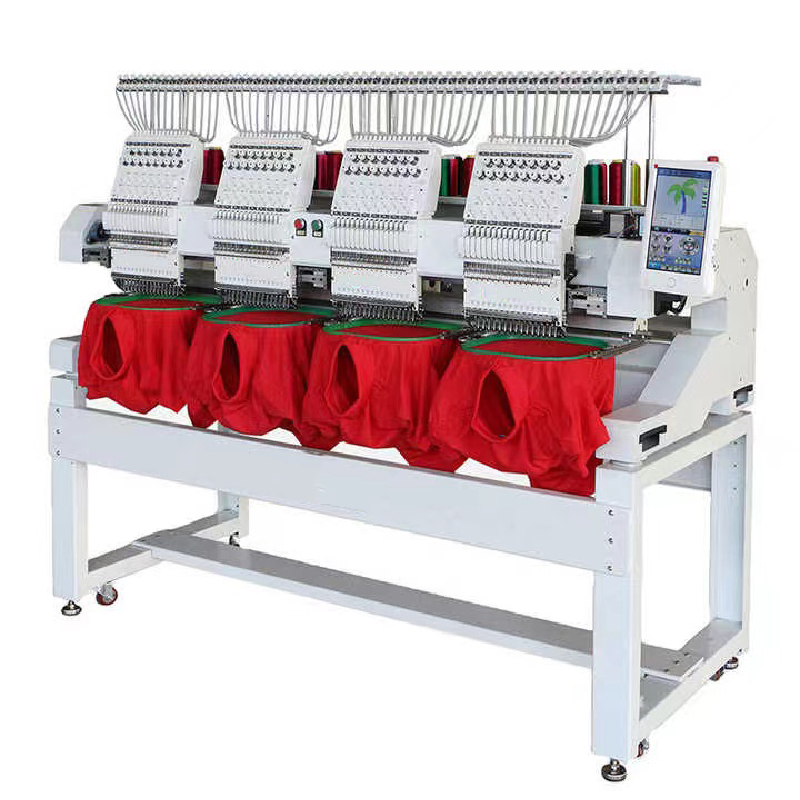
Between 2005 and 2015, the "Digital Revolution" hit the region. The introduction of early computer-controlled systems allowed for the mass production of logos. This era saw the widespread adoption of the 4 head embroidery machine as the ideal middle-ground for small to medium enterprises (SMEs).

From 2016 to the present, the focus has shifted toward specialization. The market has seen a surge in demand for specialized equipment, such as the cap embroidery machine, to cater to the booming sports apparel and promotional merchandise markets in Brazil.

Future Development Trends

IoT Integrated Monitoring

Integration of cloud-based monitoring will allow Brazilian factory owners to track production efficiency and thread consumption in real-time across multiple sites.

Eco-Friendly Threading Systems

Driven by global sustainability trends, there is a projected shift toward machines that optimize thread waste and support biodegradable recycled yarns.

AI-Driven Pattern Optimization

Future software will automatically adjust stitch density based on the fabric weight, a critical feature for the diverse textile materials used in Brazilian summer wear.

Industry Trends and Future Outlook

Strategic projections for the next 3-5 years in the specialized equipment sector.

Hyper-Automation
Reducing manual intervention in thread changes and fabric positioning to lower labor costs.
Customized Mass Production
The ability to switch designs instantly for small-batch personalized orders.
Smart Fabric Sensing
Sensors that detect fabric tension and type to prevent puckering in delicate Brazilian lace.
Energy Efficiency
New servo motor technologies reducing electricity consumption by 30% in large factories.

Industry Outlook

Based on search trends in the South American region, we anticipate a 15% increase in the search volume for "automated textile machinery" over the next 3 years. Brazilian manufacturers are increasingly looking for equipment that reduces dependency on highly skilled labor, which is currently in short supply.

The convergence of e-commerce and on-demand fashion will drive the demand for more compact, high-efficiency machines. The ability to move from a design on a screen to a physical embroidered product in minutes will be the primary competitive advantage for Brazilian apparel brands.

Localized Application Scenarios in Brazil

Real-world deployment of embroidery technology across various Brazilian industries.

01. Sports Apparel Production in Rio de Janeiro

High-volume production of football club jerseys utilizing multi-head systems to ensure identical logo placement across thousands of garments.

02. Luxury Fashion Boutiques in São Paulo

Using a single-head machine for high-end, customized embroidery on couture dresses and evening wear for the elite fashion market.

03. Promotional Headwear Manufacturing

Dedicated lines of cap embroidery machines to produce branded caps for corporate events and tourism in the Amazon region.

04. Corporate Uniforms for Agritech Companies

Utilizing mid-range machines to apply durable, high-density logos on workwear used in Brazil's vast agricultural sectors.

05. Artisanal Home Textile Modernization

Integrating digital embroidery into traditional linen and tablecloth production to merge cultural heritage with modern efficiency.

Brand Story

Global Development Journey of Xingtai Pufa Trading Co., Ltd.

Foundational Excellence

Established with a mission to bridge the gap between industrial capability and artisanal precision in the textile machinery sector.

Technological Breakthrough

Pioneered integrated digital control systems that simplified the user interface for non-technical operators globally.

Global Expansion

Expanded our footprint into the South American market, establishing a robust supply chain for Brazilian textile hubs.

User-Centric Innovation

Developed specialized machine variants based on direct feedback from garment workers in emerging markets.

Sustainable Future

Committed to reducing the carbon footprint of manufacturing through energy-efficient servo technology and recyclable parts.

Common Questions for Brazilian Manufacturers

Expert answers to the most frequent technical and commercial queries.

Which is better for a startup in Brazil, an embroidery machine single head or a 4 head model?

For small boutiques focusing on customization, a single head is ideal. However, if you plan to scale quickly for corporate orders, a 4 head machine provides the best balance of space and productivity.

How do I maintain a digital embroidery machine in high-humidity regions like Brazil?

We recommend regular lubrication with high-grade industrial oil and using dehumidifiers in the storage area to protect the electronic control boards from oxidation.

Can a cap embroidery machine handle different types of Brazilian headwear fabrics?

Yes, our machines feature adjustable tension settings and various hoop sizes to accommodate everything from structured trucker hats to soft cotton beanies.

What is the power requirement for a multi head embroidery machine in South America?

Our machines are customizable to 220V standards common in Brazil. We recommend using a voltage stabilizer to prevent damage from local power surges.

How long does shipping take from the factory to a Brazilian port?

Typically, sea freight to ports like Santos or Paranaguá takes 35-45 days, depending on the carrier and customs clearance speed.

Do your digital embroidery machines support Portuguese language interfaces?

Yes, we provide multi-language software options, including Portuguese, to ensure seamless operation for local Brazilian technicians.

Ready to Upgrade Your Production?

Get a customized quote and technical consultation for your textile business in Brazil.

Contact Us Now

If you are interested in our products, you can choose to leave your information here, and we will be in touch with you shortly.
