Advanced digital embroidery machine Solutions for Cambodia's Textile Hubs

Empowering Cambodian garment factories with precision automation to meet global export standards through high-performance stitching technology.

The Current State of Cambodia's Apparel Embroidery Industry

Analyzing the shift from manual craftsmanship to automated industrial production in Phnom Penh and Siem Reap.

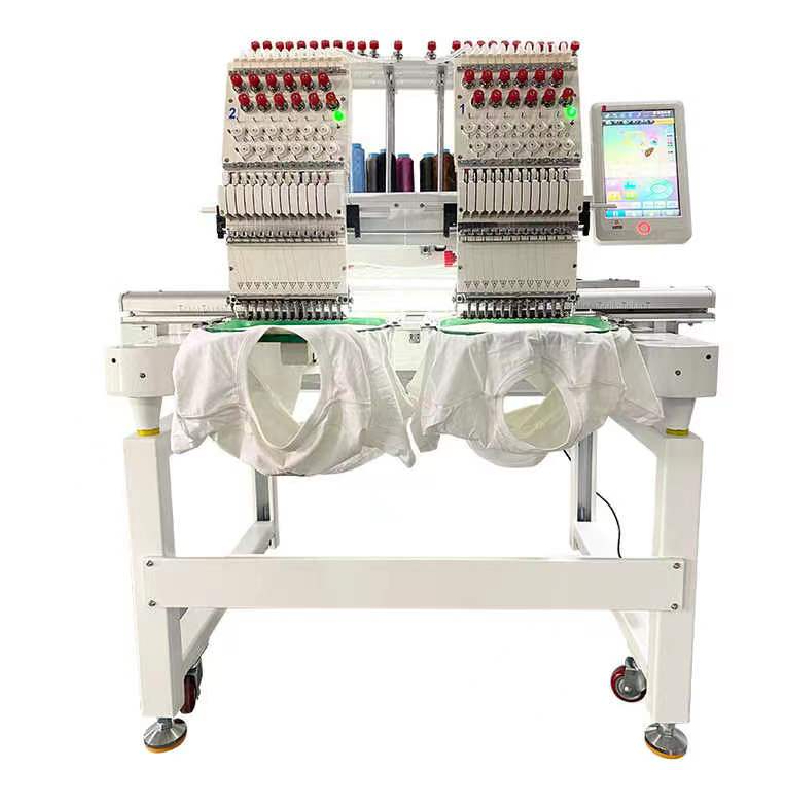
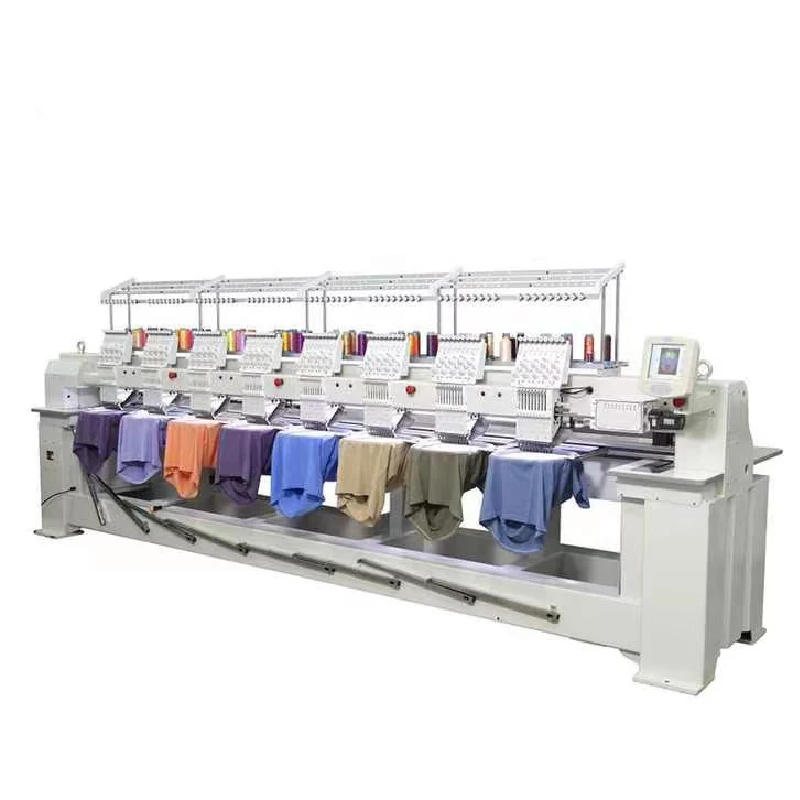
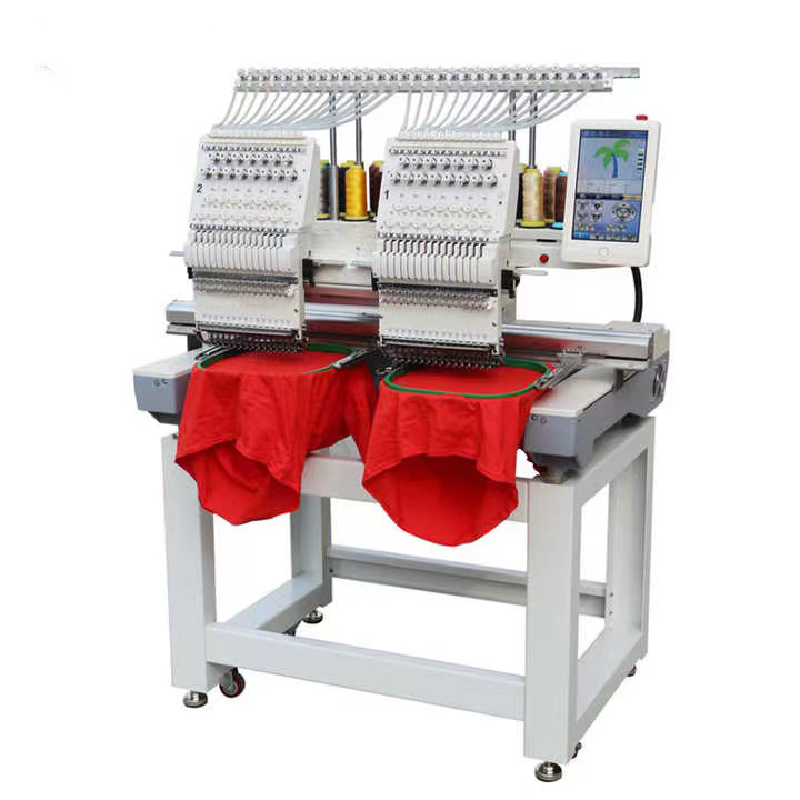
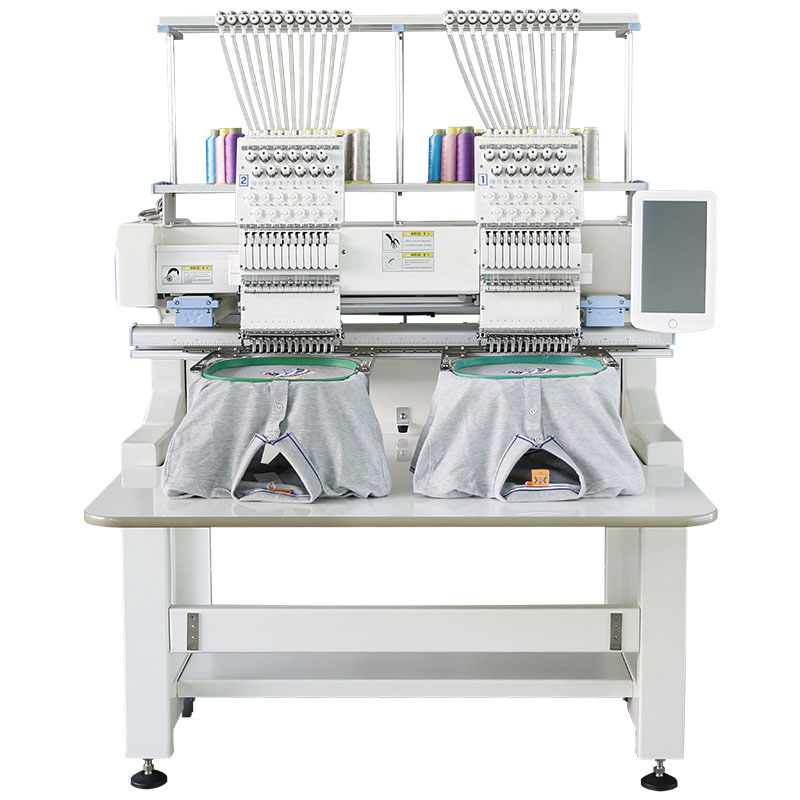
Cambodia's textile industry is a cornerstone of its economy, primarily driven by exports to the US and EU. However, the humid tropical climate poses significant challenges for machine maintenance, making the demand for a robust multi head embroidery machine critical for factories that require consistent uptime despite environmental stress.

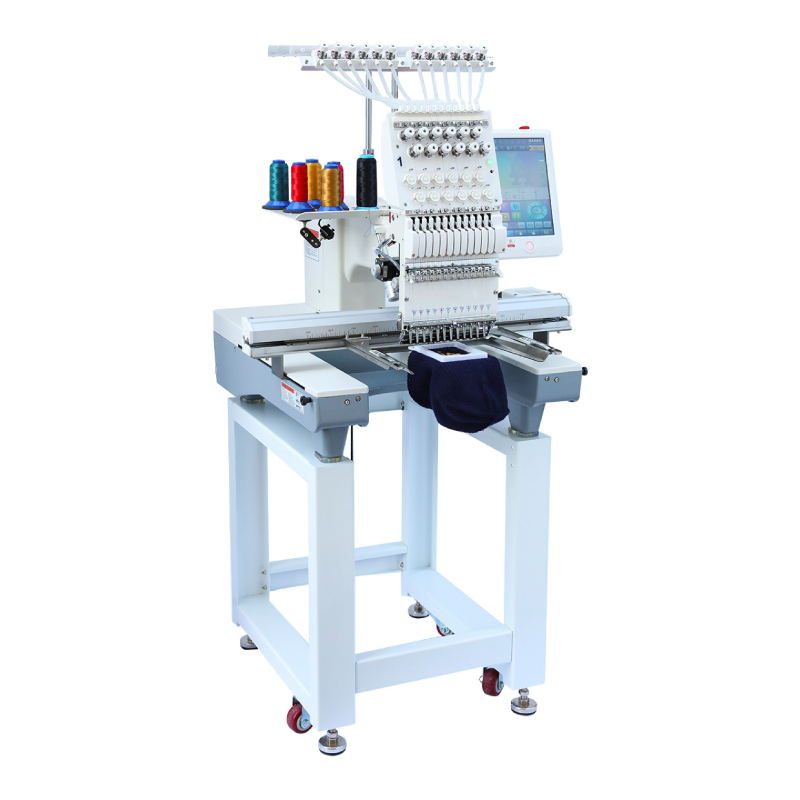
Currently, many local workshops are transitioning from basic manual setups to more versatile equipment. The adoption of the embroidery machine single head has allowed small-scale entrepreneurs in the tourism sector to create customized souvenirs and traditional Khmer attire with higher precision.

As the industry matures, there is a visible trend toward diversification. Factories are no longer just producing basic t-shirts but are moving into specialized headwear, which has led to a surge in the integration of the cap embroidery machine to capture the sportswear market.
Evolution and Technical Trajectory of Embroidery Systems

From mechanical looms to AI-driven digital precision.

Market Development History

Prior to 2010, the Cambodian market relied heavily on imported second-hand mechanical machines. Production was slow, and design changes required manual reconfiguration of cams and gears, limiting the agility of local manufacturers.

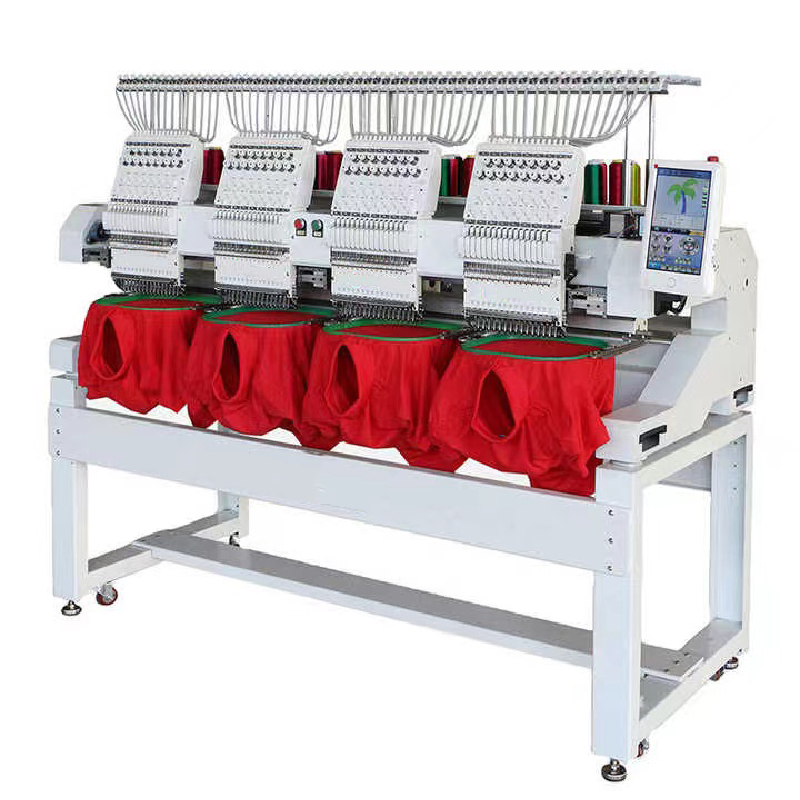
Between 2010 and 2020, the "Digital Shift" occurred. The introduction of the first generation of computer-controlled systems allowed for the upload of designs via USB, significantly reducing lead times and introducing the 4 head embroidery machine as a standard for medium-sized batches.

From 2021 to the present, the focus has shifted to "Smart Manufacturing." Current systems now feature IoT connectivity, real-time thread break detection, and high-speed servo motors that optimize energy consumption in line with Cambodia's industrial electricity goals.

Future Development Trends

Eco-Friendly Thread Integration

Driven by EU sustainability mandates, future machines will be optimized for recycled polyester and organic threads, requiring finer tension control systems.

AI-Driven Pattern Optimization

We expect a shift toward software that automatically adjusts stitch density based on fabric thickness to prevent puckering in lightweight Cambodian silks.

Cloud-Based Fleet Management

Factories will soon manage multiple machine clusters remotely, synchronizing designs across various heads from a centralized digital dashboard.

Industry Trends and Future Outlook 2025-2030

Strategizing for the next wave of textile automation in Southeast Asia.

Hyper-Automation
Transitioning from manual loading to semi-automated garment positioning to increase hourly output.
Precision Customization
Growth in "on-demand" embroidery for small brands, favoring high-flexibility digital interfaces.
Energy Optimization
Implementation of energy-saving motors to reduce operational costs in power-constrained regions.
Material Versatility
Expanding capabilities to embroider on synthetic leather and heavy-duty industrial fabrics.

Industry Outlook

Based on Google search trends in the region, there is a growing interest in "smart textile machinery," suggesting that Cambodian business owners are proactively seeking technology to bridge the productivity gap with neighboring Vietnam and Thailand.

The next 3-5 years will likely see a consolidation of small workshops into larger, technology-driven hubs. Those investing in versatile, multi-functional equipment will be best positioned to handle the volatility of global fashion cycles.

Localized Application Scenarios in Cambodia

Real-world deployments across the Cambodian garment landscape.

1. High-Volume Export Garments (Phnom Penh)

Large scale factories utilizing multi head embroidery machine units to produce thousands of branded polos and jackets for international retail chains.

2. Boutique Fashion and Silk Work (Siem Reap)

Local designers using an embroidery machine single head to add intricate, traditional Khmer patterns to high-end silk scarves and traditional attire.

3. Sports and Promotional Headwear

Specialized workshops deploying the cap embroidery machine to serve the growing demand for corporate promotional caps and local sports team gear.

4. Mid-Sized Uniform Production

Schools and corporate offices utilizing a 4 head embroidery machine for efficient production of embroidered logos on uniforms and workwear.

5. Fast-Fashion Sampling Centers

Design studios implementing a digital embroidery machine for rapid prototyping, allowing for instant design iterations before mass production.

Brand Story

Global Development Journey of Xingtai Pufa Trading Co., Ltd.

The Foundation of Precision

Established with a vision to democratize industrial embroidery, we began by solving the most common pain point: the balance between high speed and stitch stability.

Technological Breakthrough

We invested heavily in R&D to eliminate thread breakage, developing a proprietary tension system that handles a wide variety of fabric weights.

Expanding Horizons

Recognizing the needs of emerging markets, we adapted our hardware to withstand varied environmental conditions, including high humidity and temperature.

Global Support Network

We built a comprehensive service infrastructure to ensure that our clients, from Asia to Africa, receive prompt technical support and genuine parts.

The Future of Stitching

Today, we lead the way in integrating digital intelligence into textile machinery, ensuring our partners stay competitive in a globalized market.

Cambodia Industrial Embroidery FAQs

Expert answers to the most common technical and operational questions in the region.

Which multi head embroidery machine is best for high-humidity environments in Cambodia?

We recommend machines with reinforced anti-corrosion coatings on internal components and advanced lubrication systems to prevent rust and maintain smooth movement in humid climates.

How does a digital embroidery machine improve production speed for local garment exporters?

Digital machines allow for instantaneous design uploads and precise stitch counts, eliminating the need for manual setup and drastically reducing the error rate during mass production.

What is the difference between a 4 head embroidery machine and a single head model for a startup?

An embroidery machine single head is ideal for sampling and personalized items, while a 4 head model allows you to produce four identical items simultaneously, quadrupling your output for small batch orders.

Can a cap embroidery machine handle both structured and unstructured hats?

Yes, our specialized cap machines feature adjustable hoops and curved frames designed to accommodate various headwear types, ensuring a seamless finish on both structured and soft caps.

What maintenance is required for an embroidery machine single head in a small workshop?

Daily cleaning of the bobbin area and weekly lubrication of the moving parts are essential. We also recommend regular software updates to ensure optimal performance.

How do I choose the right number of heads for my factory's capacity?

Evaluate your average daily order volume. For customized orders, a single or 4-head machine is efficient. For high-volume export contracts, a multi-head system is necessary to meet deadlines.

Ready to Upgrade Your Production?

Contact our experts today for a customized equipment consultation tailored to the Cambodian market. We help you scale your business with the right technology in Cambodia.

Contact Us Now

If you are interested in our products, you can choose to leave your information here, and we will be in touch with you shortly.
