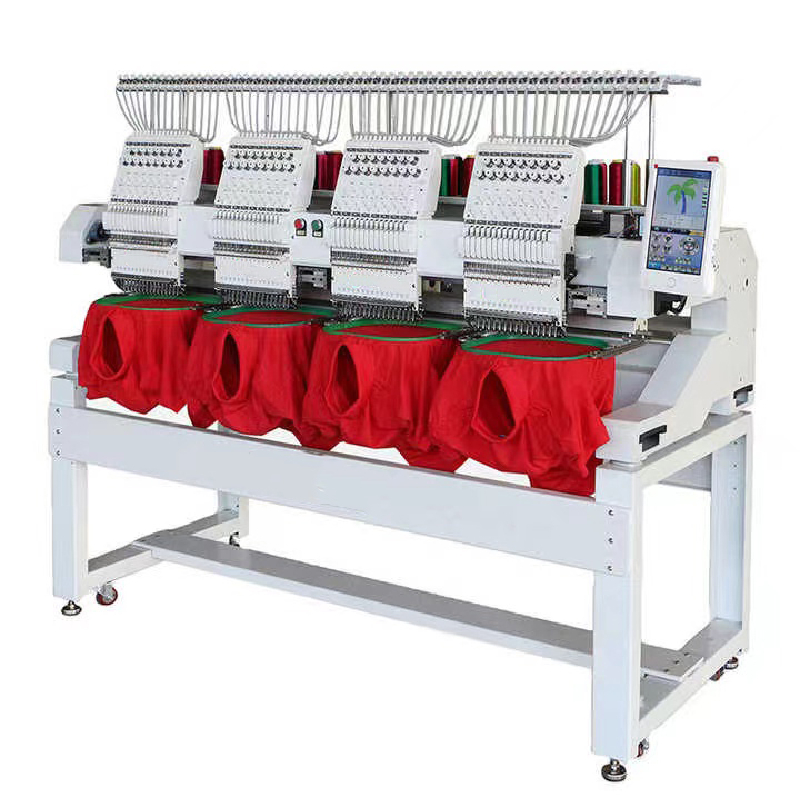
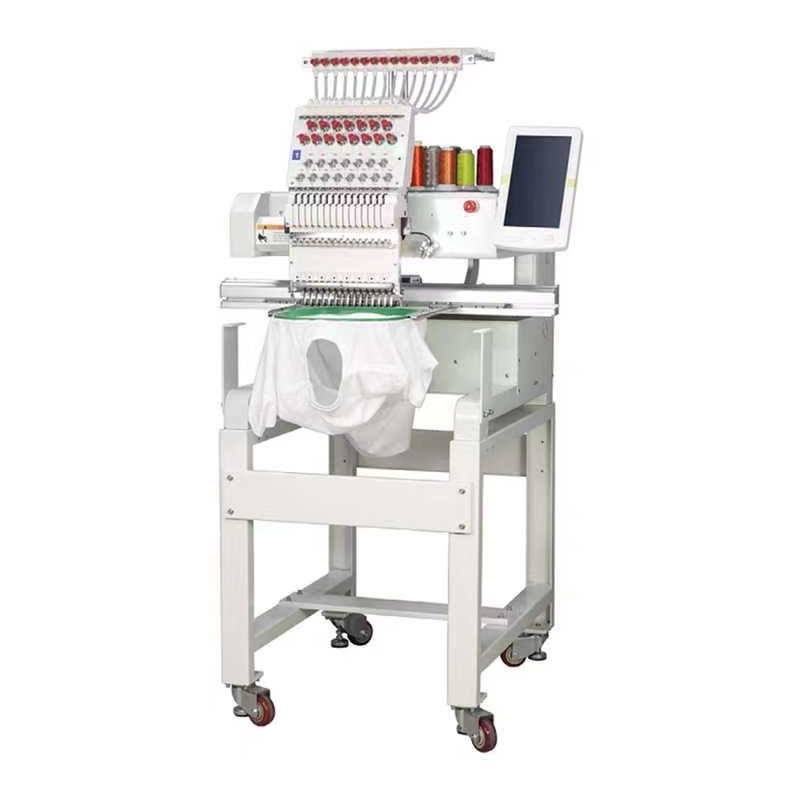
Advanced digital embroidery machine Solutions for Chile's Textile Industry

Empowering Chilean garment manufacturers with high-precision automation and scalable embroidery technology to compete in the global fashion market.

The Current Landscape of Textile Embroidery in Chile

Analyzing the integration of automated embroidery in South America's most stable economy.

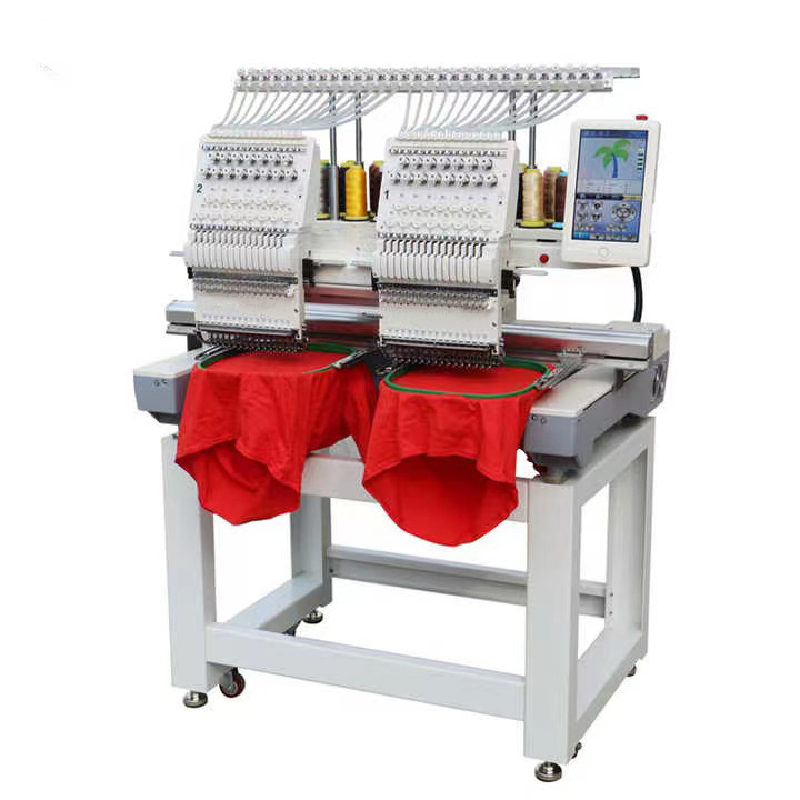
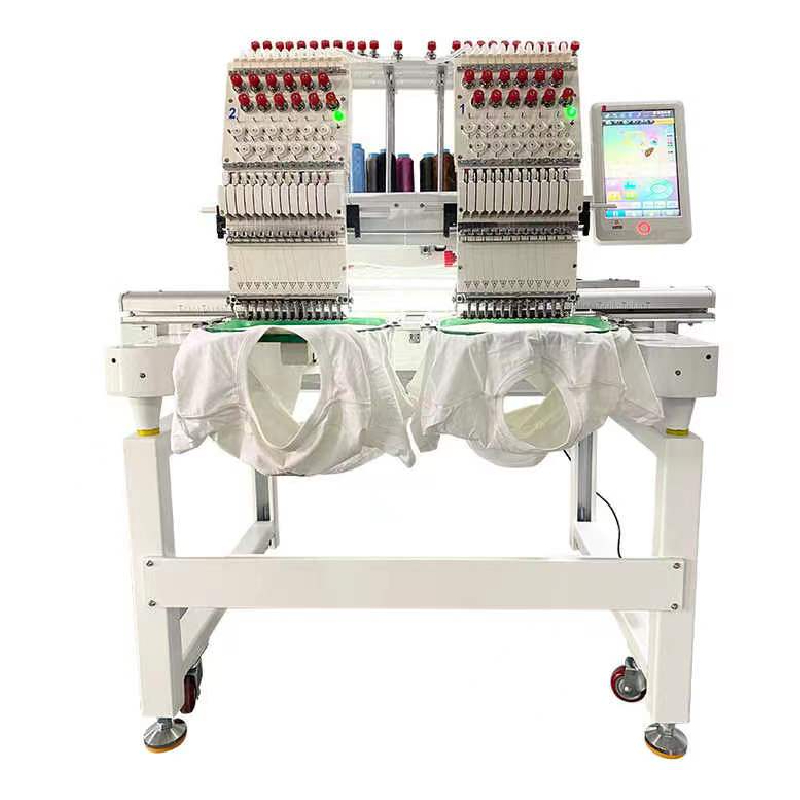
Chile's textile sector is currently undergoing a significant transition from manual craftsmanship to automated production. In urban hubs like Santiago and Valparaíso, there is a rising demand for high-efficiency equipment such as the multi head embroidery machine to keep up with the fast-paced demands of the corporate apparel and sportswear markets.

The geographical diversity of Chile, from the arid north to the humid south, requires machinery that is durable and resistant to varying environmental conditions. Local workshops are increasingly adopting technology that reduces waste and optimizes thread consumption to combat the high cost of imported raw materials.

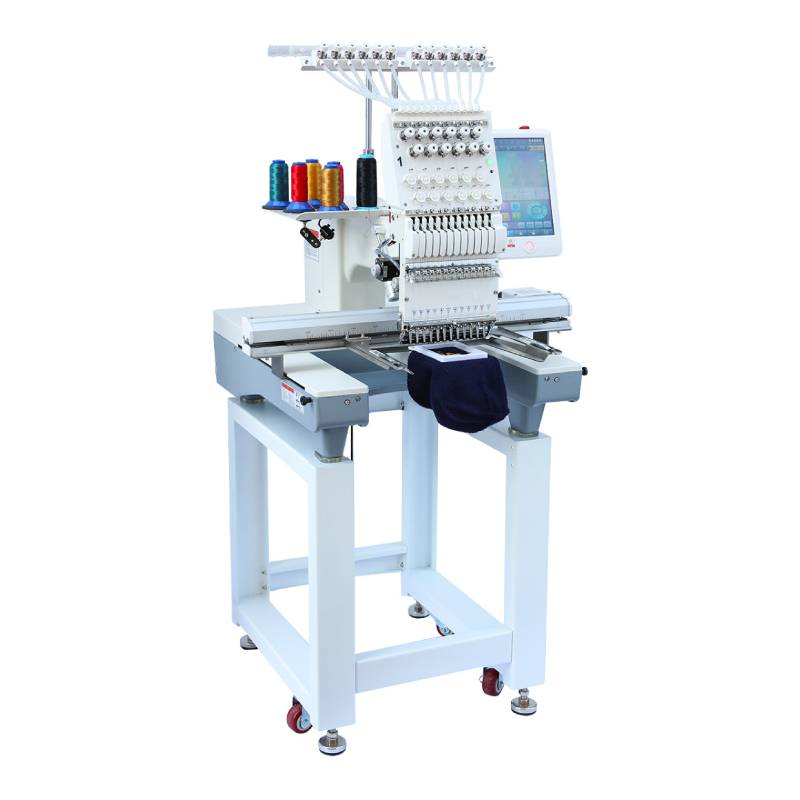
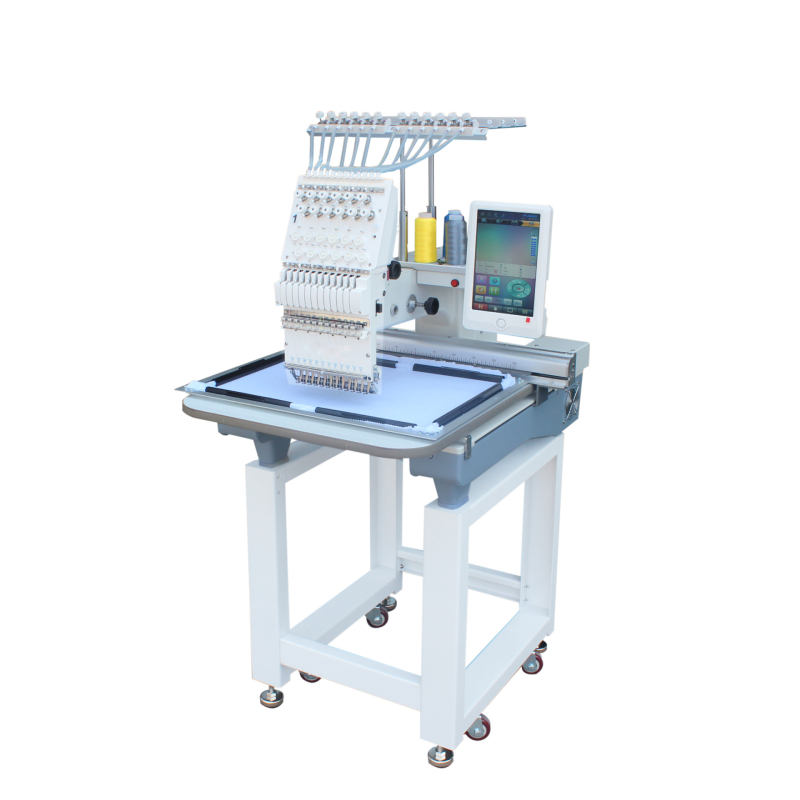
Currently, the market is split between small-scale artisanal studios using an embroidery machine single head for personalized luxury goods and medium-sized factories scaling their operations to meet international export standards through digital integration.
Evolution of Embroidery Technology in the Chilean Market

From traditional needlework to the era of intelligent digital precision.

Market Development History

Prior to 2010, the Chilean embroidery market was dominated by mechanical looms and manual machines, which were labor-intensive and limited in design complexity. Production was slow, and consistency across large batches was a significant challenge for local manufacturers.

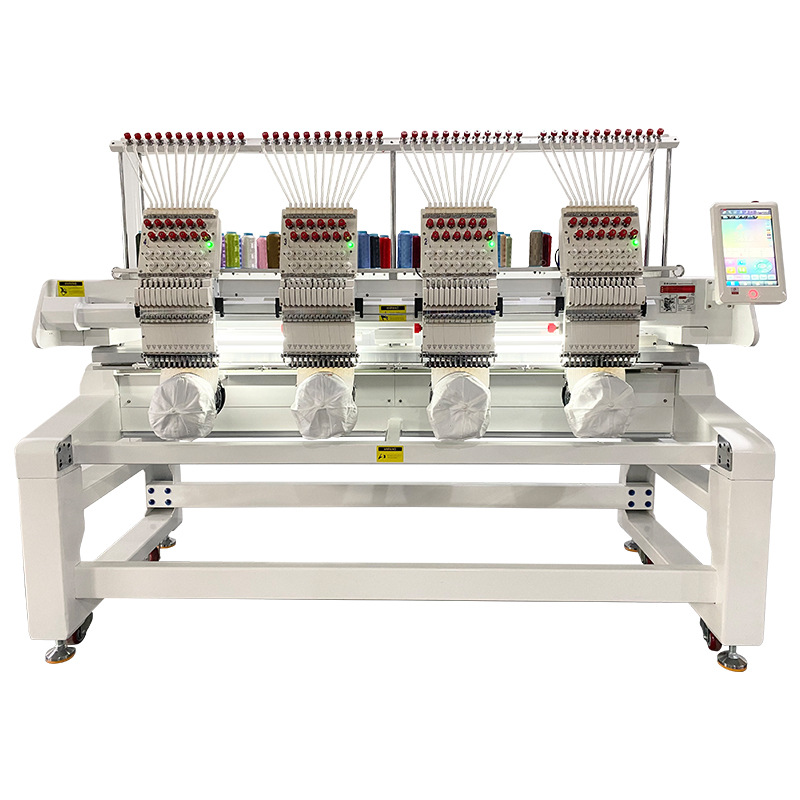
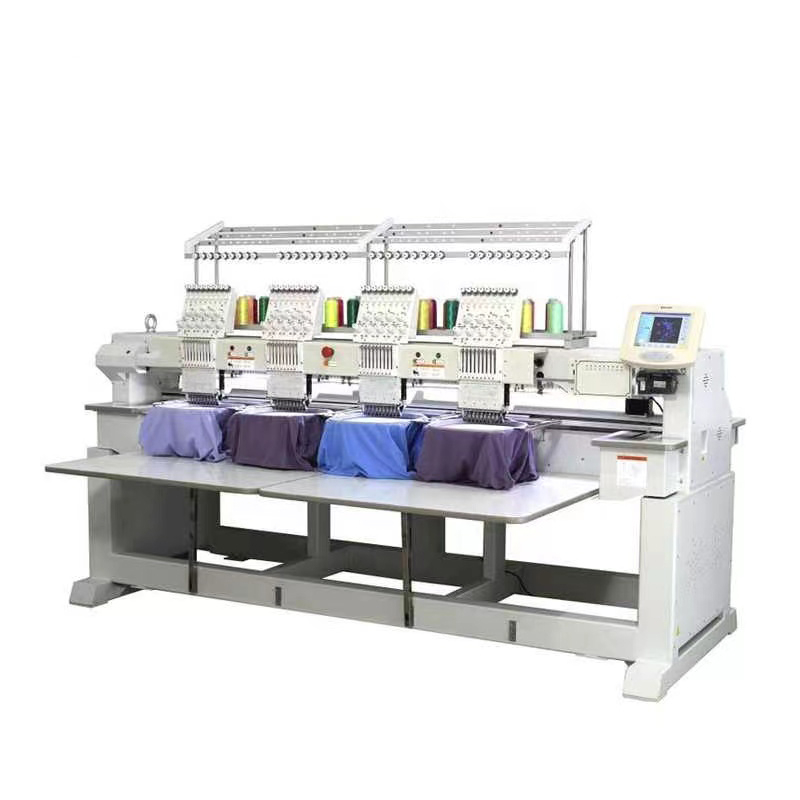
Between 2011 and 2018, the introduction of early computer-controlled systems marked the first wave of modernization. The adoption of the 4 head embroidery machine allowed small businesses to multiply their output without requiring a massive industrial footprint, bridging the gap between home studios and factories.

From 2019 to the present, the focus has shifted toward "Smart Manufacturing." Integration with CAD software and the widespread use of the cap embroidery machine have enabled the local fashion industry to diversify into specialized headwear and technical outdoor gear.

Future Development Trends

IoT-Enabled Remote Monitoring

We predict that Chilean factories will increasingly implement IoT sensors to monitor machine health and thread breakage in real-time, reducing downtime in remote regions.

Sustainable Threading Systems

Driven by Chile's strict environmental regulations, there is a trend toward machines that support biodegradable threads and energy-efficient servo motors.

AI-Driven Pattern Optimization

Future iterations will likely feature AI that automatically adjusts tension based on fabric thickness, specifically for Chile's diverse wool and synthetic textile imports.

Industry Trends and Future Outlook

Strategic directions for the next 3-5 years in the South American embroidery sector.

Hyper-Customization
Shift toward "on-demand" embroidery where single-unit custom orders are produced as efficiently as mass batches.
Eco-Textile Integration
Optimization of machines to handle recycled polyester and organic cotton fabrics common in Chilean eco-fashion.
Cloud-Based Workflow
Direct upload of designs from cloud storage to machines, eliminating manual USB transfers.
Modular Scalability
Development of machines that can easily be upgraded from single-head to multi-head configurations.

Industry Outlook

The Chilean embroidery market is poised for a growth spurt as local brands seek to reduce dependence on Asian imports. By integrating high-speed digital technology, Chilean manufacturers can offer faster turnaround times for local boutiques.

We expect a convergence of fashion and technology, where embroidery machines are no longer just tools but integrated parts of a digital ecosystem, syncing with e-commerce platforms to automate the production of custom-designed apparel.

Localized Application Scenarios in Chile

How our embroidery solutions solve real-world production challenges across different Chilean sectors.

01. Santiago Corporate Uniform Production

Utilizing the multi head embroidery machine to produce thousands of standardized company logos for Chile's booming financial and mining service sectors with absolute consistency.

02. Valparaíso Artisanal Fashion Studios

Implementing the embroidery machine single head for high-end, unique design pieces that cater to the artistic and tourist markets of the coast.

03. Andean Outdoor Gear Branding

Applying the cap embroidery machine to create durable, weather-resistant branding on trekking caps and outdoor accessories for the adventure tourism industry.

04. Medium-Scale Apparel Startups

Deploying the 4 head embroidery machine to allow growing clothing brands to scale their production of t-shirts and hoodies without overwhelming their budget.

05. Industrial Workwear Customization

Using digital embroidery machine technology to add safety identifiers and company emblems to heavy-duty workwear used in the Atacama mining region.

Brand Story

Global Development Journey of Xingtai Pufa Trading Co., Ltd.

Foundation and Vision

Established with a mission to democratize high-precision embroidery technology, we focused on solving the reliability issues of early-stage industrial machines.

Technical Breakthroughs

We invested heavily in R&D to develop synchronization systems that ensure every head on a multi-head machine operates with micron-level precision.

Expanding to South America

Recognizing the growth of the Chilean textile market, we tailored our support systems to provide rapid parts delivery and remote technical guidance for South American clients.

Sustainability Initiative

We launched a series of energy-saving motors and waste-reducing software updates to help our global partners meet green manufacturing goals.

Global Leadership

Today, we stand as a leading provider of specialized embroidery equipment, committed to bridging the gap between traditional craft and industrial efficiency.

Common Questions for the Chilean Market

Expert answers to the most frequent technical and commercial queries from our local partners.

Which multi head embroidery machine is best for a medium-sized factory in Santiago?

For medium factories, we recommend a 4 to 12 head configuration. This provides the ideal balance between output volume and floor space, allowing for efficient batch production of uniforms and sportswear.

How does a digital embroidery machine handle different fabric types used in Chile?

Our digital machines feature adjustable tension settings and various hoop sizes, making them compatible with everything from heavy Chilean wools to lightweight synthetic performance fabrics.

Can a cap embroidery machine be used for other small accessories?

Yes, while optimized for headwear, the specialized cylinder frames can often be adapted for small bags, sleeves, or other tubular textile products.

What are the advantages of an embroidery machine single head for startups?

Single-head machines offer lower initial investment, easier operation for one person, and are perfect for high-margin, low-volume custom work like personalized luxury gifts.

Is the 4 head embroidery machine energy efficient for Chilean electricity costs?

Yes, our latest 4-head models utilize high-efficiency servo motors that only consume power during active movement, significantly lowering operational costs compared to older clutch motors.

Do you provide technical support for digital embroidery machine users in remote regions of Chile?

Absolutely. We provide comprehensive remote diagnostic tools and video support to ensure your production remains uninterrupted, regardless of your location in Chile.

Ready to Upgrade Your Production?

Contact our specialists today for a tailored equipment consultation for your business in Chile.

Contact Us Now

If you are interested in our products, you can choose to leave your information here, and we will be in touch with you shortly.