Advanced digital embroidery machine Solutions for Equatorial Guinea

Empowering the garment industry in Equatorial Guinea with high-precision automation and scalable textile technology.

Textile Equipment Landscape in Equatorial Guinea

Analyzing the current state of embroidery manufacturing in Malabo and Bata.

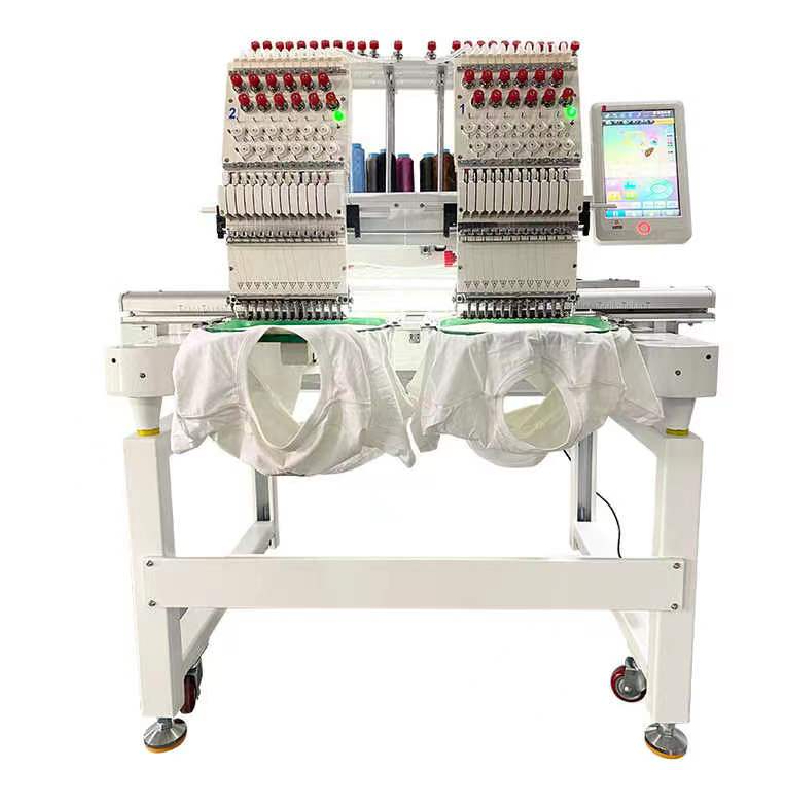
Equatorial Guinea's textile sector is currently transitioning from small-scale artisanal workshops to semi-industrial production. Due to the humid tropical climate, equipment durability and rust resistance are critical factors for operators investing in a multi head embroidery machine to scale their business.

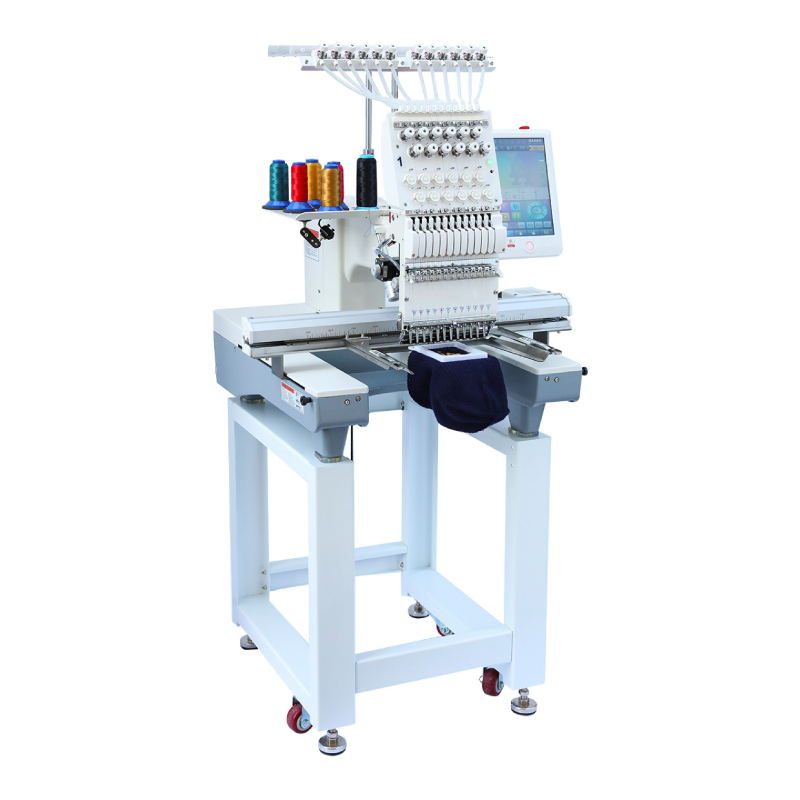
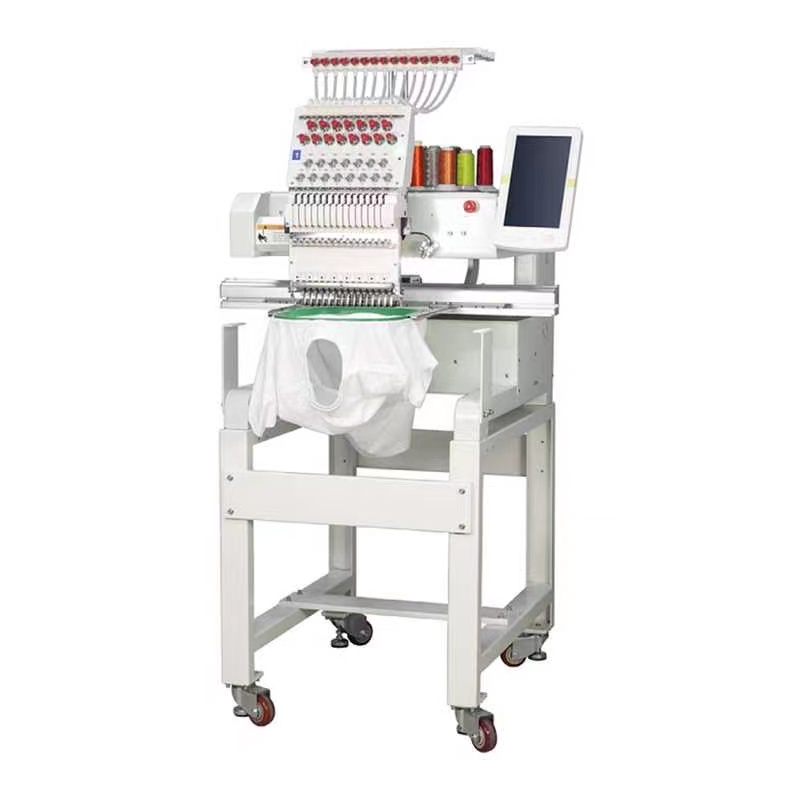
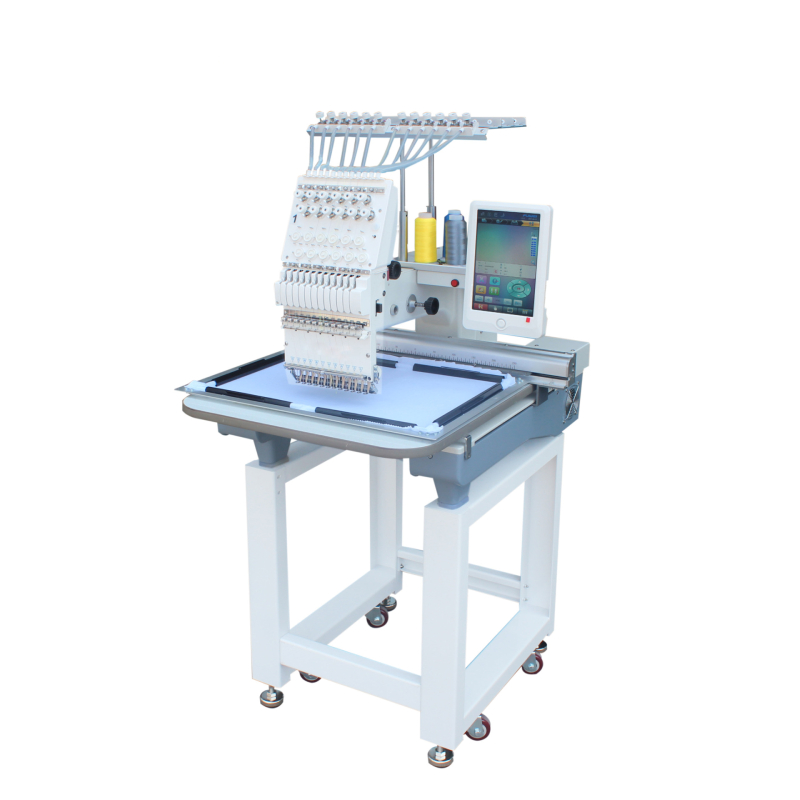
The local market sees a rising demand for customized corporate wear and traditional attire. However, the reliance on manual labor has historically limited output. The introduction of the embroidery machine single head has allowed boutique designers in Malabo to offer personalized services without massive capital expenditure.

Despite the economic potential, a gap exists in technical maintenance and digital design skills. As the industry evolves, there is a clear shift toward adopting automated systems that can handle diverse fabrics, ranging from lightweight cottons to heavy upholstery used in local furniture production.
Evolution of Embroidery Technology in Central Africa

From manual craftsmanship to digital precision.

Market Development History

Before 2010, the market was dominated by manual sewing and basic mechanical stitching. Production was slow, and consistency was low, limiting the growth of local garment brands in Equatorial Guinea.

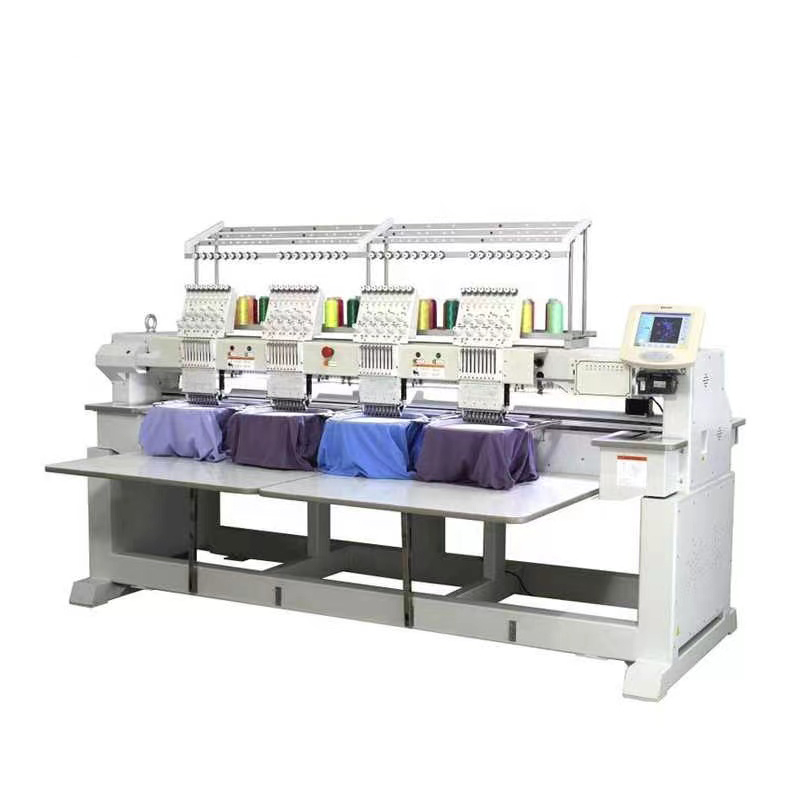
Between 2010 and 2020, the first wave of computerized machines arrived. The adoption of the 4 head embroidery machine allowed medium-sized workshops to increase their hourly output by 400%, marking the beginning of commercialized embroidery.

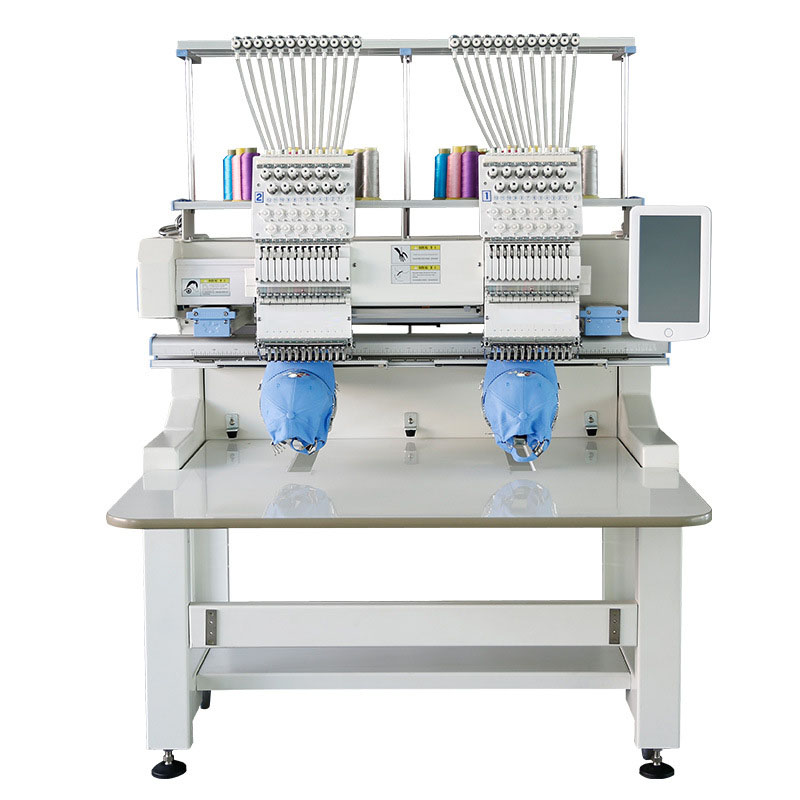
Since 2021, the focus has shifted toward specialization. The rise of streetwear and sports apparel has led to a surge in demand for the cap embroidery machine, enabling precise branding on structured headwear.

Future Development Trends

IoT Integration and Remote Monitoring

Integration of cloud-based design management will allow managers in Equatorial Guinea to send patterns to machines remotely, reducing downtime.

Energy-Efficient Servo Motors

To combat local power fluctuations, the next generation of machines will feature advanced voltage stabilization and low-energy consumption motors.

Sustainable Threading Systems

A shift toward biodegradable threads and eco-friendly dyes will be driven by global sustainability trends and local environmental regulations.

Industry Outlook and Strategic Forecast

Mapping the trajectory of textile automation for 2024-2029.

Hyper-Automation
Shift toward AI-driven pattern optimization to reduce thread waste and increase speed.
Customization Surge
Increased demand for "on-demand" embroidery for the growing youth fashion market in Bata.
Material Diversification
Expansion into leather and synthetic textiles for industrial uniforms and safety gear.
Technical Localization
Rise of local training centers to master digital embroidery software and machine maintenance.

Industry Outlook

The next 3-5 years will see a consolidation of the textile industry in Equatorial Guinea. Based on global search trends, there is a growing interest in "small-batch high-value" production, which will favor the adoption of hybrid machines that can switch between flat and cap embroidery.

We anticipate that digital integration will reduce the cost of production by 20% by eliminating manual pattern drafting errors, making locally produced garments more competitive against imports.

Local Application Scenarios in Equatorial Guinea

Practical implementations of our equipment in real-world business settings.

01. Corporate Branding for Malabo Oil & Gas Firms

Using a multi head embroidery machine to produce high-volume, durable logos on industrial coveralls and safety vests for the energy sector.

02. Boutique Fashion Houses in Bata

Implementation of an embroidery machine single head for high-end, custom-designed traditional dresses and gala attire.

03. Sports Merchandise & Fan Gear

Deploying the cap embroidery machine to create branded headwear for local football clubs and national sporting events.

04. Educational Institutional Uniforms

Utilizing the 4 head embroidery machine to efficiently produce school crests and patches for the growing education sector.

05. Hospitality & Tourism Linens

Applying digital embroidery machine technology to personalize towels and bedding for luxury resorts in the coastal regions.

Brand Story

Global Development History of Xingtai Pufa Trading Co., Ltd.

Foundational Excellence

Established with a vision to bridge the gap between complex industrial engineering and practical garment production for small businesses.

Technological Breakthroughs

Pioneered the integration of intuitive digital interfaces, making high-speed embroidery accessible to non-technical users.

Expanding to Africa

Strategically entered the Central African market, adapting equipment to withstand tropical humidity and power fluctuations.

Customer-Centric Growth

Developed a comprehensive support network to provide training and parts to operators in emerging markets like Equatorial Guinea.

Future Vision

Committed to driving the "Green Textile" revolution through energy-efficient machinery and sustainable manufacturing solutions.

Frequently Asked Questions in Equatorial Guinea

Expert answers to common technical and commercial queries.

How do I choose between a 4 head embroidery machine and a multi head system?

Choose the 4-head system for medium-sized batches and limited space. For large-scale industrial production of uniforms or sportswear, a multi-head system offers significantly higher ROI through volume.

Can a digital embroidery machine operate in high humidity environments?

Yes, our machines feature anti-corrosion coatings on critical components to ensure longevity in tropical climates like Malabo and Bata.

What is the learning curve for using an embroidery machine single head?

Our single-head machines are designed for intuitive use. With our provided training modules, most beginners can start basic production within 48 hours.

Is a cap embroidery machine compatible with all types of hats?

Our specialized cap machines feature adjustable frames that accommodate baseball caps, snapbacks, and knit beanies with high precision.

How are spare parts delivered to Equatorial Guinea?

We utilize specialized logistics partners to ensure rapid delivery of wear-and-tear parts to Malabo and Bata, minimizing production downtime.

What software is required for these digital embroidery systems?

Our machines are compatible with industry-standard digitizing software, allowing you to import designs via USB or network connection easily.

Ready to Transform Your Production?

Contact our experts today for a customized equipment consultation tailored to the market needs of Equatorial Guinea.

Contact Us Now

If you are interested in our products, you can choose to leave your information here, and we will be in touch with you shortly.