Advanced Digital Embroidery Machine Solutions for Ethiopia's Textile Growth

Empowering Ethiopian garment manufacturers with precision, efficiency, and scalable automation to compete in the global fashion market.

The Current State of Ethiopia's Industrial Embroidery Sector

Analyzing the intersection of traditional craftsmanship and industrialization in the Horn of Africa.

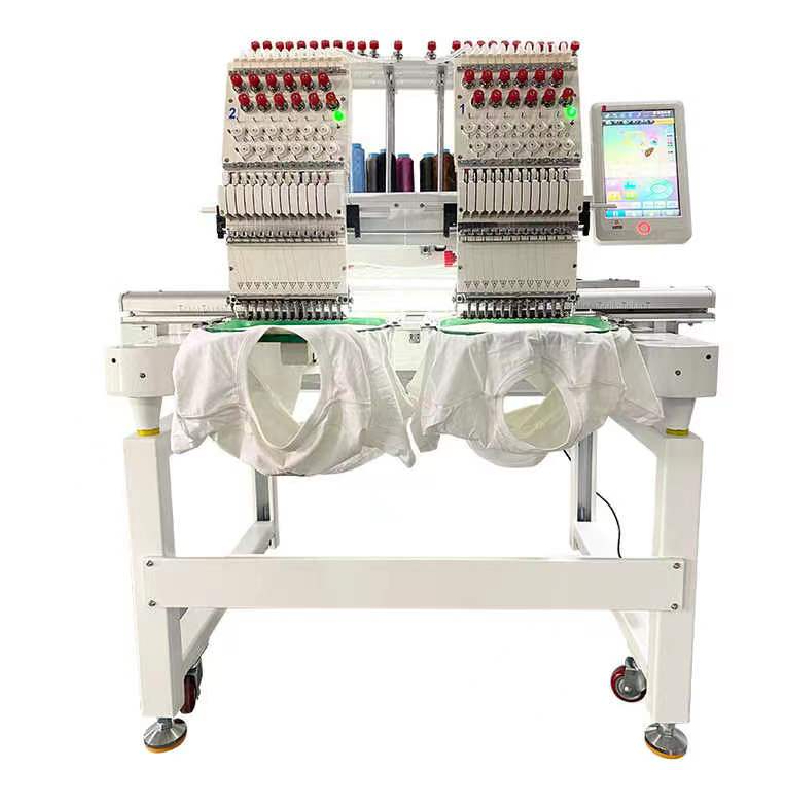
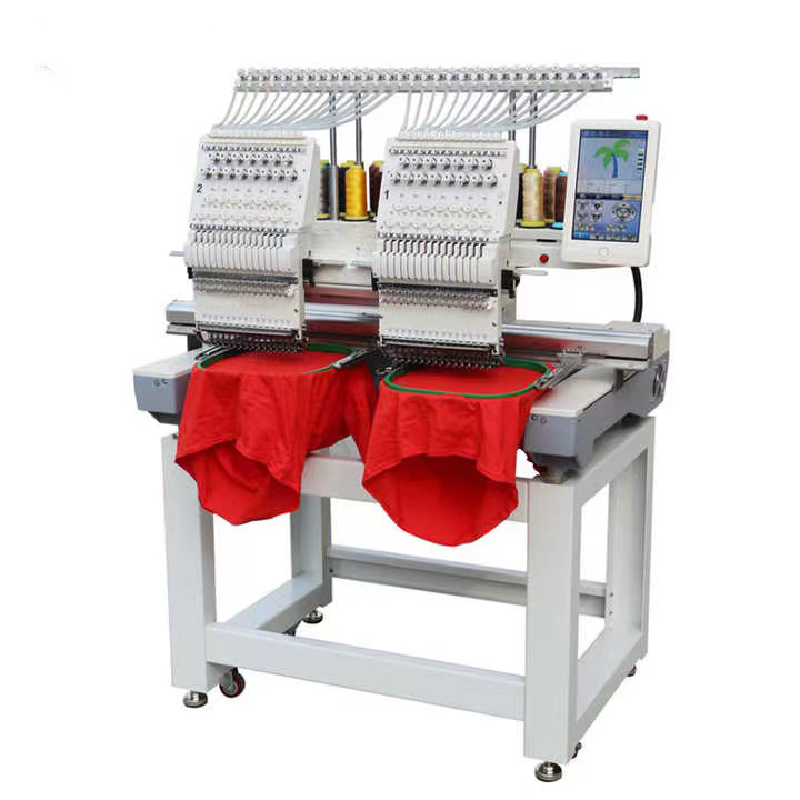
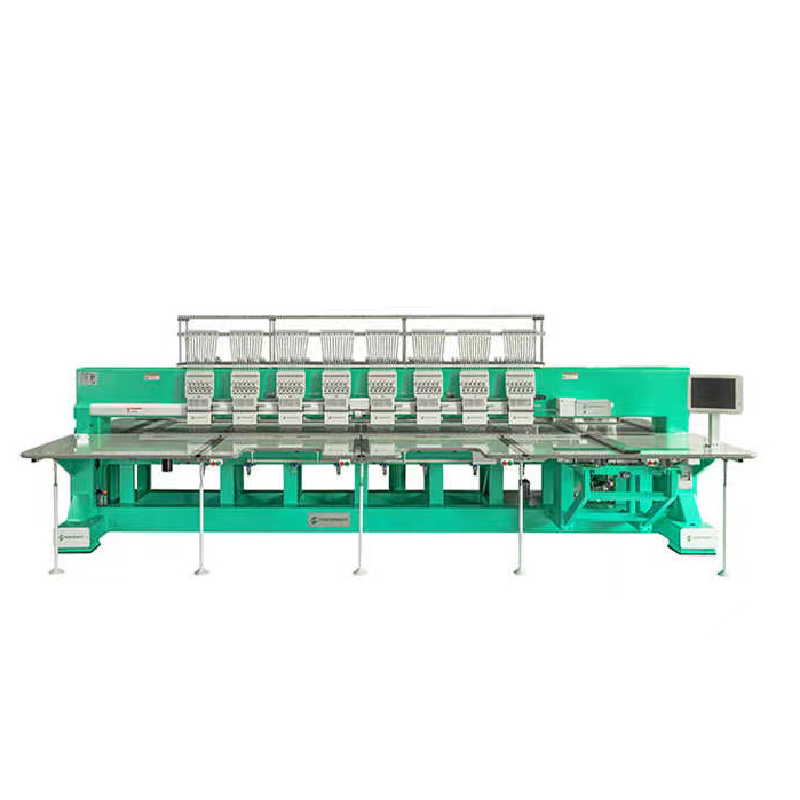
Ethiopia is rapidly transforming into a textile hub, driven by the expansion of industrial parks and a competitive labor force. However, the industry faces challenges with power stability and the need for robust machinery that can withstand high-utilization environments. The demand for a multi head embroidery machine has surged as factories move from simple stitching to high-value garment exports.

In local markets, there is a significant shift toward diversification. While traditional hand-embroidery remains culturally vital, the commercial sector is adopting cap embroidery machine technology to enter the corporate branding and sports apparel niche, which is growing among the urban youth in cities like Addis Ababa and Dire Dawa.

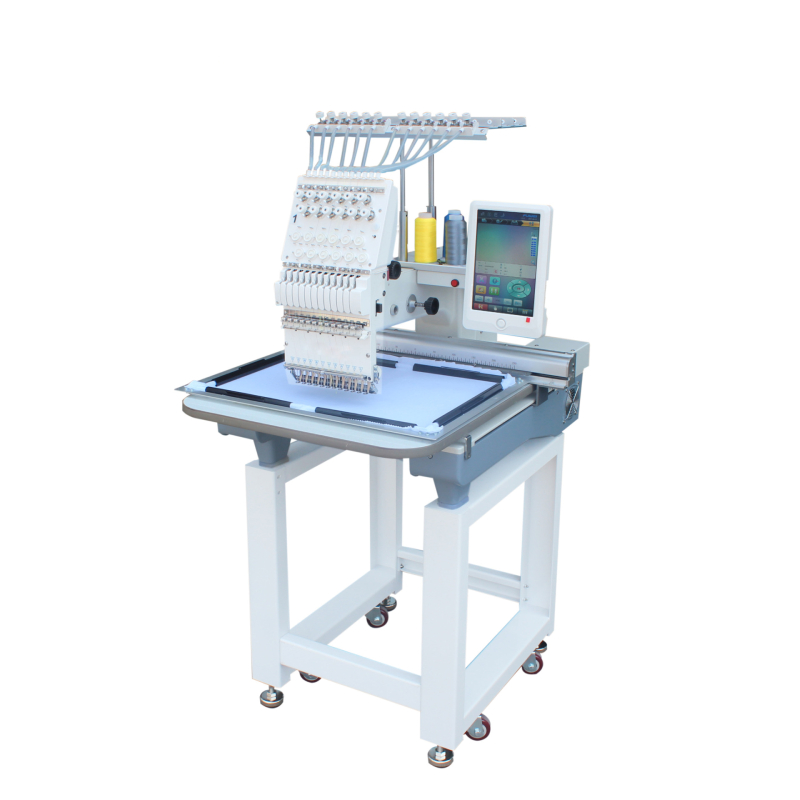
Economic volatility and fluctuating raw material imports mean that Ethiopian manufacturers prioritize "cost-per-stitch" efficiency. This has led to a preference for versatile equipment, such as the embroidery machine single head for sampling and custom boutiques, ensuring minimal waste and maximum precision.
Evolution and Trajectory of Embroidery Technology in Ethiopia

Tracing the journey from manual looms to AI-driven digital precision.

Market Development History

Prior to 2010, the Ethiopian market relied heavily on manual embroidery and outdated mechanical looms. Production was slow, and consistency was difficult to maintain across large batches, limiting the ability to fulfill international export orders.

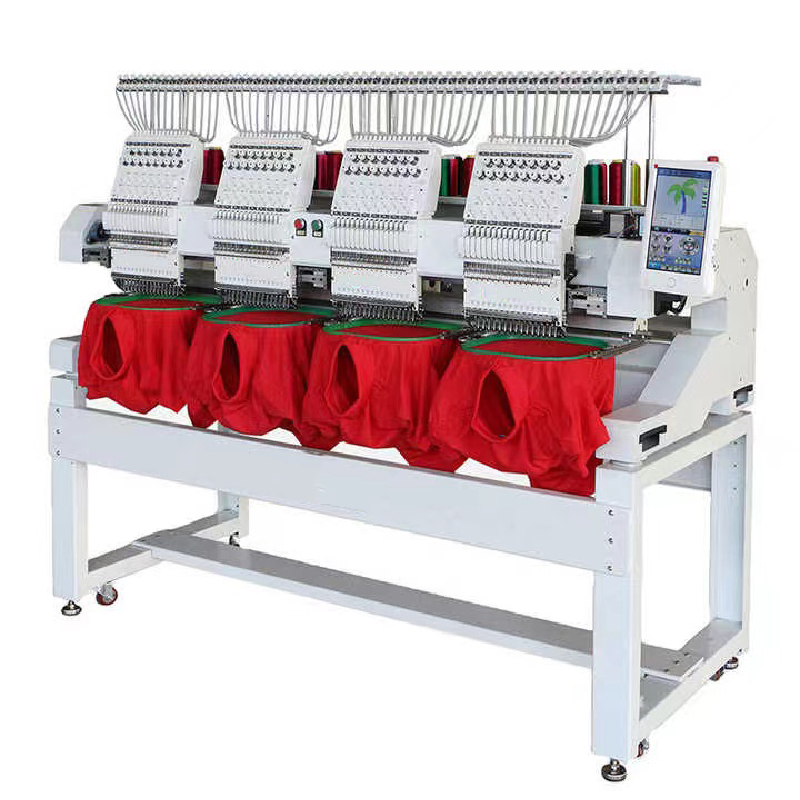
Between 2012 and 2018, the "Industrial Park Era" introduced basic automation. The arrival of the 4 head embroidery machine allowed medium-sized enterprises to scale production without requiring massive floor space, bridging the gap between artisanal work and mass production.

From 2019 to the present, the integration of IoT and cloud-based design software has revolutionized the field. Today, the transition to fully synchronized digital systems allows factories to upload complex designs instantly, reducing setup times by over 60%.

Future Development Trends

Eco-Friendly Thread Integration

As global buyers demand sustainability, Ethiopia will see a rise in machines optimized for recycled polyester and organic cotton threads to meet EU and US import standards.

Smart Maintenance Alerts

To combat downtime caused by lack of local specialized technicians, future machines will feature remote diagnostics and predictive maintenance via mobile apps.

Hyper-Customization (On-Demand)

The growth of e-commerce in Ethiopia will drive the demand for small-batch, high-speed customization, favoring agile equipment configurations.

Industry Trends and Future Outlook (2024-2029)

Strategic forecasting based on Google Search Trends and regional economic data.

Automation Integration
Shift toward fully automated thread-cutting and color-changing systems to reduce manual labor costs.
Energy Efficiency
Implementation of low-voltage servo motors to handle Ethiopia's power grid fluctuations more effectively.
Digital Design Synergy
Integration of AI-powered digitizing software to convert Ethiopian cultural patterns into machine-ready files.
Export Market Scaling
Increasing throughput capacity to leverage the African Continental Free Trade Area (AfCFTA) agreements.

Industry Outlook

Over the next 3-5 years, the Ethiopian embroidery market is expected to shift from "quantity-first" to "quality-first." Google search trends indicate a growing interest in high-precision equipment that can handle intricate traditional Habesha designs with industrial speed.

We predict a consolidation of small workshops into larger, tech-enabled hubs. This will drive the adoption of high-head-count machines and centralized design studios, making Ethiopia a competitive force in the global luxury textile market.

Localized Application Scenarios in Ethiopia

Real-world implementation of embroidery technology across diverse Ethiopian sectors.

1. Traditional Habesha Dress Modernization

Using digital systems to replicate complex cultural patterns on traditional cotton fabrics, ensuring consistency across mass-produced ethnic wear for the diaspora market.

2. Corporate Branding in Addis Ababa

Deployment of specialized equipment for high-volume corporate identity projects, focusing on polo shirts and uniforms for the growing banking and telecom sectors.

3. Sports Apparel and Merchandise

Utilizing dedicated headgear capability for the production of national team caps and local football club merchandise during major sporting events.

4. Luxury Hotel Linen Customization

Providing high-thread-count embroidery for the luxury hospitality sector in Ethiopia's tourist hubs, focusing on towels, robes, and bedding.

5. Small-Scale Entrepreneurial Boutiques

Empowering youth-led startups with compact, high-precision machines to offer on-demand personalization for urban fashion trends.

Brand Story

Global Development Journey of Xingtai Pufa Trading Co., Ltd.

Foundational Excellence

Established with a vision to democratize industrial embroidery, we began by perfecting the core mechanical stability of our machines for harsh environments.

Digital Transformation

We transitioned from purely mechanical systems to integrated digital platforms, allowing users to bridge the gap between artistic design and industrial output.

Global Market Expansion

By identifying specific pain points in emerging markets like Africa, we optimized our hardware for power resilience and ease of maintenance.

Sustainability Commitment

We integrated energy-saving technologies and reduced-waste mechanisms to support the global shift toward "Green Manufacturing."

The Future Vision

Our mission is to empower every textile producer in Ethiopia with tools that combine traditional heritage with futuristic efficiency.

Ethiopian Industrial Embroidery FAQ

Answers to common technical and commercial questions from our local partners.

How does a 4 head embroidery machine improve production for small factories?

A 4 head system allows for simultaneous production of four identical items, quadrupling output without increasing the design time, making it ideal for scaling small Ethiopian workshops into medium enterprises.

Are your digital embroidery machines compatible with standard design software?

Yes, our systems support most industry-standard DST and PES files, ensuring that designers in Addis Ababa can easily upload their patterns via USB or network connection.

Can a cap embroidery machine handle various headwear sizes?

Absolutely. Our machines feature adjustable frames that accommodate structured caps, beanies, and soft hats, allowing for diverse product lines in the sportswear market.

What is the advantage of an embroidery machine single head for sampling?

Single head machines are perfect for prototyping and "one-off" custom pieces, allowing manufacturers to verify designs before committing to a full run on multi-head machines.

How do multi head embroidery machines handle power fluctuations in Ethiopia?

Our machines are built with industrial-grade power regulators and servo motors that offer better stability and protection against voltage spikes common in regional grids.

What maintenance is required for high-speed digital embroidery equipment?

Regular lubrication of the moving parts and cleaning of the bobbin area are essential. We provide comprehensive digital manuals and remote support to ensure peak performance.

Ready to Scale Your Production?

Get professional consultation and custom equipment quotes for your business in Ethiopia.

Contact Us Now

If you are interested in our products, you can choose to leave your information here, and we will be in touch with you shortly.
