Advanced Digital Embroidery Machine Solutions for Indonesia Textile Industry

Empowering Indonesian garment manufacturers with high-precision automation to scale production and enhance artisan quality.

Current Landscape of Embroidery Manufacturing in Indonesia

Analyzing the synergy between traditional Batik artistry and modern industrial automation.

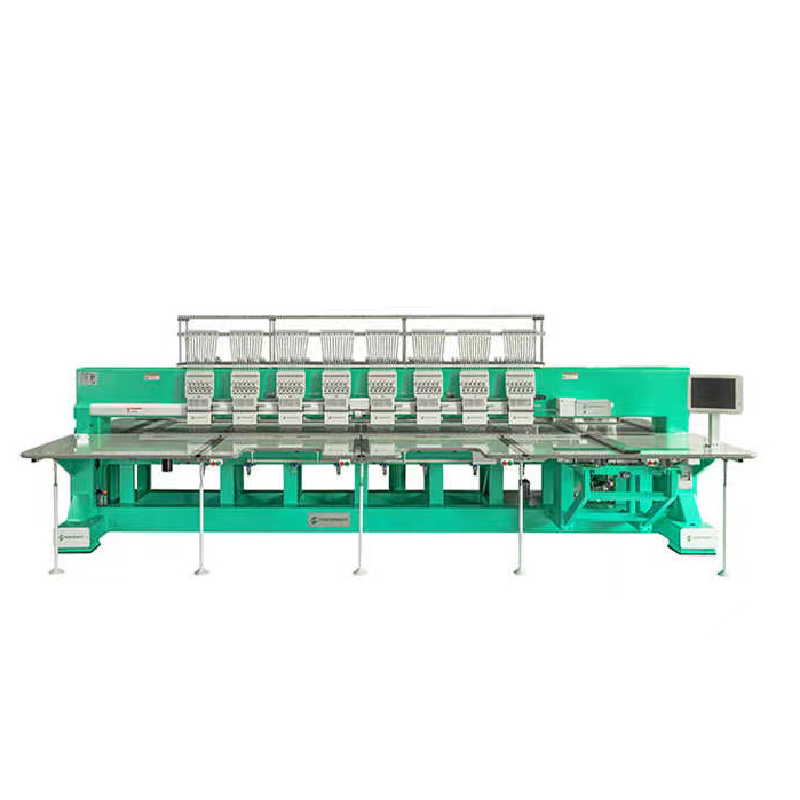
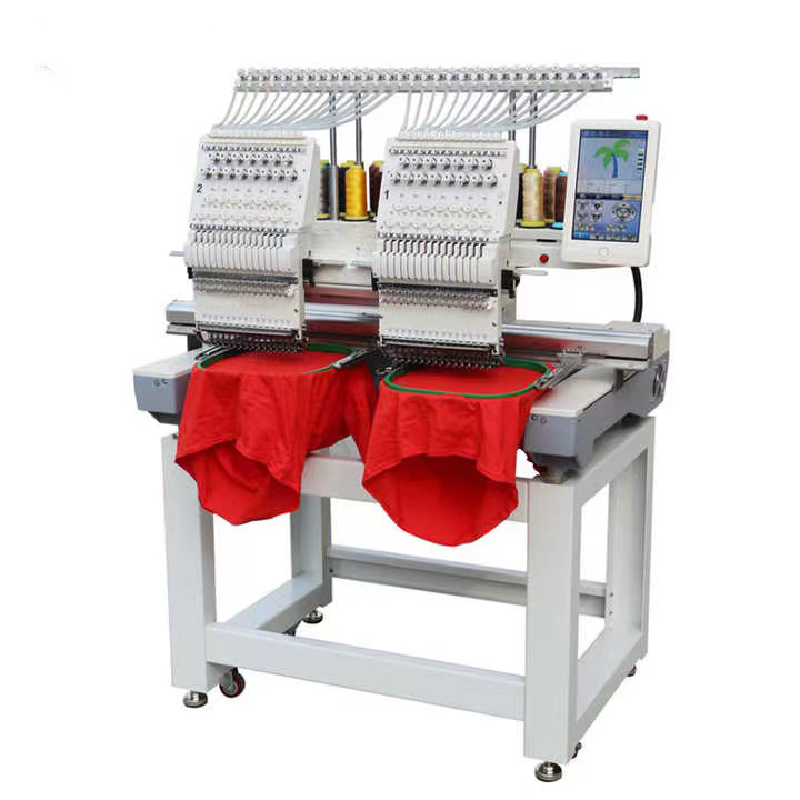
Indonesia's textile sector is currently undergoing a massive digital transformation. With a strong heritage in traditional apparel, many local workshops are transitioning from manual hand-stitching to utilizing a multi head embroidery machine to meet the growing demand for export-quality garments and fast-fashion cycles.

The tropical climate of Indonesia presents specific challenges for machinery maintenance, particularly regarding humidity-induced tension issues. This has led to an increased demand for industrial-grade hardware that can maintain consistent stitch quality across high volumes of production in cities like Jakarta and Bandung.

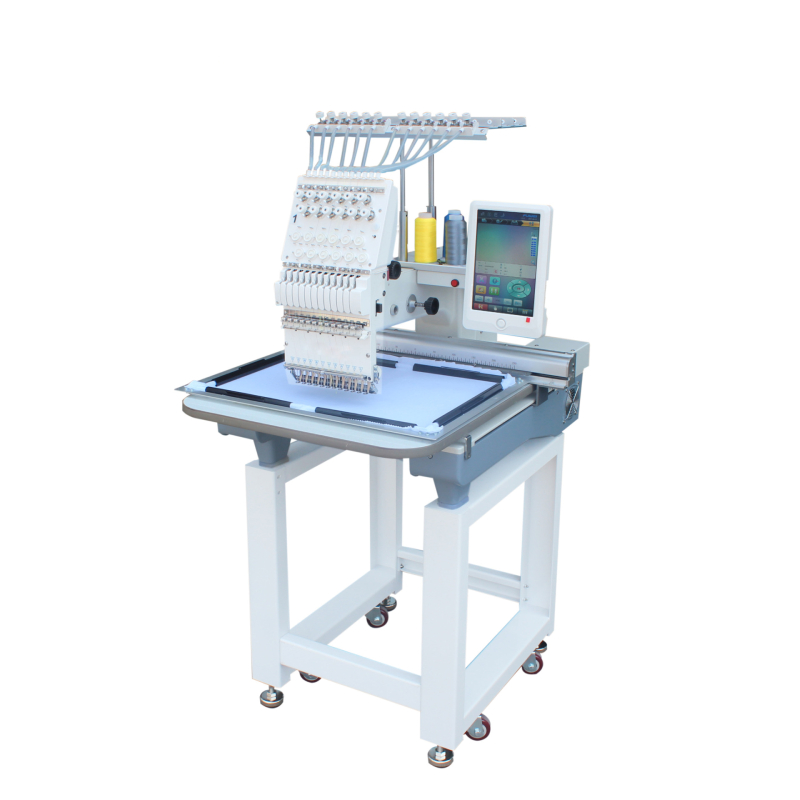
Moreover, the rise of SME (Small and Medium Enterprise) hubs in the region has created a niche for versatile equipment. Many entrepreneurs are now adopting the embroidery machine single head for customized, small-batch orders, allowing for greater flexibility in design and faster turnaround times.
Technological Evolution and Growth Trajectory

From manual looms to AI-driven precision stitching.

Market Development History

In the early 2000s, the Indonesian market relied heavily on semi-automated machinery. Production was slow, and design changes required extensive manual re-tooling, limiting the ability of local factories to compete globally.

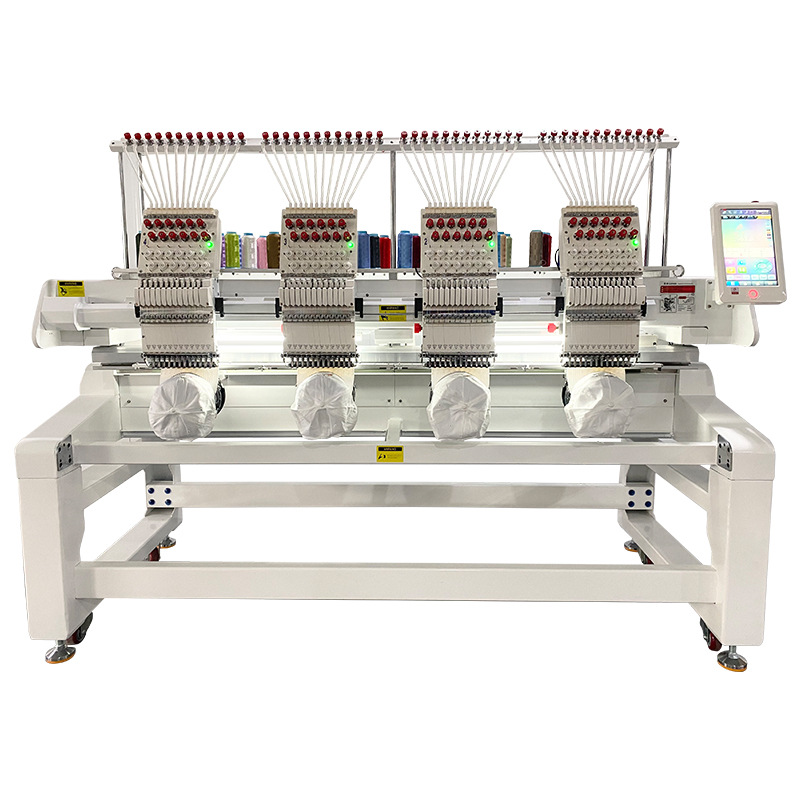
Between 2010 and 2020, the introduction of CNC-based systems revolutionized the industry. The adoption of the 4 head embroidery machine allowed mid-sized factories to balance production speed with space efficiency, marking the era of "Industrialization 2.0" in the local textile sector.

Today, the industry has entered the era of smart manufacturing. The integration of cloud-based design software and IoT-enabled hardware allows for real-time monitoring and seamless pattern uploads, drastically reducing waste and downtime.

Future Development Trends

Eco-Friendly Thread Integration

Driven by global sustainability trends, Indonesian manufacturers are shifting toward biodegradable threads and energy-efficient motors to reduce the carbon footprint of mass production.

Hyper-Personalization

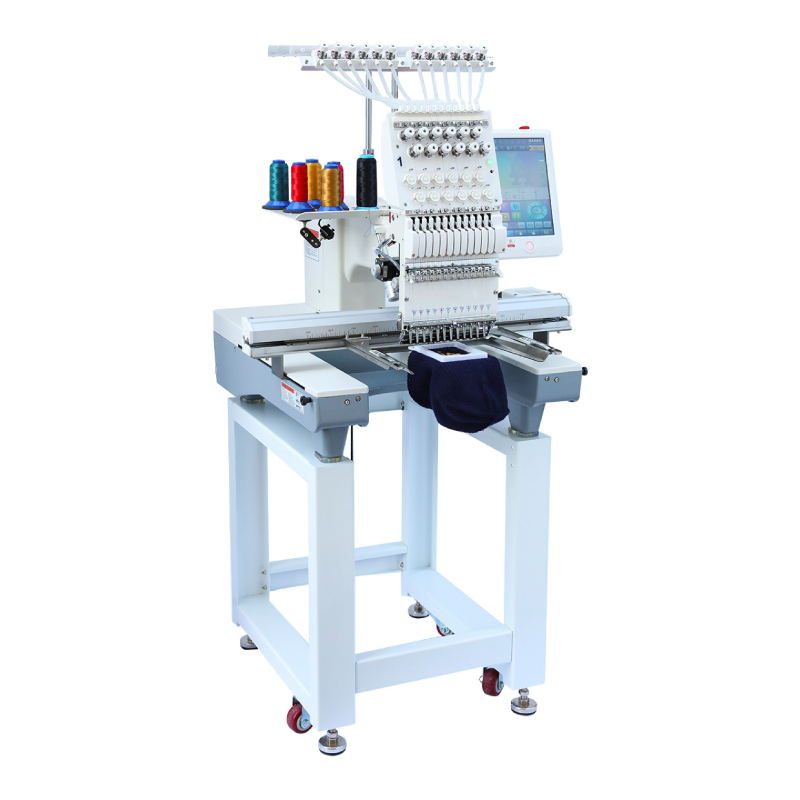
The growth of e-commerce in Southeast Asia is driving the demand for on-demand customization, making the cap embroidery machine essential for personalized streetwear and corporate branding.

AI-Driven Pattern Optimization

Future systems will likely incorporate AI to automatically adjust tension and stitch density based on the fabric type, ensuring zero-defect production for luxury textiles.

Industry Trends and Future Outlook

Strategic forecasts for the specialized equipment sector in Indonesia.

Automated Precision
Shift towards zero-error automated stitching to meet international luxury garment standards.
Modular Scaling
Implementing modular hardware layouts that allow factories to expand head counts as they grow.
Cloud Integration
Remote design management and real-time production tracking via integrated cloud software.
Smart Energy
Reduction of electricity consumption through high-efficiency servo motors and smart power modes.

Industry Outlook

Based on Google search trends for "automated textile machinery" in Southeast Asia, there is a clear pivot towards equipment that offers multi-functionality. The synergy between a cap embroidery machine and flat-bed systems is becoming a requirement for full-service garment hubs.

Over the next 3-5 years, we anticipate the Indonesian market to move away from generic hardware towards specialized, high-speed systems that can handle complex ethnic patterns (like Batik-inspired embroidery) with the precision of a digital interface.

Localized Application Scenarios in Indonesia

Real-world implementations of embroidery technology across various Indonesian sectors.

01. High-Volume Uniform Production in Jakarta

Utilizing the multi head embroidery machine to produce standardized corporate and school uniforms for the metropolitan area, ensuring consistent logo placement and high durability.

02. Boutique Batik Modernization in Yogyakarta

Integrating the embroidery machine single head into traditional ateliers to add intricate, modern embroidered accents to handmade Batik fabrics.

03. Streetwear Brand Scaling in Bandung

Implementing the cap embroidery machine to facilitate the rapid growth of local urban fashion brands specializing in customized headwear and snapbacks.

04. Mid-Sized Garment Export Hubs in West Java

Using the 4 head embroidery machine to maintain a balance between high-speed output and the ability to switch designs quickly for different international clients.

05. Custom Apparel Startups in Bali

Employing a digital embroidery machine to create personalized tourist souvenirs and high-end resort wear with complex, nature-inspired patterns.

Brand Story

The Global Development Journey of Xingtai Pufa Trading Co., Ltd.

Foundation and Local Roots

Started with a mission to provide reliable machinery to local artisans, focusing on durability and ease of use for small workshops.

Technological Breakthrough

Invested heavily in R&D to transition from mechanical controls to digital interfaces, solving the common pain point of design inaccuracy.

Global Market Expansion

Expanded footprints into Asia, specifically Indonesia, by tailoring equipment to withstand humid climates and high-volume production cycles.

Customer-Centric Innovation

Developed a comprehensive support system that provides technical training for local operators to maximize machine lifespan.

Vision for Smart Textiles

Currently leading the shift toward AI-integrated embroidery systems to empower the next generation of global textile manufacturers.

Frequently Asked Questions in Indonesia

Expert answers to common technical and operational queries.

How do I choose between a 4 head embroidery machine and a multi head system?

The choice depends on your volume. A 4-head machine is ideal for mid-sized batches and smaller spaces, while multi-head systems are designed for industrial-scale output where maximum efficiency per operator is required.

Is a digital embroidery machine compatible with traditional Batik designs?

Yes, by digitizing traditional patterns into software, you can replicate intricate Batik-style motifs with perfect precision and consistency across thousands of garments.

Can a cap embroidery machine handle different types of headwear?

Our specialized cap machines feature adjustable frames and cylinders that accommodate structured caps, beanies, and soft hats, making them versatile for various fashion lines.

What are the benefits of an embroidery machine single head for small businesses?

Single head machines offer lower initial investment and higher flexibility for personalized, one-off orders, making them the perfect entry point for customized apparel startups.

How does the humidity in Indonesia affect multi head embroidery machine performance?

High humidity can affect thread tension. We recommend using climate-controlled environments or our specialized anti-corrosion hardware and high-tension guides designed for tropical regions.

What is the typical lead time for shipping digital embroidery machine parts to Indonesia?

We maintain a streamlined logistics network to ensure that critical spare parts reach Indonesian customers via expedited freight to minimize production downtime.

Ready to Transform Your Production?

Contact our technical experts today for a customized equipment consultation for your business in Indonesia.

Contact Us Now

If you are interested in our products, you can choose to leave your information here, and we will be in touch with you shortly.
