Advanced digital embroidery machine Solutions for Laos Textile Industry

Empowering Lao garment manufacturers with high-precision automation to enhance export competitiveness and local craftsmanship.

The Current State of Textile Embroidery in Laos

Analyzing the intersection of traditional Lao weaving and modern industrial embroidery.

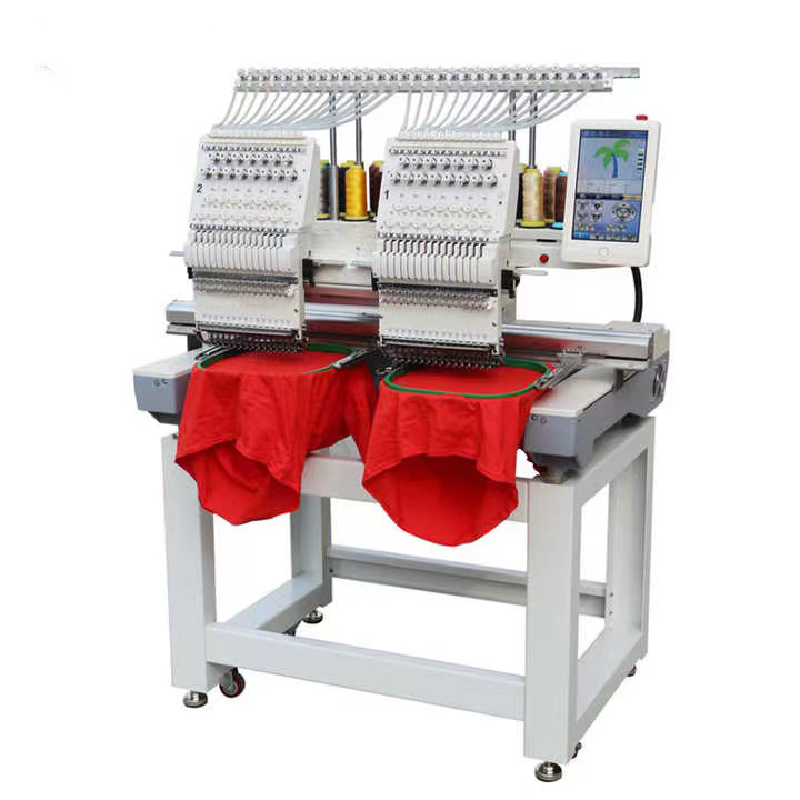
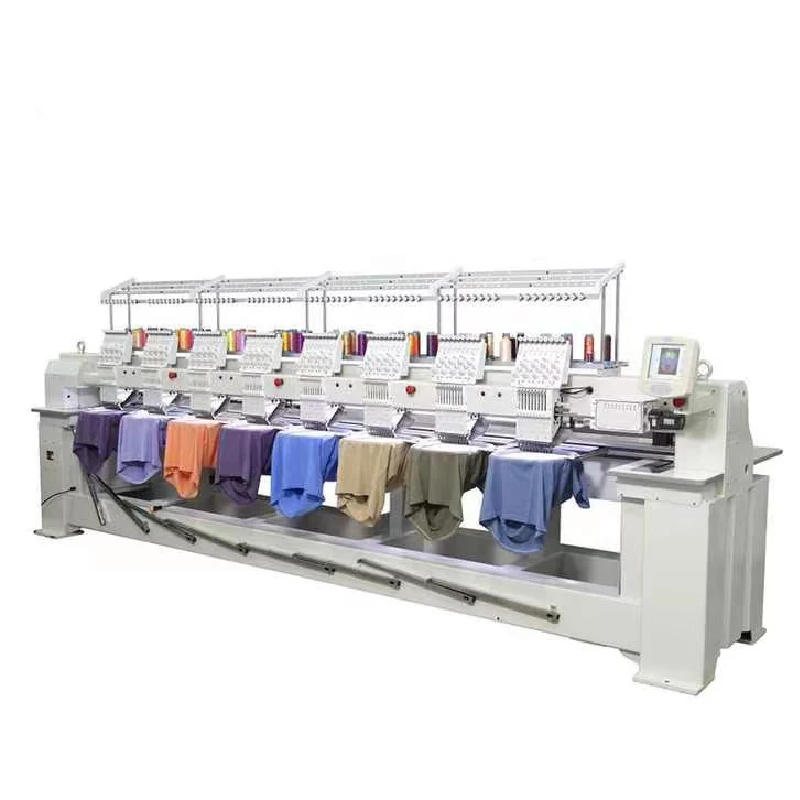
The textile sector in Laos is currently undergoing a transition from artisanal hand-weaving to mechanized production. With the rise of garment export zones, there is a surging demand for the multi head embroidery machine to handle bulk orders of uniforms and corporate apparel, moving beyond small-scale domestic workshops.

Climate factors in Laos, particularly high humidity during the monsoon season, pose challenges for machinery maintenance. Local operators are increasingly seeking equipment with robust anti-corrosion frames and stable electronic components to ensure the longevity of their embroidery machine single head units used in boutique studios.

Economically, the integration of the ASEAN Economic Community has pushed Lao manufacturers to upgrade their quality standards. The shift toward a cap embroidery machine allows local brands to diversify their product lines into sports accessories and fashion headwear, capturing a larger share of the regional tourist market.
Evolution and Trajectory of Embroidery Technology

From manual needles to AI-driven digital precision.

Market Development History

Prior to 2010, the Lao market was dominated by traditional hand-embroidery and basic semi-automatic machines. Production was slow, and consistency varied significantly between artisans, limiting the scale of commercial garment production.

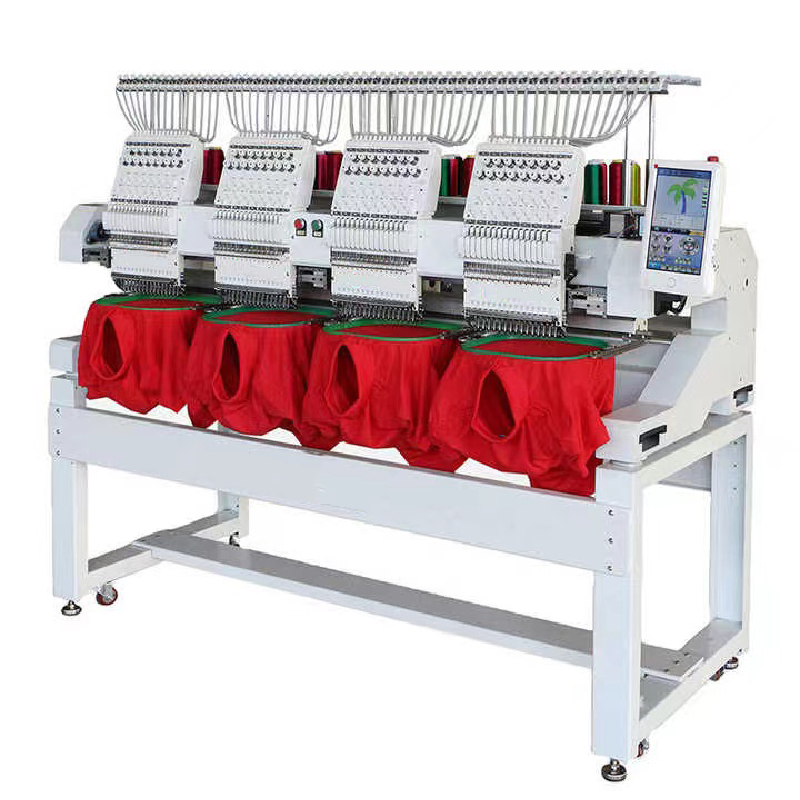
Between 2011 and 2018, the introduction of the first generation of 4 head embroidery machine models allowed medium-sized enterprises to synchronize patterns across multiple garments, drastically reducing lead times for school and government uniforms.

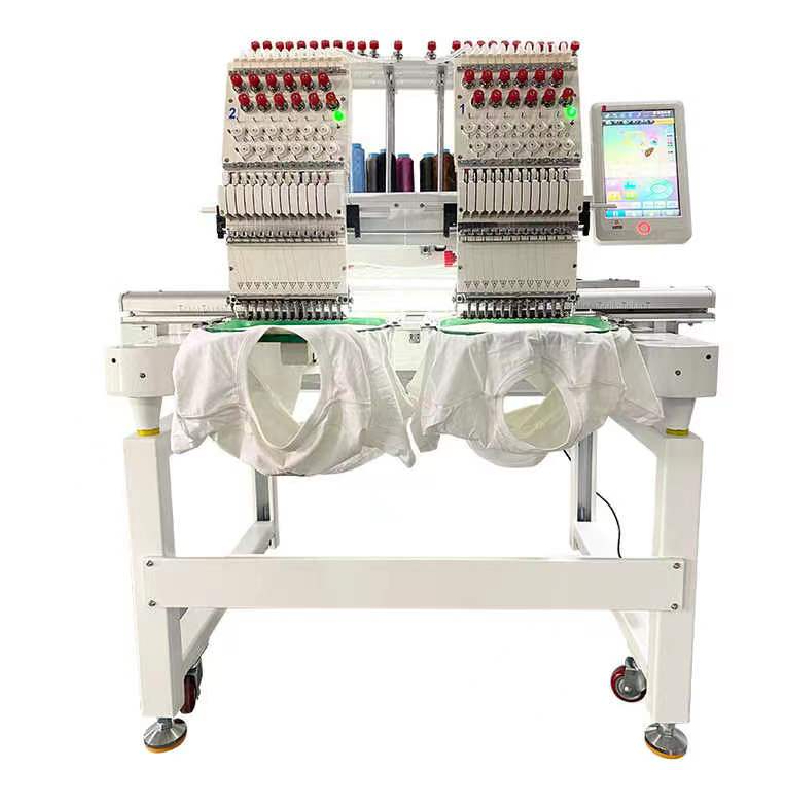
From 2019 to the present, the "Digital Shift" has occurred. The adoption of high-speed computer-controlled systems has enabled complex, multi-colored designs that were previously impossible, integrating software that allows direct file transfers via USB or cloud networks.

Future Development Trends

IoT-Enabled Remote Monitoring

Future machines will likely integrate IoT sensors to monitor thread tension and needle wear in real-time, reducing downtime in remote Lao provinces where technicians may not be immediately available.

Eco-Friendly Threading Systems

A shift toward sustainable, organic threads and energy-efficient servo motors is expected to align with global "Green Textile" trends demanded by EU and US importers.

AI-Driven Pattern Optimization

The next 3-5 years will see AI automatically adjusting stitch density based on the fabric thickness, optimizing the performance of the digital embroidery machine for diverse materials from silk to heavy denim.

Industry Trends and Future Outlook

Strategic forecasting for the specialized equipment sector in Southeast Asia.

Hyper-Automation Integration
Migration toward fully automatic thread cutting and color changing to minimize manual labor costs in Laos.
Diversified Product Range
Increased adoption of specialized machinery for non-traditional fabrics, including leather and recycled synthetics.
Customization-on-Demand
Shift from mass production to "Print-on-Demand" style embroidery for high-end Lao fashion boutiques.
Energy Efficiency Standards
Integration of low-power consumption motors to reduce operational overhead in energy-sensitive regions.

Industry Outlook

Google search trends indicate a rising interest in "automated garment solutions" and "industrial embroidery" within the Southeast Asian corridor. For Laos, this suggests a transition where the 4 head embroidery machine becomes the standard entry-point for small factories scaling their operations.

The long-term outlook is positive as Laos leverages its strategic location between Thailand and Vietnam. By upgrading to high-precision equipment, the local industry can move from low-value assembly to high-value design and specialized embroidery services.

Localized Application Scenarios in Laos

Practical implementations of embroidery technology in the Lao market.

01. Vientiane Corporate Uniform Production

Utilizing multi head embroidery machine units to produce high-volume government and corporate office uniforms with precise institutional logos.

02. Luang Prabang Tourism Souvenirs

Deploying an embroidery machine single head for creating customized, high-end silk scarves and traditional motifs for international tourists.

03. Sports Apparel Manufacturing in Savannakhet

Implementation of the cap embroidery machine to produce branded team hats and sportswear for local athletic clubs and schools.

04. Small-Scale Fashion Startups

Using a 4 head embroidery machine to balance production speed and flexibility for emerging Lao independent designers.

05. Digital Design Studios

Integration of the digital embroidery machine with modern CAD software to digitize traditional Lao patterns into machine-readable formats.

Brand Story

Global Development Journey of Xingtai Pufa Trading Co., Ltd.

Foundational Precision

Established with a mission to solve the instability of early-stage textile machinery, focusing on durable components for harsh industrial environments.

Technological Breakthrough

Developed advanced servo-control systems that minimized thread breakage, specifically addressing the pain points of high-speed embroidery.

Global Expansion

Extended operations into the Southeast Asian market, adapting machinery to meet the unique voltage and humidity requirements of regions like Laos.

Digital Transformation

Launched a series of smart-control interfaces, making the transition from manual to digital embroidery accessible for small-to-medium enterprises.

Sustainable Future

Committing to energy-efficient manufacturing and providing long-term technical support to ensure the growth of the global textile ecosystem.

Laos Localized Technical FAQ

Addressing the most common concerns of textile operators in Asia - Laos.

How to maintain a multi head embroidery machine in high humidity areas like Vientiane?

We recommend using industrial dehumidifiers in the production area and applying specialized anti-rust lubricants to the machine's moving parts weekly to prevent corrosion.

Is a 4 head embroidery machine suitable for small garment startups in Laos?

Yes, it is the ideal middle-ground, providing enough capacity for commercial orders while remaining compact enough for small studio spaces.

What are the advantages of a digital embroidery machine over traditional ones for Lao silk?

Digital machines allow for precise tension control, which is critical for delicate fabrics like Lao silk to prevent puckering and fabric damage.

Can a cap embroidery machine handle different sizes of traditional headwear?

Our machines feature adjustable frames that can be calibrated for various cap styles and traditional Lao headgear accessories.

How do I choose between an embroidery machine single head and a multi-head system?

Choose a single head for sampling, bespoke art, and low-volume customization. Opt for multi-head systems when you need to scale for industrial export orders.

What software is compatible with these digital embroidery systems in Laos?

Our equipment supports most industry-standard DST and PES files, compatible with leading design software like Wilcom and Embird.

Ready to Upgrade Your Production?

Our technical experts are ready to provide customized machinery solutions tailored for the specific industrial needs of Laos.

Contact Us Now

If you are interested in our products, you can choose to leave your information here, and we will be in touch with you shortly.
