Advanced Digital Embroidery Machine Solutions for Mongolia's Textile Sector

Empowering Mongolian garment manufacturers with high-precision automation to blend traditional cashmere artistry with modern industrial efficiency.

Current Landscape of Embroidery Manufacturing in Mongolia

Analyzing the intersection of harsh climatic conditions and the rise of high-value textile exports.

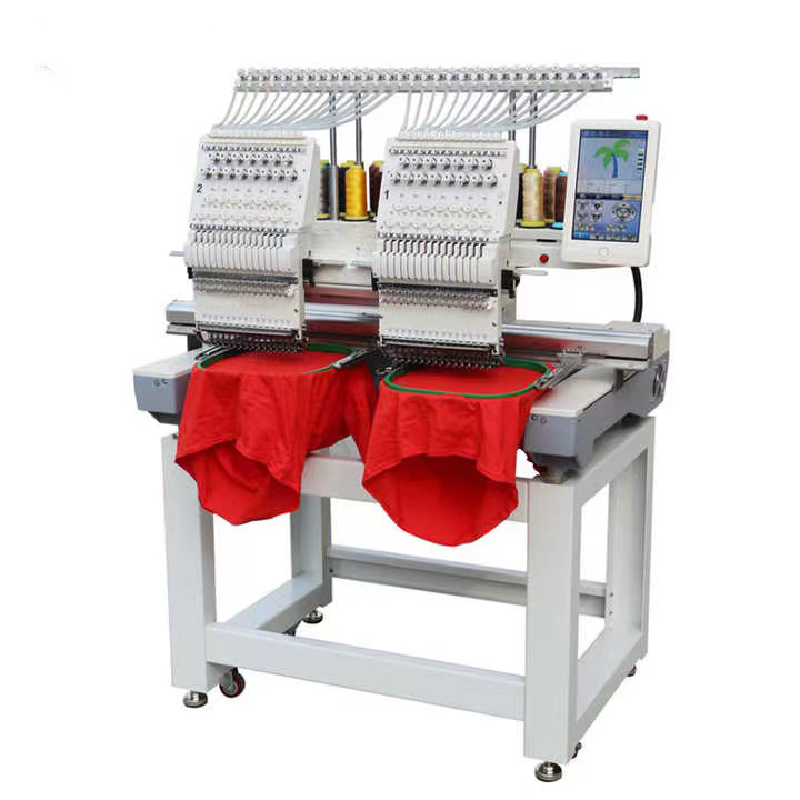
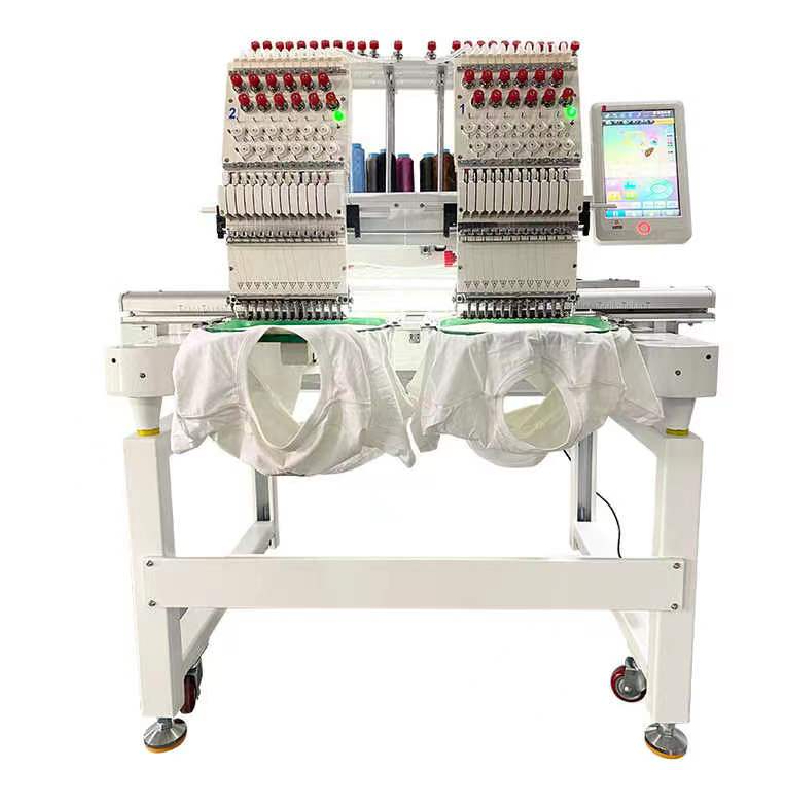
Mongolia's textile industry is deeply rooted in the production of cashmere and wool. However, the extreme temperature fluctuations in Ulaanbaatar and rural provinces place significant stress on mechanical components. The adoption of a multi head embroidery machine has become essential for local workshops looking to scale their production of traditional Deel garments with intricate modern patterns.

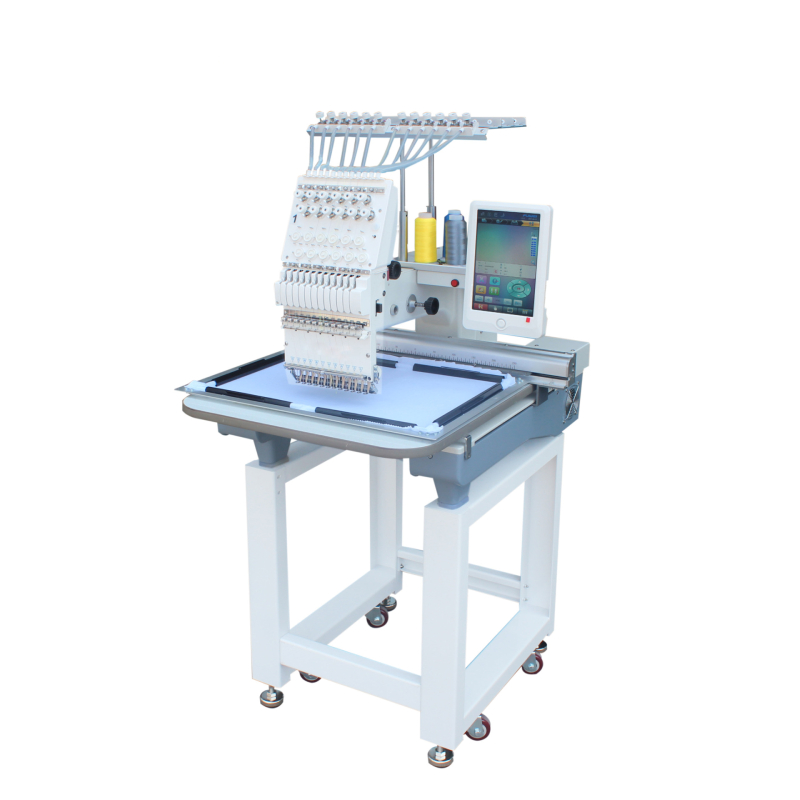
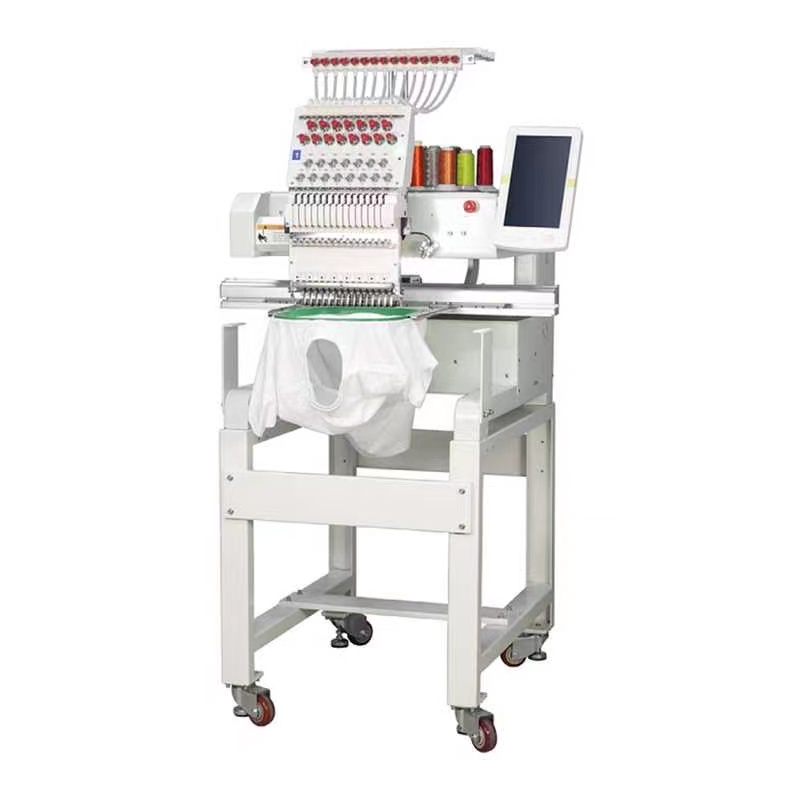
Currently, many small-to-medium enterprises (SMEs) are transitioning from manual artisan work to automated systems. The demand for a versatile embroidery machine single head is growing among boutique designers who prioritize custom, low-volume high-fashion pieces that cater to both domestic and international luxury markets.

Economic shifts toward diversification have led Mongolian firms to seek equipment that can handle heavy-duty fabrics. The integration of specialized hardware, such as a cap embroidery machine, is allowing local sports and corporate apparel brands to compete with imports by offering high-quality, locally produced branded headwear.
Evolution and Technical Trajectory of Embroidery Systems

From manual needles to intelligent synchronization in the heart of Asia.

Market Development History

In the early 2000s, the Mongolian market relied heavily on imported manual and semi-automatic looms. Embroidery was primarily a slow, hand-crafted process, limiting the capacity for mass commercialization of ethnic patterns.

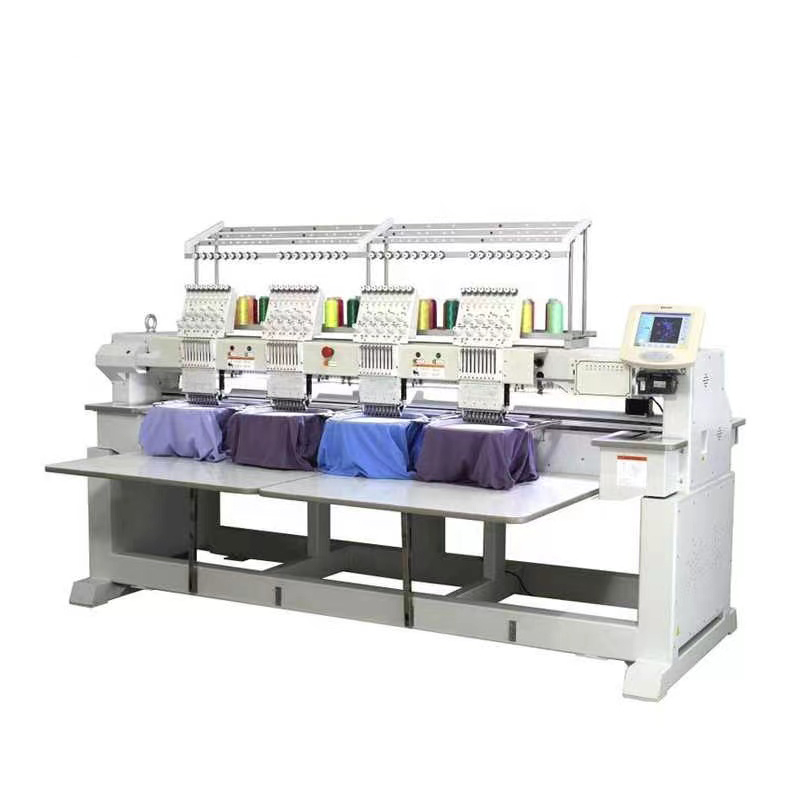
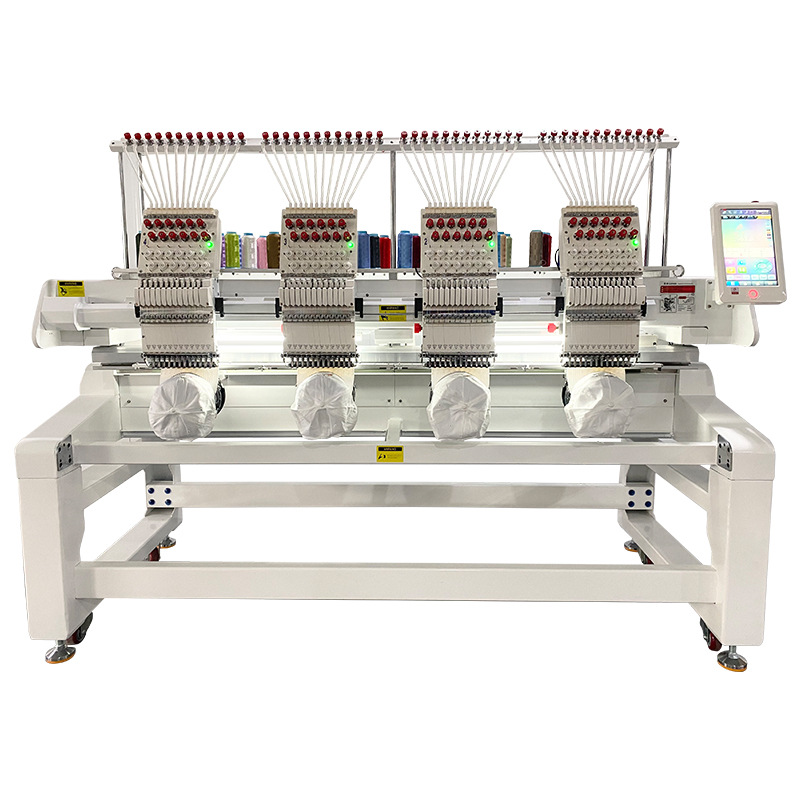
By 2010-2015, the first wave of industrialization saw the introduction of the 4 head embroidery machine. This allowed local factories to synchronize production, significantly reducing the lead time for batch orders of traditional clothing while maintaining consistency across units.

From 2018 to the present, the industry has shifted toward "Intelligence." The transition to fully digital interfaces has eliminated the need for complex manual punch-card systems, enabling real-time design adjustments via USB and network connectivity.

Future Development Trends

AI-Driven Pattern Optimization

Expect a surge in software that automatically adjusts stitch density based on the thickness of Mongolian cashmere, reducing thread breakage and material waste.

Eco-Friendly Thread Integration

Shift toward biodegradable and organic threads to align with global sustainable fashion trends, supported by machines with lower energy consumption footprints.

Remote Diagnostic Support

Due to Mongolia's vast geography, IoT-enabled machines will allow engineers to troubleshoot hardware issues remotely, minimizing downtime for remote workshops.

Industry Trends and Future Strategic Outlook

Navigating the shift toward Industry 4.0 in the Mongolian textile landscape.

Hyper-Automation
Transitioning from simple digitizing to fully autonomous pattern generation for complex nomadic art styles.
Material Versatility
Engineering needles and tension systems specifically for high-density wool and heavy leather used in winter gear.
Modular Scalability
Adopting modular head systems that allow businesses to expand from single to multi-head configurations as they grow.
Digital Integration
Cloud-based design libraries enabling Mongolian artists to share motifs instantly with production floors.

Industry Outlook

Based on search trend data, there is a rising interest in "custom sustainable apparel" within Central Asia. This suggests that the future of the Mongolian industry lies in high-margin, low-volume luxury items that utilize precision embroidery to tell a story of cultural heritage.

We anticipate that the next 3-5 years will see a convergence of traditional weaving and digital embroidery, where the machines are no longer just tools but integrated parts of a smart factory ecosystem optimized for cashmere production.

Localized Application Scenarios in Mongolia

Real-world implementation of embroidery technology in various Mongolian sectors.

01. High-End Cashmere Deel Production

Using a multi-head system to apply intricate gold-thread patterns to luxury cashmere coats, ensuring that every garment maintains cultural authenticity with industrial precision.

02. National Sports Team Merchandise

Deploying a cap embroidery machine to create official headwear for Mongolian wrestling and athletic associations, emphasizing durability and bold branding.

03. Boutique Artisan Studios in Ulaanbaatar

Implementing an embroidery machine single head for "on-demand" personalization of leather bags and winter accessories for the urban youth market.

04. Corporate Uniform Scaling

Utilizing a 4 head embroidery machine to provide rapid branding for mining and logistics companies operating across the Mongolian steppe.

05. Cultural Heritage Preservation Projects

Employing digital embroidery to archive and replicate ancient nomadic textile patterns on modern fabrics for educational and museum exhibitions.

Brand Story

Global Development Journey of Xingtai Pufa Trading Co., Ltd.

Founding Vision

Established with the mission to bridge the gap between complex industrial embroidery and small-scale textile entrepreneurs worldwide.

Technical Breakthroughs

Developed specialized tension control systems to solve the common issue of thread snapping on heavy fabrics and luxury wools.

Market Expansion

Expanded our footprint into Central Asia, specifically optimizing our machine settings for the unique environmental challenges of Mongolia.

Quality Standardization

Achieved international certifications ensuring that every digital unit meets rigorous precision and safety standards for global export.

Future Commitment

Dedicated to providing sustainable, intelligent embroidery solutions that empower local cultures to flourish in a globalized economy.

Common Questions for Mongolia's Embroidery Industry

Expert answers to the most pressing technical and operational concerns.

Which multi head embroidery machine is best for heavy cashmere fabrics?

For heavy cashmere, we recommend a machine with high-torque motors and adjustable presser foot pressure to ensure the fabric doesn't shift during high-speed stitching.

How does a digital embroidery machine handle complex traditional patterns?

Our digital systems use advanced vector-to-stitch software, allowing you to upload high-resolution images of ethnic motifs and convert them into precise stitch paths instantly.

Is a cap embroidery machine suitable for thick winter wool hats?

Yes, our cap machines feature specialized hoops and reinforced needles designed specifically to penetrate thick wool and acrylic blends without bending.

What is the advantage of an embroidery machine single head for small boutiques?

The single-head model offers maximum flexibility for one-off custom pieces, lower power consumption, and a compact footprint ideal for urban studio spaces.

Can a 4 head embroidery machine be upgraded to more heads later?

While the physical frame is fixed, our modular software allows you to synchronize multiple 4-head machines to act as a single production line for larger orders.

How to maintain embroidery equipment in Mongolia's dry climate?

We recommend using industrial-grade lubricants and maintaining a controlled humidity environment in the workshop to prevent static electricity and thread friction.

Ready to Elevate Your Production?

Our technical experts are ready to provide customized machinery consultations for your business in Mongolia.

Contact Us Now

If you are interested in our products, you can choose to leave your information here, and we will be in touch with you shortly.