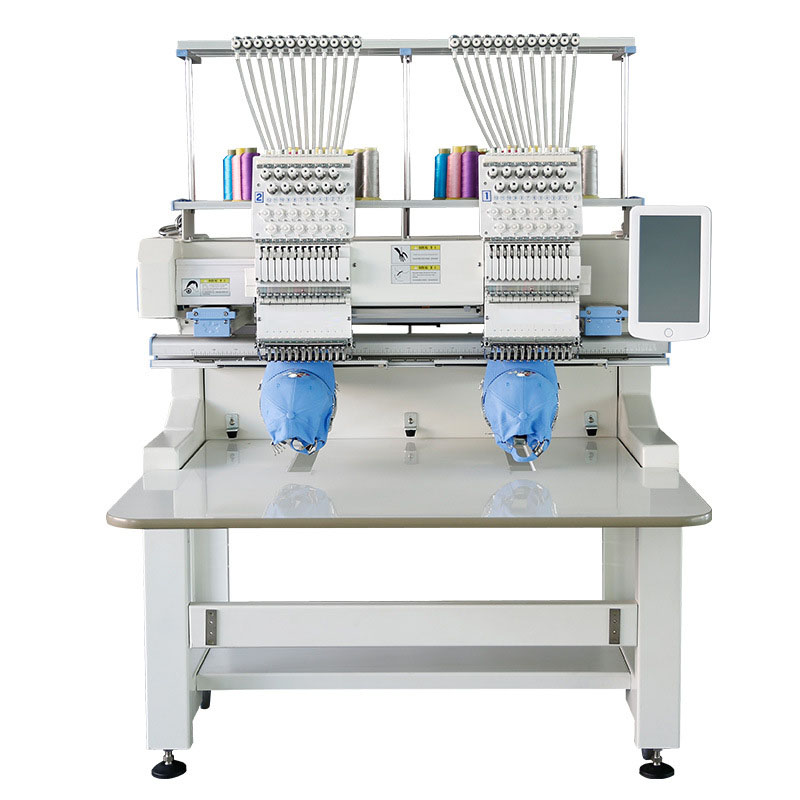
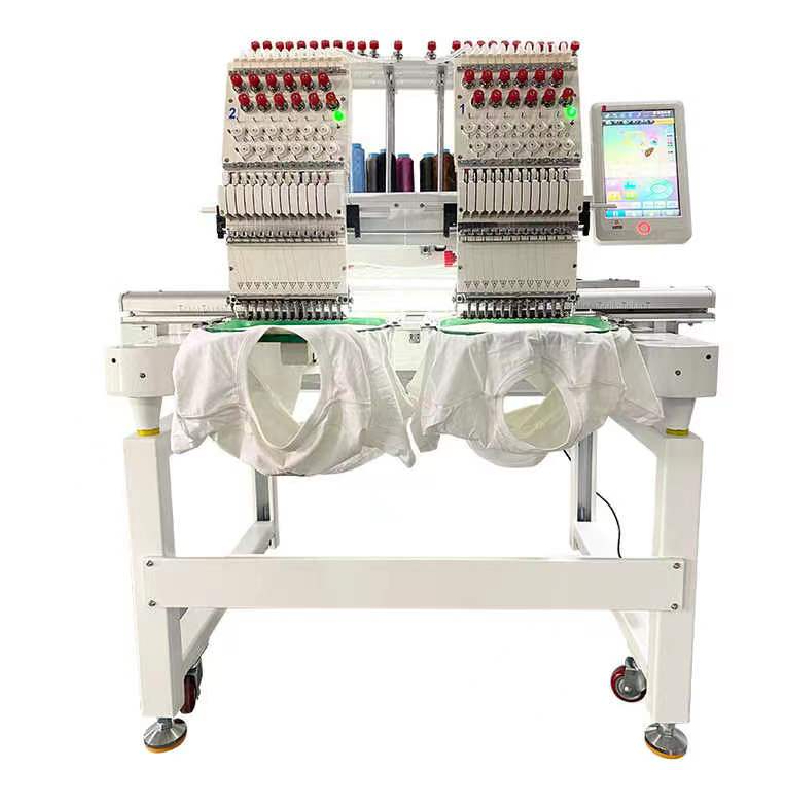
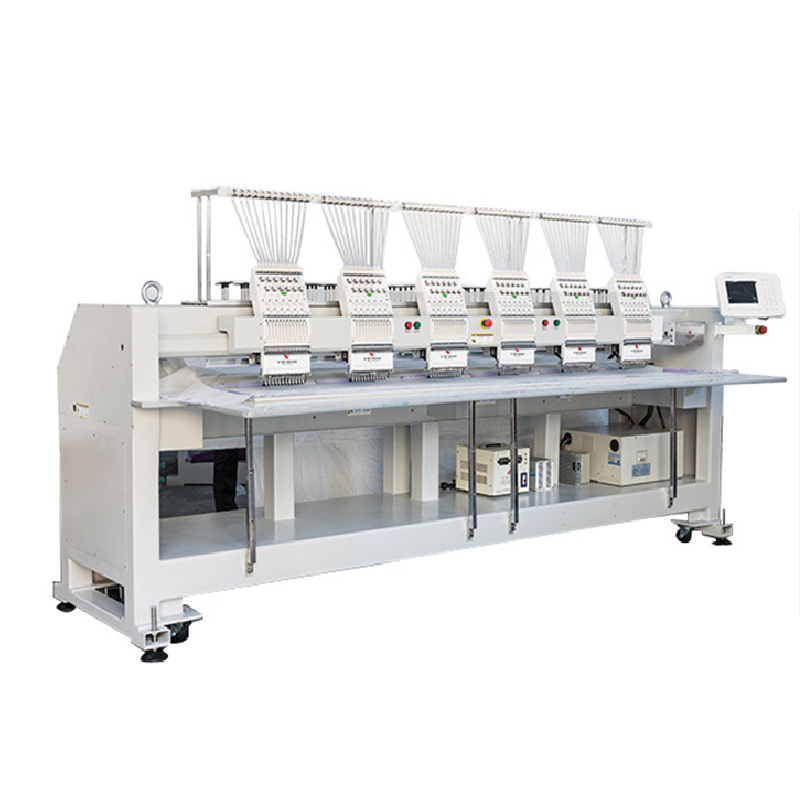
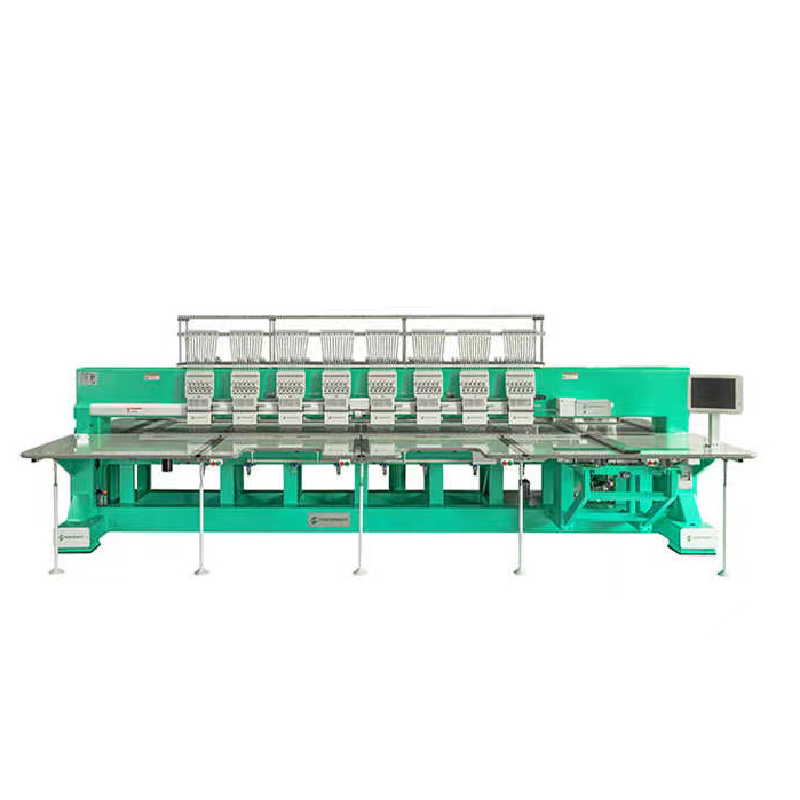
Advanced digital embroidery machine Solutions for Morocco's Textile Industry

Empowering Moroccan garment manufacturers with precision automation to scale production and enhance artistic craftsmanship.

The Current State of Textile Manufacturing in Morocco

Analyzing the intersection of heritage craftsmanship and modern industrialization in Casablanca and Tangier.

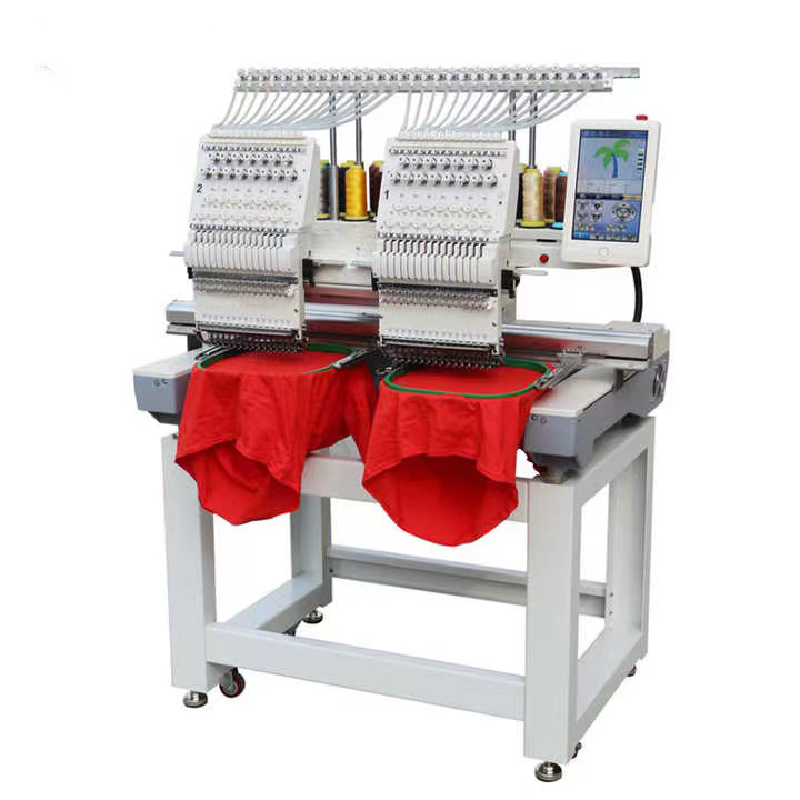
Morocco's textile sector is currently undergoing a significant transition. While the country is renowned for its intricate hand-embroidery, the increasing demand for fast-fashion and export-grade apparel is pushing local workshops to adopt a multi head embroidery machine to maintain competitiveness in the European and African markets.

The Mediterranean climate and economic stability in urban hubs have fostered a growing appetite for precision equipment. However, many small-to-medium enterprises still struggle with the balance between high-volume output and the delicate quality required for traditional Moroccan caftans, necessitating a more flexible embroidery machine single head for customized, high-end pieces.

With the rise of local sports apparel and corporate branding sectors, the demand for a specialized cap embroidery machine has surged, reflecting a broader shift toward diversifying product lines beyond traditional clothing into accessories and streetwear.
Evolution and Technological Trajectory of Embroidery in Morocco

From manual needles to synchronized digital arrays.

Market Development History

Prior to 2010, the Moroccan market was dominated by manual artisans and rudimentary semi-automatic looms. Production was slow, and scaling was limited by the availability of skilled laborers who could replicate complex patterns by hand.

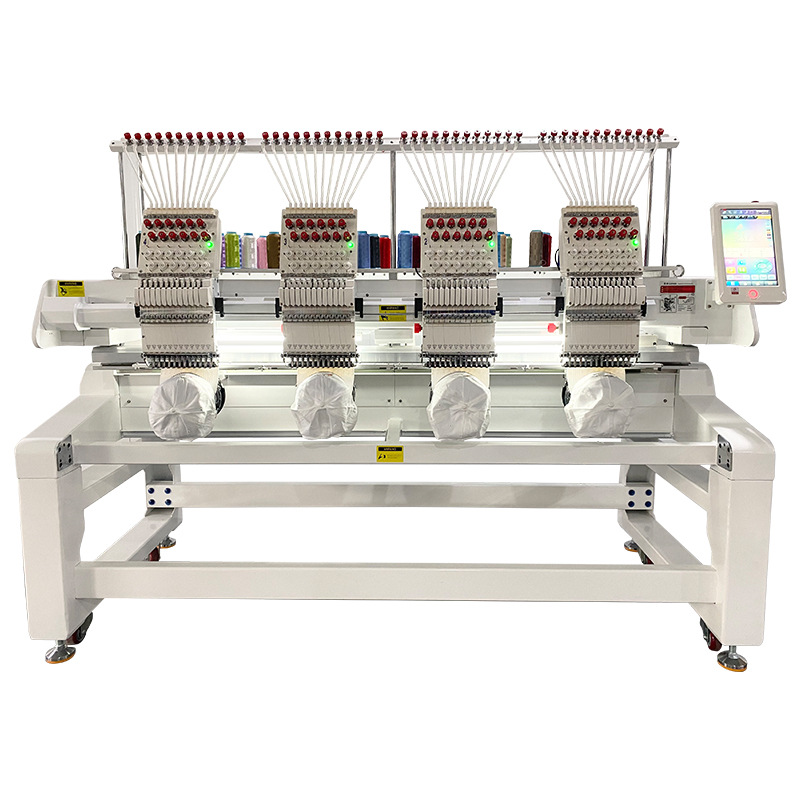
Between 2010 and 2020, the introduction of early-stage computerization saw the arrival of the first 4 head embroidery machine models. This era marked the shift from "art-only" to "industrial-art," allowing factories in Casablanca to increase throughput by 400% while maintaining consistent pattern accuracy.

From 2020 to the present, the focus has shifted toward IoT integration and software-driven design. Modern factories now utilize cloud-based pattern synchronization, reducing the downtime between design phase and physical production.

Future Development Trends

AI-Driven Pattern Optimization

Expect a surge in software that automatically optimizes stitch counts to reduce thread waste, catering to the cost-conscious Moroccan manufacturing landscape.

Eco-Friendly Material Compatibility

Integration of machines capable of handling organic and recycled threads as Morocco aligns with European Green Deal sustainability standards.

Modular Head Configurations

A trend toward interchangeable head systems that allow a facility to switch between flat and cap embroidery seamlessly to meet volatile market demands.

Industrial Trends and Future Outlook

Predicting the next wave of textile innovation in North Africa.

Hyper-Automation Integration
Moving toward fully automated thread-cutting and fabric-loading systems to minimize manual labor costs.
Precision Cap Specialization
Advanced stabilization frames for headwear to meet the growing demand for high-definition sports logos.
Energy-Efficient Motors
Adopting servo-motor technology to reduce electricity consumption in large-scale Moroccan factories.
Digital Design Convergence
Seamless integration between 3D fashion software and machine embroidery output.

Industry Outlook

Based on search trends in North Africa, there is a marked increase in queries regarding "automated textile solutions." This suggests that Moroccan manufacturers are moving away from low-cost labor dependency and toward technology-driven efficiency to enter the luxury export market.

Within the next 3-5 years, the integration of real-time remote monitoring will allow factory owners to manage multiple multi head embroidery machine units from a centralized digital dashboard, drastically reducing operational errors.

Localized Application Scenarios in Morocco

Real-world deployments across various Moroccan textile niches.

01. Traditional Caftan Modernization

Using a embroidery machine single head to create semi-customized, intricate gold-thread patterns on luxury fabrics for modern Moroccan weddings.

02. Sports Apparel Production in Tangier

Deploying a high-speed 4 head embroidery machine to produce branded athletic wear for the growing domestic sports market.

03. Corporate Branding & Merchandise

Utilizing a specialized cap embroidery machine for corporate identity projects, producing branded headwear for the tourism and hospitality sectors.

04. Mass-Market Export Clothing

Implementing a multi head embroidery machine to fulfill large-scale orders for European retail chains, ensuring identical quality across thousands of pieces.

05. Boutique Fashion Startups

Small ateliers in Marrakech using a digital embroidery machine to quickly prototype new designs and offer "made-to-order" services to international tourists.

Brand Story

Global Development History of Xingtai Pufa Commercial and Trading Co., Ltd.

Foundational Engineering

Established with a mission to bridge the gap between industrial power and textile precision, focusing on durable machine frames.

Digital Transformation

Pioneered the integration of intuitive software interfaces, making complex embroidery accessible to non-technical operators.

Global Market Expansion

Expanded footprint into North Africa, adapting machine specifications to handle diverse fabric types and local voltage standards.

Innovation in Versatility

Developed the modular cap-to-flat conversion system, solving the pain point of limited space in small urban workshops.

Commitment to Sustainability

Current focus on energy-efficient motors and waste-reducing software to support the global green textile movement.

Frequently Asked Questions for Morocco Market

Expert answers to common technical and commercial queries.

Which digital embroidery machine is best for Moroccan caftan patterns?

For intricate, high-value caftans, we recommend a high-precision single-head machine that allows for frequent thread changes and meticulous detail control.

How do I maintain a multi head embroidery machine in dusty environments?

We suggest daily lubrication of the moving parts and using compressed air to clear lint from the bobbin area to prevent mechanical friction.

Can a 4 head embroidery machine handle heavy denim?

Yes, our 4-head models are equipped with powerful penetration motors and heavy-duty needles specifically designed for dense fabrics like denim.

What is the setup time for a cap embroidery machine?

Our quick-clamp system allows operators to secure caps in seconds, minimizing downtime and maximizing hourly output.

Do you provide software training for embroidery machine single head users?

Yes, we provide comprehensive digital tutorials and remote software guidance to help you master pattern digitization quickly.

What are the power requirements for industrial machines in Morocco?

Our machines are configurable to 220V/50Hz standard, ensuring seamless integration with Morocco's electrical grid without needing heavy transformers.

Ready to Transform Your Production?

Our technical team is ready to provide custom embroidery solutions tailored to the specific industrial needs of Morocco.

Contact Us Now

If you are interested in our products, you can choose to leave your information here, and we will be in touch with you shortly.
