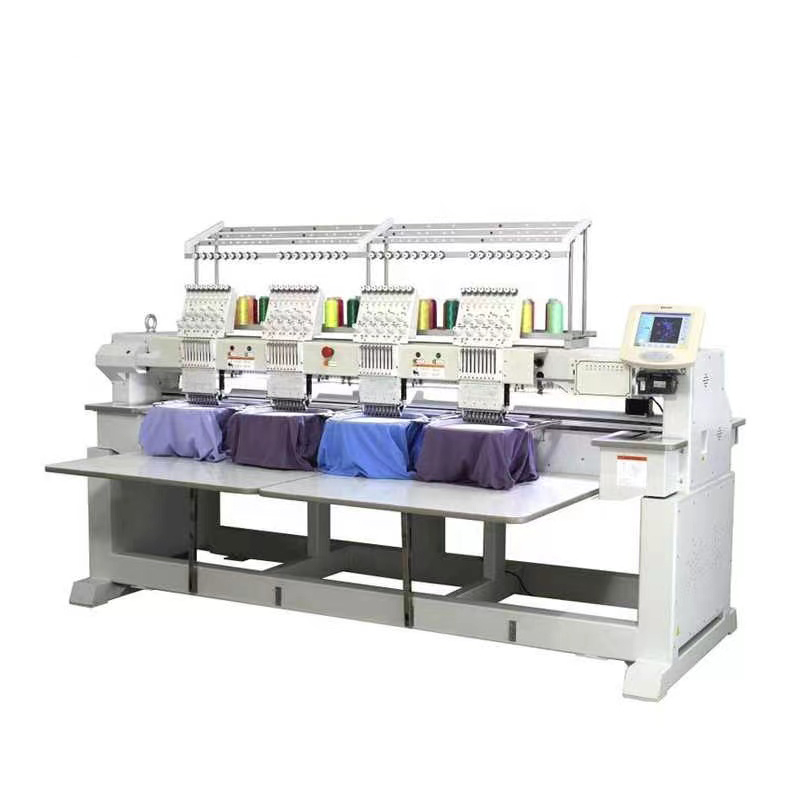
Advanced digital embroidery machine Solutions for New Zealand Textile Manufacturing

Empowering Kiwi garment producers with precision engineering and high-efficiency automated embroidery systems tailored for the Oceania market.

The Landscape of Embroidery Manufacturing in New Zealand

Analyzing the intersection of local craftsmanship and industrial automation in Oceania.

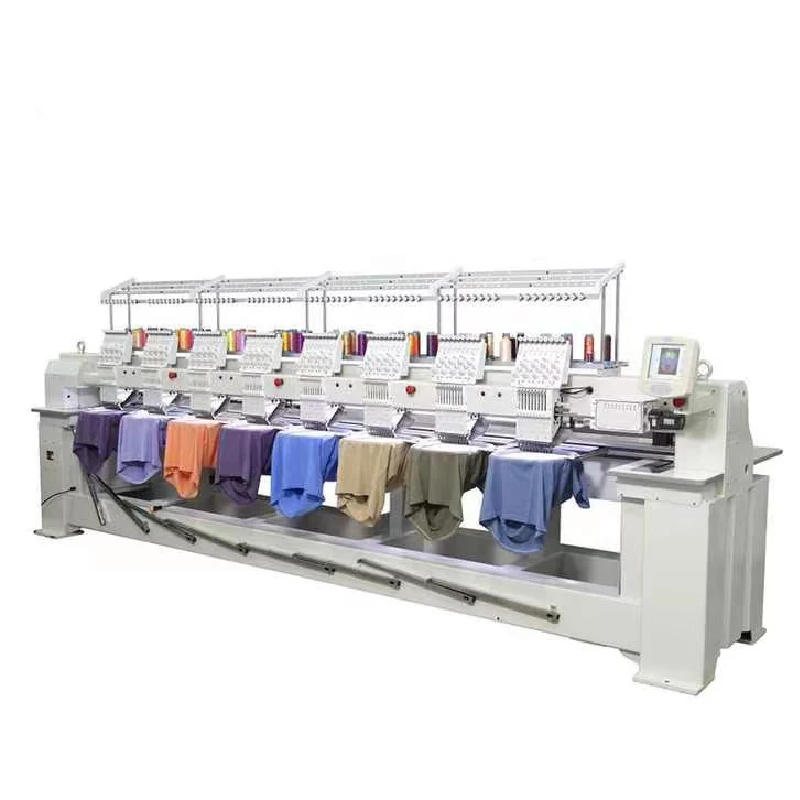
New Zealand's textile industry is characterized by a strong emphasis on high-quality, sustainable, and boutique production. In recent years, the demand for personalized apparel and high-end corporate wear has surged, pushing local businesses to transition from manual methods to utilizing a multi head embroidery machine to meet increasing order volumes without sacrificing the "Kiwi-made" quality standard.

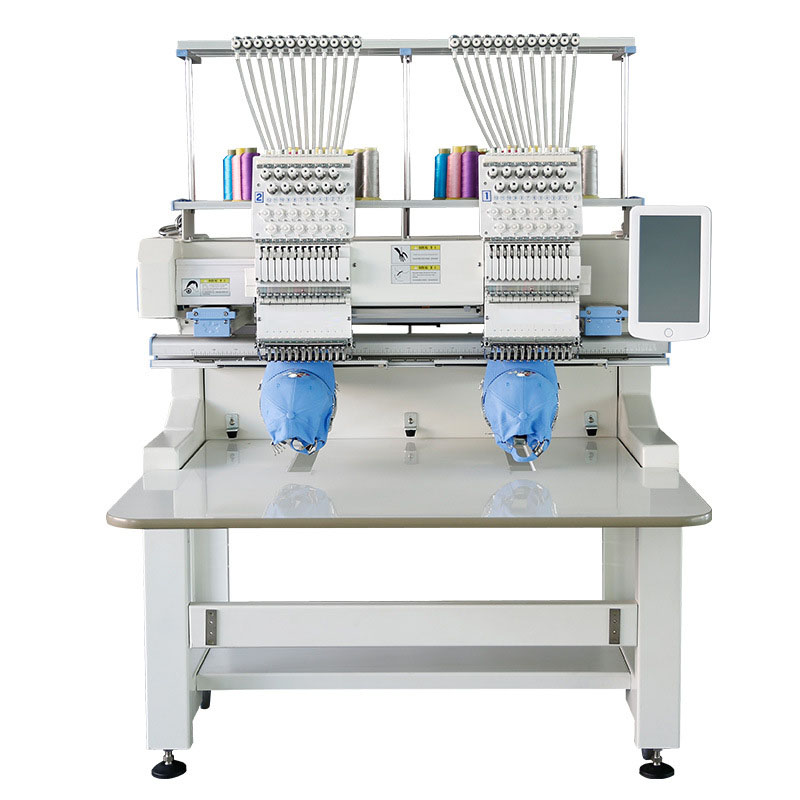
The geographical isolation of New Zealand makes supply chain efficiency critical. Consequently, there is a significant shift towards adopting versatile equipment like the cap embroidery machine, allowing local workshops to diversify their product offerings—from sports headwear for rugby teams to high-fashion accessories—all within a single facility.

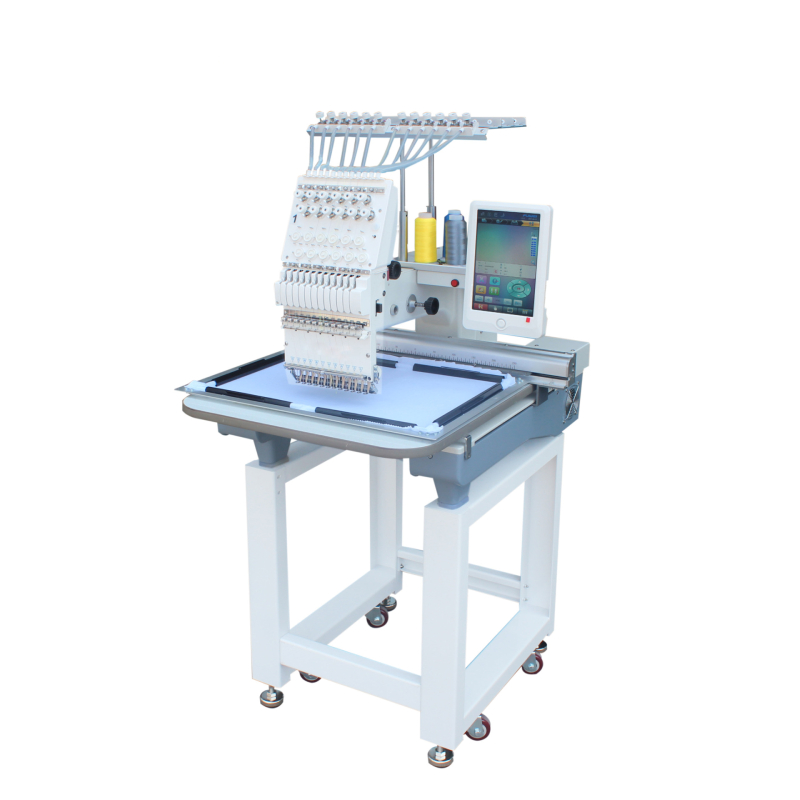
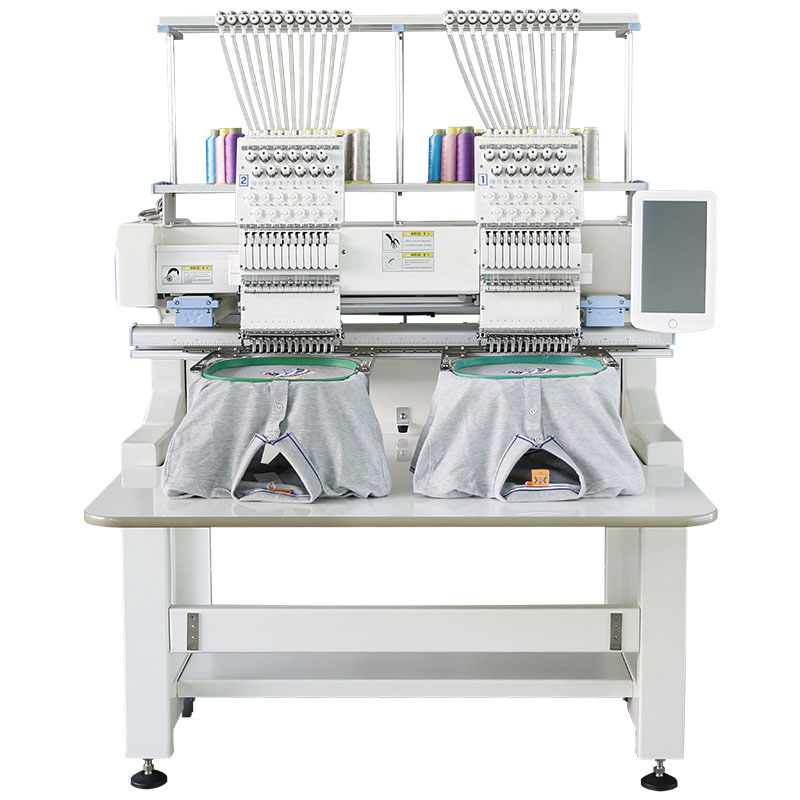
Furthermore, the rise of the "slow fashion" movement in Oceania has led to a preference for small-batch, high-complexity designs. This market environment favors the flexibility of an embroidery machine single head, which enables designers to iterate rapidly on bespoke patterns for the luxury garment market in Auckland and Wellington.
Evolution and Trajectory of Embroidery Technology

From mechanical looms to AI-driven digital precision.

Market Development History

Historically, the New Zealand textile scene relied on traditional mechanical embroidery and manual stitching. During the late 20th century, the introduction of basic computerized systems began to replace manual punch cards, allowing for slightly more complex patterns but with limited speed and scalability.

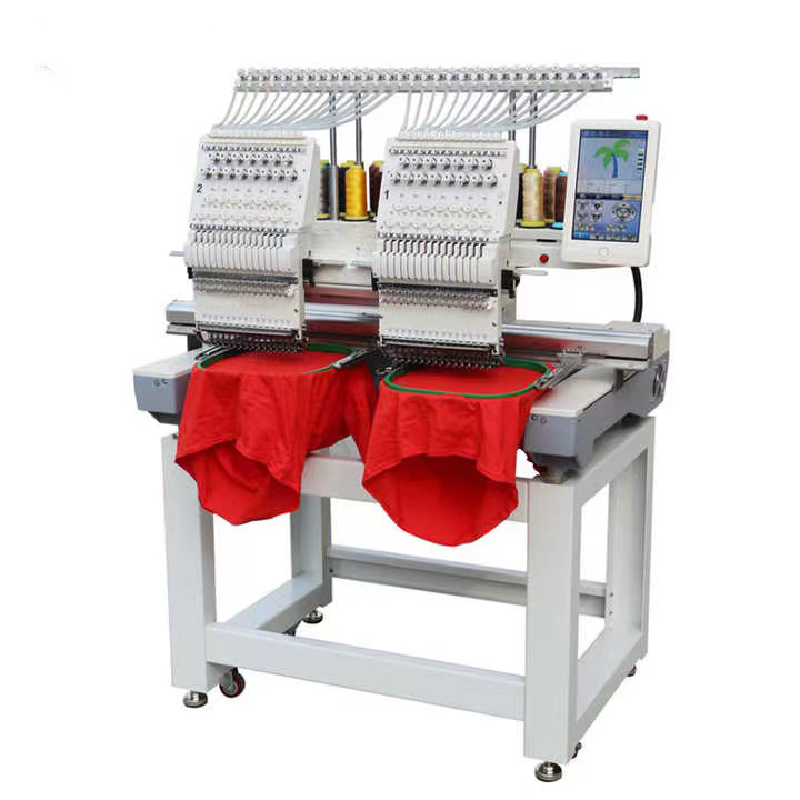
Around 2010, the shift toward fully integrated digital systems became evident. The adoption of the 4 head embroidery machine became a turning point for mid-sized businesses, providing a perfect balance between capacity and floor space, enabling a transition from home-based studios to commercial workshops.

By 2020, the integration of IoT and cloud-based design software revolutionized the workflow. Modern systems now allow for real-time remote monitoring and instant design updates, ensuring that the high labor costs in New Zealand are offset by extreme operational efficiency and reduced waste.

Future Development Trends

AI-Driven Pattern Optimization

Integration of artificial intelligence to automatically optimize stitch paths, reducing thread breakage and increasing the longevity of needles in high-speed environments.

Sustainable Material Compatibility

Development of machines specifically calibrated for recycled organic fabrics, aligning with New Zealand's strict environmental regulations and consumer preferences.

Hyper-Modular Hardware

A trend toward modular head systems that can be expanded as a business grows, moving from a single-head setup to a multi-head configuration without replacing the entire base unit.

Industry Trends and Future Outlook

Predicting the next era of automated garment decoration in the Oceania region.

Eco-Conscious Production
Increasing adoption of energy-efficient motors and biodegradable threads to meet New Zealand's green manufacturing standards.
Direct-to-Garment Integration
Hybrid workflows combining digital printing and precision embroidery for complex multi-layered textile art.
Cloud Design Sync
Seamless synchronization between design studios and production floors via cloud-based API integrations.
Automated Quality Control
Implementation of optical sensors to detect stitch errors in real-time, reducing scrap rates in high-volume runs.

Industry Outlook

Based on Google search trends in Oceania, there is a growing interest in "sustainable textile machinery" and "automated customization." This suggests that the New Zealand market is moving away from mass-production and toward a "Mass-Customization" model, where technology enables unique designs at a commercial scale.

Over the next 3-5 years, we expect to see a consolidation of technology where the hardware becomes more invisible and the software more intuitive, allowing artistic creators in New Zealand to focus on design rather than the technical complexities of machine calibration.

Localized Application Scenarios in New Zealand

Practical implementations of embroidery technology across diverse NZ sectors.

01. Professional Sports Apparel for All Blacks & Regional Clubs

Utilizing a multi head embroidery machine to produce high-durability team logos on jerseys and training gear, ensuring consistency across hundreds of garments for national and local sports clubs.

02. Luxury Māori Art Textiles and Cultural Wear

Implementing an embroidery machine single head for high-precision, intricate traditional patterns on high-end fabrics, blending cultural heritage with modern digital accuracy.

03. Outdoor Adventure and Headwear Branding

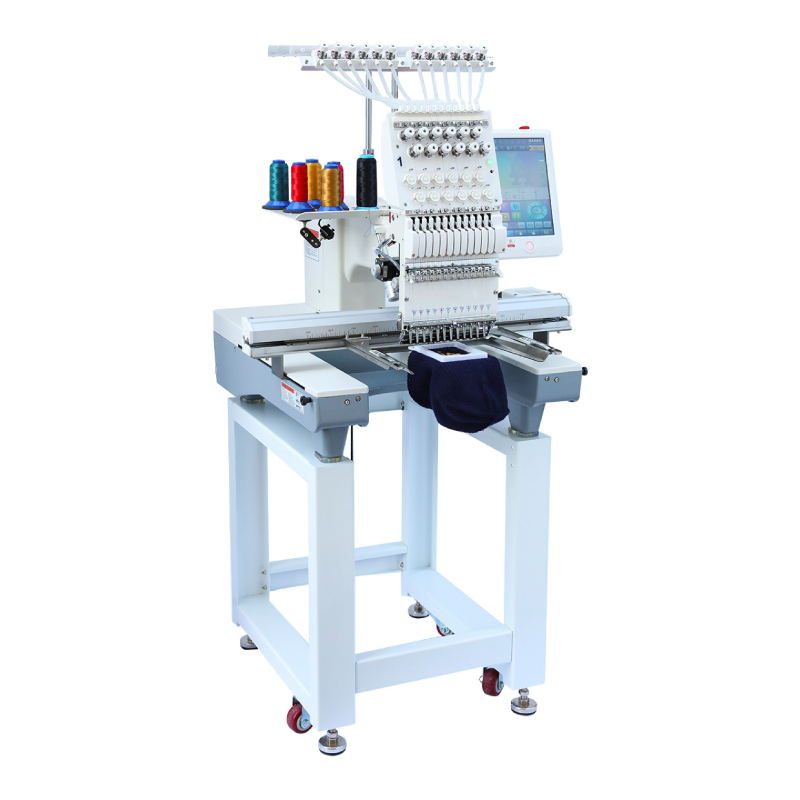
Using a specialized cap embroidery machine to create weather-resistant branded headwear for the thriving hiking and tourism sectors in Queenstown and Rotorua.

04. Corporate Identity for Auckland Business Hubs

Deploying a 4 head embroidery machine to provide rapid-turnaround corporate polo shirts and uniforms for professional services and tech firms in the city center.

05. Boutique Fashion Design Studios in Wellington

Integrating a digital embroidery machine into the design process for experimental textile art and limited-edition runway pieces for the New Zealand fashion week.

Brand Story

Global Development Journey of Xingtai Pufa Trading Co., Ltd.

Foundation and Vision

Established with a commitment to bridging the gap between complex industrial technology and user-centric design, focusing on the textile machinery sector.

Technical Breakthroughs

Dedicated years to optimizing the synchronization of multi-head systems, solving the critical pain point of stitch misalignment in high-speed production.

Global Market Expansion

Expanding our reach to Oceania and beyond, tailoring our equipment to meet the diverse needs of international markets from small studios to large factories.

Innovation in Digitalization

Developing the next generation of digital interfaces that simplify the embroidery process, making high-end production accessible to artists and entrepreneurs.

Commitment to Sustainability

Leading the way in creating energy-efficient machinery that reduces the carbon footprint of the global garment industry.

Common Questions for New Zealand Embroidery Businesses

Expert answers to help you choose the right equipment for your local operation.

Which digital embroidery machine is best for a small business in Auckland?

For small businesses, an embroidery machine single head is ideal as it provides the flexibility needed for custom, low-volume orders while occupying minimal space in urban studios.

How does a 4 head embroidery machine improve production efficiency?

A 4 head system allows you to produce four identical garments simultaneously, effectively quadrupling your output compared to a single head, which is essential for handling regional club orders.

Is a cap embroidery machine compatible with different headwear styles?

Yes, modern cap machines are designed with adjustable frames to accommodate everything from structured baseball caps to soft beanies, perfect for the diverse NZ outdoor apparel market.

What are the benefits of a multi head embroidery machine for corporate contracts?

Multi-head systems ensure absolute consistency in logo placement and stitch density across large batches, which is critical for maintaining the brand standards of corporate clients.

How do I maintain my embroidery equipment in New Zealand's humid coastal climates?

We recommend regular lubrication and using dehumidifiers in the production area to prevent oxidation of precision parts and maintain thread tension consistency.

Do your digital embroidery machines support eco-friendly thread types?

Absolutely. Our machines are engineered to handle a wide variety of threads, including recycled polyester and organic cotton, supporting the sustainable goals of New Zealand manufacturers.

Ready to Elevate Your Production?

Contact our specialists today for a tailored consultation on the best embroidery solutions for your business in New Zealand.

Contact Us Now
Contact Us
  • Read More About professional embroidery machine
  • Read More About professional embroidery machine
  • Read More About computer embroidery machine
  • ins
  • Pinterest
Inquiry For Pricelist

If you are interested in our products, you can choose to leave your information here, and we will be in touch with you shortly.