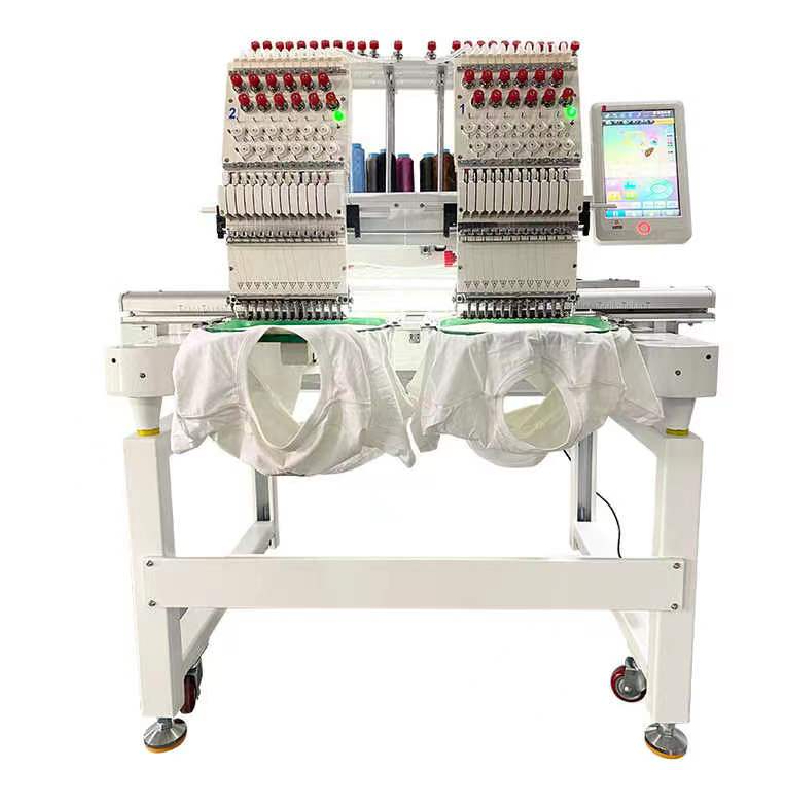
Advanced digital embroidery machine Solutions for Palestine Textile Industry

Empowering Palestinian garment manufacturers with high-precision automated embroidery technology to enhance global competitiveness and local craftsmanship.

Current State of Textile Machinery in Palestine

Analyzing the intersection of traditional Tatreez heritage and modern industrial automation.

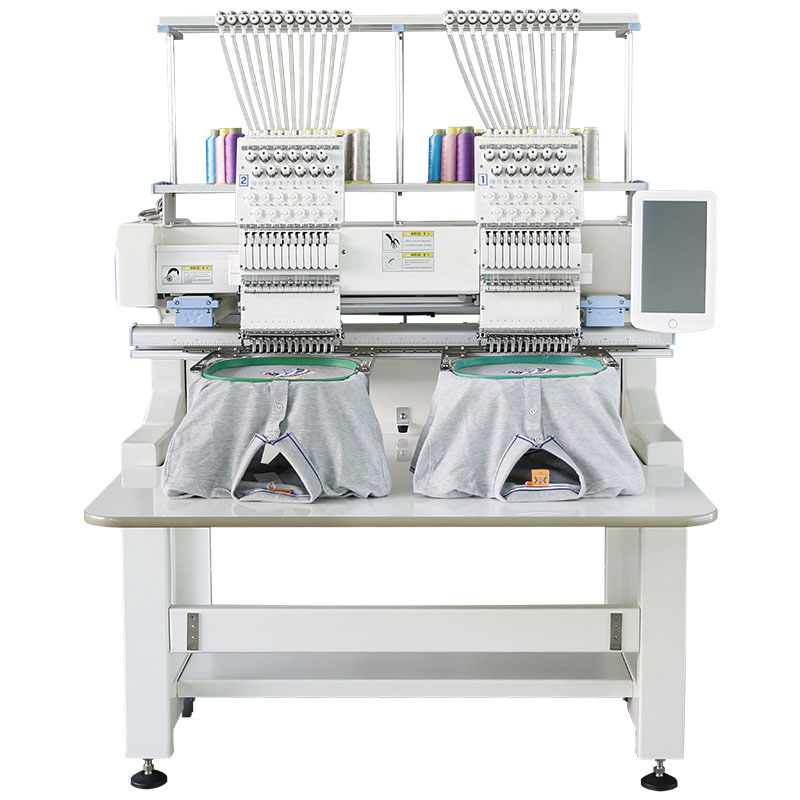
The textile sector in Palestine is currently undergoing a critical transition. While traditional hand-embroidery (Tatreez) remains a cultural cornerstone, there is a surging demand for an embroidery machine single head for small-scale entrepreneurs seeking to commercialize traditional patterns with higher efficiency.

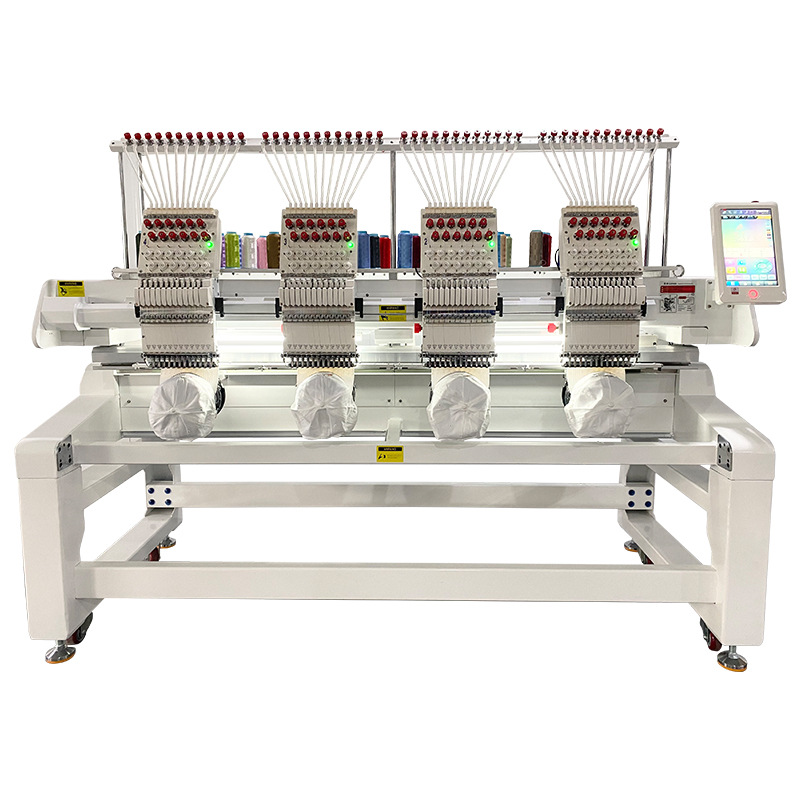
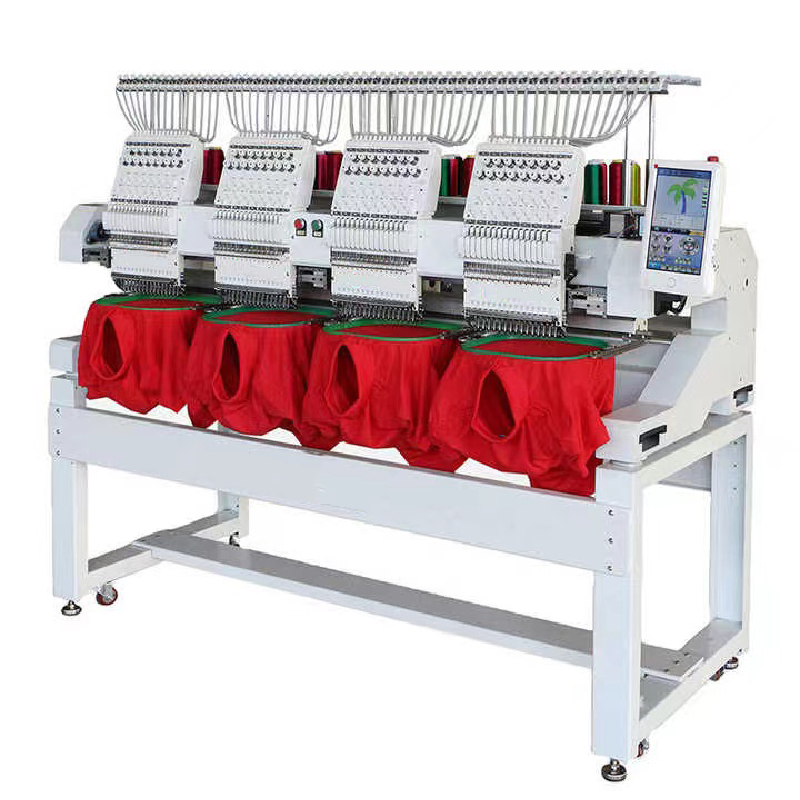
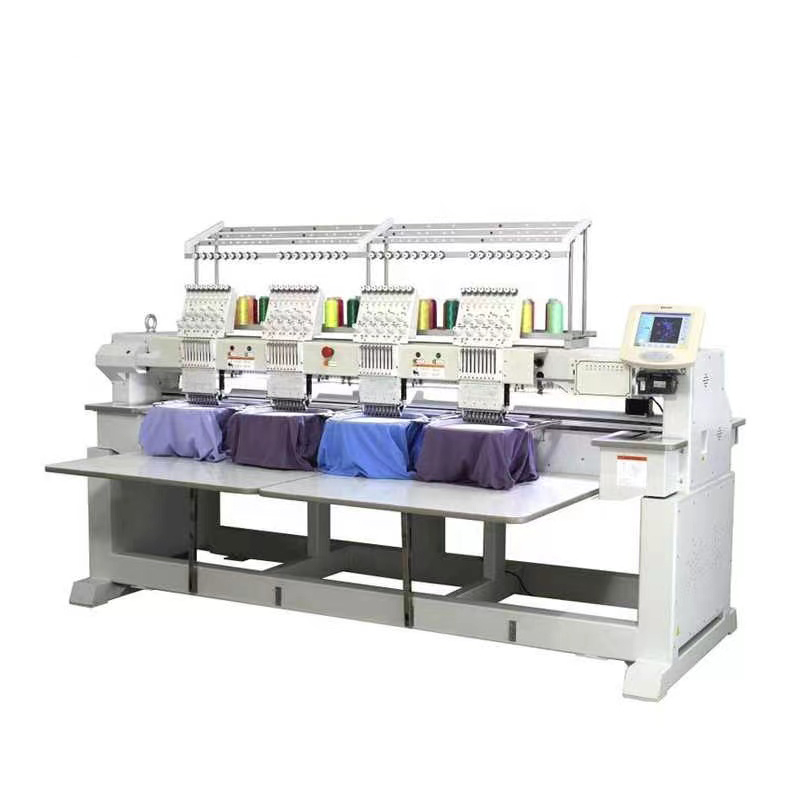
Economic constraints and logistical challenges in the region have historically led to a reliance on second-hand machinery. However, the rise of local fashion startups has created a gap for reliable, mid-range equipment like the 4 head embroidery machine, which balances production volume with limited floor space.

Environmental factors, including dust and fluctuating power stability in certain Palestinian districts, require machinery with robust electronic protection and easy-maintenance mechanical structures to ensure continuous operation without frequent downtime.
Evolution and Trajectory of Palestinian Embroidery Tech

The journey from manual artistry to high-speed digital synchronization.

Market Development History

Prior to 2010, the Palestinian market was dominated by manual embroidery and basic semi-automatic machines. Production was slow, focusing primarily on high-value cultural garments and small local orders.

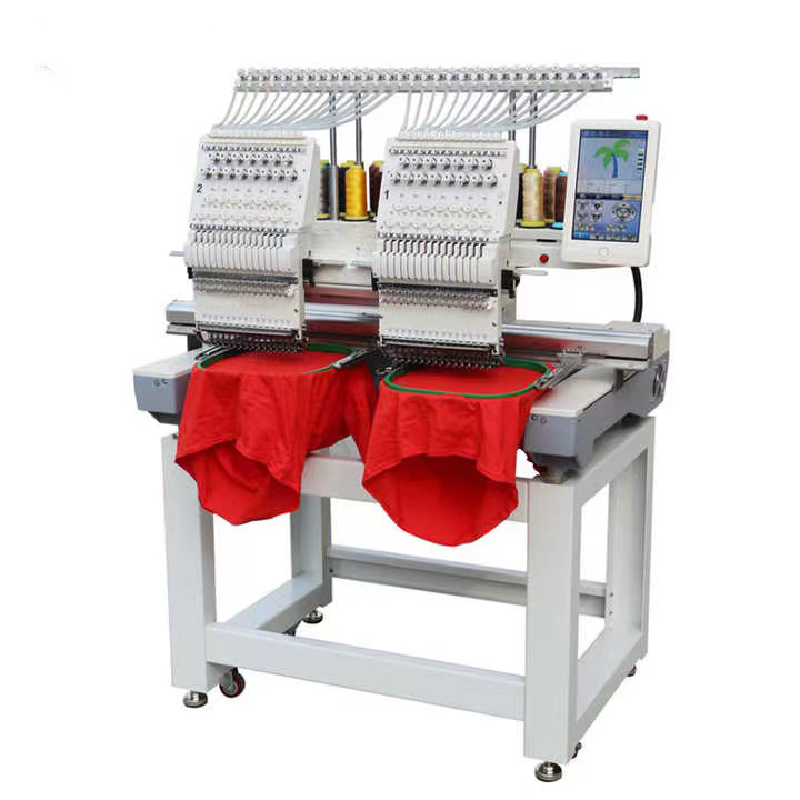
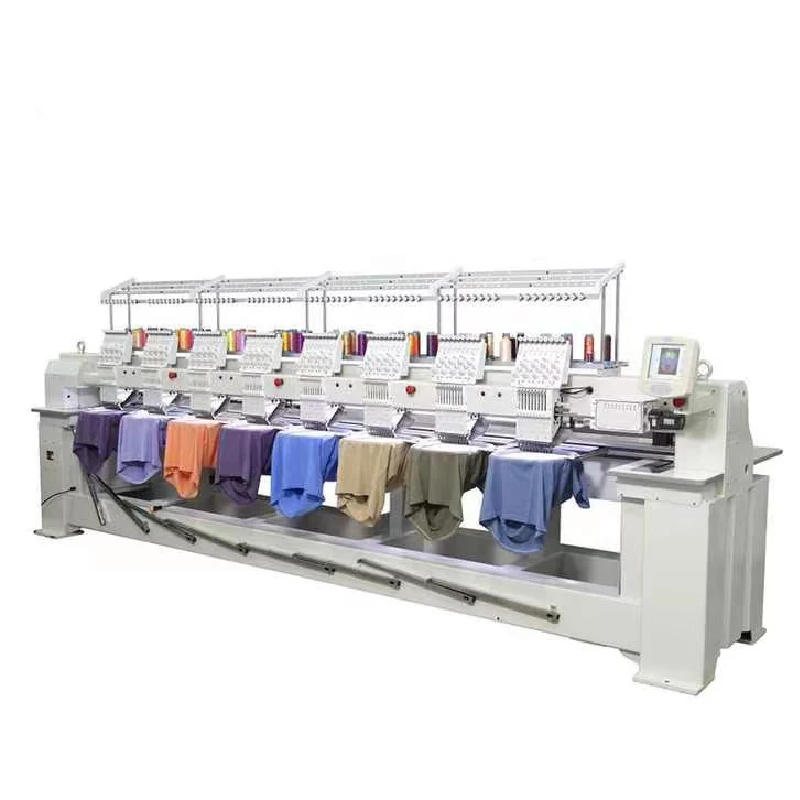
Between 2010 and 2020, the introduction of basic computer-aided designs allowed for the adoption of the multi head embroidery machine in larger factories, enabling the mass production of corporate uniforms and branded apparel.

From 2020 to the present, the "Digital Shift" has occurred. The integration of cloud-based design software and high-speed servo motors has made the cap embroidery machine essential for the growing sportswear and accessories market in the region.

Future Development Trends

AI-Driven Pattern Optimization

Integration of AI to automatically adjust stitch density based on fabric thickness, reducing thread breakage in delicate Palestinian linens.

Energy-Efficient Drive Systems

Shift toward low-voltage, energy-saving motors to mitigate the impact of local electricity costs and unstable grids.

Hyper-Local Customization

Demand for machines that can handle highly complex, multi-colored traditional motifs with zero-error registration.

Industry Trends and Future Outlook

Predicting the next 3-5 years of textile equipment evolution in the Middle East.

Smart Automation
Implementation of IoT for remote monitoring and diagnostics of machinery across different cities.
Sustainable Fabrics
Machines optimized for recycled polyester and organic cotton, aligning with global ESG trends.
Rapid Prototyping
Faster setup times for small batches, allowing designers to test cultural motifs quickly.
Precision Engineering
Higher stitch density control to mimic hand-stitched quality in digital production.

Industry Outlook

Google search trends in the Levant region indicate a significant increase in queries for "automated garment production" and "digital textile design." This suggests that Palestinian manufacturers are moving away from labor-intensive processes toward capital-intensive, high-efficiency technology.

The future will likely see a hybrid model where high-end artisan work is supplemented by precision machines, allowing Palestinian brands to scale their reach to international markets while maintaining cultural authenticity.

Localized Application Scenarios in Palestine

Real-world implementations of embroidery technology across various Palestinian business scales.

01. Cultural Heritage Commercialization

Using a digital embroidery machine to recreate intricate Tatreez patterns on modern clothing, enabling local artisans to sell to a global diaspora.

02. Boutique Headwear Production

Small businesses in Nablus utilizing a cap embroidery machine to produce branded sports caps and religious headwear with precision logos.

03. SME Garment Manufacturing

Family-owned factories adopting the 4 head embroidery machine to handle mid-sized orders for school uniforms and medical scrubs.

04. High-Volume Industrial Export

Large-scale textile plants deploying a multi head embroidery machine to fulfill bulk export contracts for the wider MENA region.

05. Artist Studios & Customization

Independent designers using an embroidery machine single head for one-off custom artworks and personalized luxury gifts.

Brand Story

Global Development Journey of Xingtai Pufa Trading Co., Ltd.

Foundational Excellence

Established with a vision to democratize industrial embroidery, we started by solving the basic stability issues of early digital machines.

Technological Breakthrough

We innovated the precision synchronization of multi-head systems, drastically reducing thread breakage rates for complex patterns.

Global Expansion

Expanding our footprint into Asia and the Middle East, tailoring our machinery to withstand diverse climatic and electrical environments.

Customer-Centric Innovation

Developed a comprehensive support ecosystem to ensure that operators in remote regions receive expert technical guidance.

Future-Ready Vision

Currently integrating AI and sustainable manufacturing practices to lead the next generation of textile equipment.

Frequently Asked Questions for Palestinian Clients

Expert answers to the most common technical and logistical queries.

How do I choose between a 4 head embroidery machine and a multi head system?

The choice depends on your volume. A 4-head machine is ideal for SMEs needing versatility and moderate speed, while multi-head systems are designed for high-capacity industrial export orders.

Can a digital embroidery machine handle traditional Palestinian Tatreez patterns?

Yes, our digital machines support high-resolution design imports, allowing you to convert traditional hand-drawn motifs into precise digital stitches without losing cultural detail.

What is the best cap embroidery machine for small headwear boutiques?

For boutiques, we recommend a single-head cap-specific machine that offers easy hoop adjustment and high precision for small, detailed logos on curved surfaces.

Is an embroidery machine single head suitable for professional startups?

Absolutely. It is the most cost-effective entry point for designers, offering professional-grade results for custom orders and prototyping before scaling up.

How do I maintain my machinery given the dusty environment in some regions?

We recommend daily compressed air cleaning of the bobbin area and monthly lubrication of the moving parts to prevent dust accumulation from affecting stitch quality.

Do your machines support various fabric types used in Palestinian garments?

Our equipment is compatible with everything from heavy denim and canvas to delicate linens and silk, provided the correct stabilizer and needle size are used.

Ready to Upgrade Your Production?

Our technical experts are ready to provide customized machinery configurations for your business in Palestine.

Contact Us Now

If you are interested in our products, you can choose to leave your information here, and we will be in touch with you shortly.