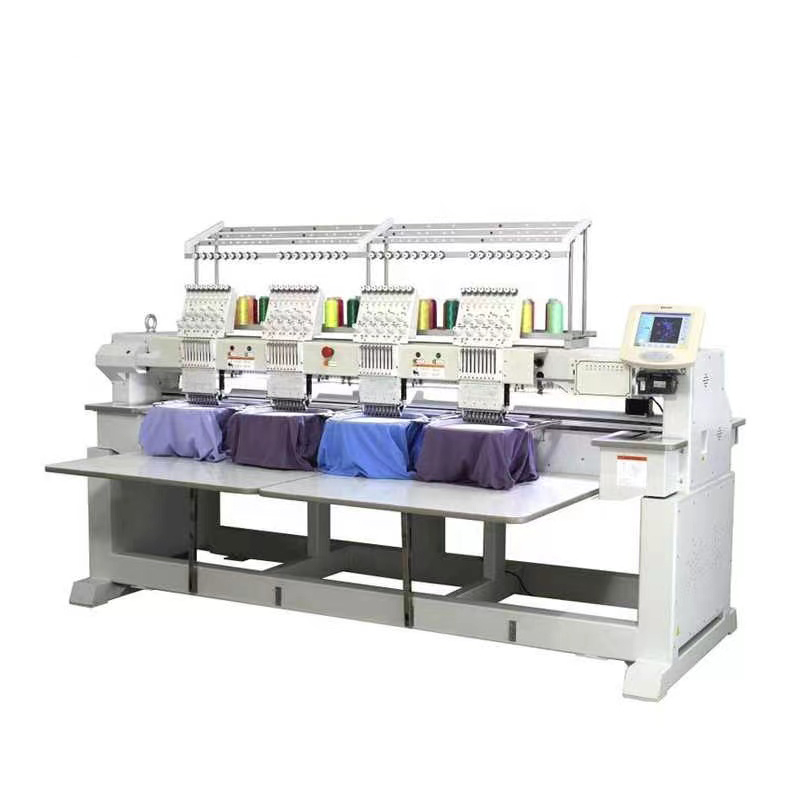
Advanced Digital Embroidery Machine Solutions for Peru's Textile Industry

Empowering Peruvian garment manufacturers with high-precision automation and scalable embroidery technology to compete in the global fashion market.

The Landscape of Textile Machinery in Peru

Analyzing the synergy between traditional Pima cotton production and modern digital embroidery requirements.

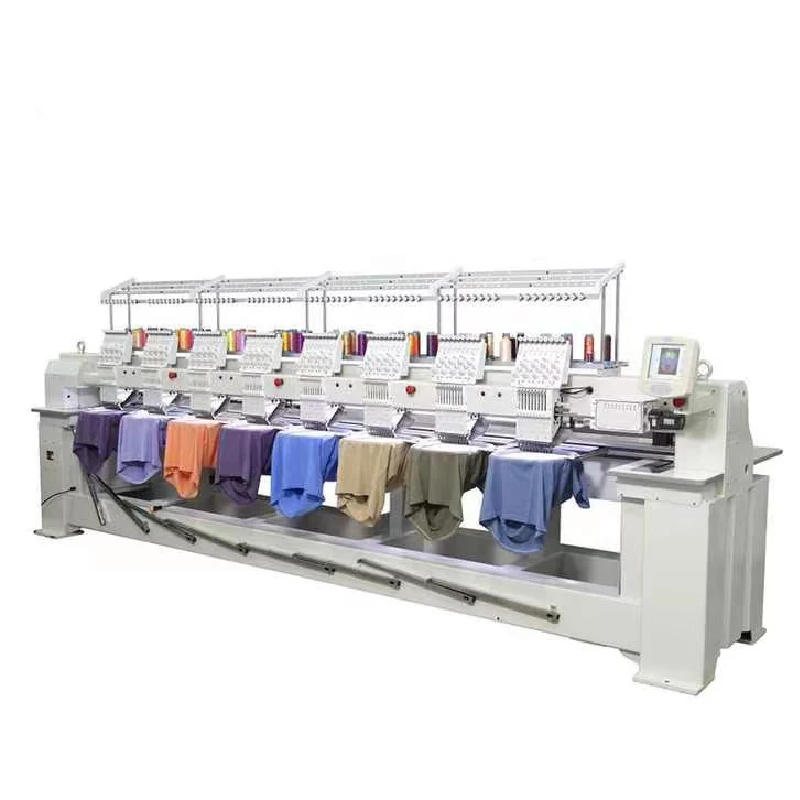
Peru's textile sector, centered around the high-quality Pima cotton and Alpaca wool industries, is currently undergoing a rapid digital transition. In hubs like Lima and Gamarra, there is a surging demand for a multi head embroidery machine to handle increasing export volumes for the North American and European markets.

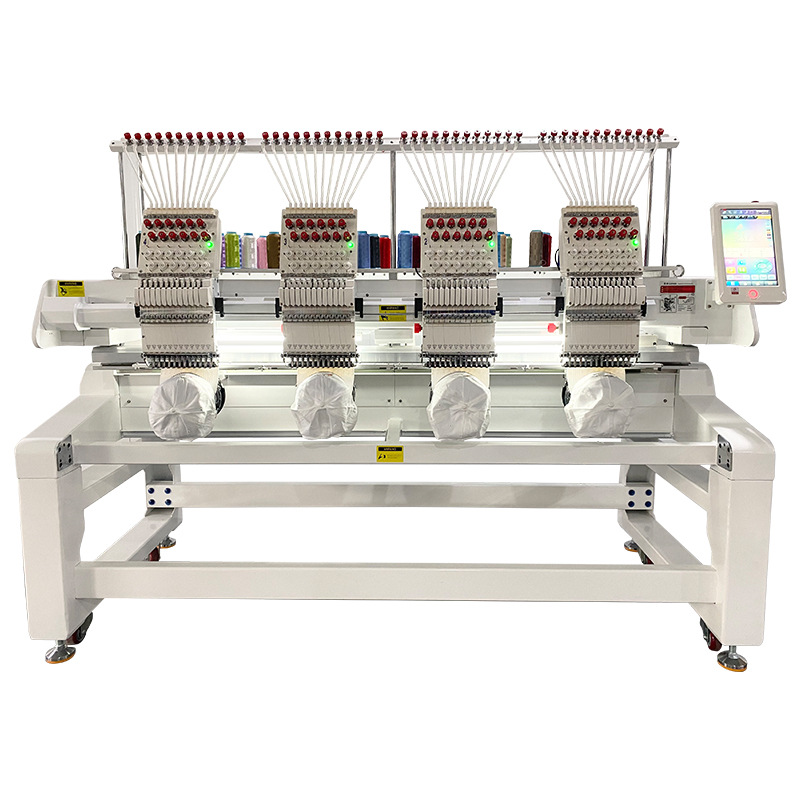
The geographical diversity of Peru, from coastal humidity to Andean altitudes, requires machinery with high stability and corrosion resistance. Local workshops are shifting away from manual craftsmanship toward the efficiency of a 4 head embroidery machine to balance artisanal quality with industrial throughput.

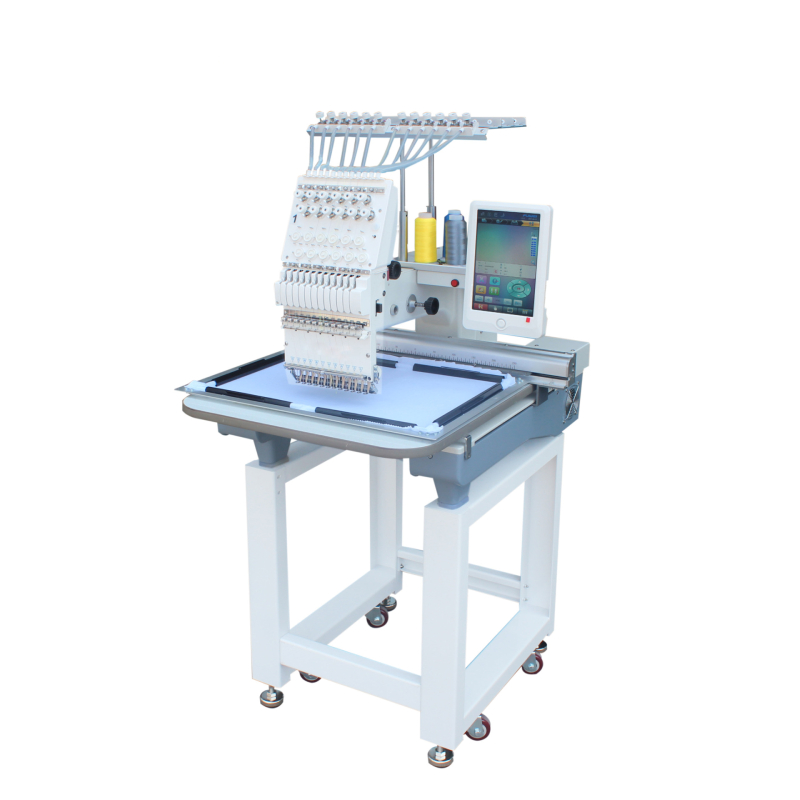
Economic volatility in South America has led Peruvian entrepreneurs to seek equipment that offers a low cost-per-stitch and high versatility. The adoption of an embroidery machine single head has become the entry point for small-scale luxury boutiques focusing on personalized high-end apparel.

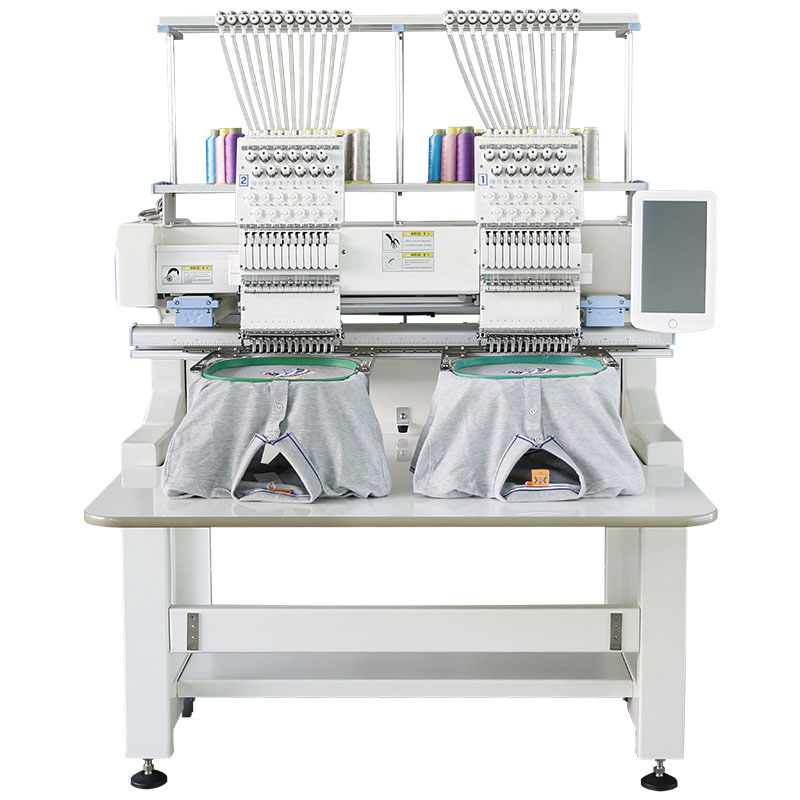
Evolution and Technological Trajectory of Peruvian Embroidery

From traditional hand-stitched patterns to AI-driven digital precision.

Market Development History

Prior to 2010, the Peruvian market relied heavily on mechanical looms and manual embroidery, where speed was limited by human capacity. This era was defined by the "Artisanal Phase," focusing on unique but slow-production cultural motifs.

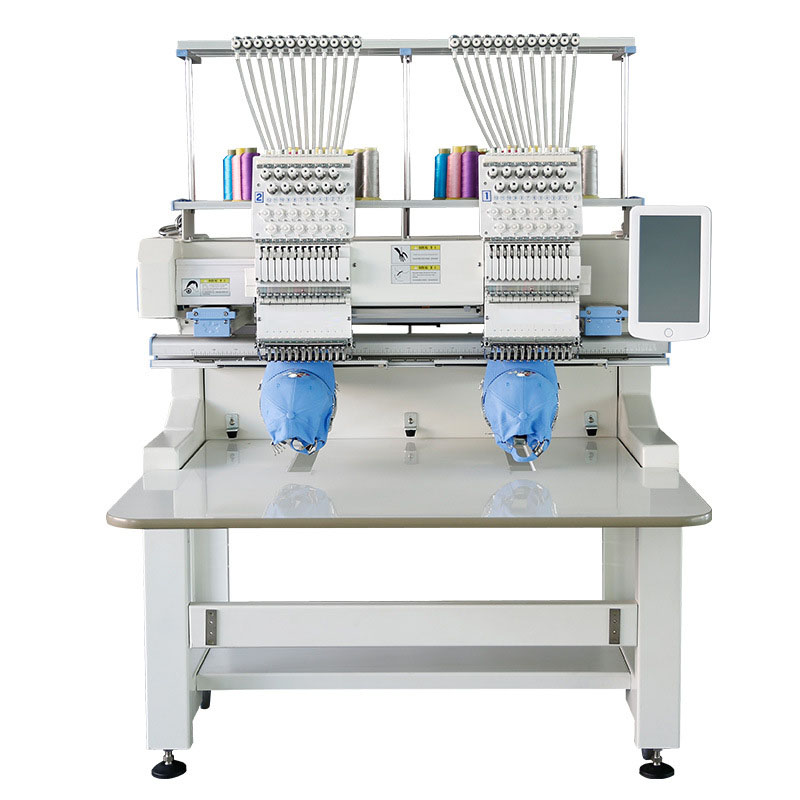
Between 2010 and 2020, the "Digitalization Phase" emerged. The introduction of the first wave of computerized systems allowed Lima-based factories to standardize logos and patterns, significantly increasing the adoption of the cap embroidery machine for the growing sports apparel segment.

From 2021 to the present, the "Smart Manufacturing Phase" has taken hold. Integration with cloud-based design software and high-speed servo motors has turned embroidery from a finishing touch into a core value-adding process in the Peruvian garment supply chain.

Future Development Trends

AI-Driven Pattern Optimization

Future systems will utilize AI to automatically adjust tension and stitch density based on the specific thickness of Peruvian Alpaca fabrics, reducing thread breakage.

Sustainable Energy Integration

With Peru's push toward green energy, next-generation machines will feature energy-recovery systems to reduce the carbon footprint of large-scale industrial plants.

Hyper-Personalization via On-Demand Tech

A shift toward "Micro-Factories" will increase the demand for flexible, compact machinery that can switch between different garment types instantly.

Industry Trends and Future Outlook

Strategizing for the next era of textile automation in South America.

Industrial Automation Scaling
Transitioning from manual labor to high-output multi-head systems to meet international export standards.
Precision Fabric Handling
Developing specialized tension controls for delicate Peruvian fabrics like Vicuña and high-grade Pima.
Digital Ecosystem Sync
Seamless integration between cloud design software and machine execution to reduce sampling lead times.
E-Commerce Customization
Supporting the rise of D2C brands in Peru by offering small-batch, high-complexity embroidery services.

Industry Outlook

Based on Google search trends in South America, there is a significant increase in queries regarding "automated embroidery" and "small business textile machines" in Peru. This indicates a shift from monolithic factory production toward a more agile, distributed manufacturing model.

We predict that over the next 3-5 years, the Peruvian market will prioritize machines that offer modularity—allowing users to start with a single head and expand to a multi-head configuration as their business grows, combined with an emphasis on energy efficiency.

Localized Application Scenarios in Peru

Practical implementations of embroidery technology across various Peruvian market segments.

01. High-End Pima Cotton Apparel

Using precise tension control on digital machines to create intricate branding on luxury Pima cotton T-shirts for the export market in Lima.

02. Traditional Andean Textile Fusion

Combining traditional hand-woven patterns with computer-aided embroidery to create contemporary fashion that preserves Peruvian cultural heritage.

03. Corporate Branding for Lima's Business Hubs

Utilizing the efficiency of a multi-head system to produce thousands of corporate uniforms and polo shirts for the growing financial sectors.

04. Sports and Merchandise Production

Applying specialized cap embroidery machine technology to produce high-quality branded headwear for Peru's passionate football fan base.

05. Boutique Personalized Gift-ware

Implementing single-head machines in small urban studios to provide instant personalized embroidery on linens and baby clothes.

Brand Story

Global Development Journey of Xingtai Pufa Trading Co., Ltd.

Founding Vision

Established with a mission to bridge the gap between complex industrial engineering and user-friendly textile operations.

Technological Breakthrough

Perfected the synchronization of high-speed servo motors, drastically reducing noise and increasing stitch accuracy.

Global Expansion

Expanded operations into South America, tailoring machine specifications to meet the unique environmental needs of the Peruvian coast and mountains.

Customer-Centric Innovation

Launched a series of modular machines that allow small businesses to scale their production without replacing their entire fleet.

Sustainability Commitment

Integrating eco-friendly materials and energy-saving algorithms to support the global shift toward sustainable fashion.

Common Questions in the Peruvian Market

Expert answers to technical and logistical queries from local manufacturers.

How do I choose between a 4 head embroidery machine and a multi head system for a medium factory in Lima?

For medium factories, a 4-head system is ideal for variety and shorter runs, while a larger multi-head system is better for mass-producing a single design for export.

Can a digital embroidery machine handle thick Alpaca wool fabrics without skipping stitches?

Yes, our digital machines feature adjustable presser foot height and high-torque motors specifically designed for heavy Peruvian wools.

What are the maintenance requirements for a cap embroidery machine in humid coastal regions?

We recommend daily lubrication of the carriage and using anti-corrosive coatings on the frame to prevent oxidation caused by coastal humidity.

Is an embroidery machine single head sufficient for a new startup boutique in Cusco?

Absolutely. A single-head machine is the most cost-effective way to offer personalized embroidery and test the market before scaling up.

How long does it take to ship and install industrial embroidery equipment in Peru?

Shipping typically takes 30-45 days via sea freight to Callao port, with installation and training taking an additional 3-5 business days.

Do your machines support custom Spanish-language software interfaces for local operators?

Yes, all our digital control panels come with multi-language support, including a fully translated Spanish interface for ease of use in Peru.

Ready to Upgrade Your Production?

Our technical experts are ready to provide customized machinery configurations for your business in Peru.

Contact Us Now

If you are interested in our products, you can choose to leave your information here, and we will be in touch with you shortly.