Advanced digital embroidery machine Solutions for Portugal's Textile Hubs

Elevating Portuguese garment craftsmanship with high-precision automation and sustainable embroidery technology for the modern European market.

The State of Textile Machinery in Portugal

Analyzing the synergy between traditional craftsmanship and digital automation in the Iberian Peninsula.

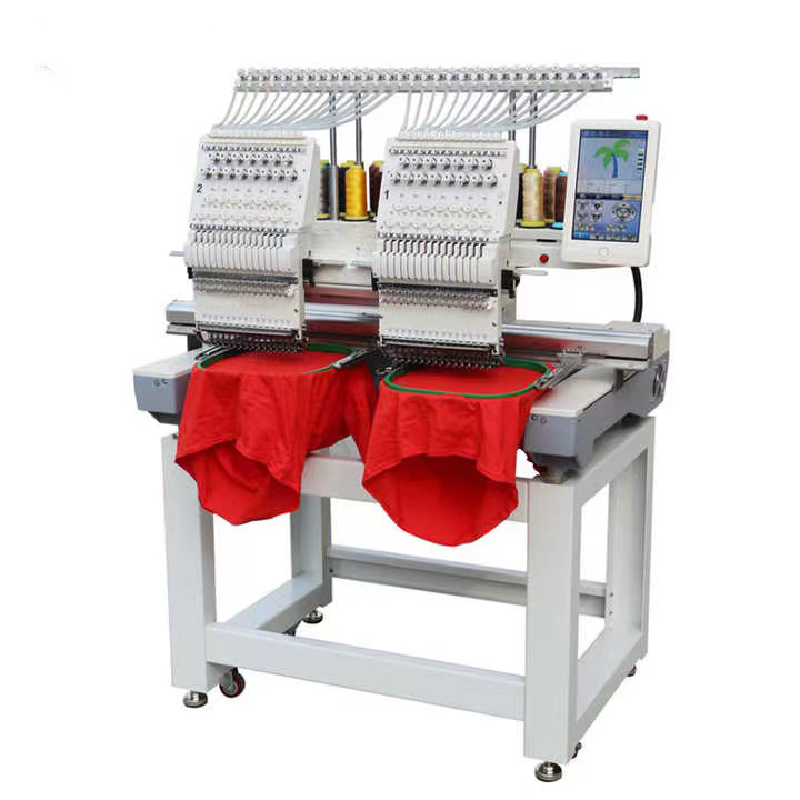
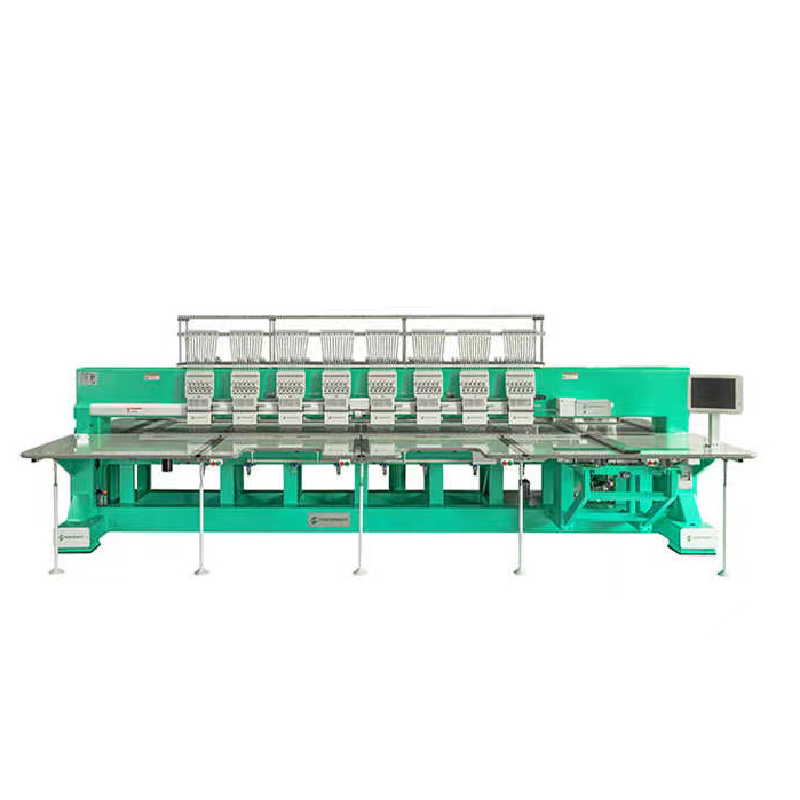
Portugal's textile industry, particularly in the northern regions like Porto and Braga, is currently undergoing a digital pivot. The market is shifting from bulk low-cost production toward high-value, customized fashion, creating a surged demand for a multi head embroidery machine that can handle complex designs with minimal downtime.

The local economic environment emphasizes sustainability and "Made in Europe" quality. Consequently, Portuguese manufacturers are replacing legacy mechanical systems with a digital embroidery machine to reduce thread waste and energy consumption, aligning with the EU's Green Deal objectives.

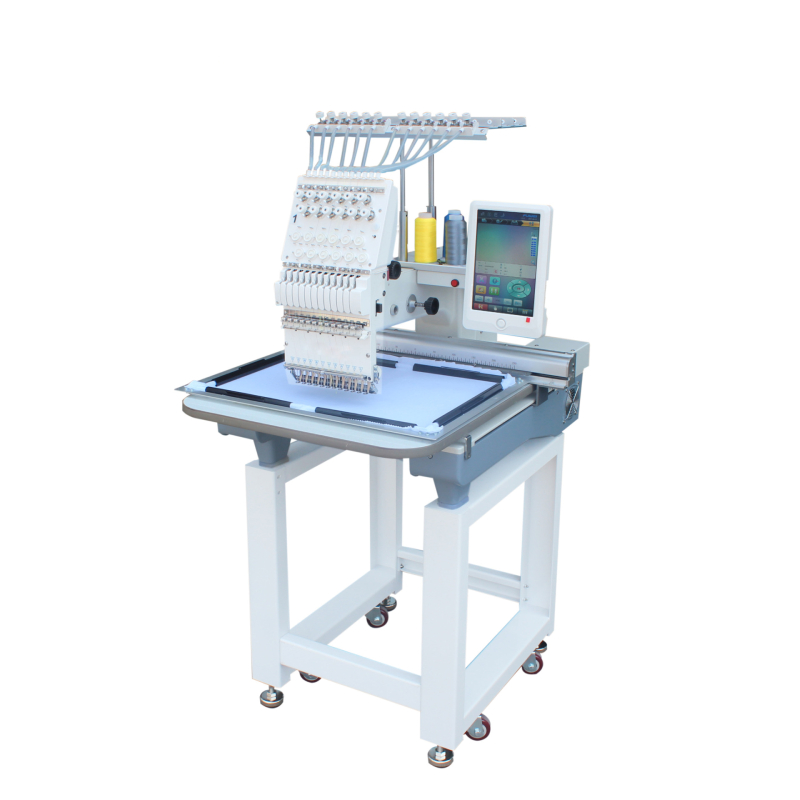
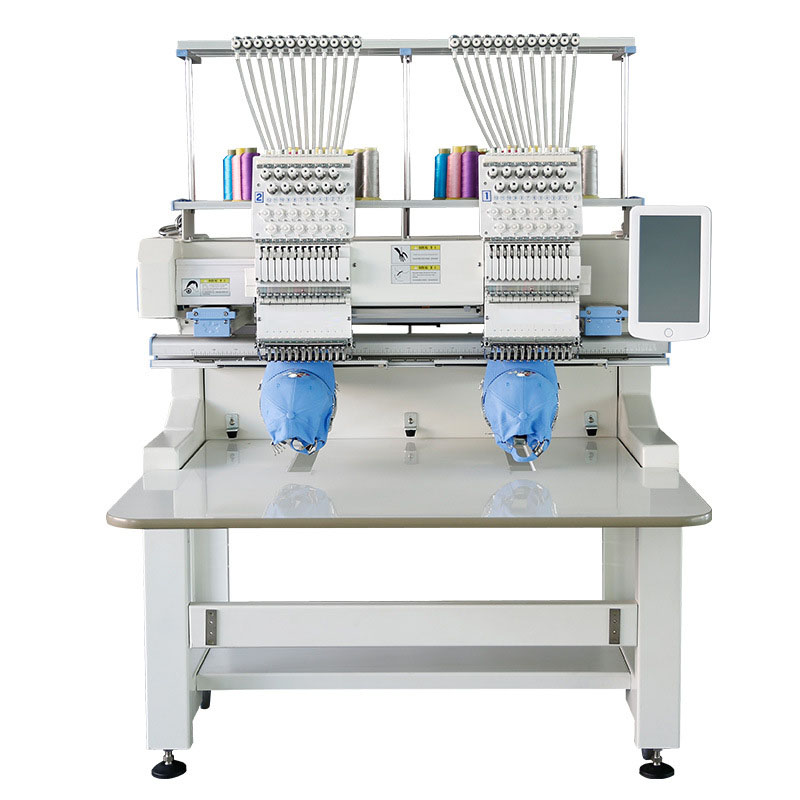
Despite the push for automation, there remains a strong niche for artisanal boutique studios. These smaller enterprises rely heavily on an embroidery machine single head to produce limited edition luxury apparel, blending traditional Portuguese embroidery patterns with modern digital control.
Evolution and Trajectory of Embroidery Technology

From manual needles to AI-driven precision stitching in the Portuguese garment sector.

Market Development History

Between 1990 and 2010, the Portuguese market was dominated by mechanical multi-needle machines. Production was labor-intensive, and design changes required manual template adjustments, limiting the agility of local factories to respond to fast-fashion trends.

The 2011-2020 period marked the "Digital Transition." The introduction of the multi head embroidery machine with USB and LAN connectivity allowed factories to scale production while maintaining strict quality control, significantly boosting export capacities to France and Spain.

Since 2021, the focus has shifted toward hyper-specialization. We have seen the rise of the cap embroidery machine as Portuguese sportswear and corporate merchandising sectors expanded, requiring specialized frames for curved surfaces.

Future Development Trends

IoT-Integrated Production

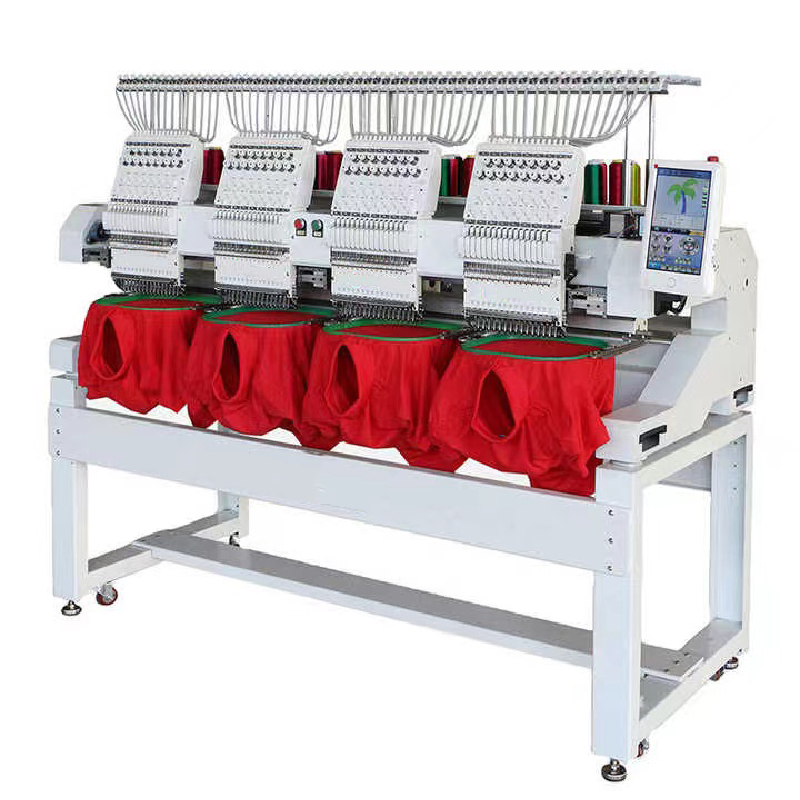
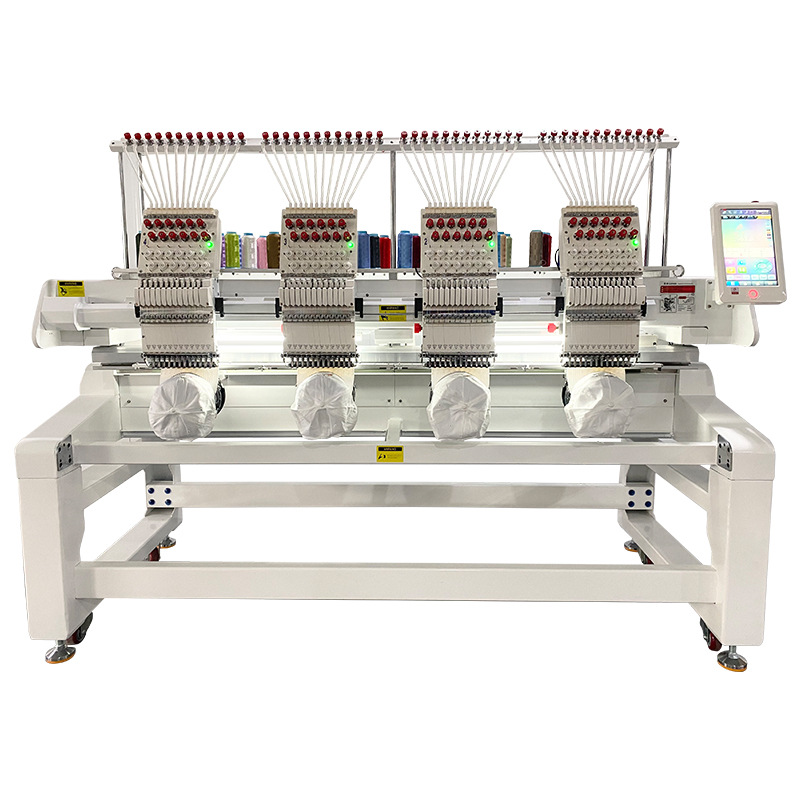
Integration of cloud-based monitoring will allow Portuguese workshop owners to manage their 4 head embroidery machine fleets remotely, optimizing stitch counts and thread usage in real-time.

Sustainable Fiber Compatibility

Future machines will be optimized for organic and recycled threads, which are becoming mandatory in the Portuguese luxury textile sector to meet environmental regulations.

AI-Driven Design Optimization

The next 3-5 years will see AI automatically adjusting tension and speed based on fabric density, reducing the learning curve for operators in regional hubs.

Industry Outlook and Future Projections

Strategic forecasting for the specialized equipment sector in the Portuguese market.

Eco-Friendly Manufacturing
Shift toward energy-efficient motors and biodegradable components to align with Portugal's sustainability goals.
Hyper-Customization
Growth in "Print-on-Demand" services requiring agile, small-scale digital embroidery setups.
Smart-Factory Integration
Integration of embroidery units into fully automated garment assembly lines.
AI Quality Control
Computer vision systems for real-time detection of thread breaks and embroidery defects.

Industry Outlook

The search trends for "sustainable fashion technology" in Europe indicate a strong shift toward high-efficiency machinery. In Portugal, we expect the adoption of mid-range machines, like the 4 head embroidery machine, to increase as small-to-medium enterprises (SMEs) scale up their production.

Overall, the Portuguese market is moving away from low-cost competitiveness and toward a "High-Value Addition" model. This ensures that investment in precision digital equipment will yield higher returns through the production of luxury and technical textiles.

Localized Application Scenarios in Portugal

Practical implementations of our machinery in diverse Portuguese industrial contexts.

1. Luxury Fashion Houses in Porto

High-end designers utilize the embroidery machine single head to create intricate, one-of-a-kind embellishments on silk and linen, maintaining the exclusivity of boutique collections.

2. Sports Apparel Factories in the North

Large-scale producers employ the multi head embroidery machine to rapidly apply team logos and sponsor branding to athletic gear for the European market.

3. Corporate Merchandising Hubs in Lisbon

Agencies specializing in promotional wear use the cap embroidery machine to produce high-quality branded headwear for corporate events and tourism.

4. Specialized Home Textile Workshops

Traditional linen producers integrate a 4 head embroidery machine to add modern decorative patterns to tablecloths and bedding while keeping production costs low.

5. Technical Textile R&D Centers

Innovation labs use a digital embroidery machine to experiment with conductive threads and smart fabrics for medical and industrial applications.

Brand Story

Global Development Journey of Xingtai Pufa Trading Co., Ltd.

Foundational Excellence

Established with a vision to bridge the gap between industrial capacity and precision, we began by mastering the core mechanics of specialized textile equipment.

Technological Breakthrough

We invested heavily in R&D to transition from mechanical systems to fully digital interfaces, solving the pain point of slow setup times in garment factories.

European Market Entry

Recognizing the quality demands of the EU, we optimized our machines for higher precision and energy efficiency, successfully entering the Portuguese market.

Customer-Centric Evolution

By listening to Portuguese artisans, we developed specialized frames and software updates that cater to the unique needs of Mediterranean textile art.

Global Leadership Vision

Today, we strive to be the leading provider of intelligent embroidery solutions, empowering manufacturers worldwide to merge art with industrial scale.

Portugal Textile Machinery FAQ

Answers to the most common technical and commercial questions from our Portuguese clients.

How do I choose between a 4 head embroidery machine and a multi head system for my Porto factory?

The choice depends on your volume. A 4-head machine is ideal for SMEs focusing on medium batches with variety, while larger multi-head systems are designed for mass production of uniform items.

Can a digital embroidery machine handle traditional Portuguese heavy linens?

Yes, our digital machines feature adjustable penetration and tension settings specifically designed to handle high-density fabrics common in Portuguese home textiles.

What is the setup time for a cap embroidery machine in a corporate branding environment?

Our cap-specific machines utilize quick-lock frames, reducing the changeover time to under 2 minutes, which is essential for the fast-paced Lisbon merchandising market.

Is an embroidery machine single head suitable for luxury boutique operations?

Absolutely. The single-head model offers the highest level of control and flexibility, making it the preferred choice for high-value, custom couture pieces.

Do your machines comply with EU energy efficiency standards for the textile industry?

Yes, all our latest models utilize servo-motor technology to minimize power consumption and reduce the carbon footprint of your production line.

What software compatibility is available for digital embroidery machine designs in Europe?

Our machines support all major industry-standard formats (DST, PES, EXP), ensuring seamless integration with the design software used by Portuguese fashion houses.

Ready to Transform Your Production?

Our experts are ready to provide customized machinery consultations for your business in Portugal.

Contact Us Now

If you are interested in our products, you can choose to leave your information here, and we will be in touch with you shortly.
