Advanced digital embroidery machine Solutions for Romania's Textile Industry

Empowering Romanian garment manufacturers with high-precision automation and scalable production capabilities to compete in the European luxury and fast-fashion markets.

The State of Textile Manufacturing in Romania

Analyzing the synergy between traditional craftsmanship and industrial automation in Eastern Europe.

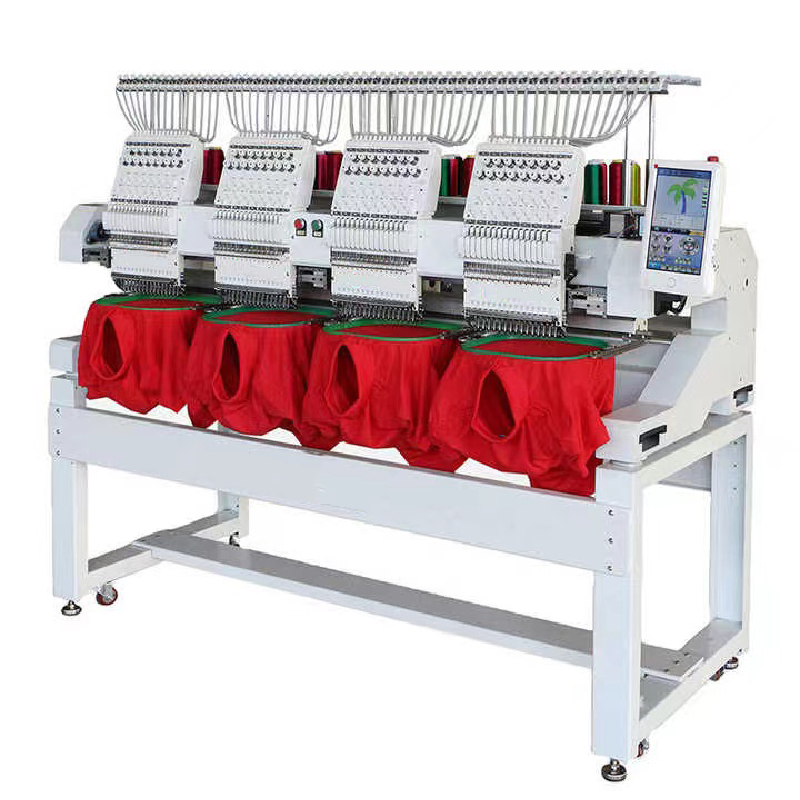
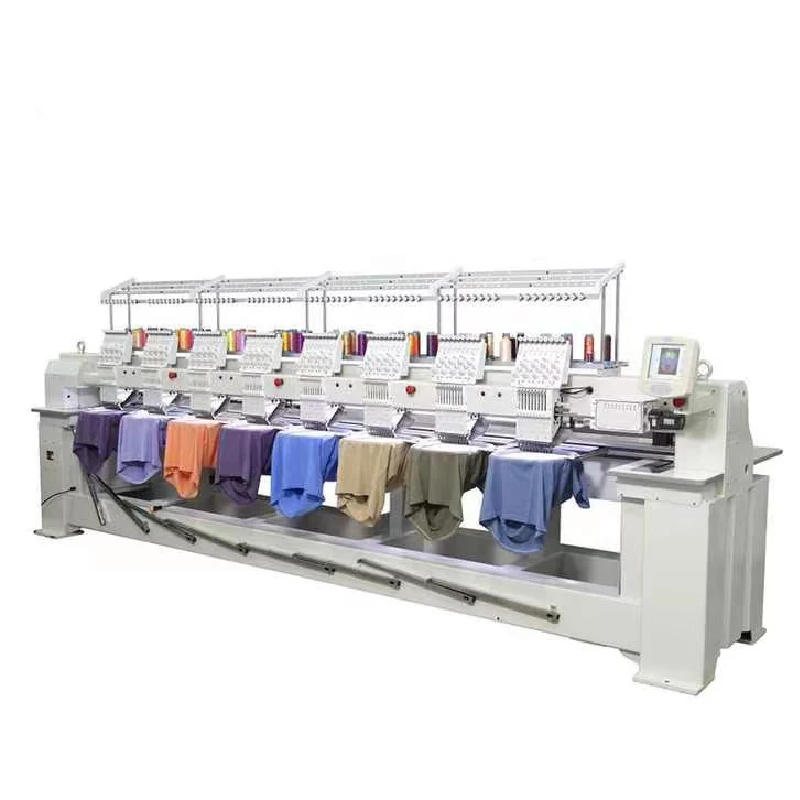
Romania possesses a rich heritage in textile production, traditionally focused on high-quality linens and clothing. However, the current market in Romania is shifting toward high-value-added customization. The integration of a multi head embroidery machine has become essential for factories looking to reduce labor costs while meeting the strict quality standards of EU export markets.

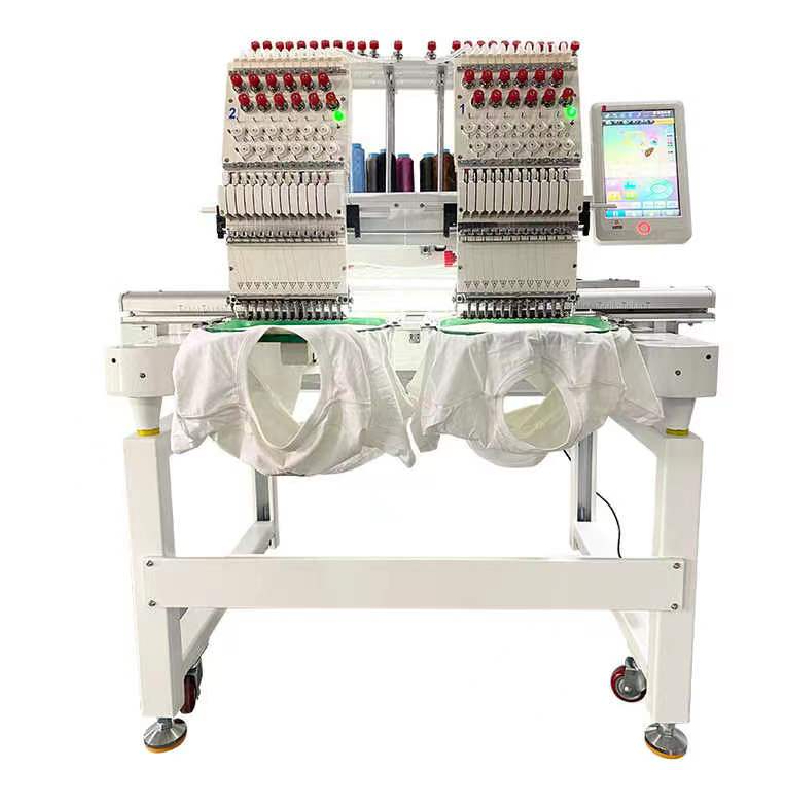
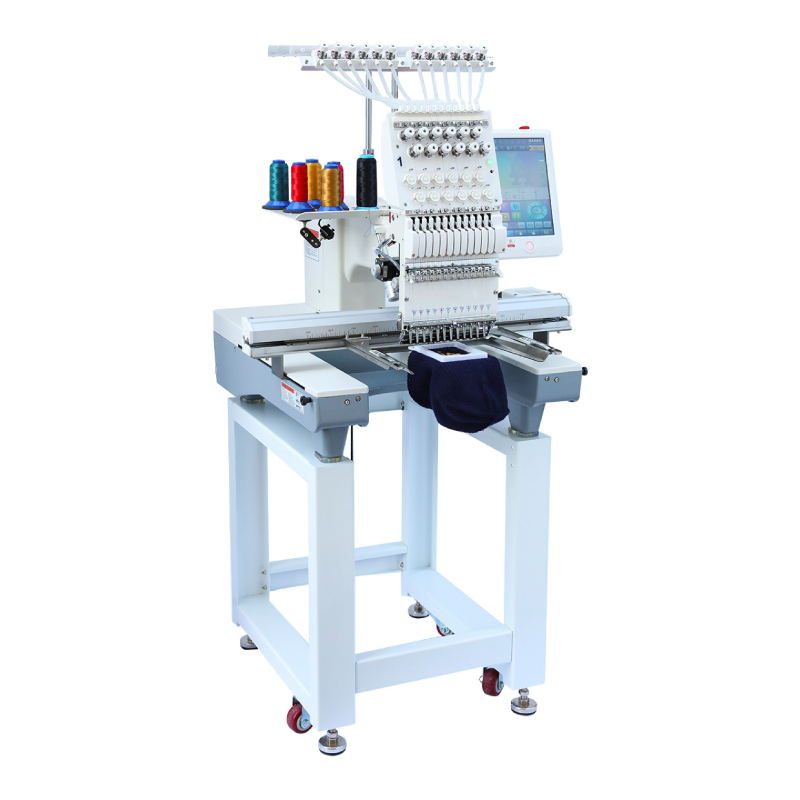
Economic volatility and the rise of "slow fashion" in European cities have pushed Romanian workshops to adopt more flexible equipment. We see a growing demand for the embroidery machine single head for artisanal, small-batch production, allowing local designers to experiment with intricate patterns without the overhead of massive industrial lines.

Despite the challenges of energy costs in the region, the transition to energy-efficient digital embroidery machine technology is accelerating. Romanian enterprises are now leveraging IoT-enabled machinery to synchronize their production cycles with real-time demand from Western European fashion hubs.
Evolution of Romanian Embroidery Technology

Tracing the path from manual needlework to AI-driven industrial precision.

Market Development History

In the late 20th century, Romania relied heavily on mechanical looms and manual embroidery, which offered unmatched soul but lacked scalability. The first wave of digitalization arrived in the early 2000s, introducing basic computerized patterns that replaced manual punching.

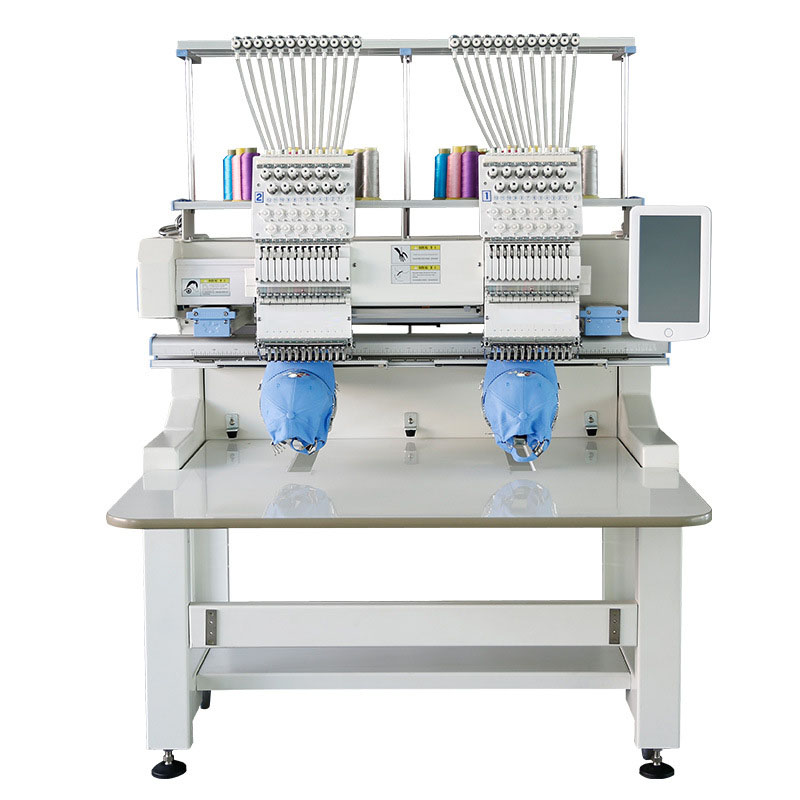
Between 2010 and 2020, the industry shifted toward specialized versatility. The introduction of the cap embroidery machine allowed Romanian apparel brands to enter the sportswear and corporate merchandising sector, diversifying their revenue streams beyond traditional garments.

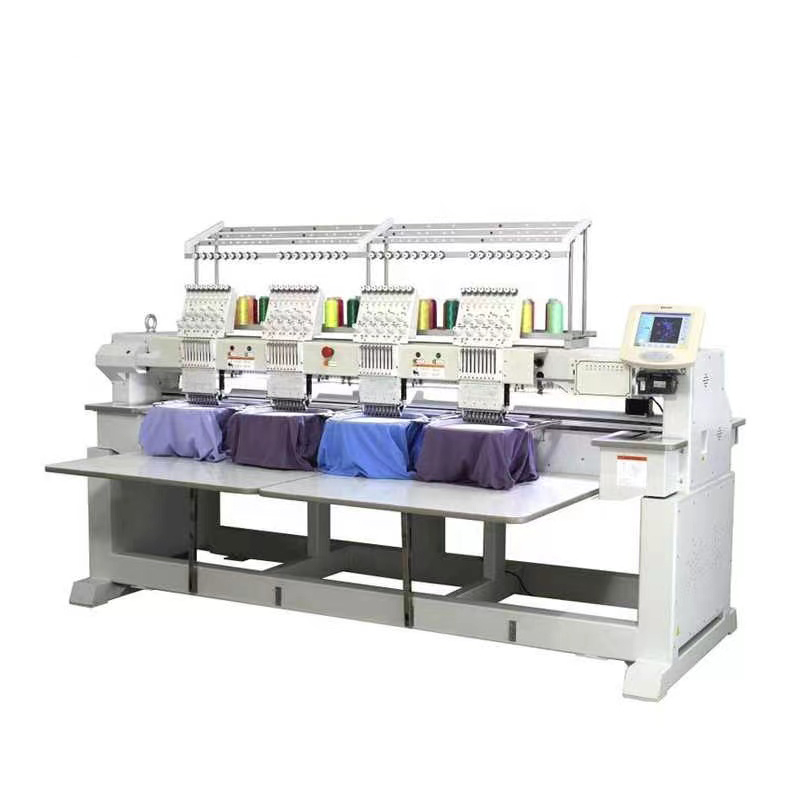
Today, the market has entered the era of "Smart Manufacturing." The adoption of the 4 head embroidery machine represents the "sweet spot" for medium enterprises—balancing high output with a compact footprint suitable for urban Romanian workshops.

Future Development Trends

AI-Driven Pattern Optimization

We predict a shift toward software that automatically optimizes stitch density to reduce thread waste, directly impacting the sustainability goals of EU textile regulations.

Hyper-Personalization on Demand

The rise of e-commerce in Romania will drive the demand for machines that can switch designs instantaneously, favoring high-speed digital interfaces.

Eco-Friendly Thread Integration

Future machinery will be optimized for biodegradable and recycled threads, aligning with the European Green Deal's circular economy framework.

Industry Outlook & Future Projections

Strategizing for the next 5 years of textile innovation in Romania.

Automated Workflow Integration
Seamless connection between CAD design software and industrial embroidery hardware for zero-error production.
Energy Efficiency Standards
Development of low-wattage servo motors to reduce the operational cost of large-scale embroidery plants.
Material Diversity
Expanding machinery capability to handle technical textiles, including waterproof and fire-resistant fabrics.
Remote Diagnostics
Implementing cloud-based maintenance to reduce downtime for Romanian operators via global support.

Industry Outlook

Based on current search trends and economic data, the Romanian textile sector is pivoting toward a hybrid model. This involves combining the efficiency of a multi head embroidery machine for baseline volume with the precision of single-head units for bespoke luxury items.

Over the next 3-5 years, we expect a surge in demand for modular equipment that can be upgraded without replacing the entire chassis, allowing SMEs to scale organically as they enter the broader European Union market.

Localized Application Scenarios in Romania

Real-world implementations of professional embroidery technology in Romanian industries.

1. Bucharest Luxury Fashion Ateliers

Utilizing the embroidery machine single head to create limited edition haute couture pieces that blend traditional Romanian motifs with modern silhouettes.

2. Cluj-Napoca Corporate Apparel Hubs

Implementing a 4 head embroidery machine to handle mid-volume orders for corporate polos and uniforms for the growing IT sector in the region.

3. Timișoara Sportswear Manufacturers

Deploying specialized cap embroidery machine units to produce high-quality branded headwear for national sports teams and regional leagues.

4. Iași Textile Export Factories

Scaling production with multi head embroidery machine systems to fulfill large-scale contracts for Western European retail chains.

5. Regional Folk Art Digitization Projects

Using a digital embroidery machine to archive and reproduce ancient Romanian embroidery patterns, preserving cultural heritage through industrial precision.

Brand Story

Global Development Journey of Xingtai Pufa Commercial and Trade Co., Ltd.

Foundational Engineering

Started with a mission to bridge the gap between complex industrial parameters and user-friendly textile machinery for small business owners.

Technological Breakthrough

Developed proprietary precision-drive systems that significantly reduced thread breakage in multi-head configurations.

European Market Entry

Expanded operations into the EU, focusing on Romania and neighboring regions to provide localized support and durable hardware.

Digital Transformation

Launched an integrated ecosystem of software and hardware, simplifying the transition from design to finished garment.

Sustainable Future

Now committed to green manufacturing, creating machines that consume less power while producing superior embroidery quality.

Common Questions from Romanian Textile Partners

Expert answers to the most pressing technical and operational queries in the region.

How do I choose between a 4 head embroidery machine and a multi head system?

For medium-sized Romanian workshops, a 4-head machine offers the best balance of space efficiency and output. However, if you are fulfilling large export contracts, a larger multi-head system is recommended to maximize throughput.

Can a digital embroidery machine handle traditional Romanian heavy fabrics?

Yes, our machines feature adjustable tension and high-torque motors specifically designed to penetrate thicker textiles common in traditional Romanian attire without skipping stitches.

What is the best cap embroidery machine for small batch promotional wear?

For small batches, we recommend our semi-automated cap units that allow for rapid hoop changes and high-precision centering, perfect for the Romanian corporate gifting market.

Is an embroidery machine single head suitable for starting a home-based business in Romania?

Absolutely. The single-head machine is ideal for entrepreneurs due to its low power consumption, compact size, and ability to handle highly detailed custom work for local clients.

How does the maintenance of a multi head embroidery machine work in Romania?

We provide comprehensive digital manuals and remote diagnostic support. For physical maintenance, we recommend a quarterly lubrication schedule to ensure longevity in Romania's varying humidity levels.

Which digital embroidery machine software is most compatible with EU standards?

Our machines support standard DST and PES formats, ensuring seamless compatibility with all major European design software and industrial pattern libraries.

Ready to Transform Your Production?

Our experts are ready to help you select the perfect machinery to scale your business in Romania.

Contact Us Now

If you are interested in our products, you can choose to leave your information here, and we will be in touch with you shortly.