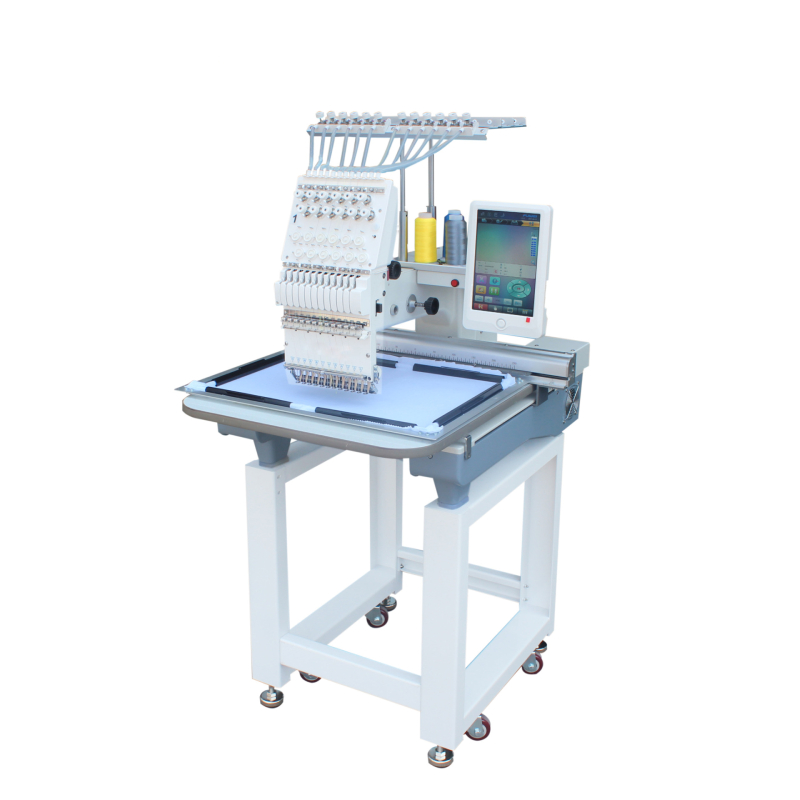
Advanced Digital Embroidery Machine Solutions for Spain's Textile Industry

Empowering Spanish fashion houses and industrial garment manufacturers with high-precision automation and scalable embroidery technology.

The State of Embroidery Manufacturing in Spain

Analyzing the intersection of traditional Spanish craftsmanship and modern industrial automation.

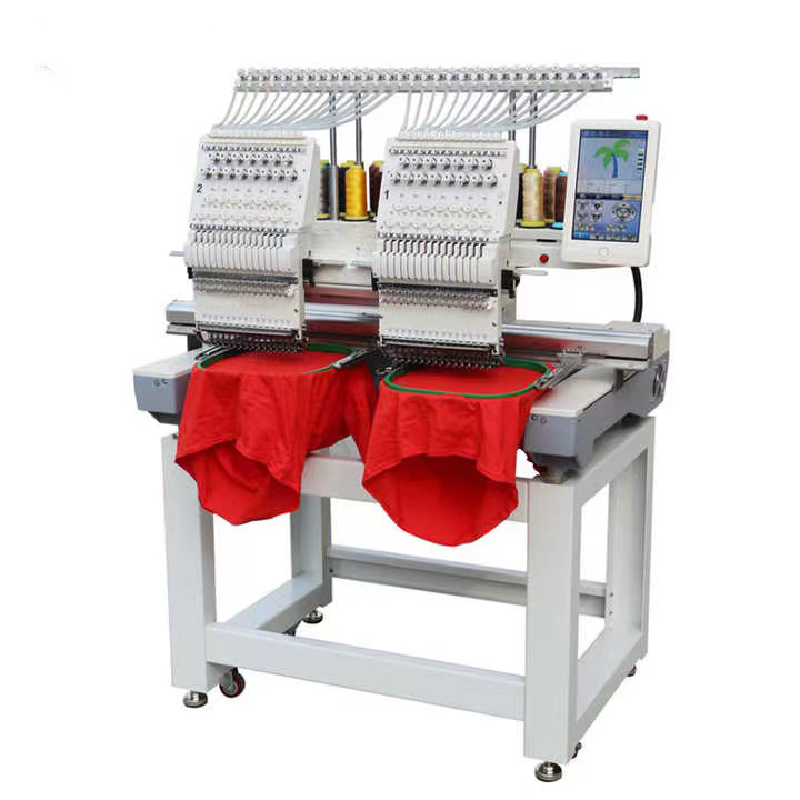
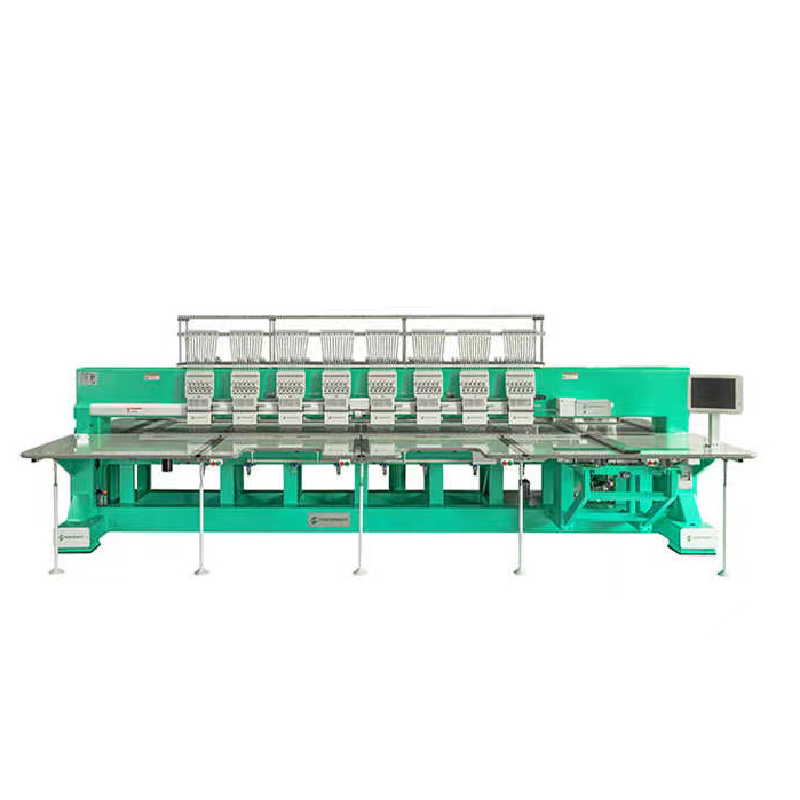
Spain's textile sector, centered in hubs like Catalonia and Valencia, is currently navigating a transition from fast-fashion mass production to high-value, sustainable customized apparel. The demand for a multi head embroidery machine has surged as local brands seek to maintain "Made in Spain" quality while increasing throughput to compete with global imports.

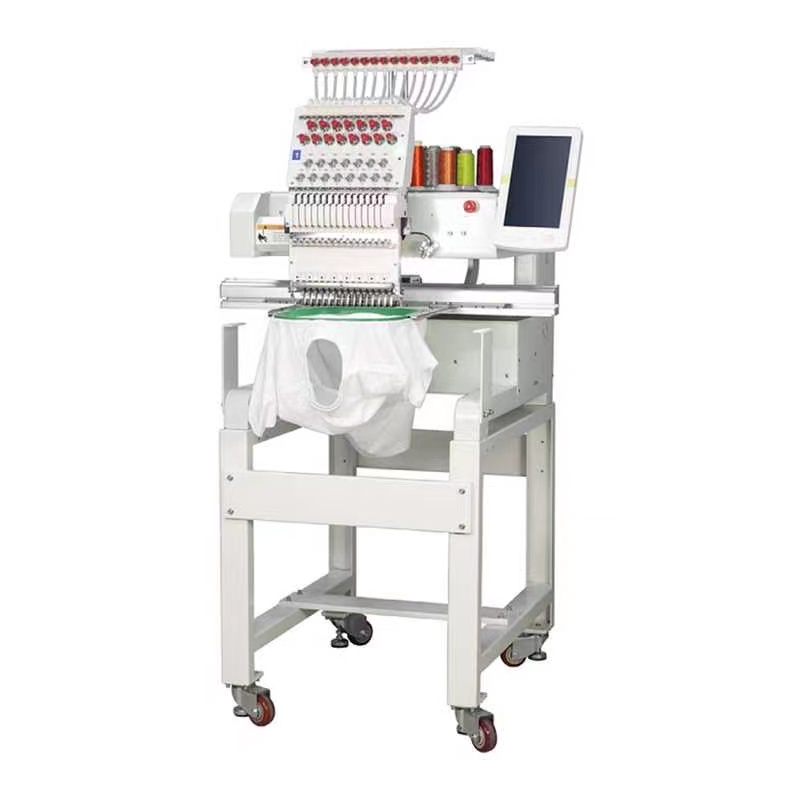
The Mediterranean climate and the strong influence of luxury leather and textile exports mean that Spanish manufacturers require equipment that can handle diverse materials, from lightweight summer linens to heavy bridal fabrics. This has led to a significant adoption of the embroidery machine single head for boutique artisan studios that prioritize intricate detail over volume.

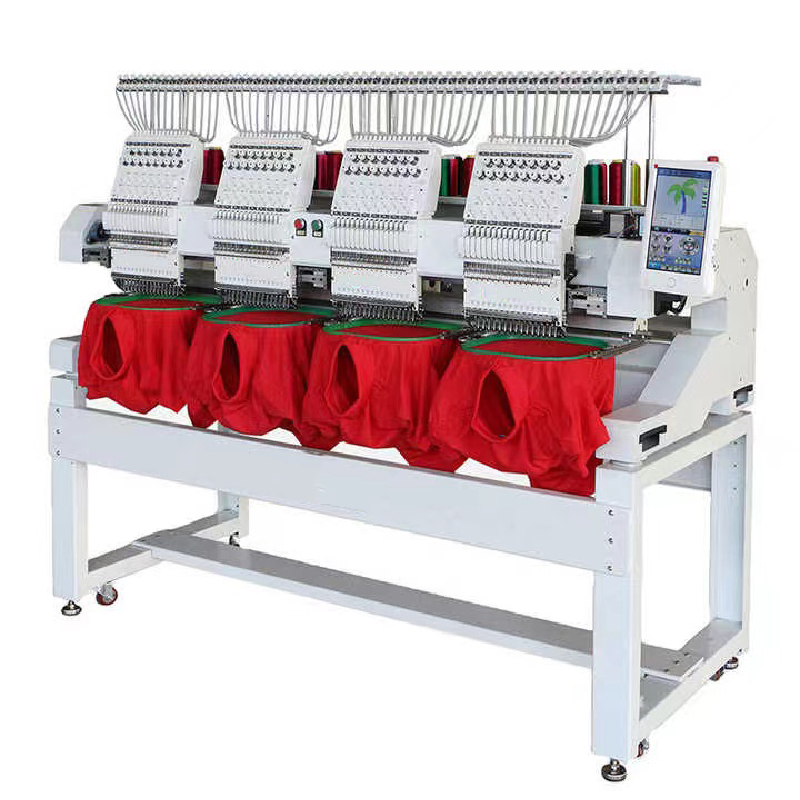
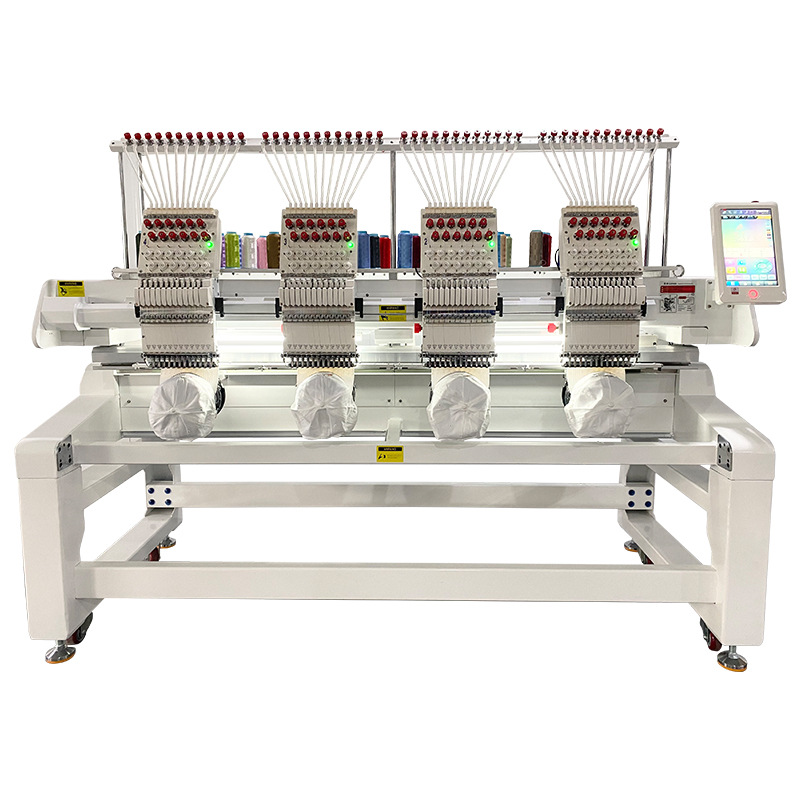
Economically, the shift toward "Industry 4.0" in Europe has pushed Spanish workshops to replace aging mechanical looms with software-driven systems. The integration of a 4 head embroidery machine provides the perfect balance for mid-sized Spanish enterprises looking to scale their production without requiring massive factory footprints.
Technological Evolution and Development Trajectory

From manual needlework to AI-driven digital precision in the Spanish textile landscape.

Market Development History

Historically, the Spanish embroidery market relied on manual craftsmanship and basic mechanical sewing. Between 1990 and 2005, the first wave of automation introduced basic computer-controlled patterns, allowing for faster replication of traditional Spanish motifs.

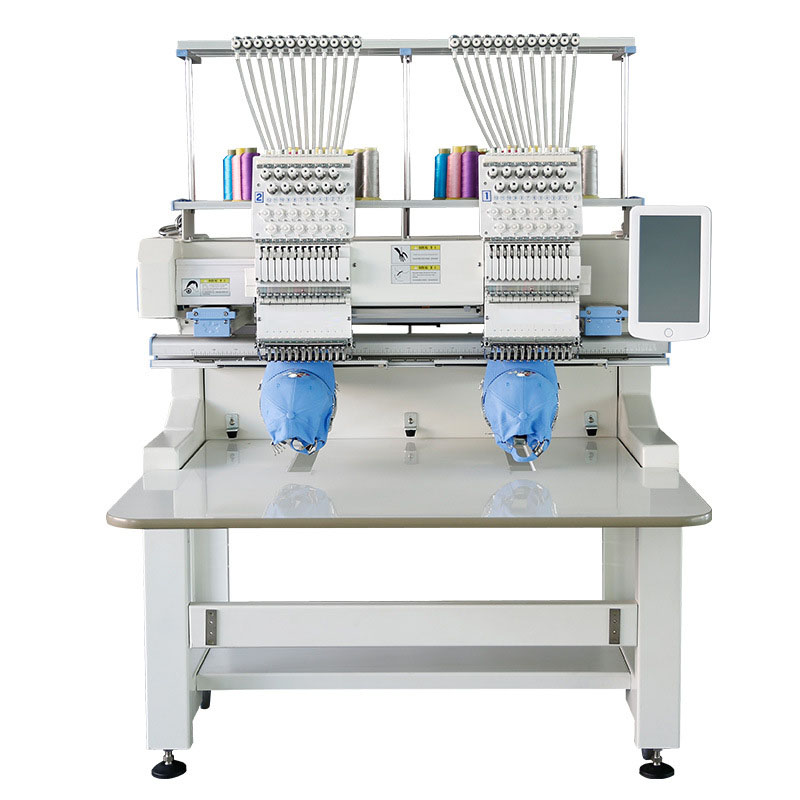
From 2010 to 2020, the industry saw a rapid shift toward versatility. The introduction of the cap embroidery machine allowed Spanish sportswear and promotional brands to diversify their product lines, moving beyond flat garments to structured headwear.

Since 2021, the trajectory has been defined by "Smart Manufacturing." The focus has shifted to energy efficiency and reduced thread waste, aligning with the EU's Green Deal and the specific sustainability mandates of the Spanish government.

Future Development Trends

Cloud-Based Pattern Management

Integration of IoT allowing Spanish designers to upload patterns remotely to a digital embroidery machine via cloud servers, reducing setup time from hours to seconds.

Eco-Friendly Material Compatibility

Development of specialized tension systems to handle recycled polyester and organic hemp fabrics, which are becoming standard in the Spanish eco-fashion movement.

Hyper-Personalization Automation

The rise of "on-demand" embroidery where AI analyzes consumer preferences in real-time to adjust stitch density and color palettes automatically.

Industry Trends and Future Outlook

Strategic forecasting for the specialized equipment sector in the European market.

Green Manufacturing
Implementation of low-energy motors and biodegradable thread systems to meet EU environmental certifications.
Modular Scalability
Shift toward modular head systems that allow workshops to expand from a single head to multi-head configurations as they grow.
AI Design Integration
Software that automatically optimizes stitch paths to reduce production time and improve garment durability.
Hybrid Materialism
Machines capable of combining embroidery with heat-press or laser-cutting in a single workflow.

Industry Outlook

Based on Google search trends in the Spanish market, there is a growing interest in "bespoke automation." We predict that within the next 3-5 years, the demand for small-batch, high-complexity machinery will outweigh the demand for massive industrial lines, as the "Slow Fashion" movement gains traction in Madrid and Barcelona.

Furthermore, the integration of augmented reality (AR) for pattern visualization will allow Spanish designers to preview embroidery on a 3D model of the garment before the first stitch is made, drastically reducing material waste and increasing client satisfaction.

Local Application Scenarios in Spain

How our embroidery solutions are driving success across various Spanish textile sectors.

1. Luxury Bridal Wear in Valencia

Utilizing a embroidery machine single head to create highly intricate, customized floral lace patterns for high-end wedding gowns, blending traditional Valencian style with digital precision.

2. Sports Apparel Hubs in Catalonia

Deploying a multi head embroidery machine for high-volume production of team jerseys and corporate athletic wear, ensuring consistent logo quality across thousands of units.

3. Promotional Headwear in Madrid

Implementing a cap embroidery machine to serve the booming tourist and corporate merchandise market, allowing for fast turnaround on customized baseball caps.

4. Mid-Sized Fashion Boutiques

Using a 4 head embroidery machine to balance the need for small-batch versatility and efficient output for seasonal "ready-to-wear" collections.

5. Industrial Workwear Manufacturing

Integrating a digital embroidery machine to apply durable, high-visibility safety branding on heavy-duty fabrics for the Spanish construction and agricultural sectors.

Brand Story

Global Development Journey of Xingtai Pufa Trading Co., Ltd.

Foundation of Precision

Our journey began with a commitment to solving the inconsistency of industrial stitching, focusing on engineering robust components for the global garment industry.

Digital Transformation

We pioneered the integration of intuitive software with heavy-duty hardware, making complex embroidery accessible to designers without deep technical backgrounds.

European Expansion

Recognizing the unique needs of the EU market, we adapted our machines to meet strict CE standards and the aesthetic demands of European high-fashion.

Sustainability Initiative

We launched a series of energy-efficient motors and waste-reduction systems, aligning our brand with the global shift toward circular economy in textiles.

Global Leadership

Today, we stand as a trusted partner for thousands of workshops worldwide, from small boutiques in Spain to massive factories in Asia.

Frequently Asked Questions in Spain

Expert answers to common technical and commercial queries from our Spanish clients.

Which multi head embroidery machine is best for a medium-sized Spanish workshop?

For mid-sized workshops, a 4-head configuration is typically ideal as it maximizes output while remaining compact enough for urban studios in cities like Madrid.

Can a digital embroidery machine handle traditional Spanish lace fabrics?

Yes, our digital systems feature adjustable tension and specialized frames designed to handle delicate laces and sheer fabrics without causing distortion.

What is the setup time for a cap embroidery machine for small batches?

With our quick-change cap frames, setup for small batches takes less than 10 minutes, making it perfect for on-demand promotional work.

How does an embroidery machine single head compare to larger systems for artisans?

Single head machines offer maximum flexibility and precision for one-off custom pieces, which is essential for the luxury artisan market in Spain.

Are these machines compliant with European energy efficiency standards?

Absolutely. All our equipment is engineered to meet EU energy directives, reducing operational costs and carbon footprints for Spanish manufacturers.

What training is provided for operating a 4 head embroidery machine?

We provide comprehensive digital manuals and video tutorials, along with remote technical support to ensure your staff is fully proficient in pattern management.

Ready to Upgrade Your Production?

Get a personalized consultation and quote for the most advanced embroidery technology in Spain.

Contact Us Now

If you are interested in our products, you can choose to leave your information here, and we will be in touch with you shortly.