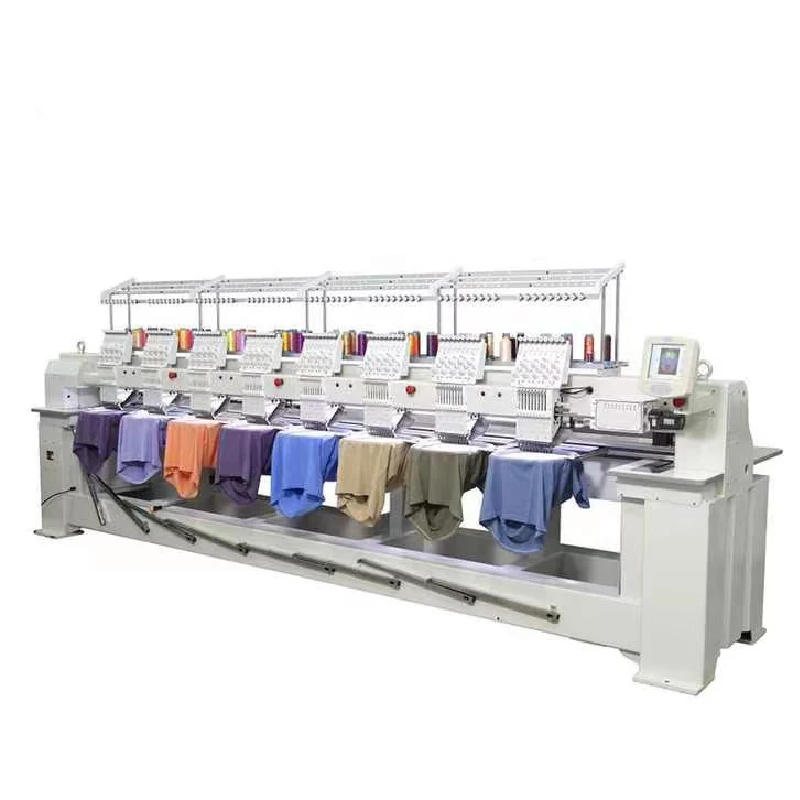
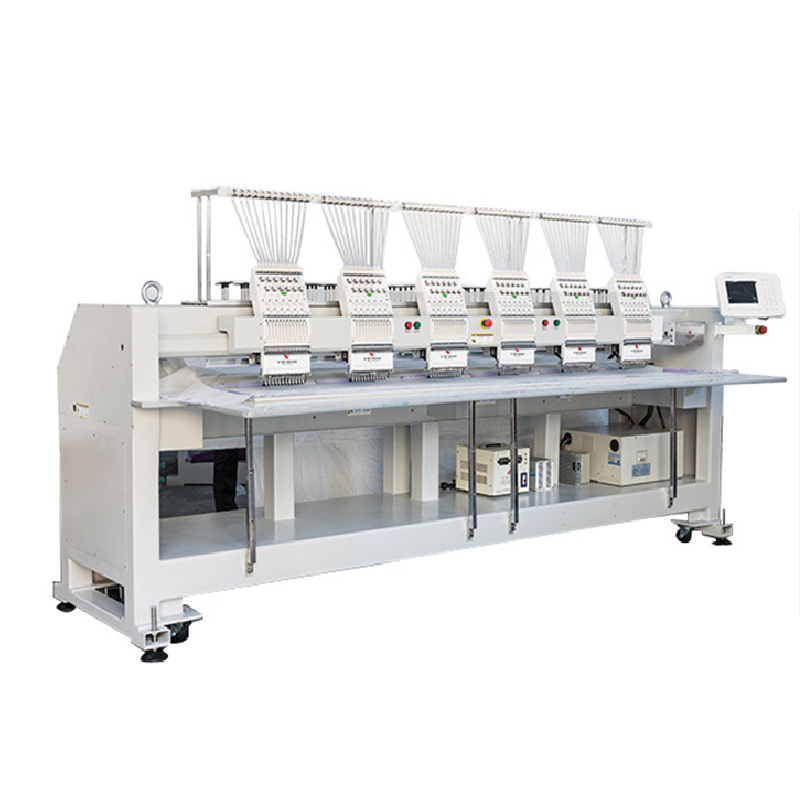
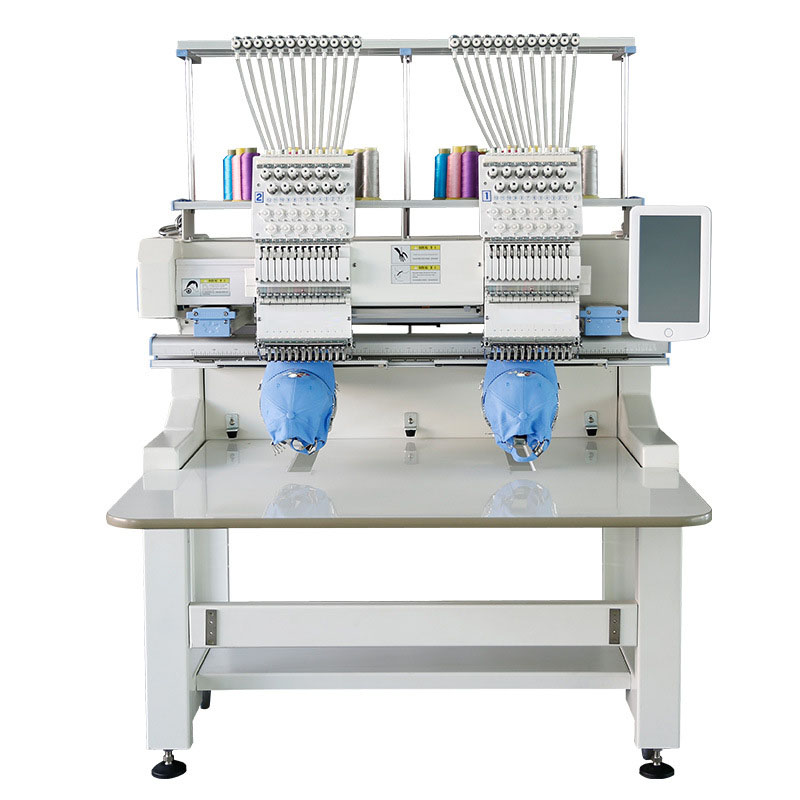
Advanced digital embroidery machine Solutions for Sweden's Textile Industry

Empowering Swedish fashion houses and industrial textile manufacturers with precision-engineered embroidery technology for sustainable and high-end garment production.

The State of Textile Equipment Manufacturing in Sweden

Analyzing the intersection of Scandinavian design and modern embroidery automation.

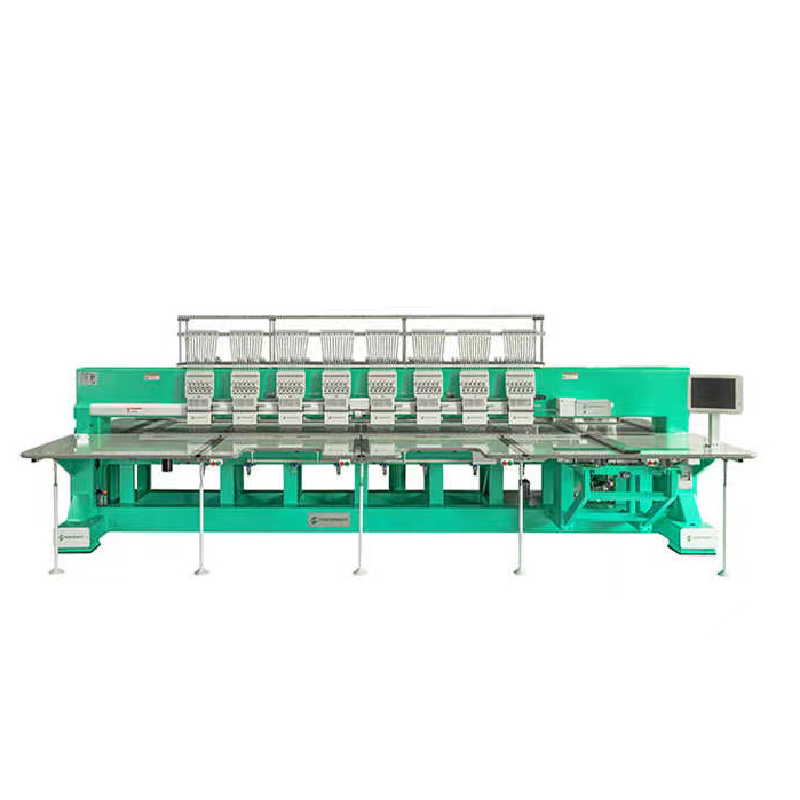
Sweden's textile landscape is characterized by a strong commitment to minimalism, sustainability, and high labor costs. In this economic environment, the adoption of a multi head embroidery machine has become essential for local brands to maintain competitiveness while reducing manual labor dependencies. The focus has shifted from mass production to high-value, customized apparel.

The Swedish climate and the prevalence of outdoor performance wear have created a surge in demand for durable, weather-resistant embroidery. Local workshops now require machines that can handle heavy-duty technical fabrics used in Scandinavian winter gear, making the robustness of the hardware a primary procurement criterion.

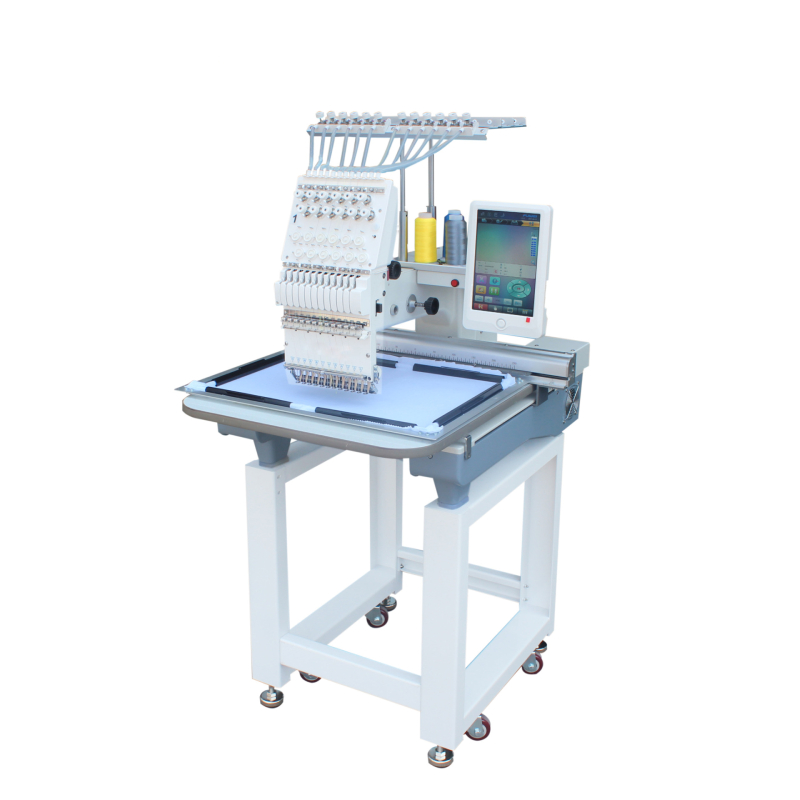
Currently, there is a significant trend toward "Micro-Factories" in cities like Stockholm and Gothenburg. These small-scale hubs prefer an embroidery machine single head for rapid prototyping and limited edition drops, blending traditional Swedish craftsmanship with agile digital manufacturing.
Evolution of Embroidery Technology in the Swedish Market

From manual needles to AI-driven digital precision.

Market Development History

In the late 20th century, the Swedish textile sector relied heavily on mechanical looms and manual embroidery. The transition began in the early 2000s with the introduction of basic computerized patterns, which allowed for more consistency in corporate branding and uniforms.

Between 2010 and 2020, the market saw a rapid shift toward specialized hardware. The introduction of the cap embroidery machine revolutionized the sports and streetwear sector in Sweden, enabling precise branding on structured headwear for the growing urban fashion scene.

Today, the industry has entered the era of fully integrated digital ecosystems. Modern Swedish facilities utilize cloud-based design software that syncs instantly with hardware, ensuring that sustainability goals are met by reducing thread waste and optimizing energy consumption.

Future Development Trends

Eco-Friendly Thread Integration

Driven by Sweden's strict environmental regulations, future machines will feature automatic tension adjustments optimized for recycled and organic threads.

AI-Driven Pattern Optimization

We expect a shift toward AI that can automatically adjust stitch density based on the fabric's elasticity, common in Swedish activewear.

Remote Fleet Management

The integration of IoT will allow Swedish factory managers to monitor multiple 4 head embroidery machine units from a centralized dashboard to maximize OEE.

Industry Trends and Future Outlook

Navigating the future of automated textile embellishment in Northern Europe.

Sustainable Production
Integrating energy-efficient motors to align with Sweden's carbon-neutral targets by 2045.
On-Demand Customization
Growth in "Print-on-Demand" style embroidery services for the Swedish e-commerce market.
Smart Fabric Compatibility
Developing machines capable of embroidering conductive threads for Swedish wearable tech.
Hyper-Local Production
Shifting from overseas sourcing to Swedish-based "Nearshoring" using automated equipment.

Industry Outlook

The Swedish embroidery market is pivoting toward a "Quality over Quantity" model. According to search trend logic, there is a rising interest in sustainable manufacturing and localized production, which directly benefits providers of high-precision digital equipment.

Over the next 3-5 years, we anticipate a convergence of embroidery and 3D textile printing. The ability to combine these techniques will allow Swedish designers to create avant-garde textures that maintain the functional integrity required for Northern European climates.

Localized Application Scenarios in Sweden

Practical implementations of our technology across various Swedish sectors.

01. Stockholm Luxury Fashion Boutiques

Using an embroidery machine single head to provide on-site personalization for high-end leather goods and couture garments, catering to the affluent urban demographic.

02. Gothenburg Industrial Workwear

Deploying multi head embroidery machine units to produce durable, high-visibility logos on flame-retardant uniforms for the maritime and automotive sectors.

03. Swedish National Sports Teams

Utilizing the cap embroidery machine for rapid production of official fan gear and athletic headwear with precision-stitched national emblems.

04. Kiruna Technical Outdoor Gear

Implementing a 4 head embroidery machine to add reinforced structural embroidery and branding to heavy-duty Arctic expedition clothing.

05. Scandinavian Interior Design Studios

Integrating digital embroidery machine technology to create minimalist, embroidered textile art for luxury home furnishings and acoustic panels.

Brand Story

Global Development Journey of Xingtai Pufa Commercial and Trading Co., Ltd.

Foundation and Vision

Established with a commitment to bridging the gap between industrial capacity and artistic precision in the textile machinery sector.

Technological Breakthroughs

Pioneered high-stability drive systems that reduced thread breakage by 30%, solving a major pain point for mass production.

European Market Expansion

Tailored our equipment to meet the rigorous CE standards and the high aesthetic demands of the Scandinavian and European markets.

Sustainable Innovation

Developed low-energy consumption modes and waste-reduction software to support the global movement toward green manufacturing.

Global Leadership

Now serving thousands of clients worldwide, providing not just machines, but complete digitization solutions for the textile industry.

Frequently Asked Questions in Sweden

Expert answers to common technical and commercial queries from our Swedish partners.

How do I choose between a 4 head embroidery machine and a multi head system for a mid-sized Swedish studio?

For mid-sized studios, the 4-head system offers the best balance of speed and flexibility. If your volume exceeds 500 units per week, upgrading to a larger multi-head system is recommended to maximize throughput.

Is the digital embroidery machine compatible with sustainable organic threads common in Sweden?

Yes, our machines feature adjustable tension settings and high-precision feeders specifically designed to handle the unique friction and elasticity of organic and recycled threads.

Can a cap embroidery machine handle the heavy fabrics used in Swedish winter headwear?

Absolutely. Our cap-specific models come with heavy-duty needles and reinforced frames to penetrate thick wool and synthetic blends without skipping stitches.

What are the maintenance requirements for an embroidery machine single head in a small workshop?

Single-head machines require minimal maintenance: daily lubrication of the hook area and weekly cleaning of the bobbin case. We provide comprehensive digital guides for Swedish operators.

Do multi head embroidery machines support remote monitoring for Swedish factory managers?

Yes, our latest models include IoT connectivity, allowing managers to monitor stitch counts, machine status, and error logs via a secure cloud dashboard from anywhere in Sweden.

How does a 4 head embroidery machine reduce production costs in the Swedish market?

By quadrupling the output per operator compared to single-head units, the 4-head machine significantly lowers the per-item labor cost, which is critical given Sweden's high wage standards.

Ready to Elevate Your Production?

Our technical experts are ready to help you implement the perfect embroidery solution in Sweden. Contact us today for a customized consultation.

Contact Us Now

If you are interested in our products, you can choose to leave your information here, and we will be in touch with you shortly.
