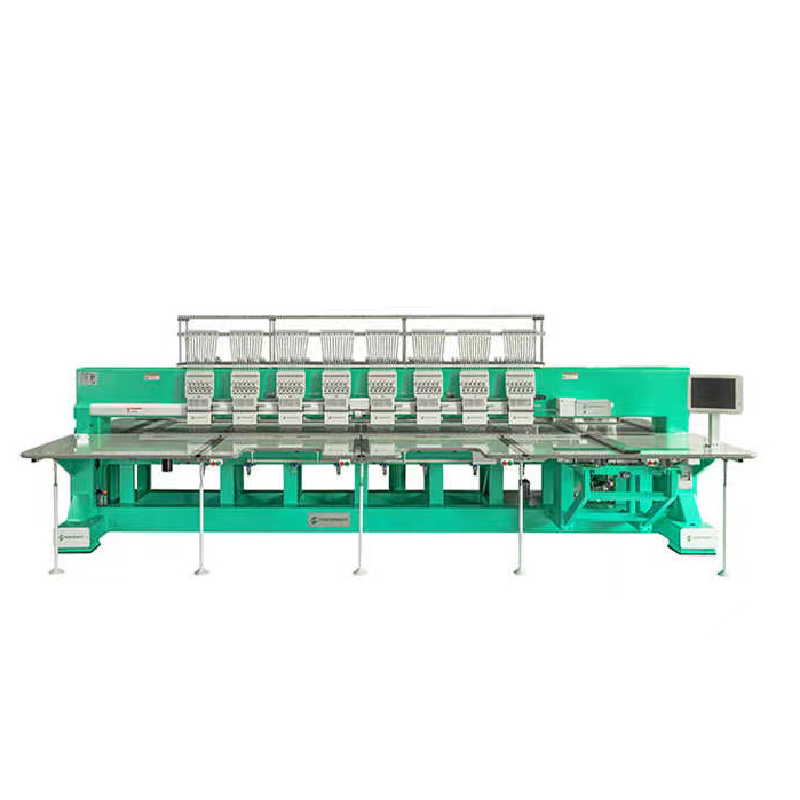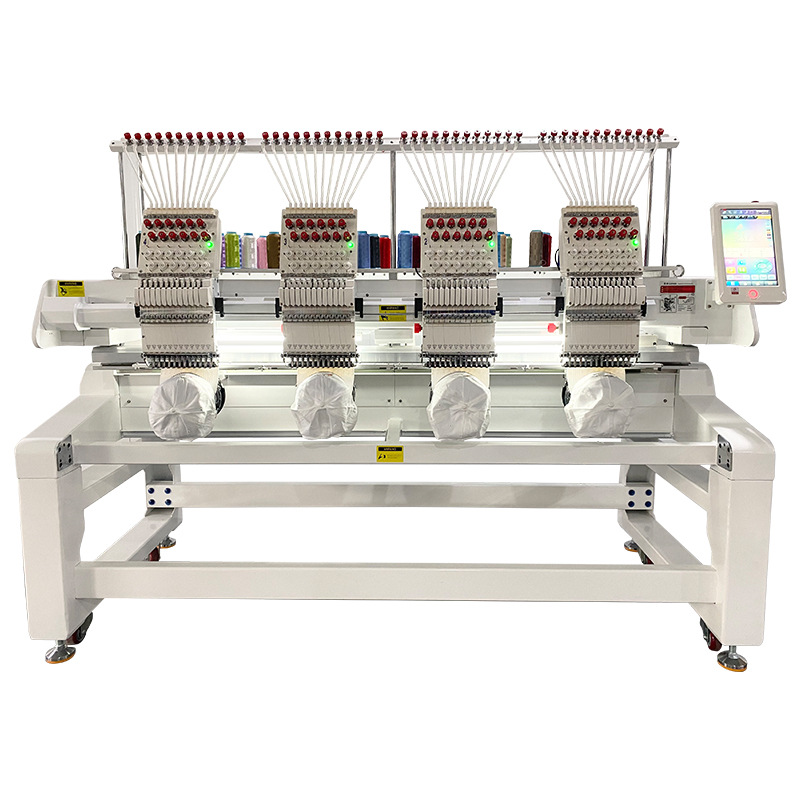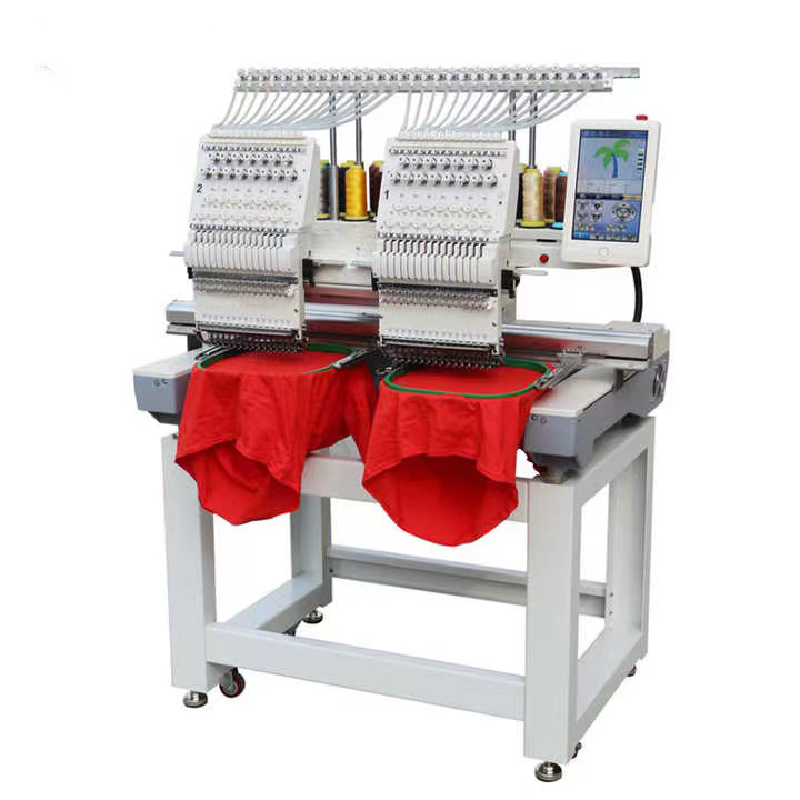
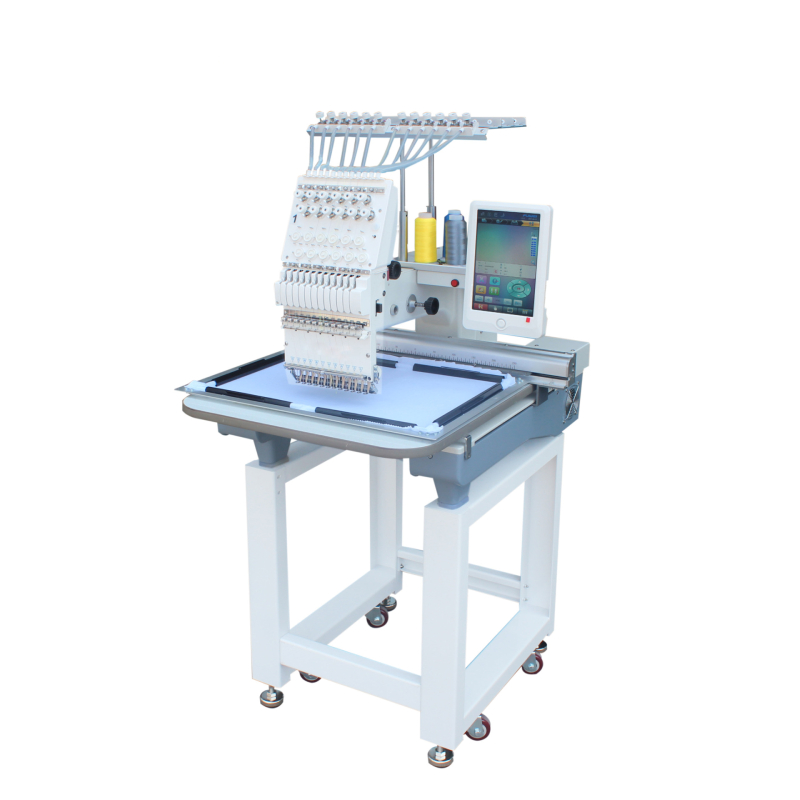

Tajikistan's textile sector is currently undergoing a transition. While traditional hand-embroidery remains a cultural staple, the demand for scalable production has led to the adoption of the multi head embroidery machine to meet regional export demands and domestic clothing needs.
The local market faces challenges due to the extreme continental climate, where temperature fluctuations can affect thread tension and machine lubrication. This necessitates robust equipment capable of maintaining stability in diverse environmental conditions, particularly for high-volume workshops in Dushanbe and Khujand.
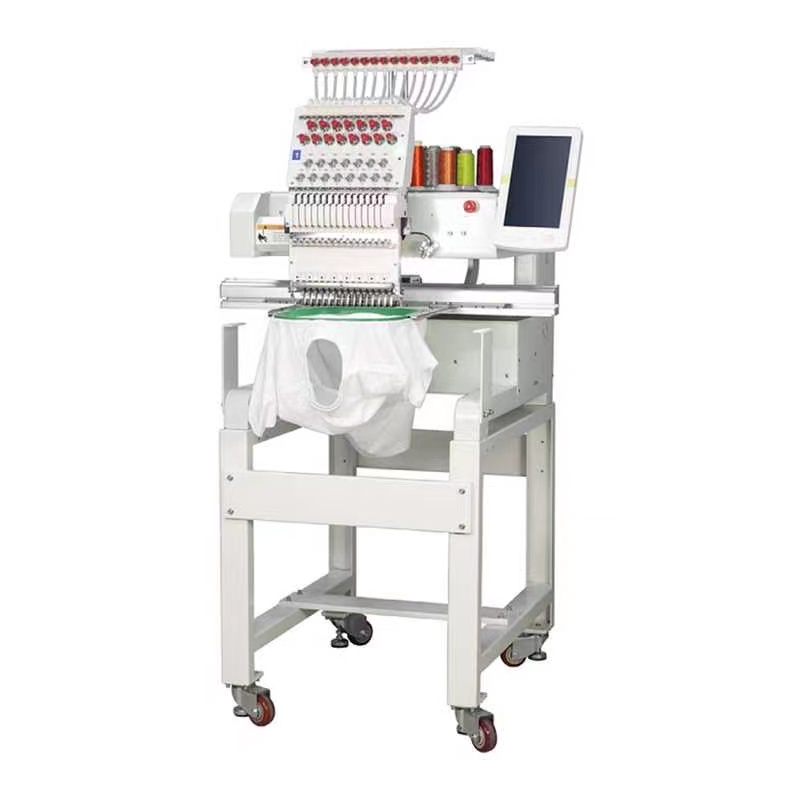
Economic shifts toward diversifying the industrial base have increased the appetite for versatile hardware. Small-scale entrepreneurs are increasingly investing in the embroidery machine single head to create personalized fashion items, bridging the gap between artisanal work and commercial viability.