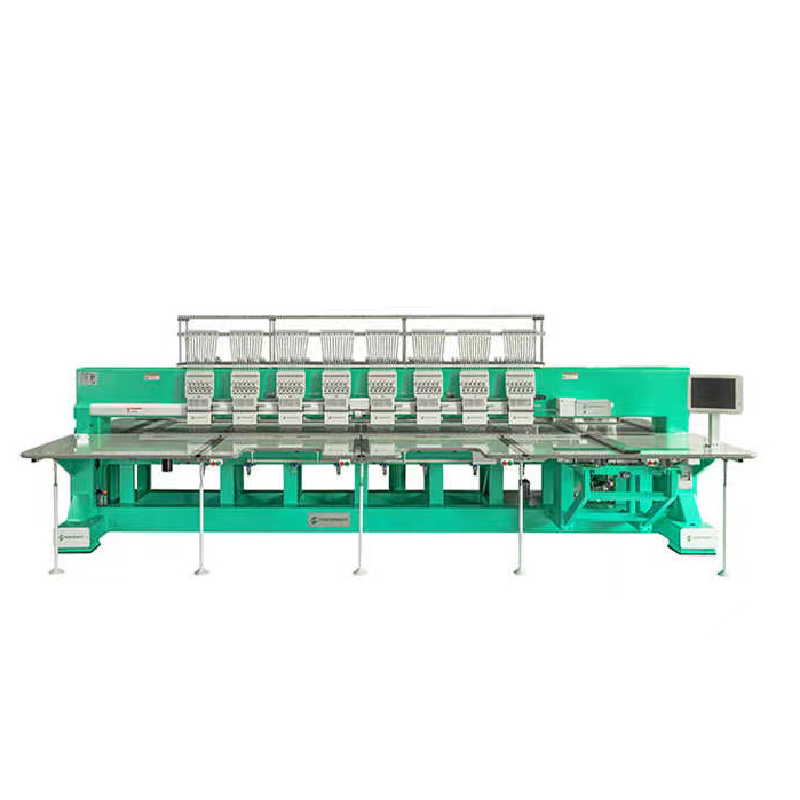
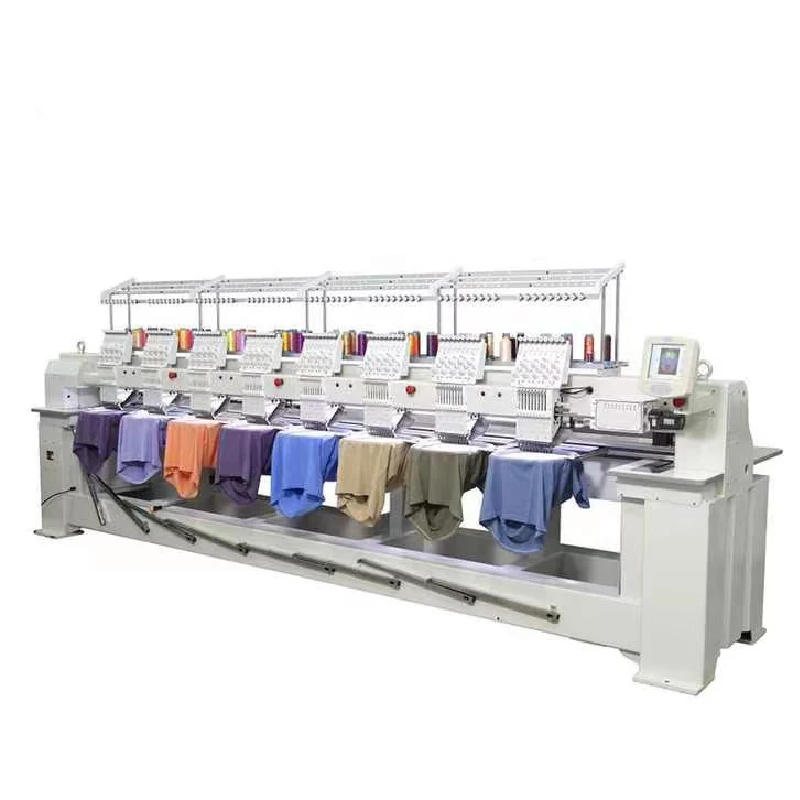
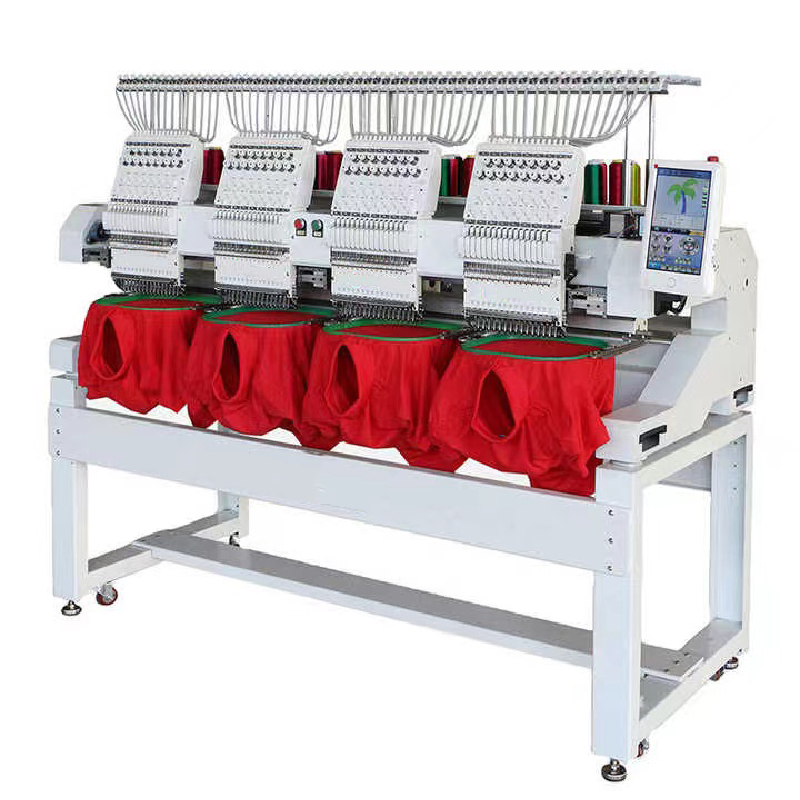
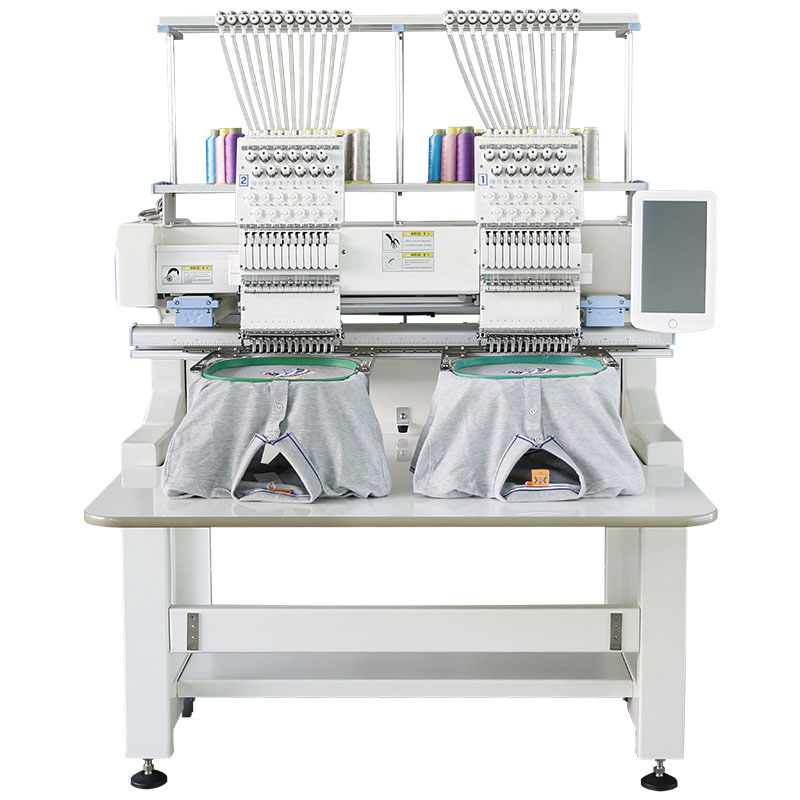
Advanced digital embroidery machine Solutions for Uzbekistan Textile Industry

Empowering Uzbek textile manufacturers with high-precision automation to elevate garment quality and production efficiency in Central Asia.

Textile Machinery Landscape in Uzbekistan

Analyzing the current state of industrial embroidery in the heart of Central Asia.

Uzbekistan is currently undergoing a massive industrial transition, shifting from raw cotton exportation to high-value-added garment production. The demand for a reliable 4 head embroidery machine has surged among medium-sized enterprises in Tashkent and Fergana, as they seek to diversify their product lines.

The local climate and economic policies favor the localization of textile clusters. However, many workshops still rely on outdated mechanical systems that struggle with the intricate patterns required for modern fashion, creating a critical need for the transition to a digital embroidery machine to maintain global competitiveness.

With the growth of the "Made in Uzbekistan" brand, there is a noticeable trend toward specialized apparel, such as corporate uniforms and branded headwear, which has spiked the import of the cap embroidery machine to meet the precise technical requirements of curved surface stitching.
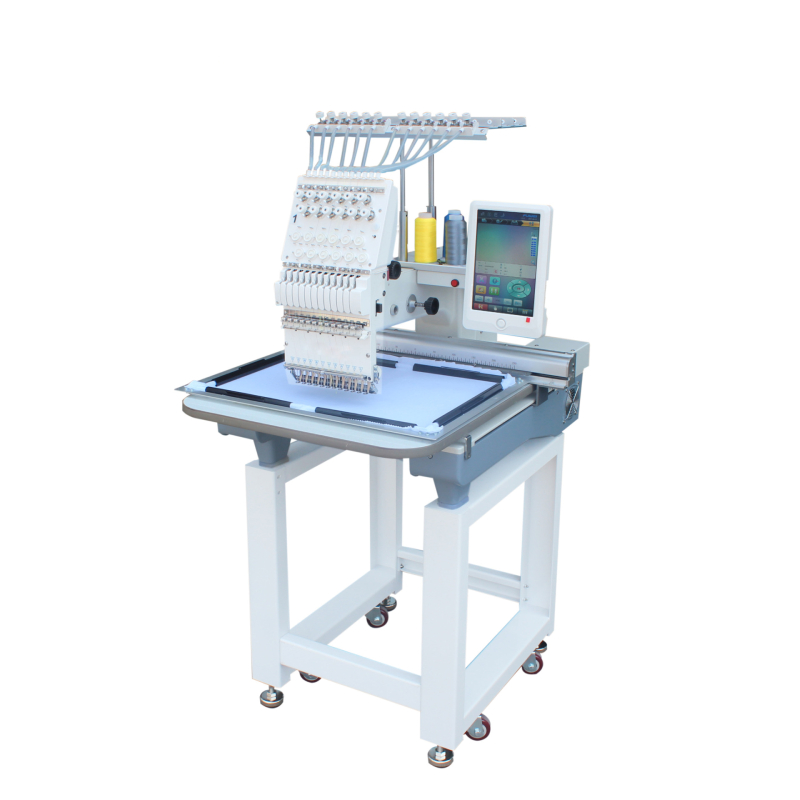
Evolution of Embroidery Technology in Uzbekistan

From manual craftsmanship to fully automated digital precision.

Market Development History

Prior to 2010, the Uzbekistan market was dominated by manual embroidery and basic single-needle machines, focusing primarily on traditional national patterns (Suzani) with slow production cycles.

Between 2012 and 2018, the first wave of automation arrived. Small studios began adopting the embroidery machine single head, allowing for faster sampling and limited custom orders for local boutiques.

From 2019 to the present, the industry has entered the "Industrial Era," where large-scale factories have shifted to multi head embroidery machine configurations to satisfy export demands for European and Russian markets.

Future Development Trends

AI-Driven Pattern Optimization

Integration of AI to automatically adjust tension and stitch density based on the fabric type, reducing waste in Uzbek cotton blends.

IoT Remote Monitoring

Implementation of cloud-based tracking for digital embroidery machine fleets to monitor production uptime across multiple regional workshops.

Sustainable Eco-Threads

A shift towards organic threads and energy-efficient motors to align with the "Green Economy" initiatives promoted by the Uzbek government.

Future Outlook for Uzbekistan's Embroidery Sector

Strategic technological shifts predicted for the next 3-5 years.

Hyper-Automation
Transitioning from manual loading to automatic fabric feeding systems to increase hourly output.
Precision Customization
Growth in "on-demand" embroidery services using single-head setups for high-margin luxury items.
Diversified Accessories
Expanding from flat garments to specialized accessories like caps and structured bags.
Energy Efficiency
Adopting servo-motor driven machines to reduce electricity costs in industrial zones.

Industry Outlook

According to regional search trends, there is a growing interest in "smart manufacturing" within the Uzbekistan textile sector. The transition from basic stitching to complex, data-driven embroidery will allow local firms to compete directly with East Asian exporters.

We expect a 20% annual growth in the adoption of multi-head systems as the government continues to incentivize the creation of vertical textile clusters, moving from cotton seed to finished high-fashion apparel.

Localized Application Scenarios in Uzbekistan

How our machinery solves real-world production challenges in the Uzbek market.

1. Traditional Suzani Modernization

Using a digital embroidery machine to digitize ancient floral patterns, enabling the mass production of traditional art without losing cultural authenticity.

2. Corporate Branding for Tashkent SMEs

Deploying the embroidery machine single head for boutique agencies to provide fast, high-quality logo embroidery for local corporate uniforms.

3. Export-Grade Apparel Production

Utilizing a multi head embroidery machine in Samarkand factories to produce thousands of branded t-shirts and jackets for the EU market.

4. Specialized Headwear Manufacturing

Implementing the cap embroidery machine to serve the growing sports apparel market, ensuring perfect alignment on curved cap panels.

5. Medium-Scale Fashion Workshops

Integrating a 4 head embroidery machine for emerging designers who need a balance between sampling speed and industrial capacity.

Brand Story

Global Development Journey of Xingtai Pufa Commerce Co., Ltd.

Industrial Foundations

Started with a mission to bridge the gap between complex industrial embroidery technology and small-scale textile entrepreneurs.

Technological Breakthrough

Developed proprietary synchronization systems for multi-head machines, significantly reducing thread breaks and downtime.

Global Expansion

Expanded our footprint into Central Asia, specifically optimizing our machinery for the unique fabric blends used in Uzbekistan.

Customer-Centric Innovation

Focused on creating intuitive interfaces for digital machines, removing the steep learning curve for new operators.

Sustainable Future

Committed to delivering energy-efficient solutions that empower the textile industry to grow sustainably on a global scale.

Uzbekistan Embroidery Machinery FAQ

Expert answers to the most common technical and commercial queries from our local partners.

Which digital embroidery machine is best for Uzbek cotton fabrics?

For Uzbek cotton, we recommend machines with adjustable tension and high-torque motors to handle varying fabric densities without puckering.

Can a 4 head embroidery machine handle high-volume export orders?

Yes, the 4-head configuration is ideal for medium-scale production, offering a perfect balance between space efficiency and output capacity for export-grade garments.

How do I maintain a cap embroidery machine in dusty environments?

We suggest daily lubrication of the moving parts and using compressed air to clear lint from the bobbin area, which is crucial in regional industrial zones.

Is the embroidery machine single head suitable for starting a home business?

Absolutely. The single-head model is the most cost-effective entry point for designers focusing on custom orders and high-end sampling.

What are the power requirements for a multi head embroidery machine?

Our multi-head machines are designed for industrial 3-phase power but can be customized with voltage stabilizers to ensure consistent performance during power fluctuations.

How long does it take to learn the software for a digital embroidery machine?

With our intuitive interface and provided training manuals, most operators in Uzbekistan can reach basic proficiency within 5-7 days of hands-on practice.

Ready to Transform Your Production?

Contact our experts today for a customized machinery consultation tailored to the specific textile needs of Uzbekistan.

Contact Us Now
Contact Us
  • Read More About professional embroidery machine
  • Read More About professional embroidery machine
  • Read More About computer embroidery machine
  • ins
  • Pinterest
Inquiry For Pricelist

If you are interested in our products, you can choose to leave your information here, and we will be in touch with you shortly.
