Advanced Digital Embroidery Solutions for Ghana's Textile Industry

Empowering Ghanaian garment manufacturers with high-precision digital embroidery machine technology to elevate local fashion and industrial textiles.

Current State of Textile Manufacturing in Ghana

Analyzing the intersection of traditional craftsmanship and modern automation in Accra and Kumasi.

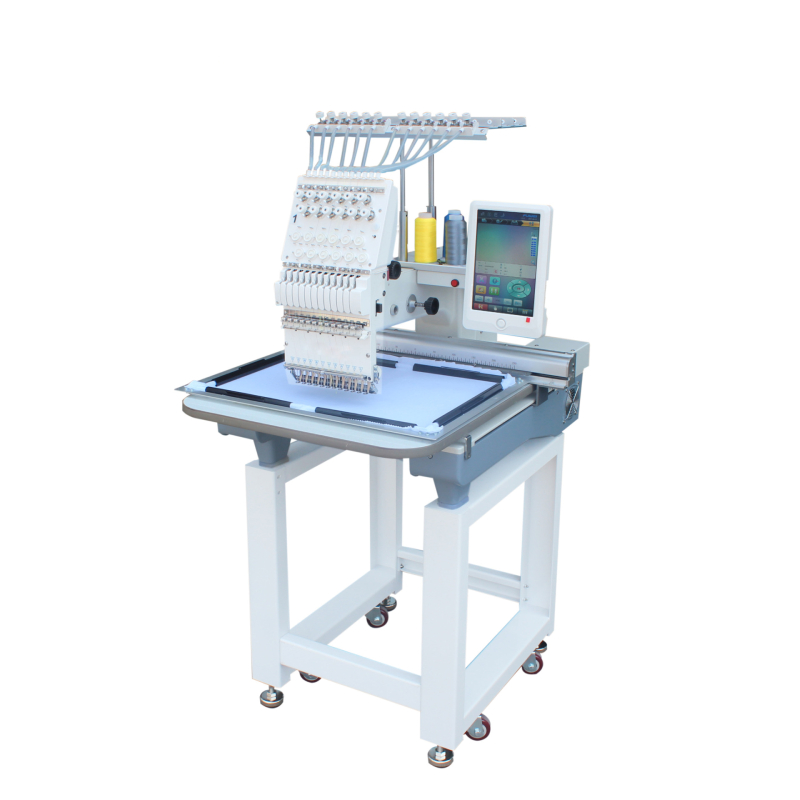
Ghana's textile sector is characterized by a rich heritage of Kente weaving and traditional prints. However, the current manufacturing landscape is shifting toward industrialization. Many local workshops are transitioning from manual methods to using an embroidery machine single head for customized apparel, reflecting a growing demand for rapid prototyping in the fashion hubs of Accra.

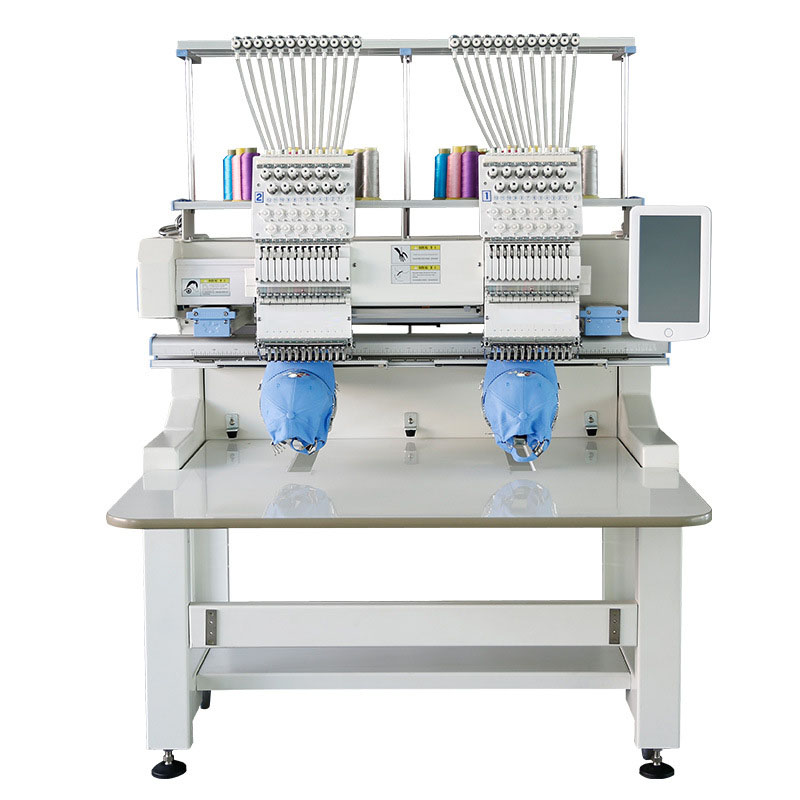
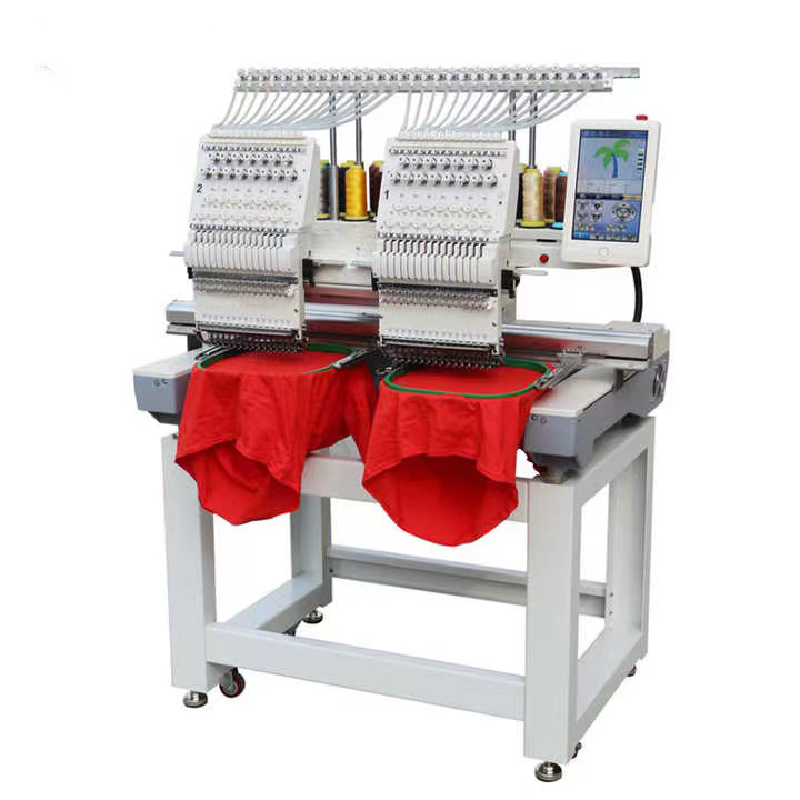
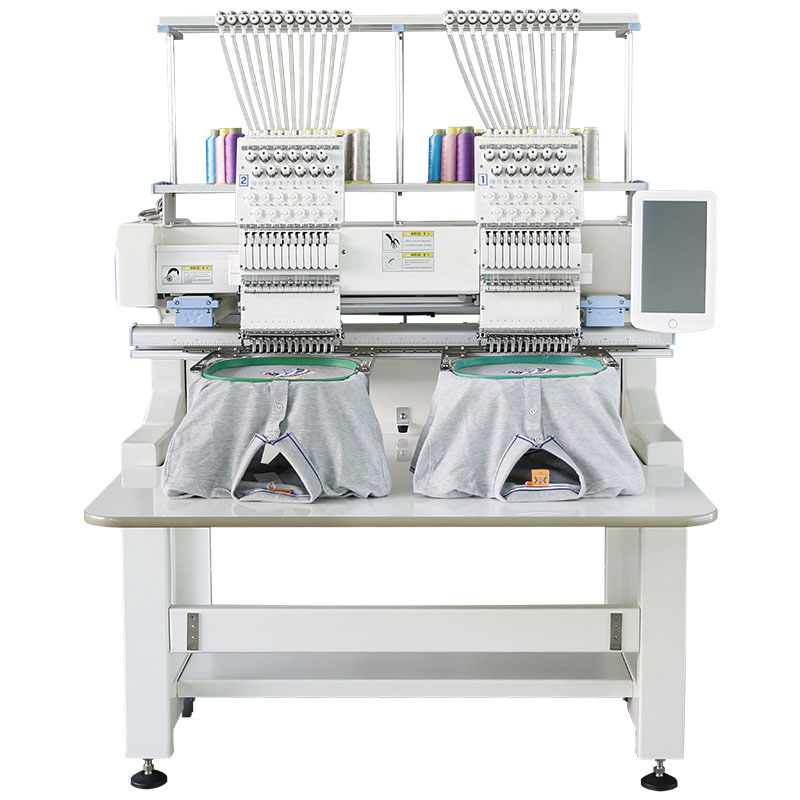
Environmental factors, specifically high humidity and dust levels in certain industrial zones, pose challenges to equipment longevity. This has created a market need for robust multi head embroidery machine units that can maintain precision under tropical conditions while supporting the growing export market for Ghanaian-made garments.

Economically, the rise of "Made in Ghana" initiatives has spurred entrepreneurs to invest in versatile machinery. The ability to switch between flat garments and headwear using a cap embroidery machine has become a critical competitive advantage for SMEs targeting the corporate branding and sports apparel sectors.
Evolution and Growth Trajectory of Embroidery Tech

From manual needlework to AI-driven automation in West Africa.

Market Development History

Prior to 2010, the Ghanaian embroidery market relied heavily on imported finished goods or slow, manual embroidery techniques. Small-scale artisans managed localized production, but scalability was limited by the lack of accessible machinery.

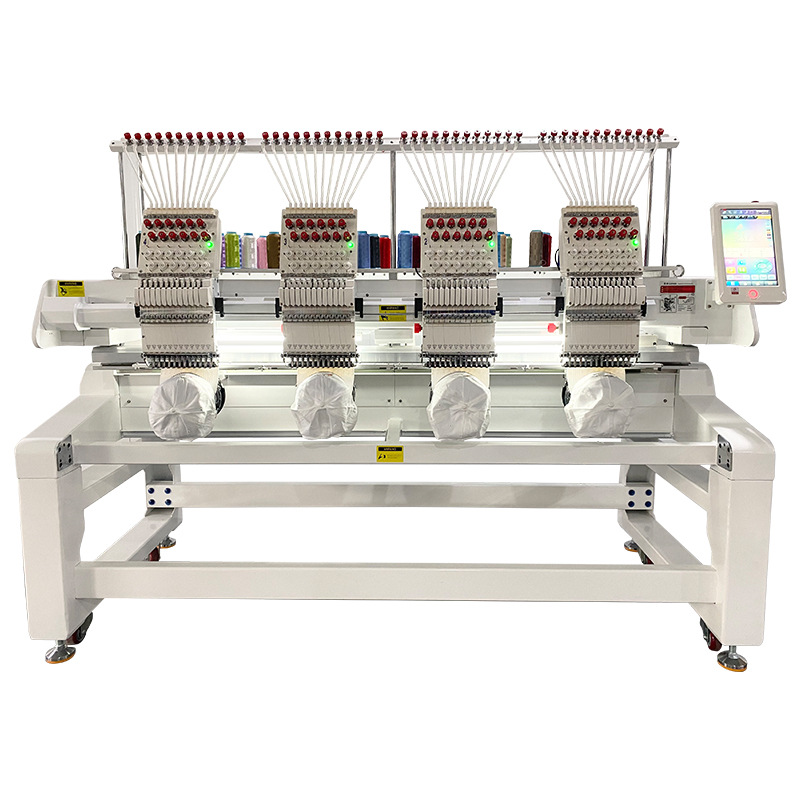
Between 2010 and 2020, the introduction of early-stage computerized machines allowed for more complex patterns. The adoption of the 4 head embroidery machine became a turning point for mid-sized workshops, enabling them to fulfill larger corporate orders for uniforms and traditional attire.

From 2020 to the present, the integration of high-speed digital interfaces and cloud-based design software has streamlined the workflow. Modern factories now prioritize seamless software integration to reduce waste and increase throughput.

Future Development Trends

Smart Pattern Integration

The shift toward IoT-enabled machines will allow Ghanaian operators to update designs remotely, reducing downtime and increasing design flexibility.

Eco-friendly Material Processing

Increasing demand for sustainable textiles in Ghana will drive the need for machines that can handle organic and recycled threads without compromising stitch quality.

Hyper-Localization of Production

A move toward "Micro-factories" utilizing compact but powerful digital systems to serve local communities with customized, on-demand fashion.

Industry Trends and Future Outlook

Strategic forecasting for the next 3-5 years in the Ghanaian embroidery sector.

Automated Precision
Increasing adoption of high-speed sensors to reduce thread breakage in humid climates.
Digital Design Shift
Integration of AI-generated patterns to blend traditional Ghanaian motifs with modern aesthetics.
Scalable Production
Transition from single-head to multi-head configurations to meet growing regional demand.
Energy Efficiency
Development of low-power consumption machines to counteract local energy instability.

Industry Outlook

Based on search trends and industrial growth in West Africa, the demand for high-efficiency textile machinery in Ghana is expected to grow by 15% annually. The focus will shift from simple ownership to "Total Cost of Ownership," emphasizing durability and local maintenance capability.

As the African Continental Free Trade Area (AfCFTA) gains momentum, Ghana is positioned to become a regional embroidery hub. This will necessitate a surge in the deployment of industrial-grade equipment to handle cross-border textile orders.

Localized Application Scenarios in Ghana

How our embroidery technology solves real-world production challenges in Ghana.

01. High-End Traditional Kente Fusion

Integrating digital embroidery into traditional Kente fabrics to add complex, modern textures while preserving ancestral patterns, using a digital embroidery machine for precision.

02. Corporate Branding for Accra Businesses

Providing rapid, high-volume logo application on corporate polo shirts and uniforms using a multi head embroidery machine for consistency across batches.

03. Specialized Headwear for Sports Leagues

Customizing caps for local sports teams and fan gear with durable, high-density stitching through a dedicated cap embroidery machine.

04. Boutique Customization Services

Empowering small fashion boutiques in Kumasi to offer "design-your-own" embroidery services for weddings and funerals using an embroidery machine single head.

05. Mid-Scale Apparel Export Production

Scaling production for export-grade garments targeting the European and US markets by utilizing the balance of speed and cost provided by a 4 head embroidery machine.

Brand Story

Global Development History of Xingtai Pufa Commercial and Trading Co., Ltd.

Foundational Engineering

Established with a vision to bridge the gap between industrial capacity and artisan quality in the textile machinery sector.

Technological Breakthrough

Developed advanced synchronization algorithms that reduced thread breaks by 30% for industrial multi-head systems.

Global Market Entry

Expanded operations into the African market, specifically optimizing machines for tropical climates and power variances.

Customer-Centric Innovation

Launched a series of intuitive digital interfaces that allow operators with minimal training to create complex embroidery designs.

Sustainable Future

Committed to reducing the carbon footprint of garment manufacturing through energy-efficient servo-motor technology.

Common Questions for Ghanaian Manufacturers

Expert answers to technical and logistical queries regarding embroidery machinery.

Which digital embroidery machine is best for a startup in Accra?

For startups, we recommend an embroidery machine single head due to its lower investment cost and versatility for customized, small-batch orders.

How does a 4 head embroidery machine improve production efficiency?

A 4 head machine quadruples your output per design cycle, making it ideal for medium-sized businesses that need to scale their uniform or apparel production.

Can a cap embroidery machine handle different fabric thicknesses?

Yes, our professional cap machines feature adjustable tension and presser foot settings to handle everything from lightweight cotton to heavy canvas.

What maintenance is required for a multi head embroidery machine in humid areas?

Regular lubrication of moving parts and the use of dehumidifiers in the work area are recommended to prevent oxidation and ensure smooth operation.

Is software training included with the digital embroidery machine?

Yes, we provide comprehensive digital tutorials and remote support to help your team master pattern digitizing and machine operation.

How do I choose between a single head and a multi head embroidery machine?

Choose single-head for high-variety, low-volume customized work. Choose multi-head for low-variety, high-volume industrial production orders.

Ready to Elevate Your Textile Production?

Our technical experts are ready to provide customized machinery configurations for your business in Ghana.

Contact Us Now

If you are interested in our products, you can choose to leave your information here, and we will be in touch with you shortly.
