Advanced Digital Embroidery Solutions for Tanzania's Textile Growth

Empowering Tanzanian garment manufacturers with high-precision digital embroidery machine technology to scale production and enhance garment value.

The State of Textile Manufacturing in Tanzania

Analyzing the intersection of traditional craftsmanship and industrial automation in East Africa.

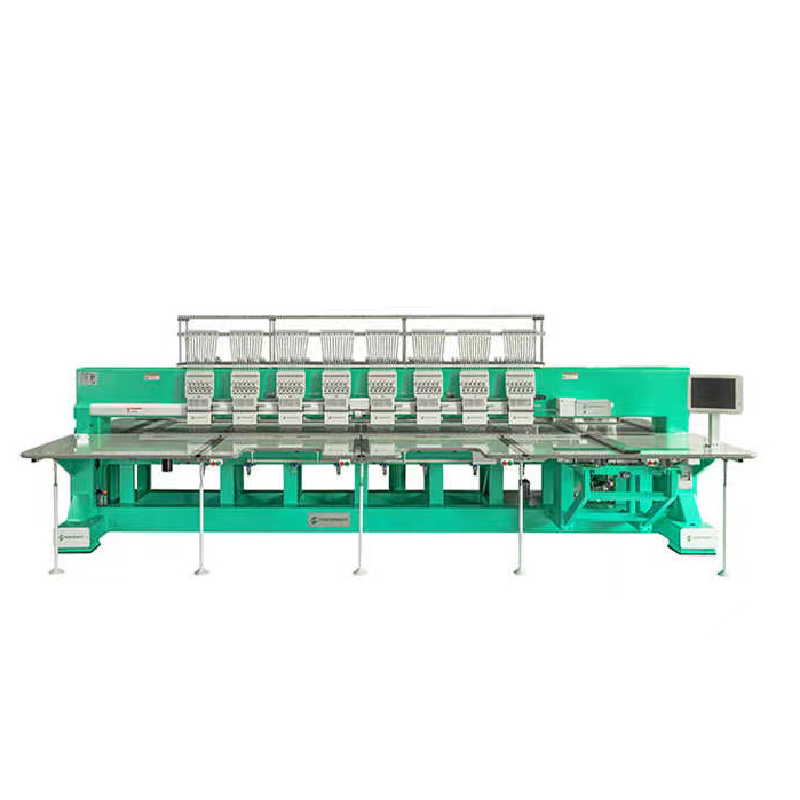
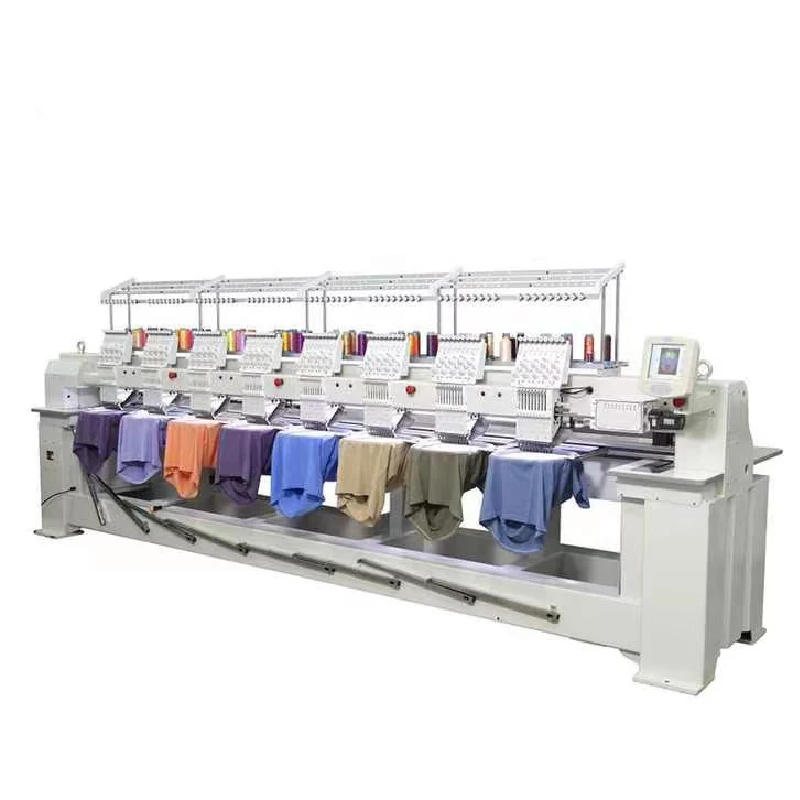
Tanzania's textile sector is currently witnessing a transition from manual artisanal work to semi-automated production. In hubs like Dar es Salaam and Arusha, there is a growing demand for a multi head embroidery machine to meet the rising export demands of the East African Community (EAC) market.

However, the local industry faces challenges such as fluctuating power stability and the high cost of importing specialized parts. This has created a niche for durable, energy-efficient machinery that can withstand the humid tropical climate of coastal Tanzania while maintaining high stitch precision.

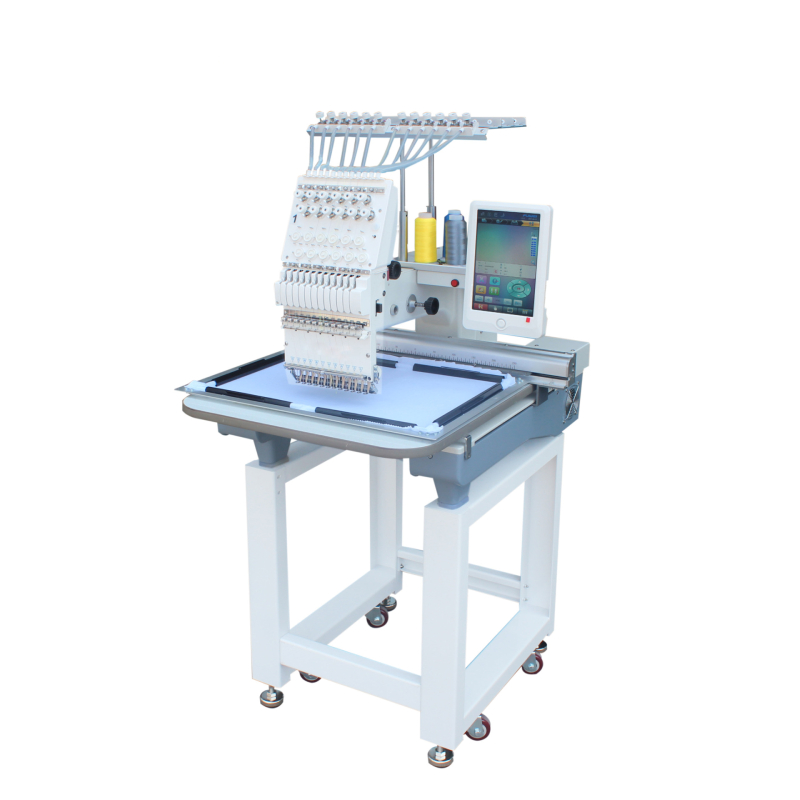
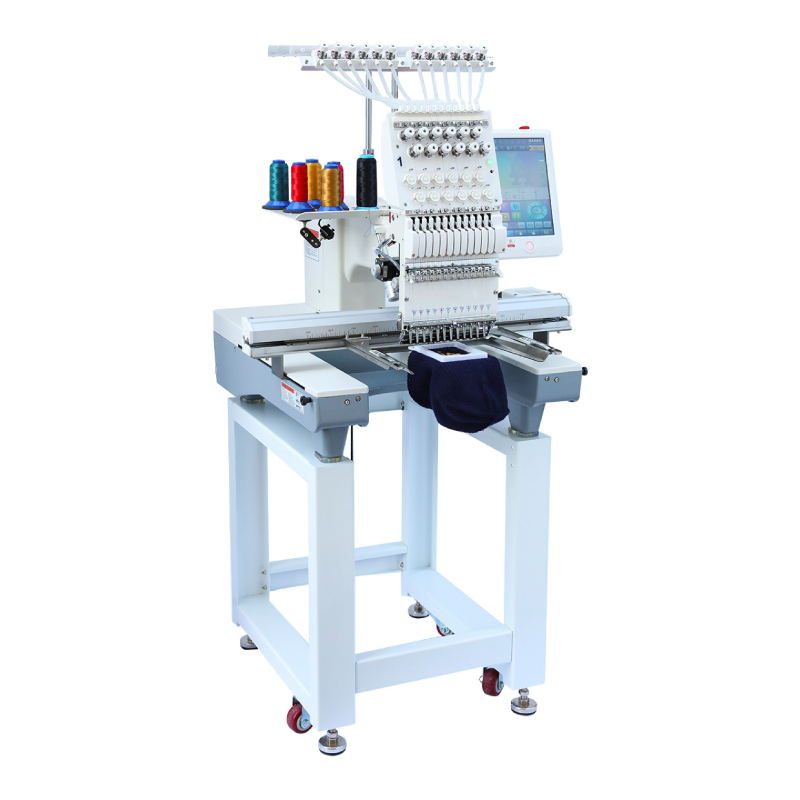
The emergence of "Made in Tanzania" fashion brands has shifted the focus toward customization. Small-scale entrepreneurs are increasingly adopting the embroidery machine single head to offer personalized services for local cultural attire and corporate branding.
Evolution of Embroidery Technology in Tanzania

From manual needles to AI-driven digital precision.

Market Development History

Until the early 2000s, embroidery in Tanzania was predominantly a manual craft, relying on traditional hand-stitching for cultural garments. The introduction of basic semi-automatic machines around 2010 allowed for faster repetition but lacked design flexibility.

Between 2015 and 2020, the shift toward the digital embroidery machine revolutionized the local market. Designers could suddenly import complex patterns via USB, drastically reducing the time from conceptual design to finished product.

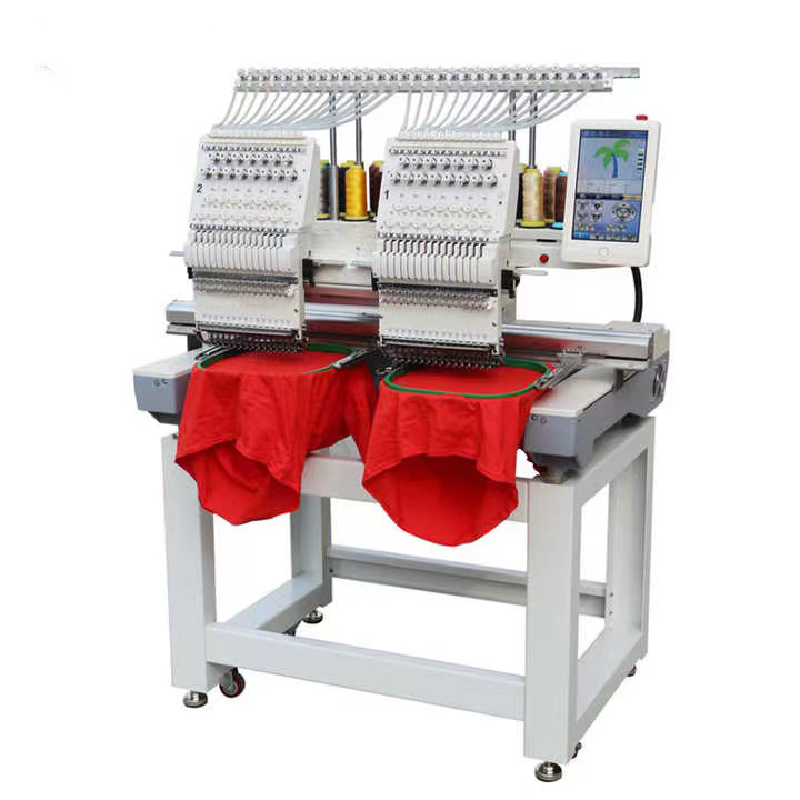
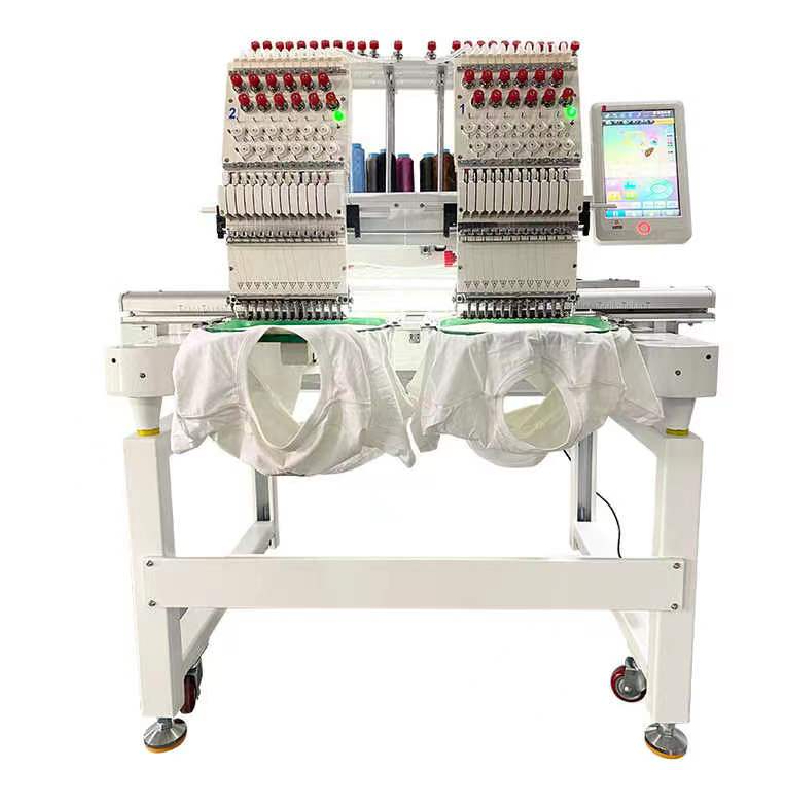
By 2023, the focus transitioned to industrial scaling. The adoption of the 4 head embroidery machine became a benchmark for medium-sized factories wanting to balance speed with space efficiency.

Future Development Trends

IoT-Integrated Production

Future systems will likely integrate cloud-based design management, allowing Tanzanian factory owners to monitor stitch counts and machine health remotely via mobile devices.

Sustainable Power Solutions

With the rise of solar energy in Tanzania, we expect a trend toward low-voltage embroidery systems that can operate on hybrid power grids to avoid production downtime.

Specialized Head Customization

The demand for a specialized cap embroidery machine is expected to surge as the corporate promotional wear market grows in urban centers like Dodoma.

Industry Trends and Future Outlook

Predicting the trajectory of specialized equipment in the Tanzanian garment sector.

Rapid Digitalization
Accelerated transition to fully digital workflows to reduce human error in complex pattern stitching.
Modular Scalability
Shift toward multi-head configurations that allow factories to scale from 4 to 12 heads as orders grow.
Niche Market Expansion
Increasing demand for specialized headwear embroidery for the growing sports and tourism sectors.
Energy Optimization
Development of servo-motor driven machines that reduce electricity consumption by up to 30%.

Industry Outlook

Based on Google Search trends in East Africa, there is a significant uptick in queries regarding "industrial embroidery" and "small business garment equipment." This suggests that Tanzania is moving toward a decentralized production model where small, tech-enabled workshops compete with large factories.

The next 3-5 years will likely see a convergence of traditional African motifs and high-speed digital production. The ability to quickly switch between complex ethnic patterns and minimalist corporate logos will be the key competitive advantage for Tanzanian manufacturers.

Localized Application Scenarios in Tanzania

Practical implementations of embroidery technology across various Tanzanian business scales.

1. Boutique Fashion Houses in Dar es Salaam

Utilizing the embroidery machine single head to create high-end, customized traditional attire for wedding events and gala nights, focusing on intricate detail over volume.

2. Corporate Uniform Production for Tourism

Implementing a 4 head embroidery machine to efficiently produce branded polo shirts and uniforms for safari lodges and tour operators in the Serengeti region.

3. Specialized Headwear Workshops

Deploying a cap embroidery machine to serve the burgeoning youth streetwear market and sports clubs across major urban centers.

4. Industrial Textile Factories for Export

Using a multi head embroidery machine to handle bulk orders of embroidered linens and home textiles for the regional East African market.

5. School Apparel Suppliers

Integrating a digital embroidery machine to rapidly produce thousands of school crests and emblems for the annual academic intake season.

Brand Story

Global Development Journey of Xingtai Pufa Commerce Co., Ltd.

Founding Vision

Established with a mission to bridge the gap between high-end industrial embroidery technology and emerging markets, ensuring accessibility and reliability.

Technological Breakthrough

Perfected the synchronization of multi-head systems, reducing thread breakage by 20% and increasing production speed for global clients.

Global Expansion

Expanded our footprint into Africa and Southeast Asia, adapting our machinery to handle varied power grids and environmental conditions.

Customer-Centric Innovation

Developed intuitive digital interfaces that allow users with minimal training to operate complex embroidery systems efficiently.

Sustainable Future

Committing to green manufacturing by introducing energy-saving motors and eco-friendly components in all new machine lines.

Common Questions for Tanzanian Embroidery Businesses

Expert answers to help you choose the right equipment for your local operation.

Which is better for a startup in Dar es Salaam, a single head or a 4 head embroidery machine?

For boutique startups focusing on high-customization, an embroidery machine single head is ideal. However, if you intend to supply corporate uniforms, a 4 head embroidery machine provides the necessary throughput to meet deadlines while remaining space-efficient.

How does a digital embroidery machine handle power fluctuations common in some regions of Tanzania?

Our digital embroidery machines are designed with stable voltage regulators and memory-save functions, ensuring that the machine remembers its last stitch position in the event of a sudden power cut.

Can a cap embroidery machine be used for other small items like bags or patches?

Yes, while optimized for headwear, a cap embroidery machine can be adapted for various small-format items using specialized jigs and clamps, making it a versatile tool for promotional merchandise.

What is the maintenance requirement for a multi head embroidery machine in humid climates?

In humid coastal areas, we recommend daily lubrication of the moving parts and the use of moisture-absorbent cabinets for thread storage to prevent tension issues and oxidation of the needle bars.

Is it difficult to learn how to operate a digital embroidery machine without prior technical training?

Not at all. Modern interfaces are highly intuitive. Most users in the Tanzanian garment sector find that they can master basic pattern loading and machine setup within a few days of guided practice.

What are the shipping and installation options for industrial machines delivered to Tanzania?

We provide secure international shipping to major ports like Dar es Salaam, accompanied by comprehensive digital installation guides and remote technical support to ensure your production line is up and running quickly.

Ready to Scale Your Textile Business?

Our experts are ready to help you select the perfect equipment tailored for the unique market needs of Tanzania.

Contact Us Now

If you are interested in our products, you can choose to leave your information here, and we will be in touch with you shortly.