
Nov . 06, 2025 12:25 Back to list
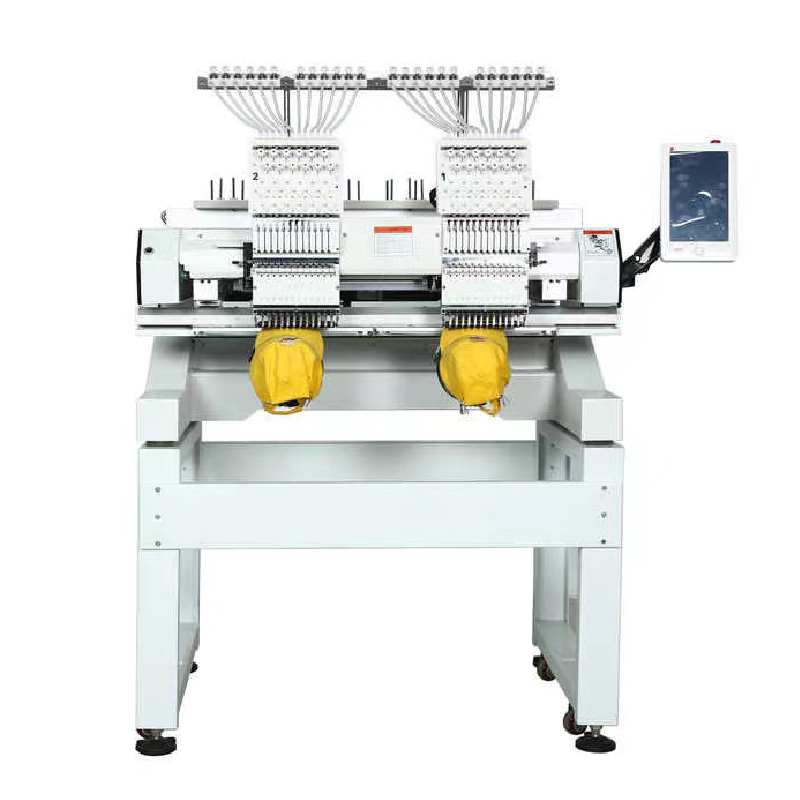
Automatic Embroidery Machine - High-Speed 15-Needle Cap/Flat
Why decorators keep upgrading to the 2-head, 15-needle workhorse
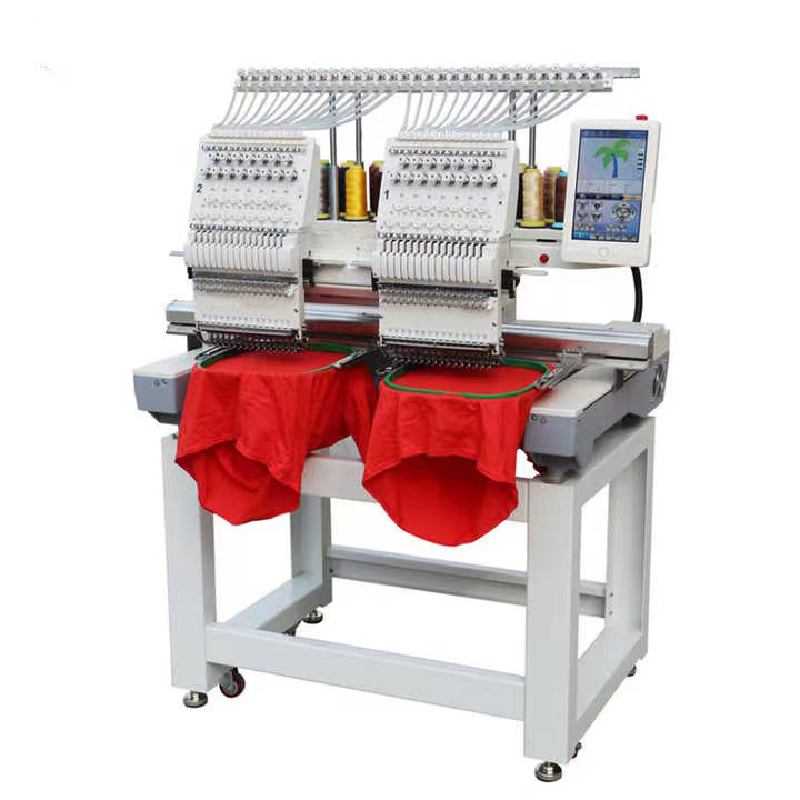
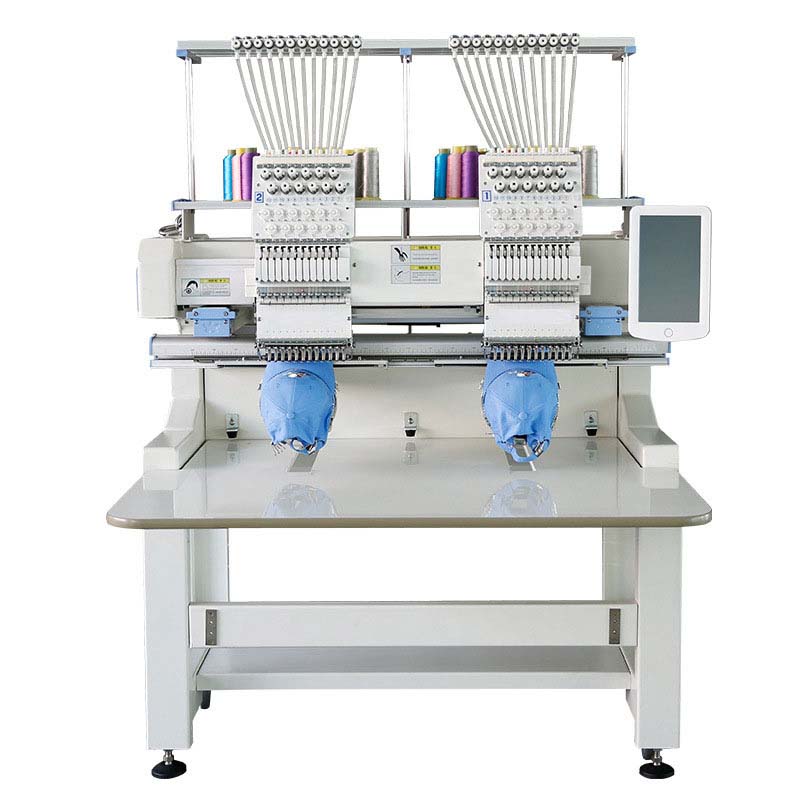
If you’ve watched the personalization boom lately—uniforms, merch drops, team kits—you’ve probably noticed one quiet constant: a reliable Automatic Embroidery Machine humming in the background. I’ve toured a handful of busy shops this quarter; the operators talk throughput and uptime more than anything. And honestly, that’s where this “Latest Popular 2 Heads 15 Needles” model from Hebei has been earning a reputation—solid control electronics, smooth cap drive, less fuss.
What’s trending now
Brands want faster style turns, smaller batches, and mixed substrates: shirts, caps, bags, towels, even pillowcases for boutique hotels. Many customers say they’re shifting 30–40% of jobs to on-demand. A two-head, 15-needle footprint hits the sweet spot: enough colors to avoid constant rethreading, but compact enough for a storefront or garage studio, to be honest.
Core specifications (real-world ready)
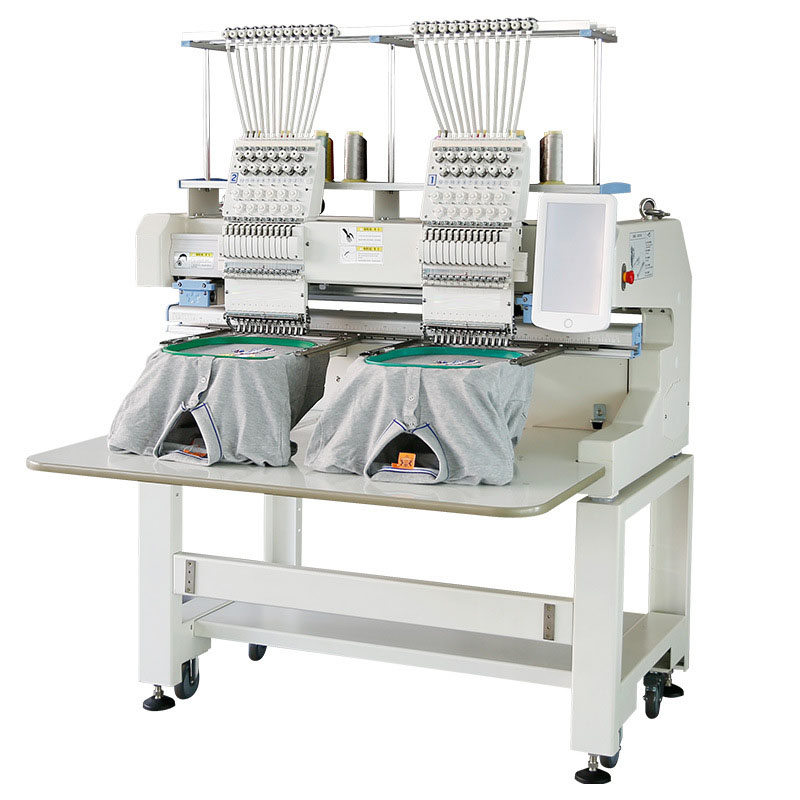
| Model | 2 heads, 15 needles/head flat + cap + tubular |
|---|---|
| Max speed | ≈ 1,000–1,200 spm (real-world use may vary by material) |
| Embroidery area | Up to around 400×450 mm (flat); cap driver included (270°) |
| Drive & control | Servo motors, auto color change, auto thread trim, LCD control |
| Connectivity | USB/Ethernet; DST/DSB formats |
| Power | 110/220V, 50/60Hz; ≈ 500–650W peak |
| Noise | ≈ 75–80 dB under load |
| Origin | Building A, Runjiang Huigu Building, Shijiazhuang City, Hebei Province |
Process flow, materials, and tests
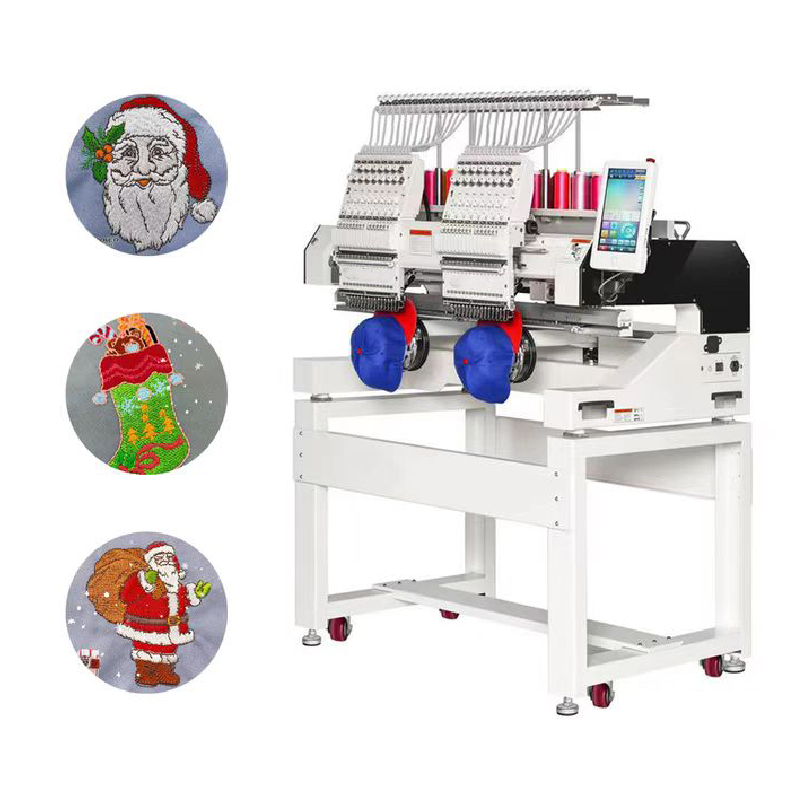
- Design: Digitize (0.2–0.4 mm satin density typical) and load via USB/Ethernet.
- Materials: 40s polyester thread, 60/8–75/11 needles; backing 40–80 gsm (cutaway/tearaway); caps use mid-weight cutaway.
- Method: Hoop, trace, test sew at 600–700 spm, then ramp to production speed.
- QA & testing: Thread tension check; trim accuracy; AATCC 61 wash fastness on finished goods; logo tolerances ±0.5 mm.
- Service life: Frame/mechanics 5–8 years typical with maintenance; control boards MTBF ≈ 10,000–15,000 h.
Field data from shops we visited: caps ran clean at 950 spm, 350 gsm twill; towels preferred 700 spm with water-soluble topping. It seems that even beginners dial in usable results by day two—surprisingly forgiving.
Where it fits (applications)
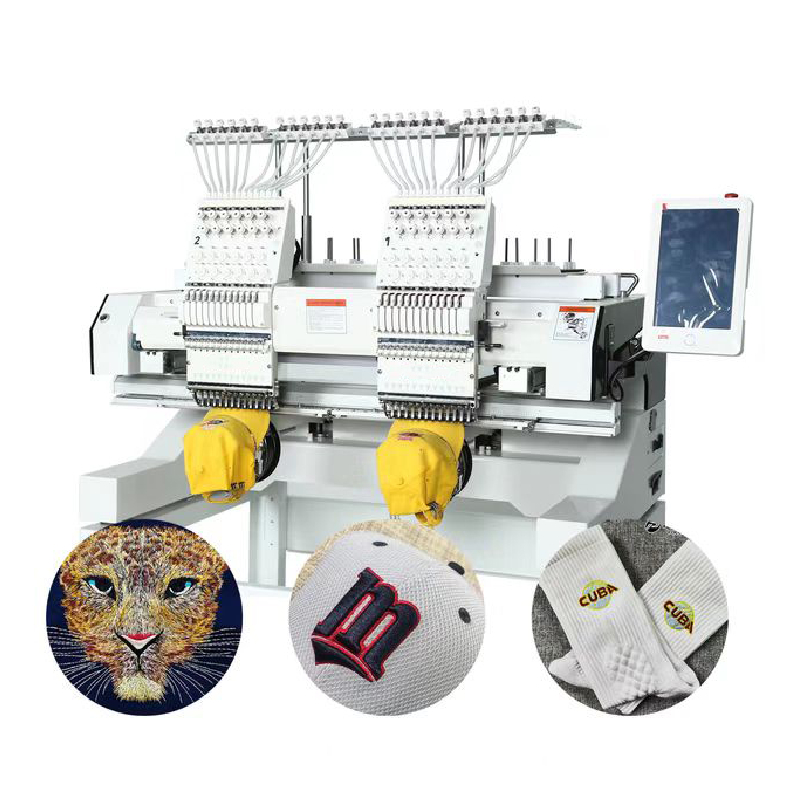
Apparel decorators, team sports, school uniforms, hospitality linens, promotional bags, workwear, small DTC brands. The machine handles shirts, jackets, caps, hats, aprons, towels, drapery, pillowcases, bed sheets—the list goes on.
Advantages: compact footprint, fast color changes, stable cap system, and lower thread break rates than older frames. In fact, several operators told me downtime dropped by roughly 20% after switching.
Vendor comparison (snapshot)
| Vendor/Model | Heads/Needles | Max Speed | Cap Drive | Warranty | Price (≈) |
|---|---|---|---|---|---|
| XTP 2-Head 15-Needle | 2×15 | 1,000–1,200 spm | 270° included | 12–24 months | $$ |
| Brand A (Entry) | 1×12 | 800–900 spm | Optional | 12 months | $ |
| Brand B (Import) | 2×12 | 900–1,000 spm | Included | 6–12 months | $$ |
Customization, support, and compliance
Options: extra hoops, shirt/Cap frames, stand, network kit, on-site training, spare needle kits. Compliance targets typically include CE/EMC (EN 55032/55035), machinery safety (IEC 60204-1), and factory ISO 9001. Threads and backing often carry OEKO-TEX Standard 100—ask your vendor.
Quick case note
A regional uniform shop added a Automatic Embroidery Machine to handle caps and bags. Within six weeks, cap throughput doubled (two-up runs) and rework fell after they standardized backing and slowed dense satin to 900 spm. Simple, but profitable.
Bottom line: if you need a compact, revenue-friendly Automatic Embroidery Machine that punches above its weight, this two-head 15-needle platform is a sensible pick.
Authoritative citations
Latest news
-
Embroidery Machine Professional Manufacturers: Global Insights, Innovations, and Industry Trends
NewsDec.03,2025
-
Understanding Embroidery Machine Professional Factories: Global Insights & Innovations
NewsDec.03,2025
-
How to Choose a Top Embroidery Machine Professional Supplier for Reliable Textile Production
NewsDec.03,2025
-
Choosing the Best Embroidery Machine for T-Shirt Factories: Boost Efficiency & Quality Globally
NewsDec.02,2025
-
Embroidery Machine for T-Shirt Suppliers: Choosing the Best Equipment Globally
NewsDec.02,2025
-
Comprehensive Guide to Embroidery Machine for T-Shirt Service: Global Trends & Insights
NewsDec.02,2025

Copyright © 2026 Xingtai Pufa Trading Co., Ltd All Rights Reserved. Sitemap | Privacy Policy | Top Blog | Global Service