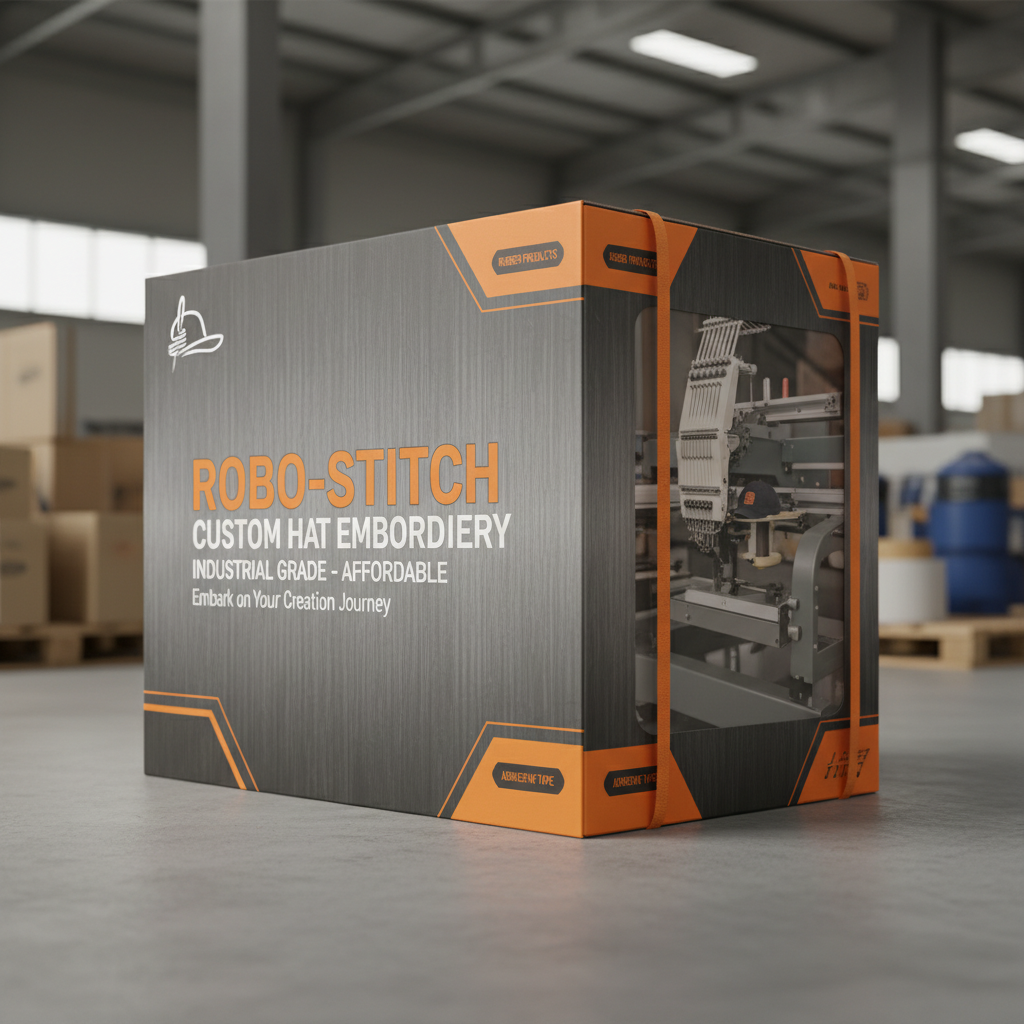
Finding a cheap computerized embroidery machine price is often the first and most critical step for aspiring entrepreneurs and small textile businesses looking to enter the garment decoration market. In an era where personalized fashion is peaking, the ability to acquire high-precision equipment without an exorbitant initial investment allows creators to scale their production from simple prototypes to full-scale commercial runs efficiently.
The global textile machinery market has seen a significant shift toward automation, making the cheap computerized embroidery machine price more accessible than ever before. By leveraging advanced manufacturing processes in specialized equipment production, brands can now offer machines that balance affordability with the professional-grade stability required for intricate designs, reducing the barrier to entry for home-based businesses and boutiques.
However, understanding the nuances of a cheap computerized embroidery machine price requires looking beyond the sticker price. It involves analyzing the total cost of ownership, including maintenance, software compatibility, and energy efficiency, to ensure that a budget-friendly purchase today does not lead to expensive downtime tomorrow.
Understanding the Market for Cheap Computerized Embroidery Machine Price
The market for affordable textile machinery has expanded rapidly due to the democratization of digital design software. A cheap computerized embroidery machine price is no longer synonymous with "low quality"; rather, it reflects the optimization of supply chains and the use of standardized electronic components that drive down costs without sacrificing the core mechanical precision.
For small-scale manufacturers in developing industrial zones, these machines provide a vital lifeline for economic growth. By lowering the initial capital expenditure, entrepreneurs can invest more in high-quality threads and fabrics, ensuring that the end product remains competitive in the global fashion market while maintaining a lean operational budget.
Core Components Influencing Equipment Cost
Several technical factors dictate the final cheap computerized embroidery machine price. The first is the head count; a single head machine is naturally more affordable than a multi-head setup, making it ideal for custom, one-off pieces. The complexity of the control panel and the brand of the servo motors also play a role, as high-torque, energy-efficient motors may increase the price but lower long-term electricity costs.
Another critical component is the frame size and the variety of hoops included. Machines that offer versatile framing options for everything from baseball caps to large jacket backs often command a slight premium. However, by choosing a model with a standardized frame system, buyers can secure a more competitive price while still maintaining the flexibility needed for diverse product lines.
Finally, the software integration determines how "computerized" the machine truly is. Entry-level models often rely on USB imports of pre-made designs, which keeps the cheap computerized embroidery machine price low. In contrast, machines with integrated design software allow for on-the-fly edits, which adds value for professional designers who require rapid prototyping capabilities.
Balancing Quality and a Cheap Computerized Embroidery Machine Price
When searching for a cheap computerized embroidery machine price, the most common fear is the trade-off in durability. Professional operators look for "industrial-lite" builds—machines that use cast-iron frames to minimize vibration, which is essential for maintaining stitch consistency at high speeds.
The secret to finding a sustainable cheap computerized embroidery machine price lies in focusing on the "core mechanicals." As long as the hook and needle bar assembly are made from high-grade hardened steel, the machine will likely perform reliably, regardless of whether the outer casing is plastic or polished metal.
Ultimately, the best value is found when the cheap computerized embroidery machine price includes a comprehensive warranty and access to spare parts. A machine that is inexpensive to buy but impossible to repair is not actually "cheap" in the long run; true affordability is defined by the machine's uptime and ease of maintenance.
Scalability Options: From Single to Six Head Machines
Depending on your production volume, the cheap computerized embroidery machine price varies significantly across different head configurations. A single-head machine is the gold standard for hobbyists and startups, focusing on precision for individual items. However, as demand grows, moving to a two-head or four-head machine allows for a linear increase in output without requiring additional operators.
For those targeting mass production, the six-head embroidery machine offers the most aggressive price-per-unit cost. While the initial investment is higher, the efficiency gains are exponential. By distributing the electronic control costs across six simultaneous embroidery heads, the overall cost of production per garment drops, making the higher initial price a strategic investment in scalability.
Comparison of Production Efficiency vs. Cheap Computerized Embroidery Machine Price
Global Applications and Industrial Use Cases
The adoption of a cheap computerized embroidery machine price has enabled a surge in local "micro-factories" across Southeast Asia and Africa. In these regions, small business owners use these machines to produce traditional ethnic wear with modern precision, blending cultural heritage with industrial efficiency to create export-ready products.
In Western markets, the trend is seen in the "Print on Demand" (POD) sector. Small studios utilize budget-friendly multi-head machines to offer corporate branding for local sports teams and businesses. The ability to maintain a low cheap computerized embroidery machine price allows these studios to pivot their designs quickly based on seasonal trends without risking heavy capital losses.
Long-Term Value and ROI of Budget Automation
Calculating the return on investment (ROI) for a cheap computerized embroidery machine price involves looking at the "break-even" point. For a typical small business, a mid-range computerized machine can pay for itself within six months of consistent operation. This is achieved by replacing manual embroidery—which is slow and prone to error—with automated precision that works 24/7.
Beyond the financial gains, there is a social impact. Providing workers with computerized tools reduces the physical strain associated with traditional hand-embroidery. The shift from manual labor to machine operation transforms the worker's role from a manual laborer to a technical operator, increasing their skill set and overall dignity in the workplace.
Furthermore, the sustainability of a cheap computerized embroidery machine price model is found in its modularity. Many modern budget machines are designed for easy upgrades, allowing users to add more needles or upgrade the software as their business grows, effectively extending the machine's lifecycle.
Future Trends in Affordable Embroidery Technology
The future of the cheap computerized embroidery machine price landscape is being shaped by AI and Cloud integration. We are seeing a shift toward "Embroidery as a Service," where design files are sent via the cloud directly to the machine, eliminating the need for expensive local workstations and further lowering the entry price for new users.
Green energy is another driving force. New iterations of budget machines are incorporating low-friction components and energy-saving standby modes, reducing the operational cost. This ensures that the total cost of ownership remains low, maintaining the appeal of the cheap computerized embroidery machine price for eco-conscious brands.
As 3D embroidery and conductive threading (for wearable tech) become more common, we expect to see these specialized features trickle down into the affordable market. This will allow small-scale creators to experiment with "smart fabrics" using equipment that fits within a modest budget.
Comparative Analysis of Budget Embroidery Machine Tiers
| Machine Tier |
Target User |
Price-to-Performance |
Expected Lifespan |
| Entry-Level Single Head |
Hobbyists / Home Startups |
High (for low volume) |
3-5 Years |
| Professional Single Head |
Boutique Owners |
Very High |
5-8 Years |
| Semi-Industrial Two Head |
Small Apparel Shops |
Balanced |
7-10 Years |
| Industrial Four Head |
Medium Production Houses |
Optimized for Volume |
10+ Years |
| High-Capacity Six Head |
Commercial Garment Factories |
Maximum ROI |
12+ Years |
| Specialized Cap Machine |
Headwear Specialists |
Niche-High |
8-10 Years |
FAQS
Not necessarily. Many affordable machines leverage standardized electronic parts and optimized manufacturing to lower the cost. The key is to check the frame material and the quality of the embroidery hook. If the machine has a rigid cast-iron body and high-grade steel components, it can perform nearly as well as a premium machine for most standard commercial applications.
For most startups, a single-head machine provides the best balance of a cheap computerized embroidery machine price and functional utility. However, if you already have consistent orders for simple logos, a two-head machine can double your output with only a marginal increase in price, often offering a faster path to ROI.
Yes, most modern budget machines are compatible with industry-standard formats like .DST and .PES. While they may not come with high-end integrated digitizing software, they can easily import files created in professional software via USB or network connections, allowing you to achieve professional results on a budget.
Maintenance frequency depends on usage, but daily oiling and weekly cleaning of the bobbin area are standard. Because they use common parts, maintaining a cheap computerized embroidery machine price model is often easier and more affordable than maintaining proprietary high-end systems that require certified technician visits for simple tasks.
While you cannot typically "add heads" to a single-head machine, you can upgrade the software, add more specialized hoops, or purchase complementary machines of the same series. This allows you to maintain a consistent workflow and operator training while scaling your fleet incrementally as your revenue increases.
The most common hidden costs are high-quality stabilizers, threads, and needles, which are essential regardless of the machine's price. Additionally, ensure you account for the cost of digitizing software, as some budget machines require a separate purchase for the software used to convert images into embroidery stitches.
Conclusion
Finding the right cheap computerized embroidery machine price is about more than just saving money; it is about strategically choosing a tool that aligns with your current production capacity and future growth goals. By focusing on core mechanical durability, understanding the scalability of head configurations, and accounting for long-term maintenance, entrepreneurs can successfully bridge the gap between artisanal creativity and industrial efficiency.
As technology continues to evolve, the barrier to entry in the textile industry will only continue to drop, empowering more creators globally to bring their visions to life. We encourage you to evaluate your volume needs and invest in a solution that offers not just a low entry price, but a sustainable path to professional success. Visit our website for more expert guidance: www.xtpfsm.com