
Oct . 06, 2025 09:15 Back to list
Cheap Custom Hat Embroidery Machine—15 Needles, Fast ROI?
A Practical Buyer’s Guide to Getting a Cheap Custom Hat Embroidery Machine
If you’re hunting for a cheap custom hat embroidery machine that doesn’t feel “cheap,” here’s what I’ve learned after years around small factories and merch rooms. The sweet spot is a multi-head, multi-needle rig that handles caps, tees, flats—without turning your floor into a maintenance workshop. And yes, price matters, but downtime matters more.
What’s trending (and what actually works)
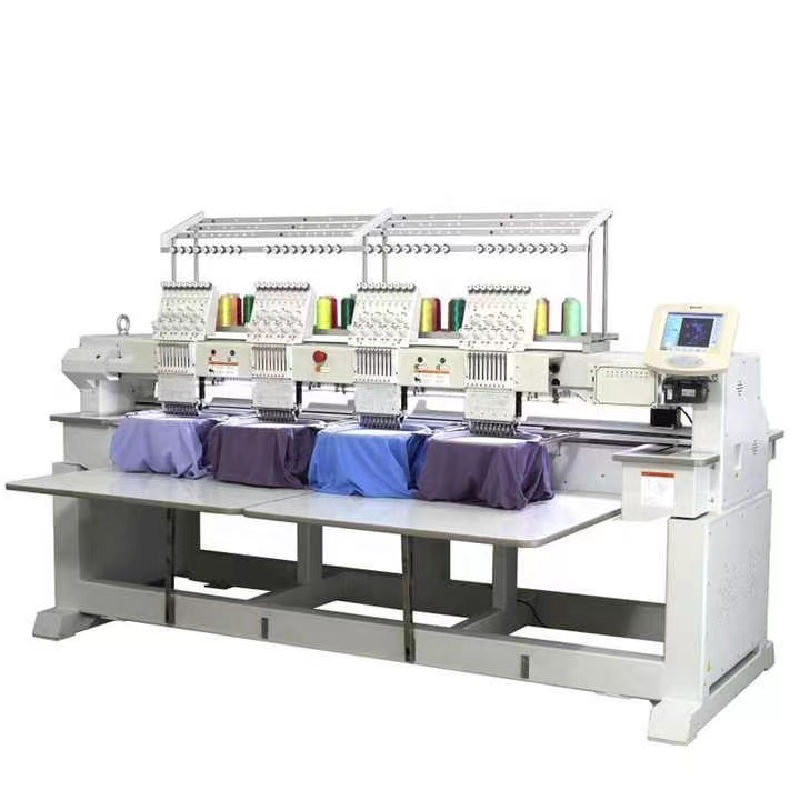
On-demand cap runs are booming—micro-brands, breweries, school teams. Surprisingly, the most successful shops I visited this year embraced 4-head machines. Why? They knock out small batches fast, and pairing cap drivers with flat hoops lets them pivot from hats to hoodies in minutes. Software has also matured; 13-language interfaces are now common, so operators don’t get stuck on a menu tree. And cap frames? Much sturdier than they used to be.
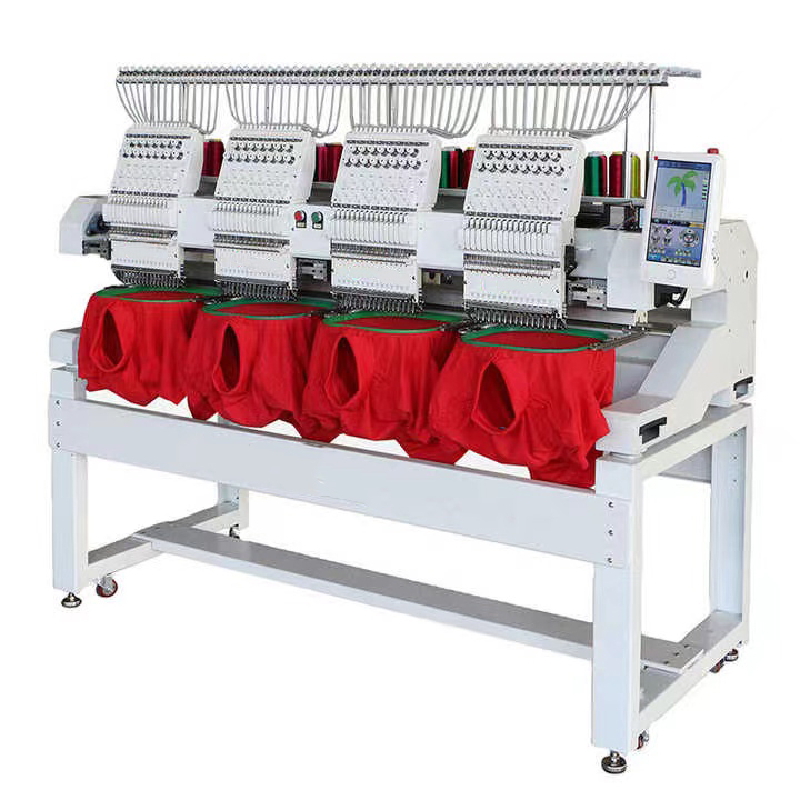
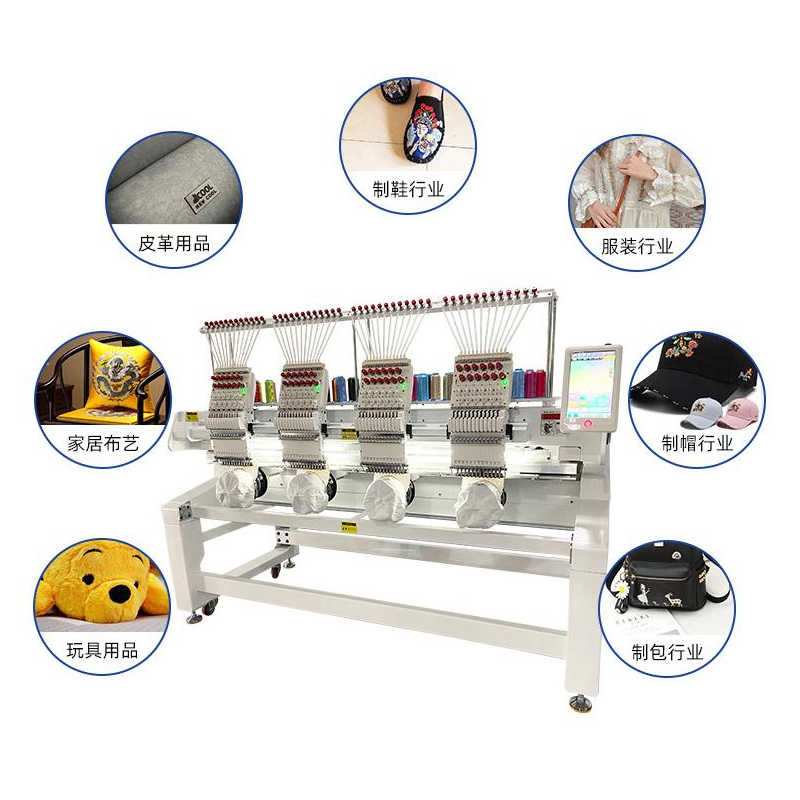
Featured model: Industrial Custom Logo Computer Machine (4 Heads, 12/15 Needles)
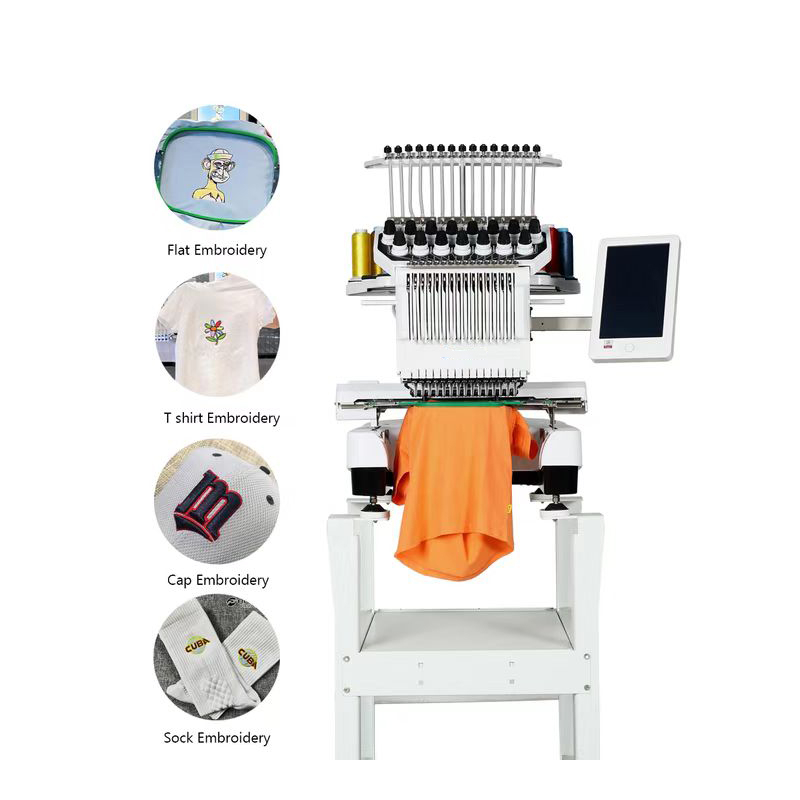
Built in Shijiazhuang, Hebei, this unit handles caps, T‑shirts, garments, and flat embroidery. In fact, the 400 × 680 mm flat area is generous for jacket backs. Many customers say the learning curve is mild—menu in 13 languages helps.
| Spec | Details (≈ real-world) |
|---|---|
| Heads / Needles | 4 heads; 12 or 15 needles per head (optional) |
| Embroidery Area | Flat up to 400 × 680 mm; cap-ready kit supported |
| Speed | ≈ 850–1,200 spm (design, fabric, hooping affect results) |
| Interface | Touch screen, 13 languages, USB file import (DST/DSB/EMB) |
| Power | AC 110/220 V; ≈ 1.2–1.8 kW peak |
| Origin | Building A, Runjiang Huigu Building, Shijiazhuang City, Hebei |
Process flow, materials, and quality checks
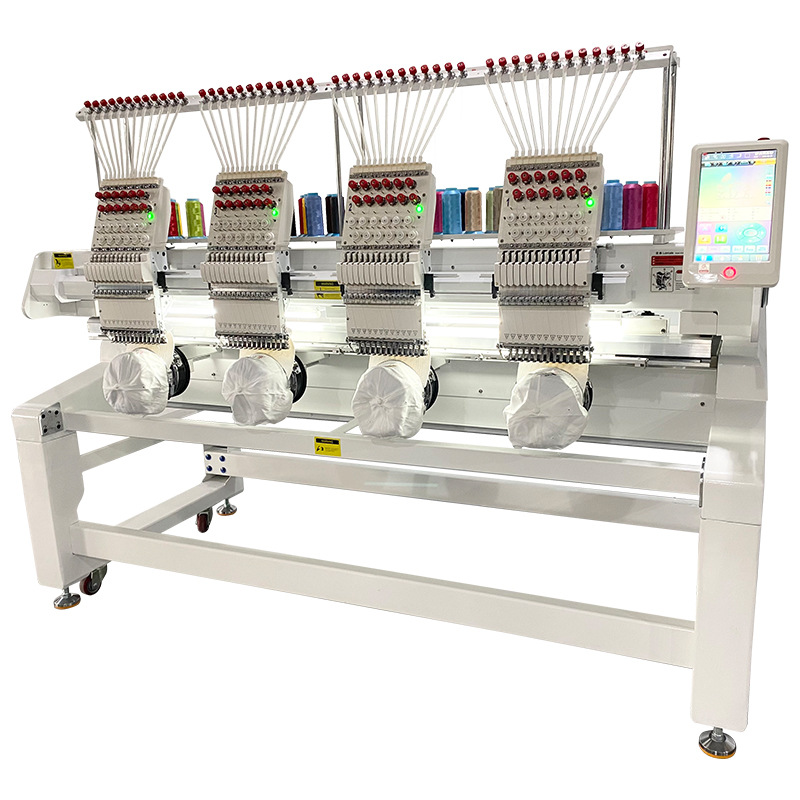
Materials: 40 wt polyester or rayon thread; needles DBxK5 75/11–90/14; medium/heavy cap backing; twill or cotton caps. Methods: digitize with underlay (edge run + zigzag), use cap-optimized stitch angles (often 110–120°), and hoop caps snug—no ripples. Testing: colorfastness per ISO 105-C06; thread strength ref. ASTM D2256; garment tensile ref. ASTM D5034; electrical safety target CE/EN 60204-1. Noise checks around 75–80 dB(A) per ISO 11202 in busy rooms. Service life: servo drives often 10,000–20,000 hours with regular oiling and lint control (daily).
Where this shines
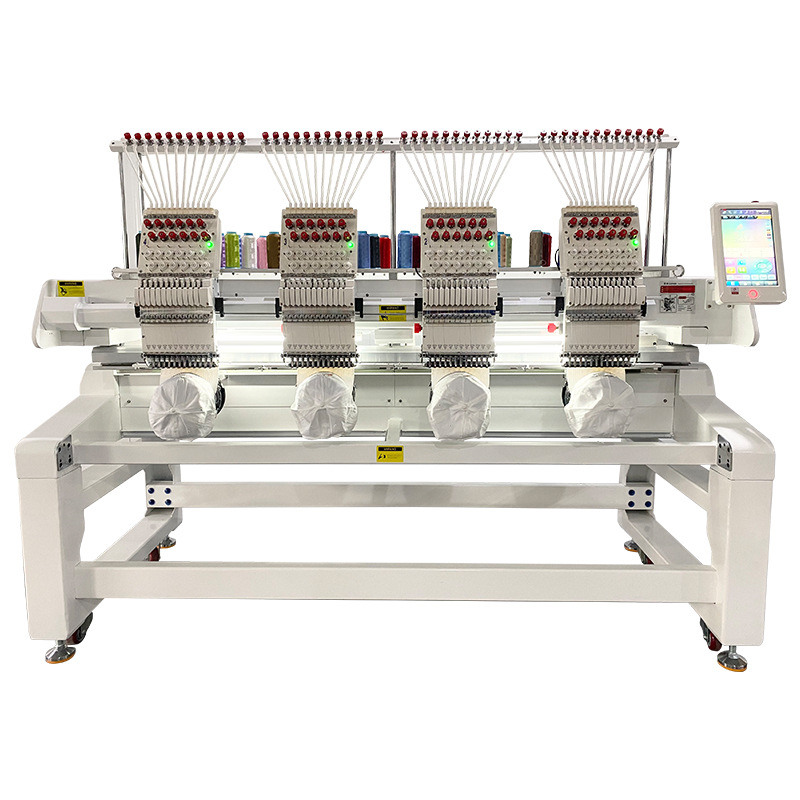
- Cap merch for breweries, bands, clubs; uniforms for schools and logistics teams.
- On-demand print rooms pairing DTF for tees and cheap custom hat embroidery machine for premium caps.
- Etsy/Shopify sellers adding puff embroidery, 3D foam, small monograms.
| Vendor | Pros | Cons | Best for |
|---|---|---|---|
| XTPFSM (this model) | 4 heads; 12/15 needles; large flat area; multilingual UI; cap-ready | Lead times vary; verify CE/RoHS paperwork | Budget-conscious shops scaling up |
| Vendor A (budget) | Lowest upfront cost; simple controls | Fewer needles; slower support | Starters testing demand |
| Vendor B (midrange) | Solid service network; stable speeds | Higher price for similar heads | Busy local shops |
| Vendor C (premium) | Top stitch quality; advanced sensors | Expensive; long ROI | Corporate/industrial lines |
Real-world mini-cases
- Local team shop: 48-cap runs, 2 colors, 4-head setup—turnaround in 2.5 hours; scrap rate under 2% after stabilizer switch.
- Promo agency: Mixed flats/caps in one shift; changeover ≈ 6–8 minutes using preset hoop profiles.
- Microbrand: Puff embroidery on 3D foam; slowed to 800 spm, saw cleaner satin columns and fewer breaks.
Customization, compliance, and buyer notes
Choose 12 needles if you run simple logos; 15 if you juggle specialty threads. Ask for cap driver sets, extra hoops, and software dongles. For compliance, request CE declaration (EN 60204-1), RoHS (2011/65/EU), and—ideally—test reports from an ISO/IEC 17025 accredited lab. Threads with OEKO‑TEX Standard 100 help for kid’s wear. In short, a cheap custom hat embroidery machine is a win only if the paperwork and after‑sales support are real.
To be honest, what separates winners from “garage trophies” is maintenance. Keep lint out, oil as scheduled, and run a weekly stitch test card. Do that, and even a budget-friendly cheap custom hat embroidery machine can deliver premium-looking caps day after day.
Authoritative citations
- EN 60204-1: Safety of machinery – Electrical equipment of machines (CE marking reference).
- ISO 105-C06: Textiles — Tests for colour fastness — Colour fastness to domestic and commercial laundering.
- ASTM D2256/D2256M: Standard Test Method for Tensile Properties of Yarns by CRE.
- ISO/IEC 17025: General requirements for the competence of testing and calibration laboratories.
Latest news
-
Embroidery Machine Professional Manufacturers: Global Insights, Innovations, and Industry Trends
NewsDec.03,2025
-
Understanding Embroidery Machine Professional Factories: Global Insights & Innovations
NewsDec.03,2025
-
How to Choose a Top Embroidery Machine Professional Supplier for Reliable Textile Production
NewsDec.03,2025
-
Choosing the Best Embroidery Machine for T-Shirt Factories: Boost Efficiency & Quality Globally
NewsDec.02,2025
-
Embroidery Machine for T-Shirt Suppliers: Choosing the Best Equipment Globally
NewsDec.02,2025
-
Comprehensive Guide to Embroidery Machine for T-Shirt Service: Global Trends & Insights
NewsDec.02,2025

Copyright © 2026 Xingtai Pufa Trading Co., Ltd All Rights Reserved. Sitemap | Privacy Policy | Top Blog | Global Service