
Aug . 31, 2025 02:20 Back to list
Embroidery Machine Manufacturers: Best Industrial 15-Needle Models
The Evolving Landscape of Industrial Embroidery
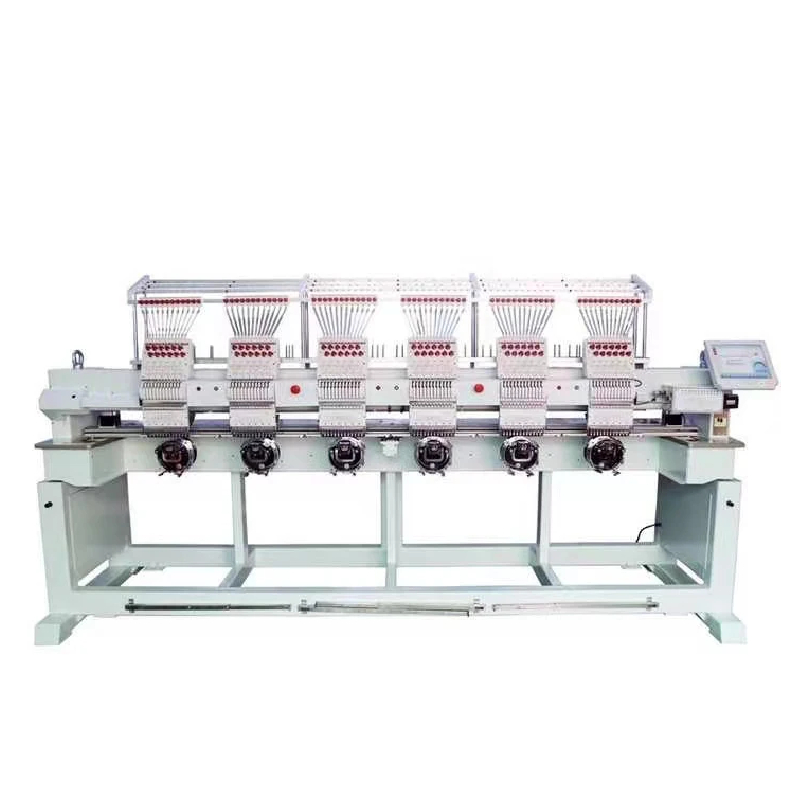
The textile and apparel industries are undergoing rapid transformation, driven by demands for higher customization, faster production cycles, and superior quality. At the heart of this evolution are advanced industrial embroidery machines, which enable manufacturers to achieve intricate designs and robust embellishments at scale. Understanding the intricacies of these machines, from their manufacturing process to their diverse applications, is crucial for businesses aiming to stay competitive. This comprehensive guide explores the pivotal role of leading embroidery machine manufacturers in shaping the future of industrial textile decoration, focusing on cutting-edge technologies like multi-head 15-needle systems.
The global demand for textile embellishment continues to surge across various sectors, including fashion, home décor, automotive, and promotional products. Industrial embroidery, characterized by its precision, durability, and aesthetic appeal, remains a preferred method for value addition. The choice of machinery, particularly high-performance units like the Good quality factory use Multi heads 15 needles embroidery machines industrial computerized, directly impacts operational efficiency, product quality, and ultimately, profitability. This article delves into the technical depth required by B2B decision-makers and engineers, providing insights into design, manufacturing, application, and vendor considerations.
The Meticulous Manufacturing Process of Industrial Embroidery Machines
The creation of a high-performance industrial embroidery machine is a sophisticated process, blending precision engineering with advanced manufacturing techniques. Reputable embroidery machine manufacturers adhere to stringent quality control at every stage to ensure the durability, accuracy, and reliability of their products. The process typically involves several key phases:
1. Design and Conceptualization
- CAD/CAM Engineering: Utilizing advanced software for intricate mechanical and electronic design, focusing on ergonomics, module integration, and performance optimization. This phase defines the multi-head configuration, the 15-needle system, and the overall structural integrity.
- Material Selection: Sourcing high-grade materials is paramount. This includes specialized alloys for precision moving parts, high-tensile steel for robust frames, and aerospace-grade aluminum for lighter, yet durable, head components.
2. Component Fabrication
- Precision Casting/Forging: For critical structural components, such as the machine frame and certain drive elements, casting or forging processes are employed to achieve high material density and strength.
- CNC Machining: Modern industrial embroidery machines rely heavily on Computer Numerical Control (CNC) machining for producing precision parts. Components like needle bars, rotary hooks, and pantograph mechanisms require micron-level tolerances, ensuring smooth operation and superior stitch quality.
- Electronic Sub-Assembly: Development and integration of control boards, servo motor drivers, and sensor systems that form the 'brain' of the computerized embroidery machine.
3. Assembly and Integration
- Structural Assembly: The main frame is assembled, providing the rigid foundation for the embroidery heads and pantograph system.
- Head Assembly: Each 15-needle embroidery head is meticulously assembled, involving the precise alignment of needle bars, thread guides, tension systems, and rotary hooks.
- Electronic & Software Integration: All electrical components are wired, and the machine's control software is installed and configured. This includes integrating the user interface, design loading capabilities, and error detection systems.
4. Rigorous Testing and Quality Assurance
- Functional Testing: Each machine undergoes extensive testing to verify stitching accuracy, speed, noise levels, and overall operational stability across its entire range of functions.
- Durability Testing: Machines are subjected to prolonged operational cycles to simulate real-world factory conditions, assessing wear and tear on critical components.
- Standards Compliance: Adherence to international standards such as ISO 9001 for quality management and CE marking for European safety compliance is mandatory. Components might also meet ANSI or JIS standards for specific mechanical properties.
The typical service life of a well-maintained industrial embroidery machine can exceed 10-15 years, thanks to these rigorous manufacturing processes and high-quality materials. This commitment to engineering excellence ensures reliability and a strong return on investment for businesses in target industries such as apparel manufacturing, automotive interiors, and home textiles.
Industry Trends and Market Outlook for Industrial Embroidery
The industrial embroidery market is dynamic, influenced by technological advancements, shifting consumer preferences, and global economic factors. Key trends indicate a robust future for high-quality, efficient machines:
- Automation and IoT Integration: Modern machines increasingly feature IoT capabilities for remote monitoring, predictive maintenance, and seamless data exchange within smart factories. This enhances efficiency and reduces downtime.
- Customization and Personalization: The rise of on-demand manufacturing and personalized products drives demand for flexible, high-speed machines capable of handling diverse designs and small batch runs efficiently.
- Sustainability: Manufacturers are focusing on energy-efficient motors, reduced waste in production, and materials with lower environmental impact. This is a critical consideration for both buyers and embroidery machine manufacturers.
- Multi-functionality: Integration of complementary technologies, such as laser cutting or sequin devices, within a single machine to expand design possibilities and streamline production.
- Advanced Software: Sophisticated digitizing software with AI-driven design assistance and simulation capabilities reduces design errors and speeds up pattern creation.
The market for industrial embroidery machines, including specialized multi-head 15-needle units, is projected to experience steady growth. While the search for a "cheap 15 needle embroidery machine" or "cheap industrial embroidery machines for sale" is common, savvy buyers prioritize long-term value, reliability, and support over initial cost. The following data highlights the market's trajectory:
Global Industrial Embroidery Machine Market Insights
Technical Specifications of Multi-Head 15-Needle Industrial Embroidery Machines
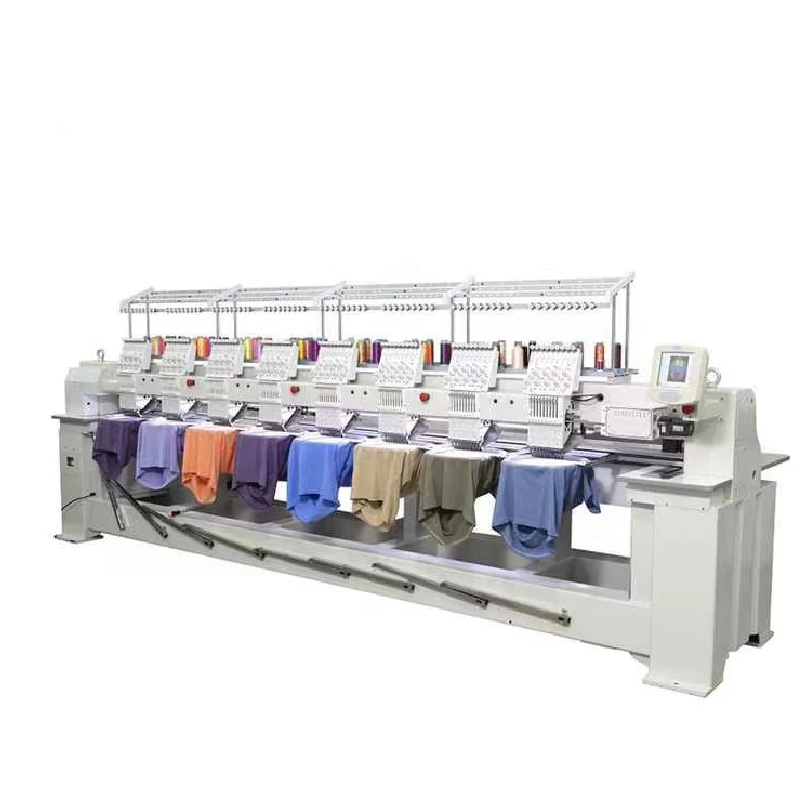
For B2B buyers, understanding the precise technical specifications is paramount when evaluating an industrial embroidery machine. A multi-head, 15-needle computerized system, such as the Good quality factory use Multi heads 15 needles embroidery machines industrial computerized, represents the pinnacle of efficiency and versatility. The "15 needles" configuration allows for a broad spectrum of colors in a single design without frequent thread changes, significantly boosting productivity.
Key Technical Parameters
Advanced features often include automatic thread trimming, automatic color change, thread break detection, and integrated design editing functions. When seeking the "best buy embroidery machine," these detailed specifications are crucial indicators of performance and value, directly influencing production output and quality.
Diverse Application Scenarios and Target Industries
Industrial embroidery machines are workhorses across a multitude of sectors, providing durable and visually appealing embellishments. Their versatility makes them indispensable for businesses aiming for high-volume production with intricate design requirements.
- Apparel Manufacturing: From high-fashion garments, sportswear, and denim to uniforms and workwear, industrial machines create logos, intricate patterns, and decorative elements that elevate product value.
- Home Textiles: Embellishing towels, bed linens, curtains, upholstery fabrics, and decorative cushions with personalized or branded designs.
- Automotive Interiors: Producing high-quality embroidery on car seats, headrests, and floor mats, often requiring precision and durability to withstand harsh conditions.
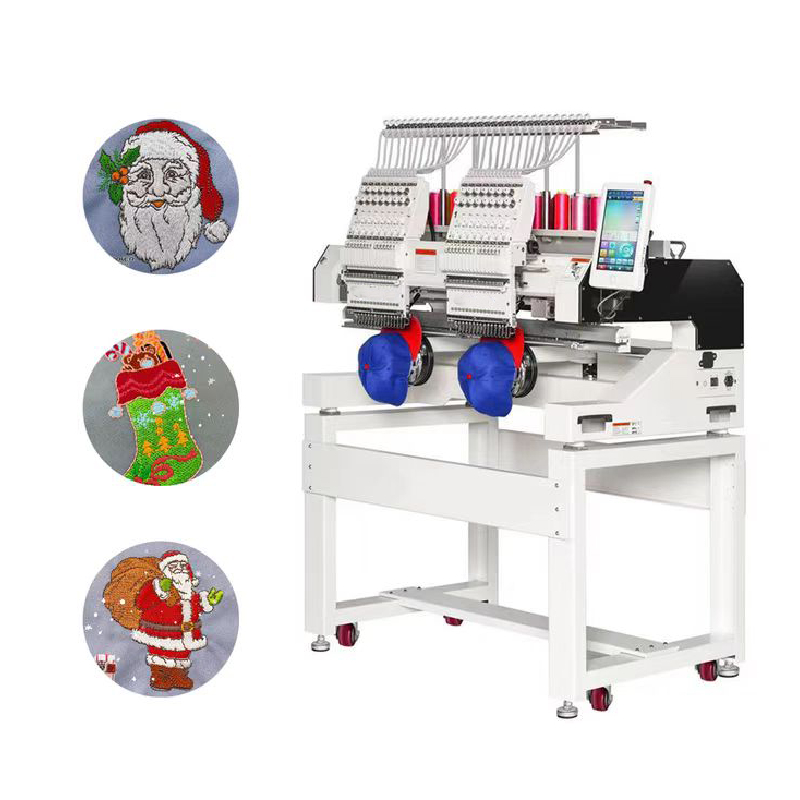
- Promotional Products and Corporate Branding: Customizing caps, bags, t-shirts, patches, and other merchandise for corporate events, sports teams, and marketing campaigns.
- Leather Goods: Adding decorative stitching and logos to leather jackets, bags, wallets, and other accessories.
- Technical Textiles: Increasingly used for functional embroidery, such as embedding conductive threads or reinforcing specific areas in specialized textiles.
The advantages in these scenarios are clear: high energy efficiency translates to lower operational costs, robust construction ensures corrosion resistance in demanding factory environments (e.g., humid textile mills), and precision controls deliver consistent, high-quality output for demanding applications. Even when considering a "cheap industrial embroidery machines for sale," the long-term benefits of a quality-built machine far outweigh initial savings.
Technical Advantages Driving Productivity and Quality
Modern industrial embroidery machines offer a suite of technical advantages that directly impact a business's bottom line. These aren't just features; they are engineering solutions to common production challenges:
- Superior Stitch Quality & Precision: Driven by advanced servo motors for X/Y movement and needle drive, these machines achieve remarkable stitch consistency and intricate detail, even at high speeds. This ensures every embroidered piece meets stringent quality standards.
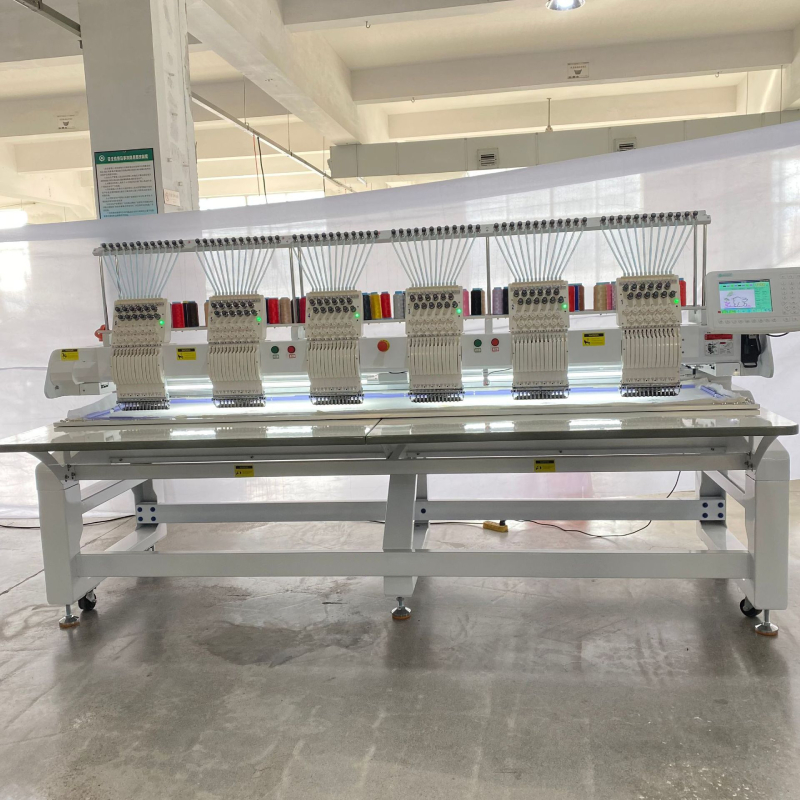
- High-Speed Production with Multi-Head Efficiency: Multiple embroidery heads operating simultaneously dramatically increase throughput. A 15-needle configuration per head minimizes downtime for thread changes, allowing continuous, high-volume production.
- Enhanced Durability and Reliability: Constructed with robust, high-grade steel frames and precision-machined internal components, these machines are built for continuous industrial operation. This reduces maintenance frequency and extends the machine's operational life.
- Energy Efficiency: Optimized motor systems and smart power management reduce electricity consumption per stitch, leading to significant cost savings over time. This is a crucial factor for sustainable manufacturing and reduced operational expenses.
- Advanced Computerized Control Systems: Intuitive touch-screen interfaces, powerful processors, and ample memory capacity enable easy design management, real-time monitoring, and quick adjustments. Features like automatic thread trimming, thread break detection, and error diagnostics streamline operation.
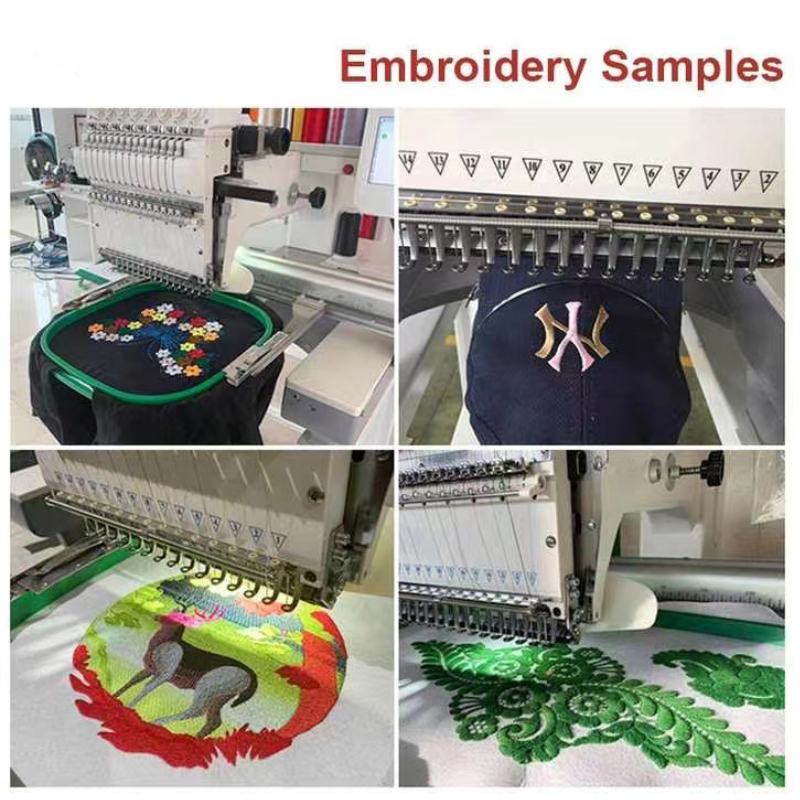
- Versatility in Materials and Designs: Capable of handling a wide range of fabrics, from delicate silks to heavy denim and leather, and accommodating various thread types. The large embroidery area and multiple hoops expand design possibilities.
Vendor Comparison and Strategic Sourcing
Choosing the right industrial embroidery machine is a strategic decision that goes beyond initial price. A thorough vendor comparison, focusing on the offerings of various embroidery machine manufacturers, is essential. Key factors include product features, build quality, software capabilities, after-sales support, and customization options.
Comparative Analysis of Industrial Embroidery Machine Offerings
While a "cheap 15 needle embroidery machine" might seem appealing initially, evaluating the total cost of ownership (TCO) – including maintenance, spare parts availability, energy consumption, and expected lifespan – often reveals that investing in a high-quality, reputable brand yields superior long-term value. For those seeking the "best buy embroidery machine," a balance of features, reliability, and robust after-sales support is key.
Customized Solutions for Unique Production Demands
The diverse needs of the industrial sector necessitate flexible solutions. Leading embroidery machine manufacturers often provide extensive customization options to tailor machines to specific client requirements, ensuring optimal performance and integration into existing production lines.
- Embroidery Area Configuration: Custom pantograph sizes to accommodate unusually large or small products, or specialized framing systems for unique item types (e.g., shoe uppers, automotive components).
- Multi-function Attachments: Integration of sequin devices, cording attachments, bead applicators, or even laser cutting modules to expand the machine's capabilities and reduce the need for multiple machines.
- Software Integration: Customization of control software to interface with existing ERP systems, production planning tools, or proprietary design platforms.
- Material Handling Systems: Specialized hooping systems, conveyor belts, or automated loading/unloading mechanisms for high-volume, continuous production of specific items.
- Environmental Adaptations: Machines designed with enhanced dust protection, humidity resistance, or specific voltage requirements for operation in diverse global factory environments.
These bespoke solutions ensure that businesses can achieve maximum efficiency and ROI, turning a standard industrial machine into a highly specialized production asset perfectly aligned with their operational workflow.
Application Case Studies and Customer Successes
Real-world application demonstrates the tangible benefits of investing in high-quality industrial embroidery machinery. Here are examples illustrating how businesses leverage multi-head 15-needle systems:
Case Study 1: Large-Scale Apparel Production
A major sportswear brand sought to increase its capacity for embroidering complex logos on team uniforms. By implementing a fleet of 8-head, 15-needle industrial machines, they achieved a 40% increase in daily output compared to their previous 9-needle systems. The expanded color palette allowed for more vibrant and detailed designs, while the enhanced speed and automatic features reduced labor costs by 15% and significantly decreased production lead times, leading to quicker market responsiveness.
Case Study 2: Automotive Interior Embellishment
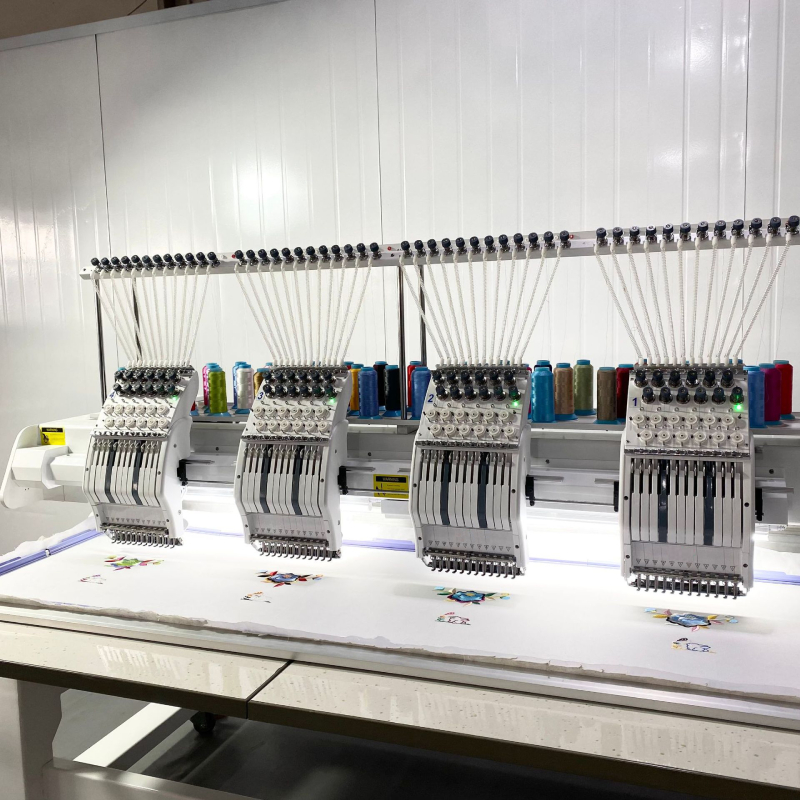
An automotive supplier specializing in high-end vehicle interiors required exceptional precision and durability for embroidered seat components. Utilizing a custom-configured 4-head, 15-needle machine with specialized clamping systems, they achieved stitch accuracy within 0.1mm on leather and heavy-duty synthetic fabrics. The machine's robust construction and ability to maintain consistent tension across all heads ensured zero defects in batches, meeting stringent automotive quality standards and enhancing brand perception.
Customer Feedback Highlights:
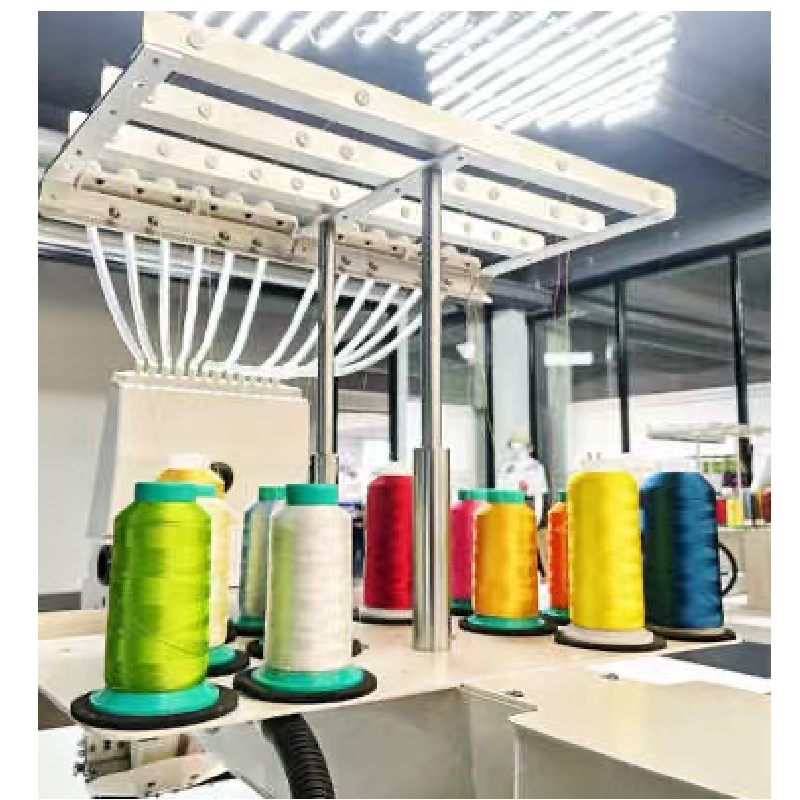
- "Our new multi-head machine has been a game-changer for our customization business. The 15 needles mean fewer thread changes, and the speed is incredible." - CEO, Promotional Products Manufacturer
- "We've experienced remarkable reliability. The robust build quality and intuitive control system make it easy for our operators, contributing to consistent uptime." - Production Manager, Home Textile Factory
Ensuring Trust and Authority: Standards in Practice
For B2B buyers, confidence in their investment hinges on the Expertise, Experience, Authoritativeness, and Trustworthiness () of the embroidery machine manufacturers they choose. Here's how these standards are met:
Authoritativeness and Expertise
- Certifications: Products often carry CE certification for European safety standards, ISO 9001 for quality management systems, and other regional compliance marks, assuring adherence to global manufacturing best practices.
- Industry Recognition: Decades of experience in the embroidery machine industry, often evidenced by long-standing relationships with global brands and participation in international textile machinery exhibitions.
- Technical Partnerships: Collaborations with leading component suppliers (e.g., servo motor manufacturers, control system developers) ensuring integration of cutting-edge technologies.
- Rigorous Testing Data: Internal test reports and Mean Time Between Failures (MTBF) data for critical components are available, demonstrating reliability under continuous operation.
Trustworthiness and Customer Support
Robust after-sales support is crucial for maintaining productivity and maximizing investment. Manufacturers prioritize comprehensive services:
Frequently Asked Questions (FAQ)
Q: What is the typical lead time for an industrial multi-head embroidery machine?
A: Standard models typically have a lead time of 4-6 weeks, while customized solutions may require 8-12 weeks, depending on the complexity and current production schedule. We provide precise timelines upon order confirmation.
Q: What kind of warranty is offered on your industrial machines?
A: We offer a standard 12-month warranty on all mechanical and electrical components, excluding consumables. Extended warranty options are available. Detailed terms are provided with each quotation.
Q: Is installation and training included?
A: Yes, professional on-site installation and comprehensive operator training are typically included to ensure your team is fully proficient with the machine's operation and basic maintenance.
Q: How can I obtain spare parts and technical support?
A: We maintain a global network for spare parts distribution, ensuring quick access to components. Our 24/7 technical support team is available via phone, email, and remote diagnostics to assist with any operational issues.
Lead Time & Fulfillment
Our streamlined production and logistics ensure efficient order fulfillment. We leverage robust supply chains to minimize delays, providing clear communication on delivery schedules from order placement to installation.
Warranty Commitments
A comprehensive warranty package underscores our confidence in product quality. Beyond the standard warranty, maintenance contracts and extended service agreements are available to provide continuous protection and peace of mind.
Customer Support & After-Sales Service
Dedicated technical support, accessible through multiple channels, ensures rapid response to inquiries and troubleshooting. This includes access to original spare parts, online resources, and periodic maintenance checks, safeguarding your investment and operational continuity.
Conclusion: Partnering for Industrial Embroidery Excellence
The landscape of industrial embroidery is defined by innovation, precision, and efficiency. Investing in a high-quality, multi-head 15-needle industrial embroidery machine is a strategic decision that promises enhanced productivity, superior product quality, and a significant competitive edge. For businesses seeking to optimize their textile embellishment operations, partnering with reputable embroidery machine manufacturers that prioritize engineering excellence, comprehensive support, and tailored solutions is paramount.
From understanding the meticulous manufacturing process to leveraging advanced technical specifications and navigating industry trends, the insights provided herein aim to equip B2B decision-makers with the knowledge to make informed choices. As the demand for intricate and high-volume embroidery continues to grow, the right machinery and partnership will be key to unlocking new levels of success in the global market.
References
- Textile World Magazine. "Innovations in Multi-Head Embroidery Technology." Vol. 175, No. 3, 2023.
- Journal of Advanced Manufacturing Technology. "Precision Engineering in Industrial Sewing and Embroidery Machines." Vol. 28, Issue 5, 2022.
- Global Textile Machinery Report. "Market Analysis of Industrial Embroidery Equipment." Q4, 2023.
- International Journal of Fashion and Textile Management. "Sustainability and Automation in Apparel Production." Vol. 12, Issue 1, 2024.
- Technical Textile Review. "Enhancing Automotive Interiors Through Advanced Embroidery." Vol. 5, No. 2, 2023.
Latest news
-
How to Find the Best Computerized Machine Embroidery Suppliers
NewsApr.16,2026
-
Professional Computerized Machine Embroidery Service for Brands
NewsApr.09,2026
-
Selecting The Ideal Computerized Machine Embroidery Factory For Your Business
NewsApr.07,2026
-
Choosing a Reliable Computerized Machine Embroidery Manufacturer for Optimal Results
NewsApr.04,2026
-
Exploring Premier Computerized Embroidery Machine Factories for Quality Production
NewsMar.31,2026
-
Find Your Ideal Computerized Embroidery Machine Supplier with XT PFSM
NewsMar.28,2026

Copyright © 2026 Xingtai Pufa Trading Co., Ltd All Rights Reserved. Sitemap | Privacy Policy | Top Blog | Global Service