
Mar . 31, 2026 02:05 Back to list
Exploring Premier Computerized Embroidery Machine Factories for Quality Production
Computerized Embroidery Machine Factories: A Comprehensive Guide
The demand for customized and high-quality embroidery has surged, making computerized embroidery machine factories increasingly vital for businesses across various industries. These factories specialize in the production of advanced machines capable of intricate and efficient embroidery work. This article provides a detailed overview of the industry, key considerations when choosing a factory, the benefits of partnering with a reputable manufacturer, and what to expect when sourcing machines. Selecting the right partner is crucial for ensuring consistent quality, innovative features, and reliable support.
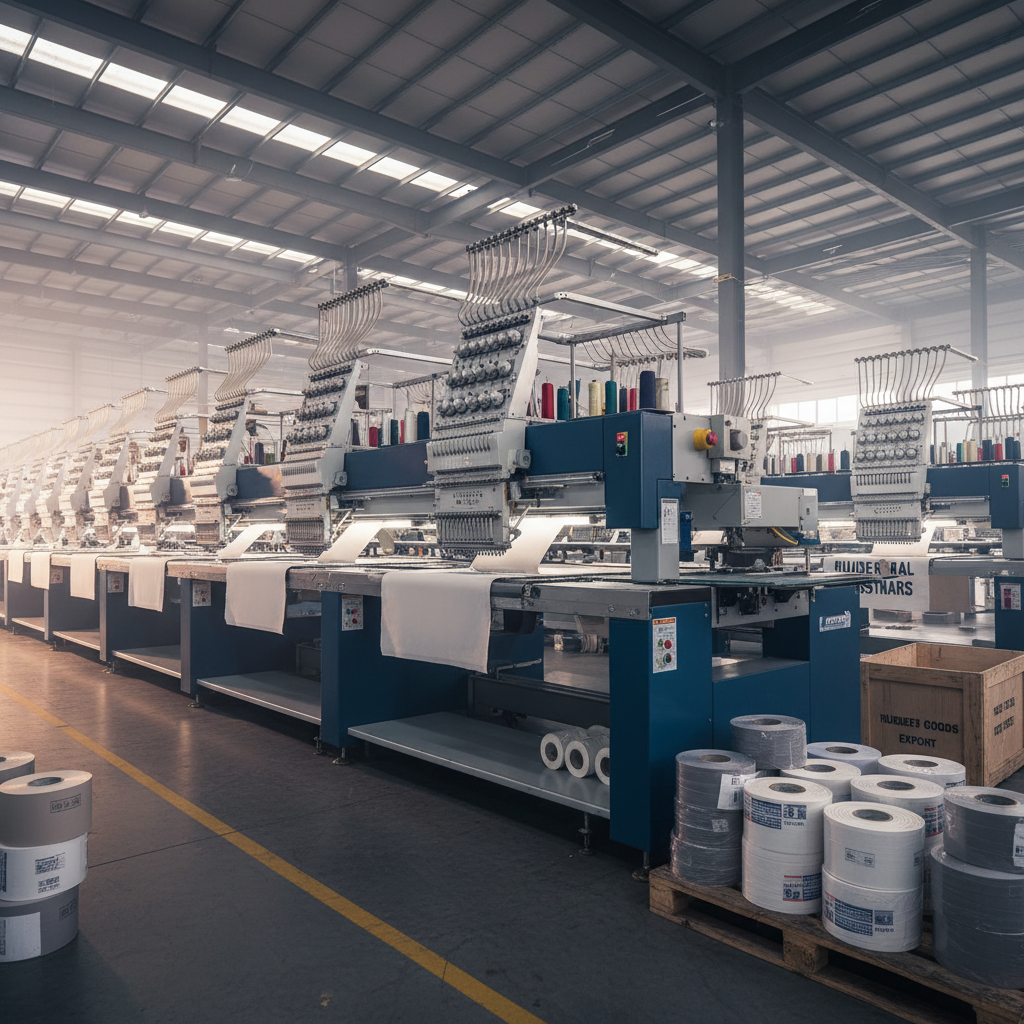
Understanding Computerized Embroidery Machine Factories
Computerized embroidery machine factories aren’t simply assembly lines; they represent a fusion of engineering, software development, and manufacturing expertise. These facilities design, manufacture, and test various types of embroidery machines, ranging from single-head machines suitable for small businesses to multi-head industrial systems designed for large-scale production. Key components include the machine frame, embroidery heads, control panel, thread delivery system, and software. A good factory focuses on precision engineering to ensure consistent stitch quality and minimal downtime. They also invest in research and development to incorporate the latest technological advancements, such as automatic thread trimming, color change capabilities, and network connectivity.
Key Takeaways: Computerized embroidery machine factories combine engineering, software, and manufacturing. Quality control and technological advancement are paramount.
Key Considerations When Choosing a Factory
Selecting the right computerized embroidery machine factory is a significant investment. Several factors should be carefully considered. First, assess the factory’s experience and reputation. Look for factories with a proven track record and positive customer reviews. Second, evaluate their manufacturing capabilities and quality control processes. Ensure they adhere to international standards and employ rigorous testing procedures. Third, consider their after-sales support, including installation, training, and maintenance services. A reliable factory will provide comprehensive support to ensure your machines operate smoothly and efficiently. Fourth, explore customization options. Can they tailor machines to your specific needs and requirements? Finally, assess their pricing and lead times, ensuring they align with your budget and timeline.
Types of Embroidery Machines Produced by Factories
Factories specialize in different types of embroidery machines, each designed for specific applications. Single-head machines are ideal for small businesses, home-based entrepreneurs, or personalized embroidery projects. Multi-head machines are suitable for larger production runs and offer increased efficiency. Chenille machines create a textured, looped embroidery effect. Sequins machines apply sequins to fabric, adding a decorative element. Cap embroidery machines are specifically designed for embroidering on caps and hats. Understanding these variations will help you select the appropriate machine for your needs. XTPFSM offers a comprehensive range of embroidery machines, catering to diverse industry demands.
Embroidery Machine Types:
• Single-Head Machines: For small projects and personalization.
• Multi-Head Machines: For large-scale production.
• Chenille Machines: For textured embroidery.
• Sequins Machines: For applying sequins.
Comparing Leading Computerized Embroidery Machine Factories
Several factories stand out in the industry, each with its own strengths and weaknesses. Here’s a comparison of some leading players:
Benefits of Partnering with a Reputable Factory
Partnering with a reputable computerized embroidery machine factory offers several advantages. You'll benefit from consistent product quality, reducing the risk of defects and downtime. Access to advanced technology and innovative features can enhance your production capabilities. Reliable after-sales support ensures quick resolution of any issues. Customization options allow you to tailor machines to your specific requirements. Competitive pricing and favorable payment terms can improve your profitability. A strong partnership can contribute to long-term success and growth.
Conclusion: Choosing the Right Partner for Embroidery Excellence
Selecting the right computerized embroidery machine factory is pivotal for success in the competitive embroidery market. By considering factors like experience, quality, support, and customization options, you can make an informed decision that aligns with your business goals. Invest in quality, reliability, and innovation – it’s an investment in your future.
Frequently Asked Questions (FAQs)
What is the typical lead time for ordering a machine?
Lead times can vary depending on the complexity of the machine, the factory’s current workload, and any customization requests. Generally, standard machines have a lead time of 4-8 weeks, while customized machines may take 8-12 weeks or longer. It’s crucial to confirm lead times with the factory before placing an order to ensure it aligns with your production schedule. Factors such as component availability and shipping logistics can also impact delivery timelines.
What kind of training is provided with the machines?
Most reputable factories offer comprehensive training programs for operators and maintenance personnel. These programs can include on-site training at your facility, remote training via video conferencing, or training at the factory’s headquarters. Training typically covers machine operation, software usage, troubleshooting, and basic maintenance procedures. Some factories also offer advanced training courses for specific applications or features.
What warranty is offered on the machines?
The warranty period typically ranges from one to three years, depending on the factory and the machine type. The warranty generally covers defects in materials and workmanship. It's essential to review the warranty terms and conditions carefully to understand what is covered and what is not. Some factories offer extended warranty options for additional peace of mind. The warranty typically excludes damage caused by misuse, neglect, or unauthorized modifications.
What maintenance is required for these machines?
Regular maintenance is crucial for ensuring the longevity and optimal performance of your embroidery machine. This includes daily cleaning, lubrication, and inspection of key components. Periodic maintenance tasks, such as replacing needles, bobbins, and filters, should be performed according to the manufacturer’s recommendations. Preventative maintenance can help prevent costly breakdowns and extend the machine’s lifespan.
Latest news
-
How to Find the Best Computerized Machine Embroidery Suppliers
NewsApr.16,2026
-
Professional Computerized Machine Embroidery Service for Brands
NewsApr.09,2026
-
Selecting The Ideal Computerized Machine Embroidery Factory For Your Business
NewsApr.07,2026
-
Choosing a Reliable Computerized Machine Embroidery Manufacturer for Optimal Results
NewsApr.04,2026
-
Exploring Premier Computerized Embroidery Machine Factories for Quality Production
NewsMar.31,2026
-
Find Your Ideal Computerized Embroidery Machine Supplier with XT PFSM
NewsMar.28,2026

Copyright © 2026 Xingtai Pufa Trading Co., Ltd All Rights Reserved. Sitemap | Privacy Policy | Top Blog