
Feb . 27, 2026 02:05 Back to list
Finding Reliable Digital Embroidery Factories for Superior Customization
Finding the Right Digital Embroidery Factories for Your Business
Sourcing the right digital embroidery factories is crucial for businesses looking to create high-quality, customized apparel and textiles. The market is vast and competitive, demanding careful consideration of factors like production capacity, embroidery quality, pricing, lead times, and communication. This article provides a comprehensive guide to navigating the world of digital embroidery manufacturing, helping you identify the best factory partner to meet your specific needs. Effective sourcing can significantly impact your profitability, brand reputation, and customer satisfaction. We’ll explore key considerations and how to assess potential partners.
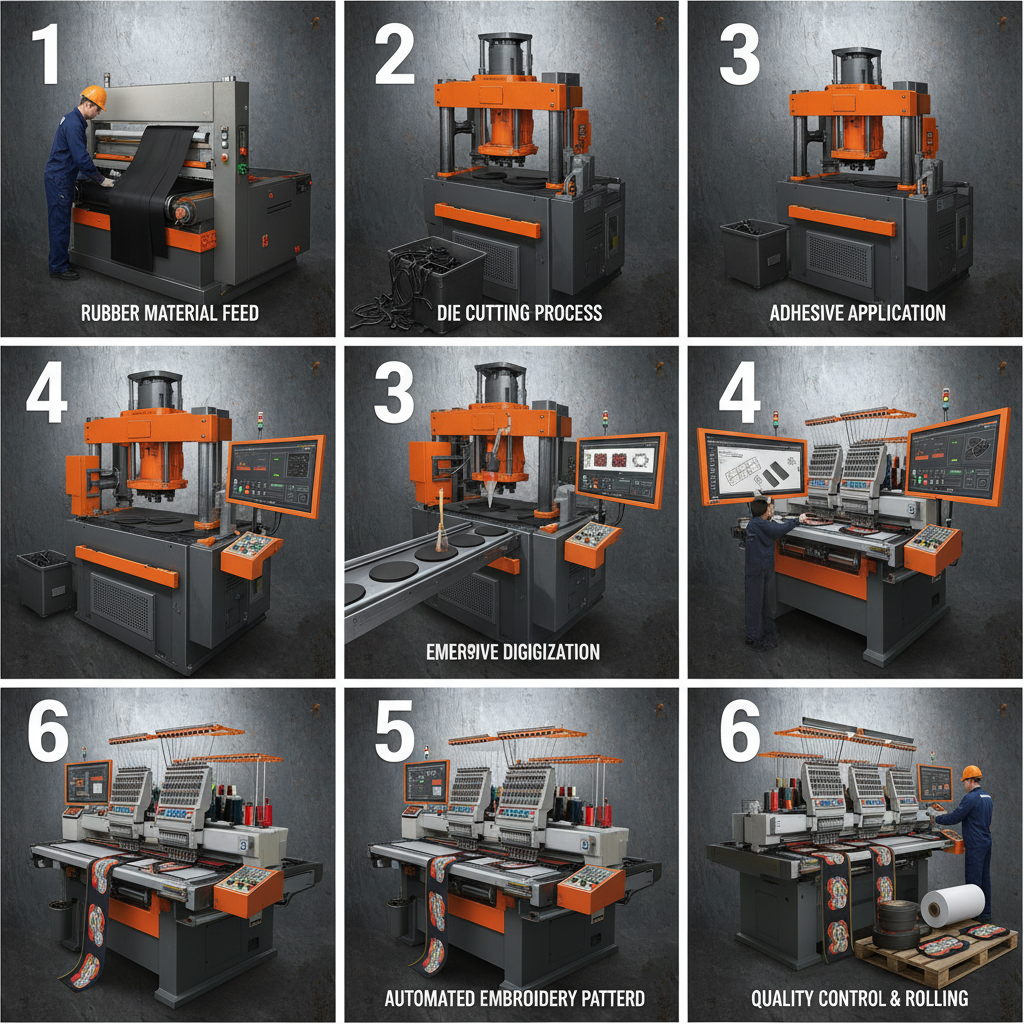
Key Considerations When Choosing Digital Embroidery Factories
Selecting a digital embroidery factory involves more than just finding the lowest price. Several crucial factors influence the success of your project. First, consider the factory’s capacity. Can they handle your current and projected order volumes? Next, assess their embroidery quality – request samples and carefully evaluate stitch density, color accuracy, and overall design execution. Don’t overlook communication; a responsive and clear communication channel is essential for smooth project management. Finally, understand their turnaround times and shipping logistics to ensure timely delivery of your products. These elements collectively define a reliable and efficient manufacturing partnership. XTPFSM offers comprehensive services tailored to diverse requirements.
Key Highlights: Capacity, embroidery quality, communication, turnaround times, and shipping logistics are vital considerations. Prioritize these to ensure a successful and productive partnership.
Understanding Digital Embroidery Capabilities & Factory Specialization
Not all digital embroidery factories are created equal. Some specialize in specific types of garments – like hats, polos, or jackets – while others offer a broader range of capabilities. Understanding these specializations is crucial. Consider the complexity of your designs; some factories are better equipped to handle intricate, multi-color embroidery than others. Inquire about the types of fabrics they commonly work with and their experience with similar projects. A factory with relevant expertise will deliver superior results and minimize potential issues. Look for factories that invest in modern, high-speed embroidery machines for optimal efficiency and quality.
Digital Embroidery Specialization Benefits:
• Higher quality results for specific garment types
• Expertise in handling complex designs
• Efficient production and reduced errors
• Potential cost savings through specialized processes
Digital Embroidery Factories: Cost Comparison and Factors Influencing Pricing
Pricing can vary significantly between digital embroidery factories. Factors influencing cost include stitch count, garment type, design complexity, order quantity, and location of the factory. Generally, higher stitch counts and more intricate designs will result in higher prices. Larger order quantities often qualify for bulk discounts. Factories in certain regions may offer lower labor costs, but this may be offset by higher shipping expenses. It’s essential to obtain quotes from multiple factories and carefully compare their pricing structures. Be wary of exceptionally low prices, as they may indicate compromised quality or unethical labor practices.
Evaluating Quality Control Processes at Digital Embroidery Factories
Robust quality control is paramount when outsourcing to digital embroidery factories. Inquire about their quality control procedures at each stage of the production process – from fabric inspection to final product inspection. Ask about their defect rates and how they handle customer complaints. Requesting samples and conducting thorough inspections is essential. Look for factories that have implemented industry-standard quality control systems, such as ISO certifications. A commitment to quality demonstrates a dedication to customer satisfaction.
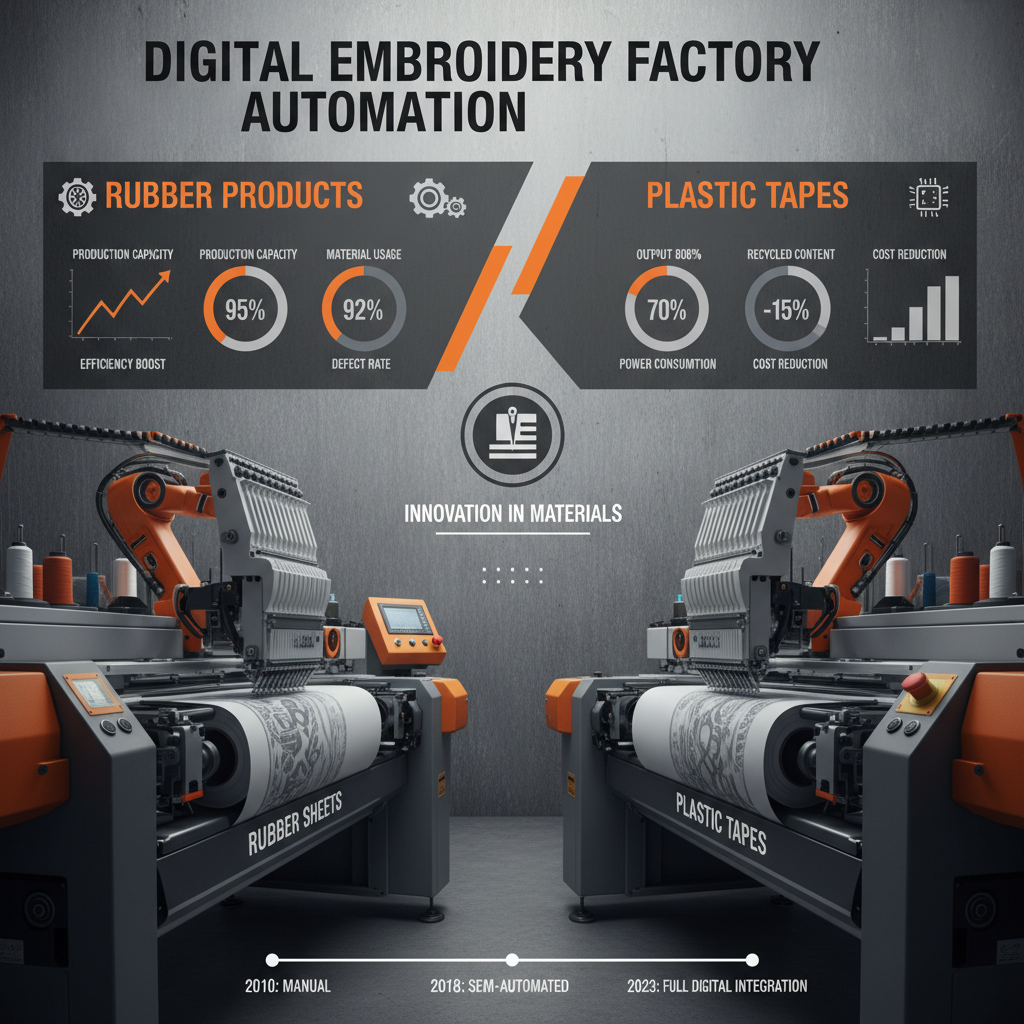
Partnering with XTPFSM: Your Trusted Digital Embroidery Solution
XTPFSM is a leading provider of digital embroidery services, offering a comprehensive range of solutions for businesses of all sizes. We pride ourselves on our commitment to quality, competitive pricing, and exceptional customer service. Our state-of-the-art facilities and experienced team ensure that your projects are executed flawlessly. We specialize in handling complex designs and large-volume orders, delivering consistent results every time. Contact us today to discuss your specific needs and receive a customized quote.
Conclusion: Finding the Perfect Digital Embroidery Partner
Choosing the right digital embroidery factory is a critical decision that impacts the success of your business. By carefully considering factors like capacity, quality, pricing, and communication, you can identify a reliable partner that delivers exceptional results. XTPFSM offers a proven track record of excellence and a commitment to customer satisfaction. Don't settle for less – choose a partner you can trust.
Frequently Asked Questions (FAQs)
What file formats are accepted for embroidery designs?
Most digital embroidery factories prefer vector formats like DST, PES, and EMB. These formats are specifically designed for embroidery machines and ensure accurate stitch conversion. However, some factories may also accept other formats like JPG or PNG, but they will likely require conversion, which could potentially affect the quality of the embroidery. It’s best to check with the factory beforehand to confirm their preferred file formats and any specific requirements for design submission. XTPFSM accepts all major embroidery file formats, and our design team can assist with any necessary conversions.
What is the typical turnaround time for an embroidery order?
Turnaround time varies depending on the complexity of the design, order quantity, and the factory's current workload. Generally, a small order (under 50 pieces) may take 7-10 business days, while larger orders (over 500 pieces) could take 2-4 weeks. It’s essential to discuss turnaround times with the factory upfront and factor them into your project timeline. Factors like rush orders or intricate designs may require longer processing times.
Do factories offer digitizing services?
Yes, many digital embroidery factories offer digitizing services. Digitizing is the process of converting artwork into a format that embroidery machines can read. If you don't have a digitized file, you'll need to have the factory digitize your design for you, which will incur an additional cost. The cost of digitizing varies depending on the complexity of the design. Some factories also offer design cleanup and modification services.
What should I look for in terms of communication with the factory?
Effective communication is crucial for a successful partnership. Look for a factory that is responsive, clear, and proactive in their communication. They should provide regular updates on your order status and be readily available to address any questions or concerns you may have. A dedicated account manager can be highly beneficial for streamlining communication and ensuring a smooth project flow.
Latest news
-
How to Find the Best Computerized Machine Embroidery Suppliers
NewsApr.16,2026
-
Professional Computerized Machine Embroidery Service for Brands
NewsApr.09,2026
-
Selecting The Ideal Computerized Machine Embroidery Factory For Your Business
NewsApr.07,2026
-
Choosing a Reliable Computerized Machine Embroidery Manufacturer for Optimal Results
NewsApr.04,2026
-
Exploring Premier Computerized Embroidery Machine Factories for Quality Production
NewsMar.31,2026
-
Find Your Ideal Computerized Embroidery Machine Supplier with XT PFSM
NewsMar.28,2026

Copyright © 2026 Xingtai Pufa Trading Co., Ltd All Rights Reserved. Sitemap | Privacy Policy | Top Blog