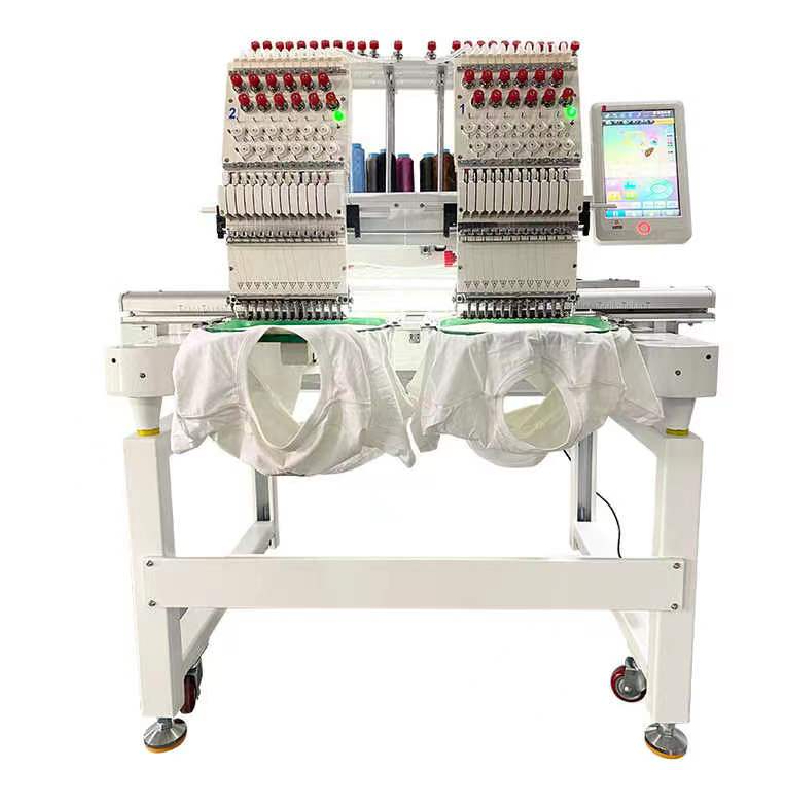
High-Efficiency digital embroidery machine Solutions for Bulgaria

Empowering Bulgarian textile manufacturers with precision engineering and scalable automation for global competitiveness.

The Landscape of Textile Embroidery in Bulgaria

Analyzing the intersection of traditional craftsmanship and industrial digitalization.

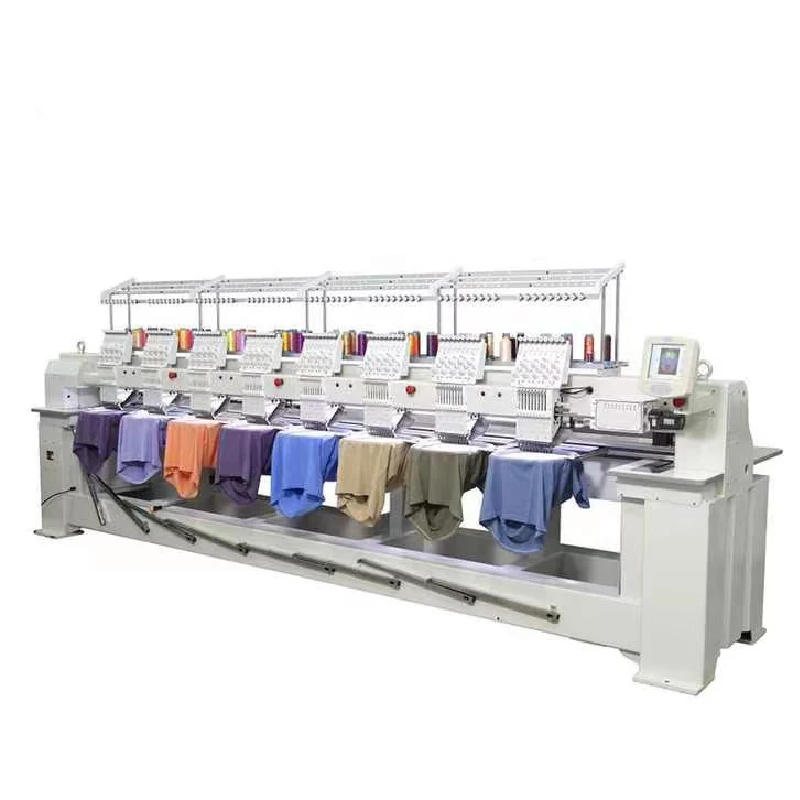
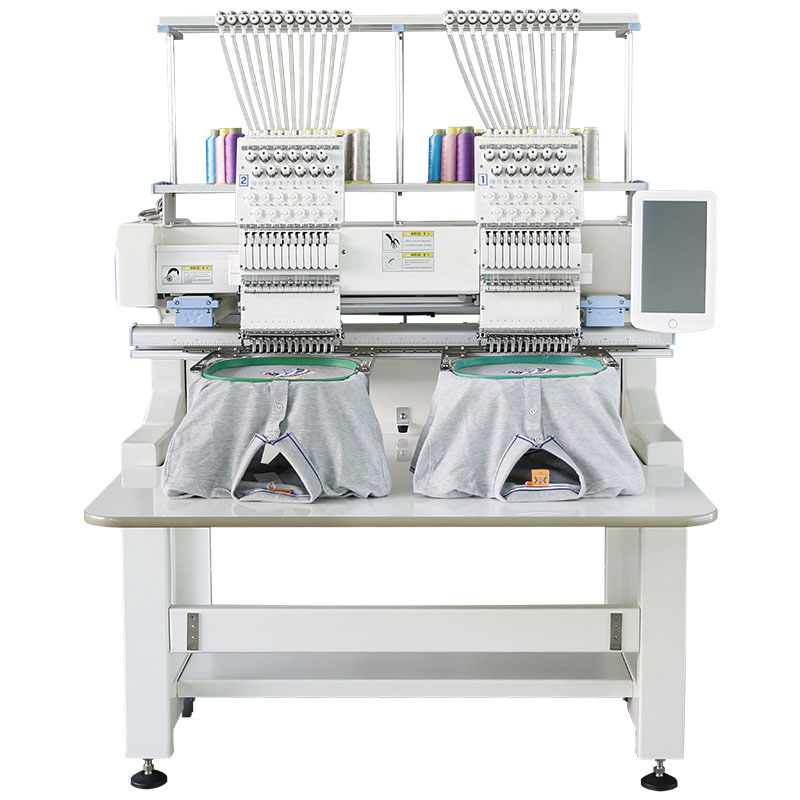
Bulgaria possesses a rich heritage in textile production, historically centered around regional hubs. However, current market demands in Europe require a shift from mass production to high-value, customized apparel. The adoption of a multi head embroidery machine has become essential for local factories to handle bulk orders while maintaining stringent EU quality standards.

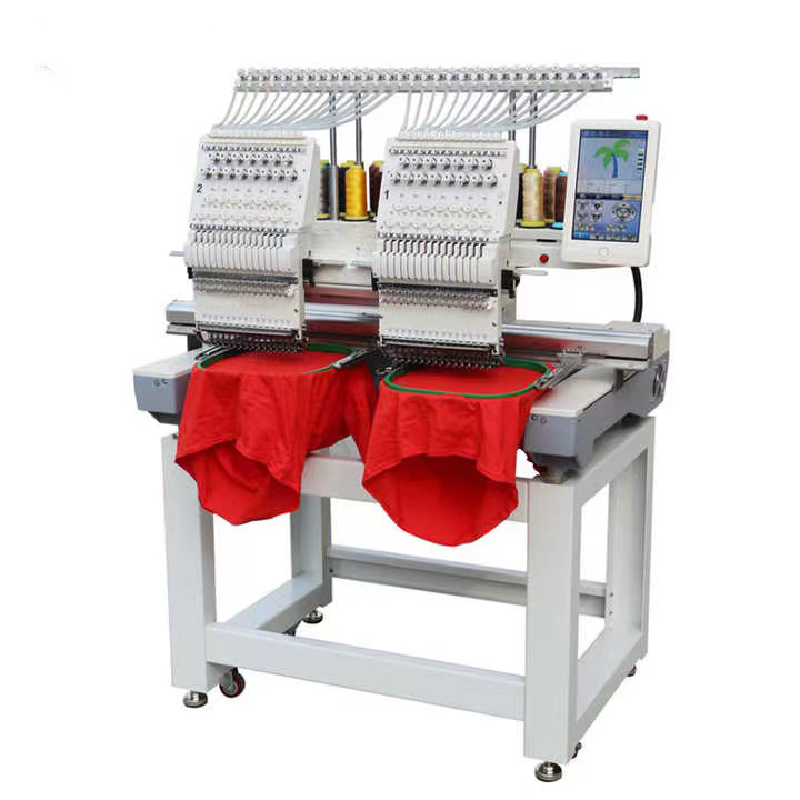
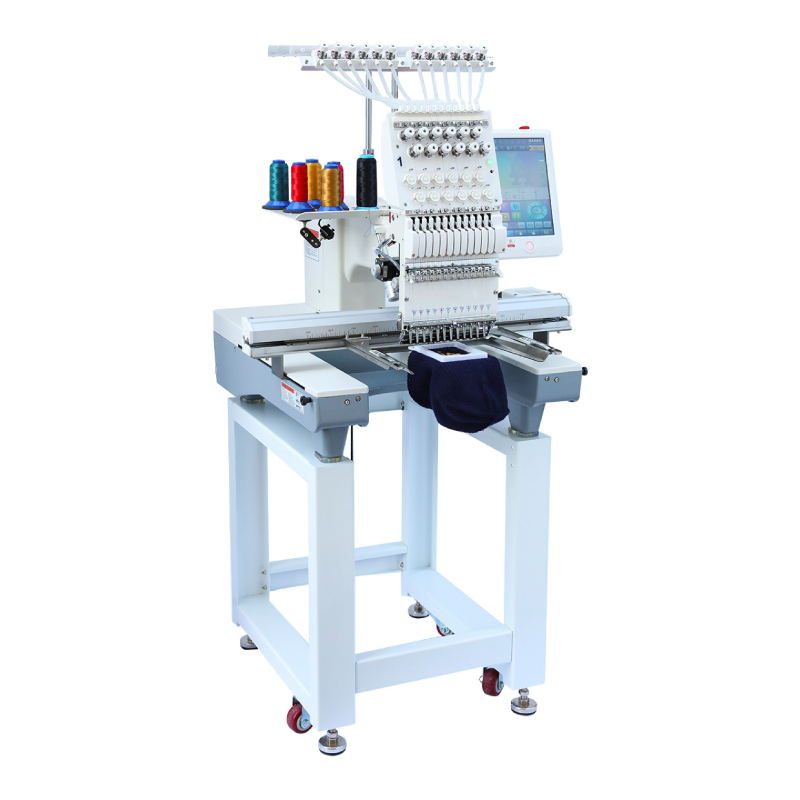
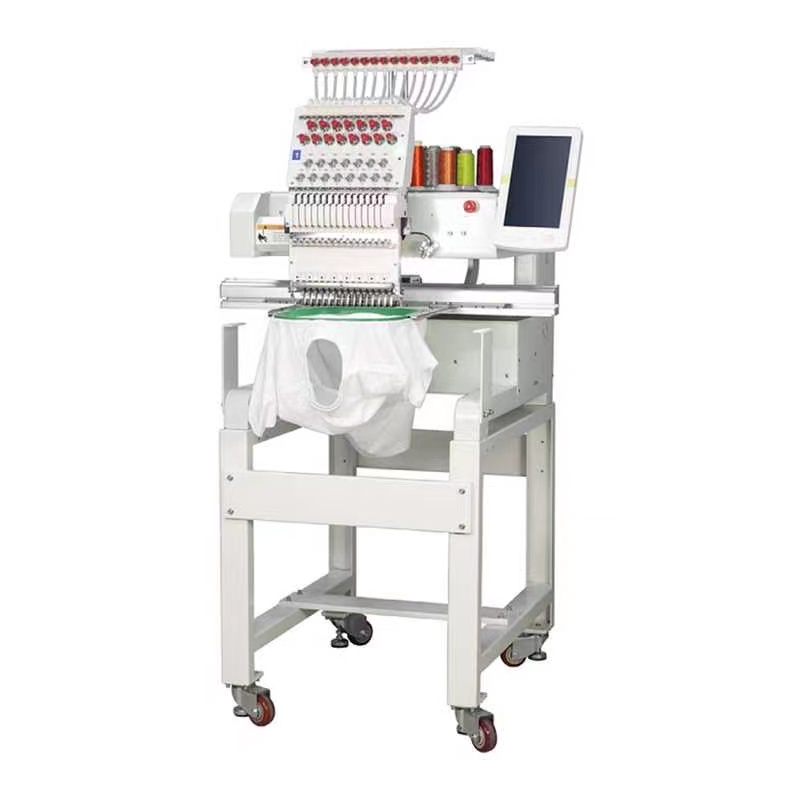
Economically, the Bulgarian market is experiencing a surge in boutique fashion and corporate branding services. This trend has increased the demand for versatile equipment, where an embroidery machine single head allows small ateliers to offer bespoke services without the overhead of massive industrial lines.

Climate and geography also play a role; the stable industrial zones in Sofia and Plovdiv are now integrating smart manufacturing. The transition toward a digital embroidery machine is no longer a luxury but a necessity to reduce labor costs and minimize material waste in a competitive European trade environment.
Evolution and Trajectory of Bulgarian Embroidery Technology

From manual looms to AI-driven precision stitching.

Market Development History

In the late 20th century, Bulgaria relied heavily on mechanical, semi-automated systems. The primary focus was on standardized textile outputs with limited design variance, where manual adjustments were the norm for every new pattern.

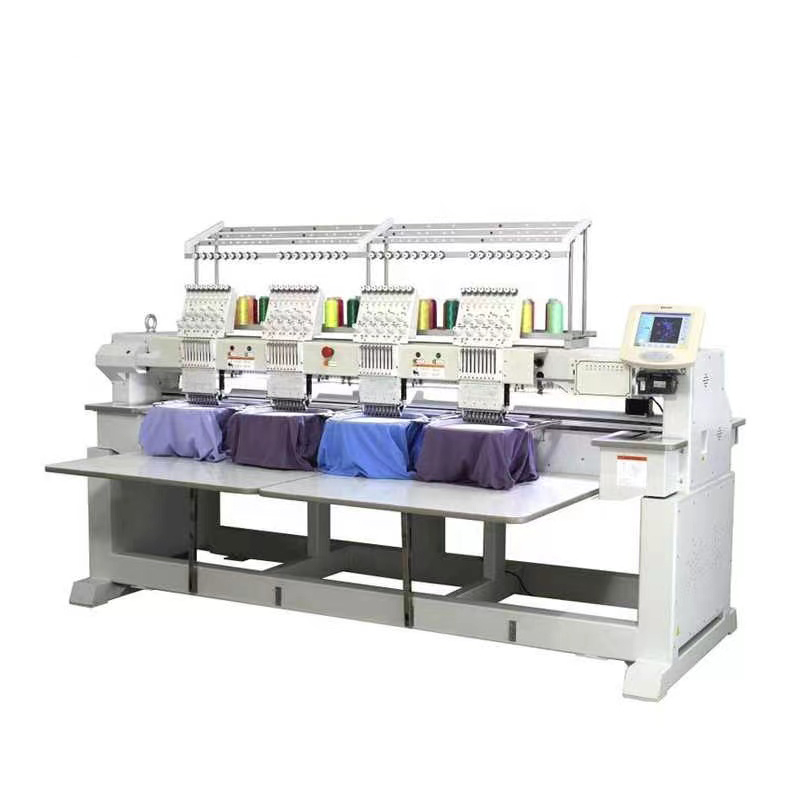
Between 2005 and 2015, the industry saw the first major wave of digitalization. The introduction of the 4 head embroidery machine allowed medium-sized enterprises to scale their output significantly, bridging the gap between artisan work and industrial mass production.

From 2016 to the present, the focus has shifted toward specialized niches. The rise of athletic wear and promotional merchandise led to the widespread integration of the cap embroidery machine, enabling precise curved-surface stitching that was previously labor-intensive.

Future Development Trends

IIoT Integration

Predictive maintenance and remote monitoring will become standard, allowing Bulgarian plant managers to track stitch counts and thread breaks in real-time via cloud platforms.

Sustainable Threading Systems

There is a growing shift toward biodegradable threads and energy-efficient motors to comply with the EU Green Deal and reduce the carbon footprint of textile mills.

AI-Driven Design Optimization

Future systems will automatically optimize stitch paths to reduce production time and thread consumption, maximizing the ROI of every machine head.

Future Trends and Strategic Outlook

Forecasting the next 3-5 years of specialized equipment evolution.

Hyper-Personalization
Demand for "On-Demand" embroidery will drive the growth of small-footprint, high-speed digital units.
Automatic Material Handling
Integration of robotic arms for fabric loading to minimize human error and increase 24/7 uptime.
Eco-Friendly Powering
Low-voltage servo motors that reduce electricity consumption by 30% in industrial clusters.
Smart Fabric Sensing
Sensors that automatically adjust tension based on the fabric thickness (silk vs. denim).

Industry Outlook

Based on search trends and industrial data, Bulgaria is moving toward a "Hybrid Production" model. This involves combining the high-volume capability of multi head embroidery machine systems with the agility of single-head units for sampling.

The convergence of e-commerce and local manufacturing will likely lead to a decentralized production network, where small hubs across Bulgaria provide rapid turnaround for customized textiles.

Localized Application Scenarios in Bulgaria

Practical implementations of embroidery technology across various sectors.

1. Sofia Corporate Branding Hubs

Fast-paced agencies utilizing a 4 head embroidery machine to produce corporate polos and uniforms for the growing IT and BPO sectors in the capital.

2. Plovdiv Fashion Ateliers

Designer studios implementing an embroidery machine single head to create limited edition high-fashion garments with intricate ethnic Bulgarian motifs.

3. Varna Maritime Apparel Production

Specialized workshops using a cap embroidery machine to brand sailing caps and weather-resistant gear for the Black Sea shipping industry.

4. Regional Hotel & Tourism Linen

Hospitality suppliers using multi head embroidery machine units to efficiently brand towels and linens for resorts in Bansko and Sunny Beach.

5. Industrial Safety Wear Manufacturers

Factories employing digital embroidery machine systems to add reflective logos and safety identifications on heavy-duty workwear.

Brand Story

Global Development Journey of Xingtai Pufa Commercial and Trading Co., Ltd.

Founding Vision

Established with the goal of bridging the gap between complex textile engineering and user-friendly operational interfaces for small businesses.

Technological Breakthrough

Developing proprietary synchronization algorithms that reduced thread breakage by 25% in high-speed industrial environments.

European Expansion

Strategically entering the EU market, focusing on providing robust after-sales support and localized training for Bulgarian technicians.

Quality Certification

Achieving international safety and efficiency certifications, ensuring all machinery meets the strict environmental standards of Europe.

Future Commitment

Dedicated to evolving toward AI-driven automation to solve the global shortage of skilled textile operators.

Frequently Asked Questions in Bulgaria

Expert answers to common technical and commercial queries.

How do I choose between a 4 head embroidery machine and a multi head system?

The choice depends on your volume. A 4 head machine is ideal for medium-sized batches and boutique orders, while multi head systems are designed for industrial-scale production with maximum throughput.

Can a cap embroidery machine handle different head shapes?

Yes, our machines feature adjustable cap frames that accommodate various structured and unstructured caps, ensuring precision stitching across the crown.

What are the advantages of a digital embroidery machine over traditional ones?

Digital machines offer precision control, the ability to import complex patterns via USB/Network, and significantly faster setup times for different designs.

Is an embroidery machine single head suitable for a home-based business in Bulgaria?

Absolutely. Single head machines have a smaller footprint and lower power consumption, making them perfect for startups and personalized gift businesses.

How is maintenance handled for multi head embroidery machines in the EU?

We provide detailed digital manuals and support remote diagnostics. For Bulgarian clients, we recommend a quarterly lubrication and calibration schedule.

What software is compatible with these digital systems?

Our systems are compatible with most industry-standard design software, allowing for seamless conversion of vector art into stitch files.

Request a Custom Technical Consultation

Our experts are ready to help you optimize your production line in Bulgaria. Get a tailored quote for your specific embroidery needs.

Contact Us Now

If you are interested in our products, you can choose to leave your information here, and we will be in touch with you shortly.