High-Efficiency digital embroidery machine Solutions for Greece

Empowering Greek textile artisans and industrial manufacturers with precision automation and scalable embroidery technology.

The Landscape of Textile Machinery in Greece

Analyzing the intersection of traditional Hellenic craftsmanship and modern industrial automation.

Greece possesses a rich history of textile arts, but the modern market is currently shifting toward specialized, small-batch customization. With the rise of boutique fashion in Athens and Thessaloniki, there is an increasing demand for versatile equipment like the cap embroidery machine to cater to the growing tourism and sportswear sectors.

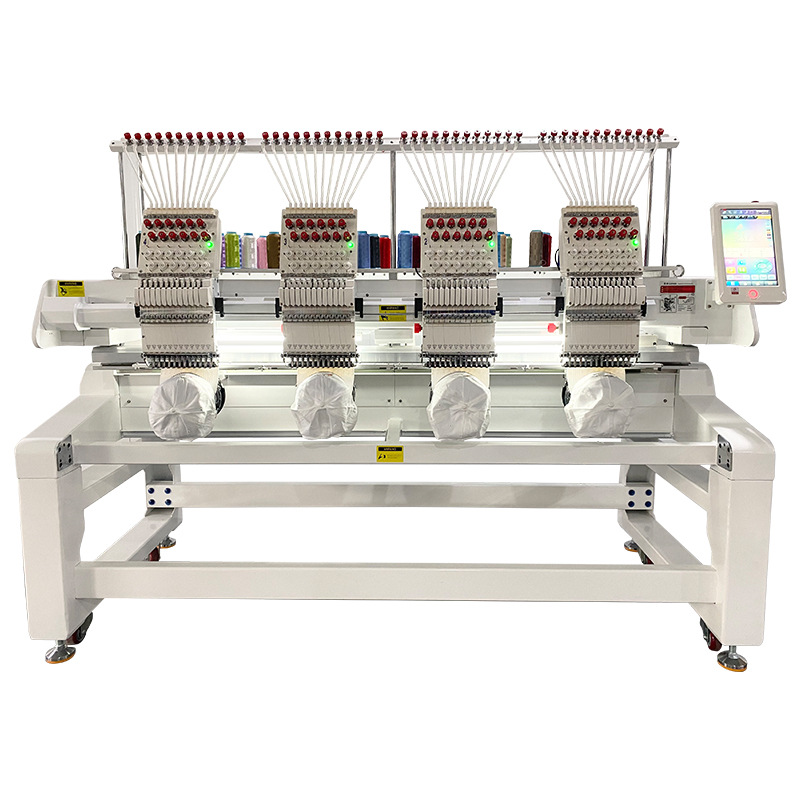
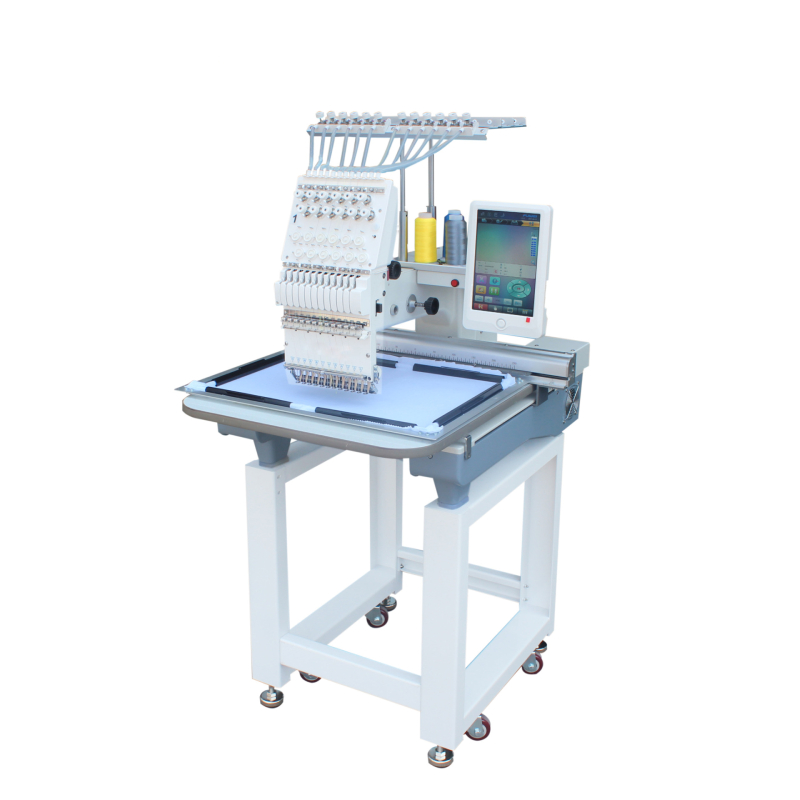
The economic climate in Greece favors agile manufacturing. Many local workshops are transitioning from manual labor to semi-automated systems. The adoption of a 4 head embroidery machine allows these businesses to scale their production without requiring massive floor space, fitting the urban layout of Greek commercial districts.

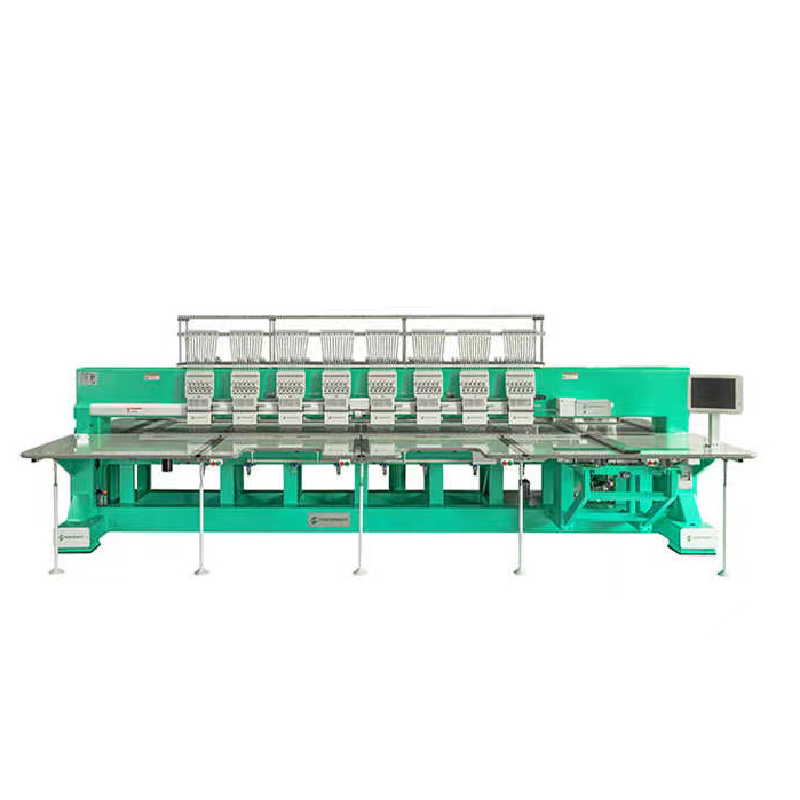
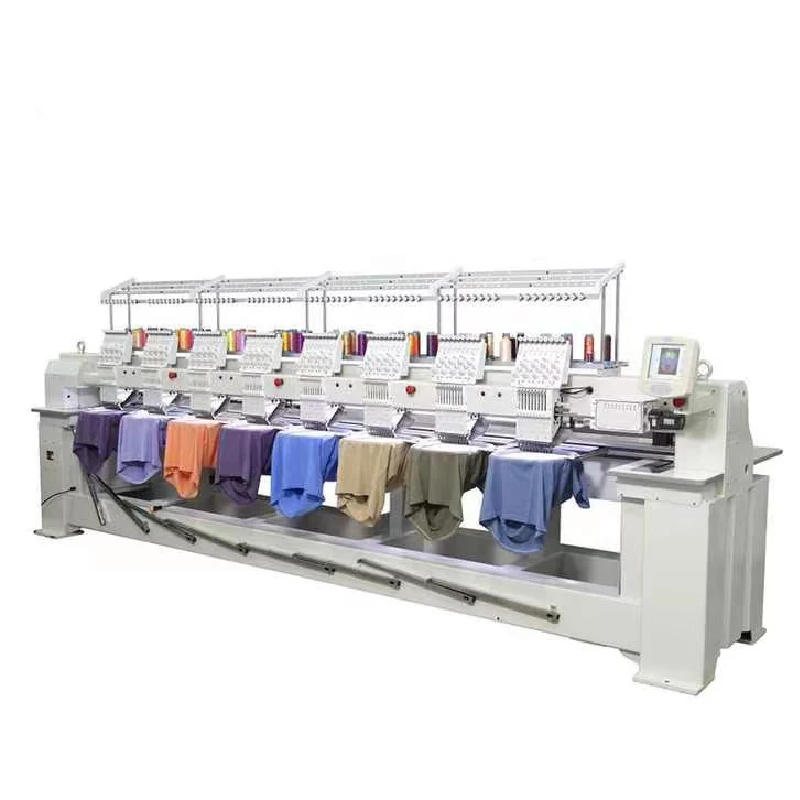
Environmental regulations in the EU and Greece are pushing manufacturers toward energy-efficient hardware. Consequently, there is a significant move toward high-precision multi head embroidery machine systems that reduce thread waste and power consumption while increasing hourly output.
Evolution of Embroidery Technology in Greece

From traditional needlework to the era of intelligent digital fabrication.

Market Development History

Prior to the 1990s, the Greek textile industry relied heavily on manual craftsmanship and basic mechanical looms. Embroidery was an art form primarily used for traditional costumes and high-end religious garments, characterized by slow production speeds and high labor costs.

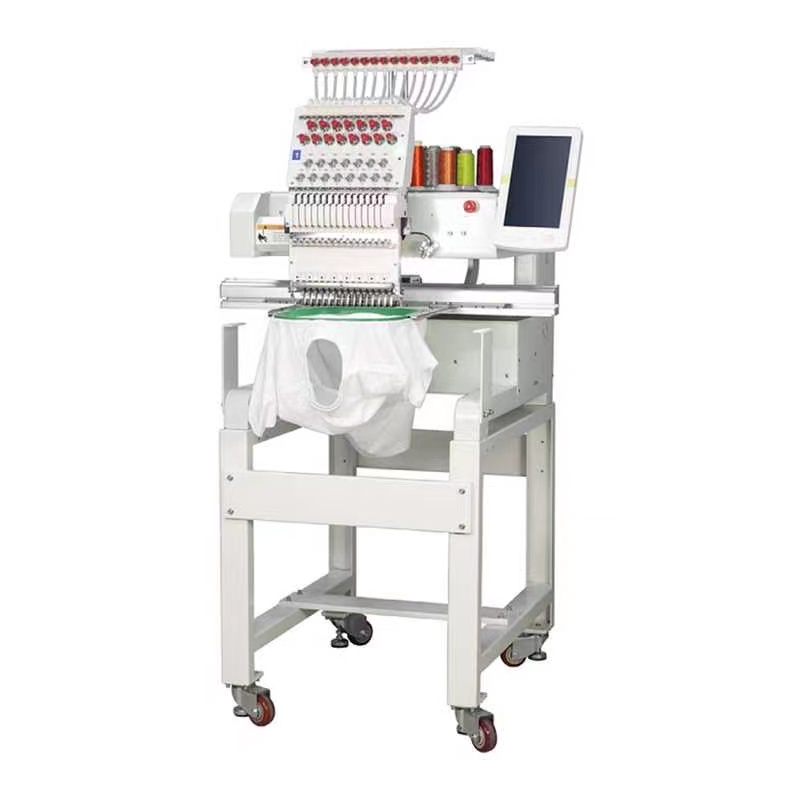
Between 2000 and 2015, the first wave of digitalization arrived. The introduction of basic CNC controllers allowed local shops to implement the first embroidery machine single head units, enabling the digitalization of patterns and the beginning of the commercial "logo" industry.

From 2016 to the present, the industry has entered the "Smart Manufacturing" phase. Integration with cloud-based design software and the widespread use of high-speed multi-head systems have transformed Greek workshops into competitive regional exporters of embroidered apparel.

Future Development Trends

AI-Driven Pattern Optimization

We expect Google search trends for "intelligent stitching" to rise as AI begins to automatically optimize thread paths to reduce production time in Greece.

Sustainable Thread Integration

The shift toward biodegradable and recycled threads will require machines with refined tension controls to handle varied material properties.

Hyper-Personalization On-Demand

The growth of e-commerce in Europe is driving the demand for "Print-on-Demand" style embroidery, favoring smaller, faster digital units.

Industry Trends and Future Outlook

Strategic directions for the next 3-5 years in the Greek textile machinery sector.

Modular Scalability
Transitioning from single-head to multi head embroidery machine configurations as business volume grows.
IoT Connectivity
Remote monitoring and cloud-based design uploads to optimize workflow efficiency.
Energy Efficiency
New servo-motor technology reducing electricity costs in line with Greek energy policies.
Material Versatility
Expanded ability to embroider on leather, neoprene, and technical fabrics used in nautical gear.

Industry Outlook

Based on Google search volume trends in the Mediterranean region, the demand for specialized apparel is pivoting toward "Eco-Luxury." This means Greek manufacturers will need machines that can handle organic fabrics without compromising stitch precision.

We anticipate a 15% annual growth in the adoption of automated embroidery systems in Greece as the local economy stabilizes and the tourism-driven fashion sector expands its domestic production capabilities.

Localized Application Scenarios in Greece

How our embroidery solutions integrate into the specific needs of the Greek market.

1. Boutique Fashion Houses in Athens

Using an embroidery machine single head to create unique, limited-edition pieces for high-end runway collections, emphasizing artisanal quality with digital precision.

2. Tourism Merchandise Production

Implementing a cap embroidery machine to produce high-volume, branded headwear for souvenir shops in Santorini and Mykonos during the peak summer season.

3. Industrial Workwear for Shipping

Utilizing a 4 head embroidery machine to efficiently add corporate logos to durable uniforms for the Piraeus port authority and shipping companies.

4. Traditional Costume Preservation

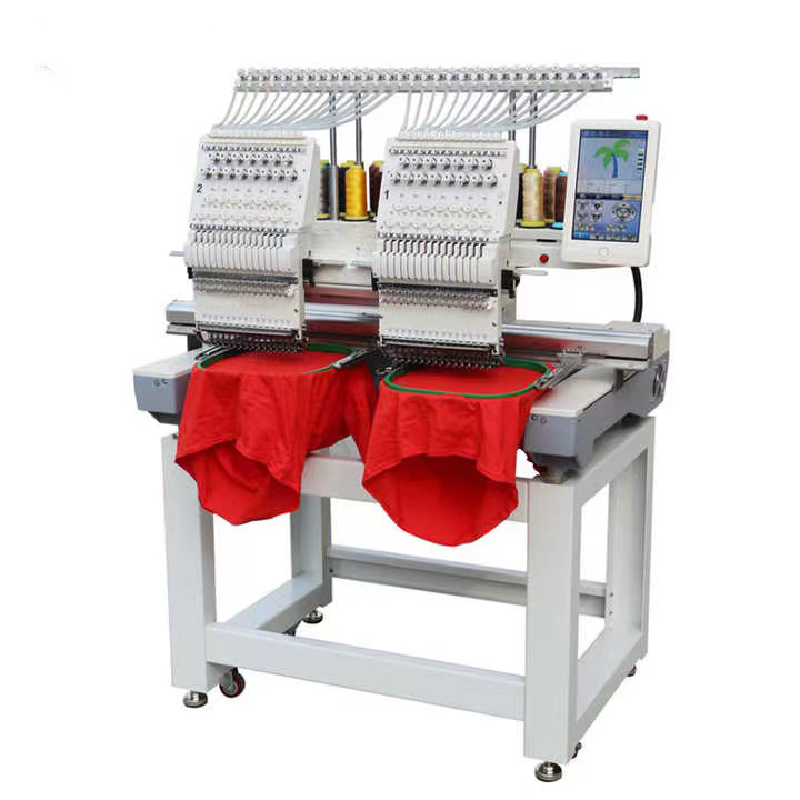
Employing a digital embroidery machine to replicate complex traditional Greek folk patterns, preserving cultural heritage while increasing production speed.

5. Mass-Market Sportswear Manufacturers

Scaling up with a multi head embroidery machine to meet the demands of national sports clubs and athletic apparel distributors across the country.

Brand Story

Global Development Journey of Xingtai Pufa Trading Co., Ltd.

The Foundation of Precision

Starting as a specialized component supplier, we focused on the core mechanics of textile machinery to ensure every stitch was perfect.

Digital Transformation

We integrated advanced software into our hardware, evolving from mechanical looms to fully automated digital embroidery systems.

European Expansion

Recognizing the need for precision in Europe, we tailored our machines to meet EU energy standards and Greek artisan requirements.

Customer-Centric Innovation

We solved the pain point of "complex setup" by developing an intuitive interface that allows non-technical users to operate multi-head systems.

Global Leadership

Today, we stand as a leading provider of specialized equipment, merging industrial power with the delicacy of textile art.

Common Questions from Greek Textile Professionals

Expert answers to technical and operational queries regarding embroidery automation.

How do I choose between a 4 head embroidery machine and a multi head system for my Greek workshop?

The choice depends on your volume. A 4-head machine is ideal for small-to-medium businesses needing a balance of speed and space, while larger multi-head systems are for industrial exporters focusing on mass production.

Is a digital embroidery machine suitable for traditional Greek folk patterns?

Yes, digital machines can scan and replicate intricate traditional designs with 100% accuracy, significantly reducing the labor time required for cultural heritage garments.

What are the benefits of a cap embroidery machine for the Greek tourism sector?

Cap machines allow for precise stitching on curved surfaces, enabling tourism businesses to create professional, high-margin branded merchandise for visitors.

Can an embroidery machine single head handle heavy fabrics like nautical canvas?

Our professional single-head models are equipped with high-torque motors and adjustable presser feet specifically designed to penetrate heavy industrial fabrics.

How does power fluctuation in some Greek regions affect machine performance?

Our machines include integrated voltage stabilization and surge protection to ensure consistent stitch quality regardless of local power grid stability.

What is the typical maintenance cycle for industrial embroidery equipment in Greece?

We recommend a basic lubrication cycle every 500 hours of operation and a professional calibration once a year to maintain high precision.

Ready to Upgrade Your Production?

Our experts are ready to provide customized machinery consulting for businesses across Greece.

Contact Us Now
Contact Us
  • Read More About professional embroidery machine
  • Read More About professional embroidery machine
  • Read More About computer embroidery machine
  • ins
  • Pinterest
Inquiry For Pricelist

If you are interested in our products, you can choose to leave your information here, and we will be in touch with you shortly.