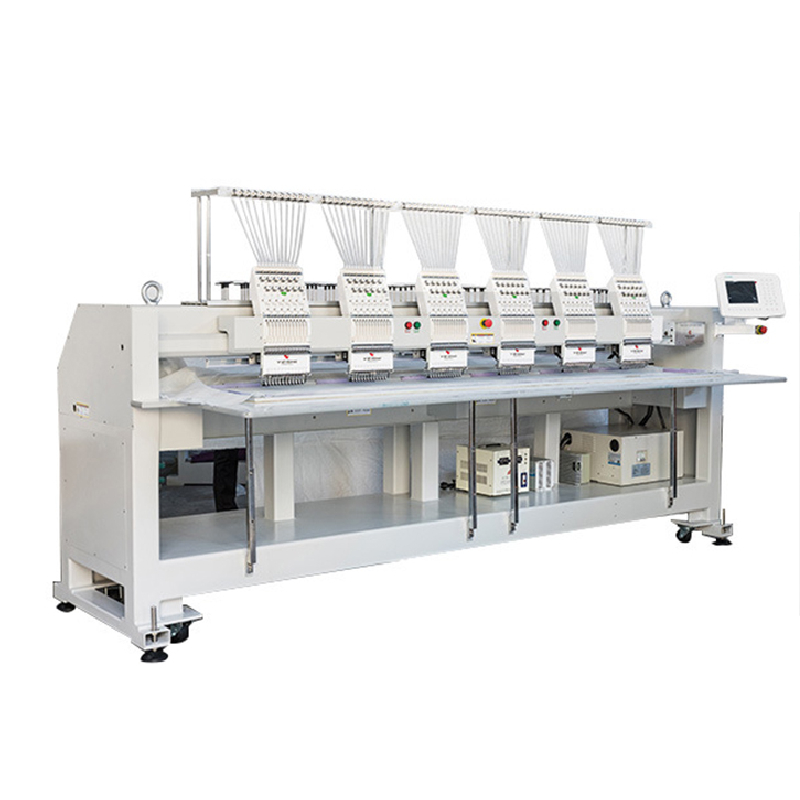
High-Efficiency digital embroidery machine Solutions for Venezuela's Textile Industry

Empowering Venezuelan garment manufacturers with precision engineering and scalable automation to compete in the global textile market.

Analyzing the Textile Machinery Landscape in Venezuela

Understanding the intersection of economic challenges and the demand for specialized equipment.

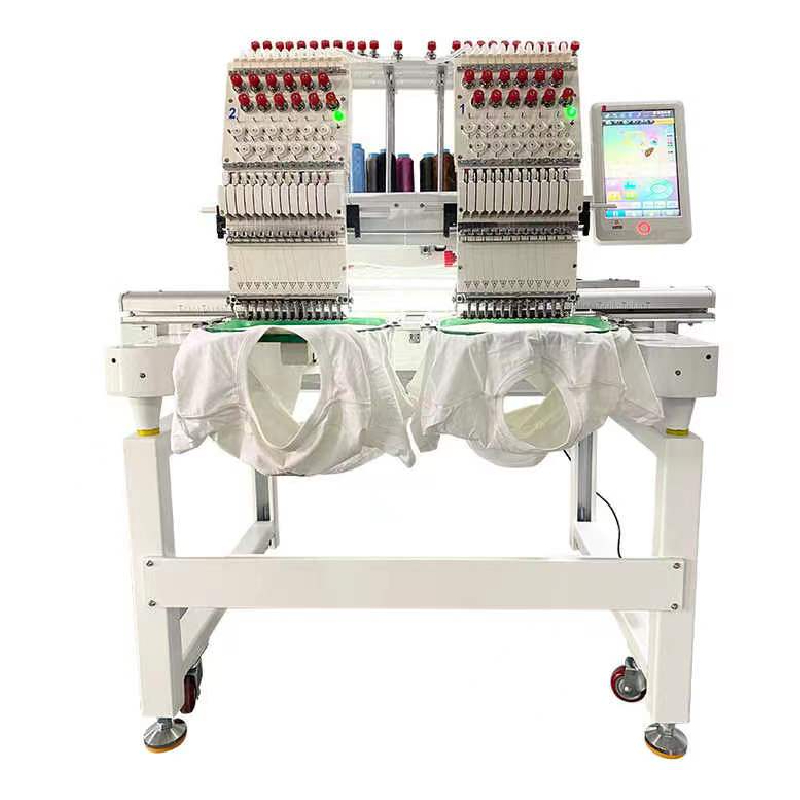
The textile sector in Venezuela currently faces a unique duality. While economic volatility has impacted raw material imports, there is a growing resurgence in local small-to-medium enterprises (SMEs) attempting to reduce dependence on foreign apparel. This shift has created a surge in demand for versatile equipment like the embroidery machine single head for custom boutiques and artisanal workshops.

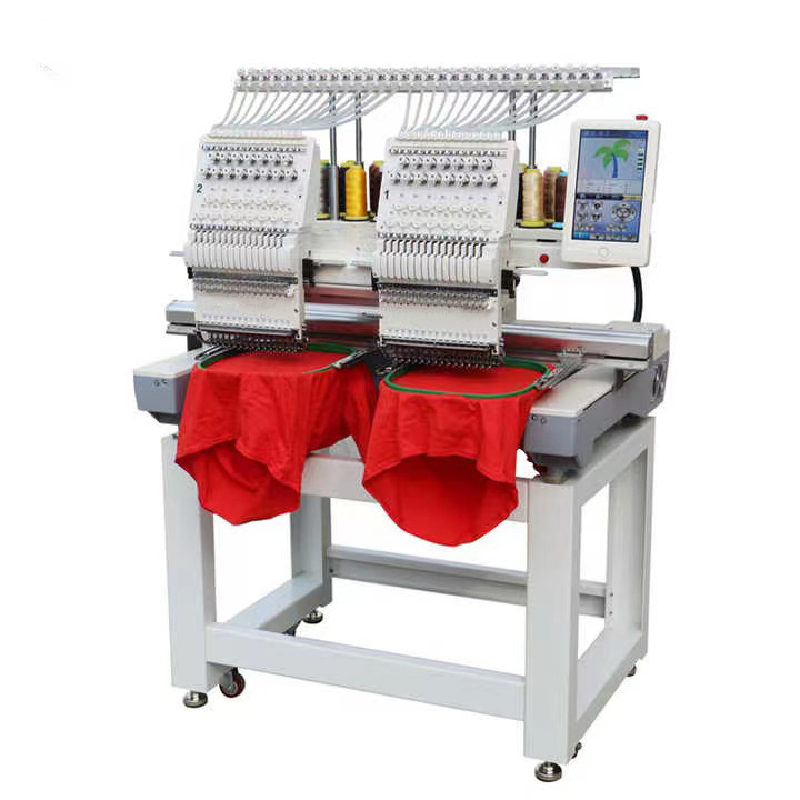
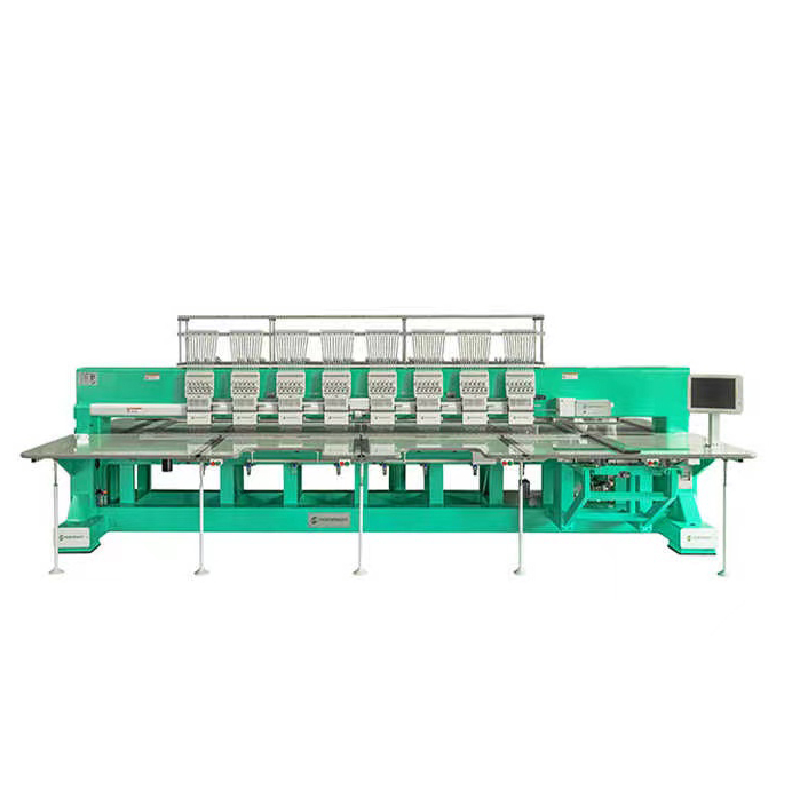
Geographically, the humid climate in coastal regions of Venezuela requires machinery with superior corrosion resistance and stable electrical components. Local manufacturers are increasingly seeking multi head embroidery machine systems that can maintain consistent tension and stitch quality despite environmental fluctuations, ensuring that export-grade garments meet international standards.

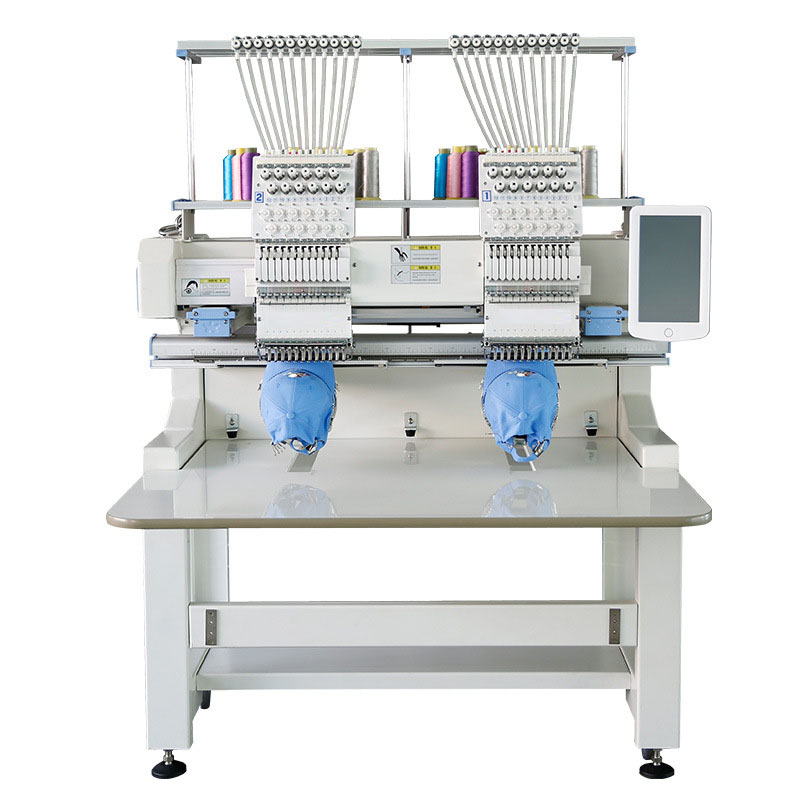
Furthermore, the Venezuelan market is transitioning from manual labor to semi-automated processes. The adoption of specialized tools such as the cap embroidery machine reflects a growing trend in corporate branding and sports apparel production within cities like Caracas and Valencia, where rapid turnaround times are critical for business survival.
Technological Evolution of Embroidery in South America

From traditional mechanical looms to AI-driven digital precision.

Market Development History

In the late 20th century, Venezuela's textile industry relied heavily on mechanical single-needle machines and imported European hardware. Production was slow, and design changes required manual re-tooling, limiting the capacity for mass customization.

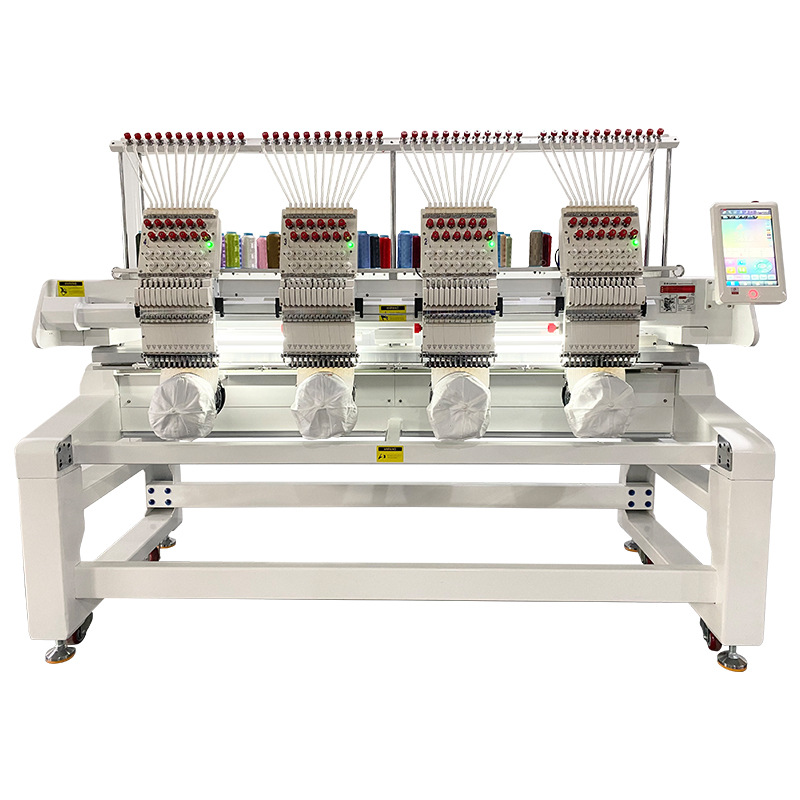
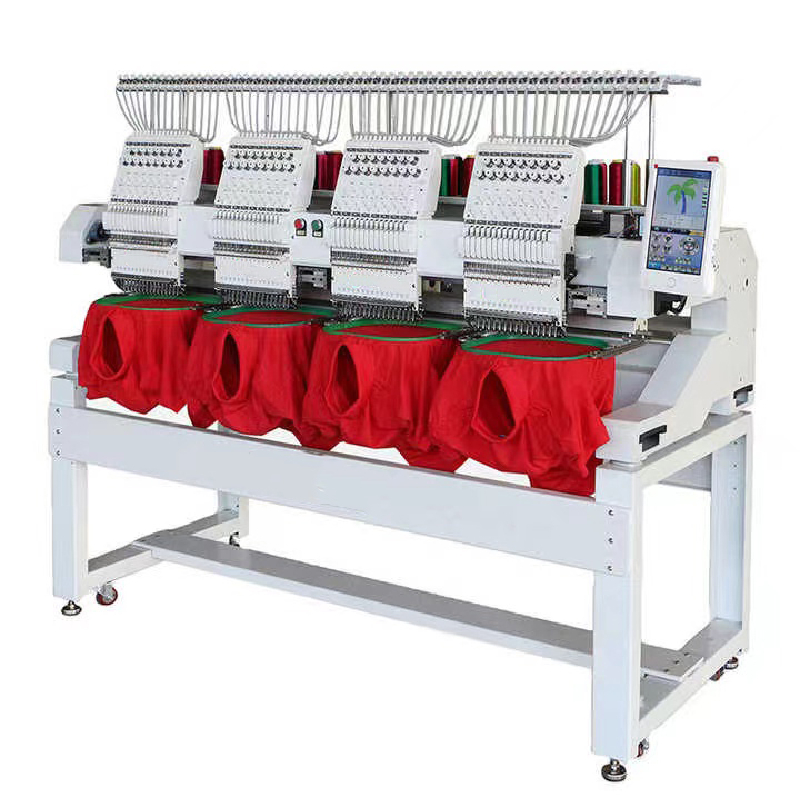
By the 2010s, the introduction of early computerized systems allowed for basic pattern automation. The shift toward the 4 head embroidery machine became a turning point for mid-sized factories, enabling them to quadruple their output without a linear increase in floor space.

Today, the industry has entered the era of "Smart Manufacturing." The integration of cloud-based design software and high-speed servos has made the modern digital system the standard for any competitive textile operation in the region.

Future Development Trends

IoT-Integrated Monitoring

Future systems will likely feature remote diagnostics, allowing Venezuelan technicians to troubleshoot hardware via the cloud, reducing downtime caused by a lack of local specialized parts.

Sustainable Power Adaptation

Given the local energy challenges, there is a clear trend toward energy-efficient motors and machines that can operate with stabilized voltage regulators to prevent board failures.

Hyper-Customization Logic

Google search trends indicate a rise in "on-demand" fashion. This will drive the demand for flexible, interchangeable heads that can switch between flat and cap embroidery seamlessly.

Industry Trends and Strategic Outlook

Navigating the future of textile automation in the Venezuelan market.

Modular Scaling
Transitioning from single-head to multi-head configurations as business volume grows.
Energy Optimization
Implementation of low-wattage servo drives to mitigate power instability risks.
Rapid Prototyping
Reducing design-to-stitch time via advanced USB and Wi-Fi pattern transfers.
Eco-Friendly Threads
Adapting machinery to handle organic and recycled threads for the global export market.

Industry Outlook

The trajectory for Venezuela's textile industry points toward a specialized, high-value niche market. Rather than competing on raw volume with Asian giants, local shops are leveraging the flexibility of digital machinery to offer high-end, bespoke embroidery for regional luxury brands.

We expect the next 3-5 years to see a significant increase in the adoption of multi-functional machines that can handle diverse materials—from delicate silk to heavy industrial denim—facilitating a more resilient and diversified textile economy.

Local Application Scenarios in Venezuela

How our technology solves real-world production challenges in the region.

01. Corporate Identity Branding in Caracas

Using the multi head embroidery machine to produce thousands of unified staff uniforms for the burgeoning service sector, ensuring identical logo precision across all garments.

02. Artisanal Fashion Houses in Mérida

Implementing the embroidery machine single head for high-detail, limited-edition traditional Venezuelan clothing, combining ancestral motifs with modern digital precision.

03. Sports Apparel Startups in Valencia

Utilizing the cap embroidery machine to enter the lucrative sports accessories market, providing high-speed customization for local baseball and football clubs.

04. Mid-Sized Garment Factories

Deploying the 4 head embroidery machine as a bridge between prototyping and mass production, allowing for efficient batch processing of seasonal fashion lines.

05. Industrial Workwear Suppliers

Applying heavy-duty digital embroidery to reinforced fabrics for the oil and gas sector, ensuring safety insignias are durable and clearly visible under harsh field conditions.

Brand Story

Global Development History of Xingtai Pufa Commercial and Trading Co., Ltd.

Foundational Excellence

Established with a vision to democratize industrial embroidery, we began by perfecting the core mechanics of high-speed stitching.

Digital Transformation

We pivoted from purely mechanical systems to integrated digital controllers, reducing user error and increasing design flexibility.

Global Market Expansion

Expanding into South America, we tailored our machinery to withstand diverse climates and electrical environments, including Venezuela.

Technological Leadership

Invested heavily in R&D to create the most stable multi-head systems, focusing on vibration reduction and thread-break detection.

Sustainable Future

Now committed to energy-efficient manufacturing, helping our global clients reduce their carbon footprint while increasing profit.

Common Questions for Venezuelan Textile Operators

Expert answers to the most pressing technical and logistical concerns.

How do I maintain a digital embroidery machine in humid coastal areas of Venezuela?

We recommend using industrial dehumidifiers in the production room and applying specialized anti-corrosion lubricants to the needle bar and hook assemblies every 50 operating hours.

Is a 4 head embroidery machine suitable for a startup garment business?

Yes, it is the ideal middle-ground. It provides significantly more output than a single head while remaining compact enough for small workshops and easier to manage for a small staff.

Can the cap embroidery machine handle thick canvas fabrics?

Our machines feature adjustable presser foot pressure and high-torque motors specifically designed to penetrate heavy canvas and reinforced polyester used in industrial caps.

What is the advantage of a multi head embroidery machine over multiple single heads?

Consistency is key. A multi-head system ensures that every single garment is stitched with identical tension and timing, which is impossible to replicate perfectly across several independent machines.

How do I handle voltage fluctuations with an embroidery machine single head?

We strongly advise using a dedicated Automatic Voltage Regulator (AVR) or a UPS system to protect the sensitive motherboard and servo motors from power surges common in local grids.

What software is compatible with your digital embroidery systems?

Our machines are compatible with all major industry-standard formats (like .DST and .PES), allowing you to use professional design software for complex pattern creation.

Ready to Upgrade Your Production?

Contact our specialists today for customized shipping and installation plans specifically for your business in Venezuela.

Contact Us Now

If you are interested in our products, you can choose to leave your information here, and we will be in touch with you shortly.