High-Precision digital embroidery machine Solutions for Australia

Empowering Australian textile businesses with advanced automation, precision stitching, and scalable production capacities for the modern apparel market.

Current State of Textile Equipment in Australia

Analyzing the operational landscape of the Australian embroidery sector.

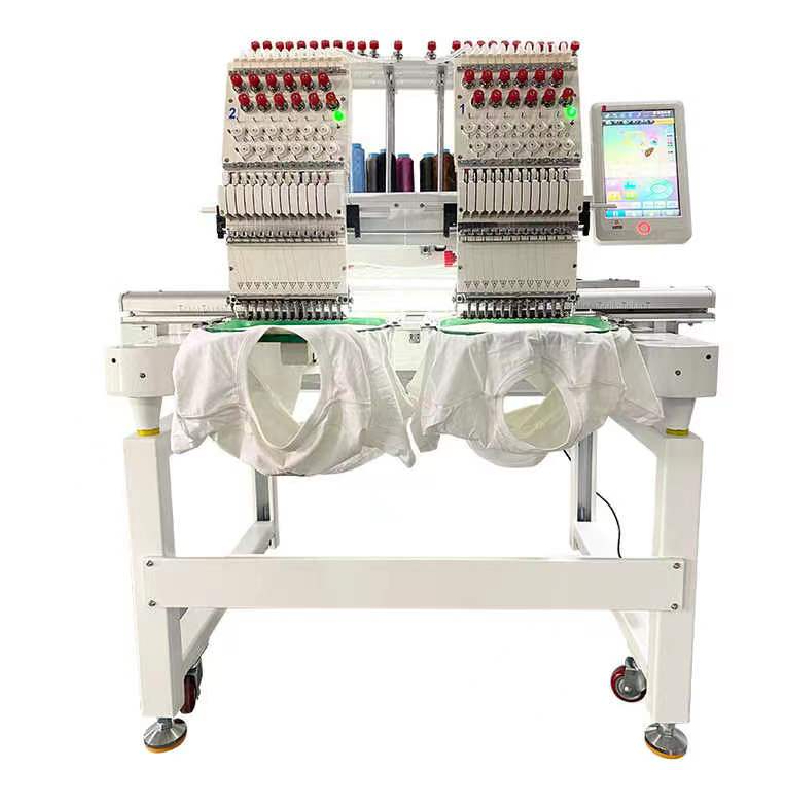
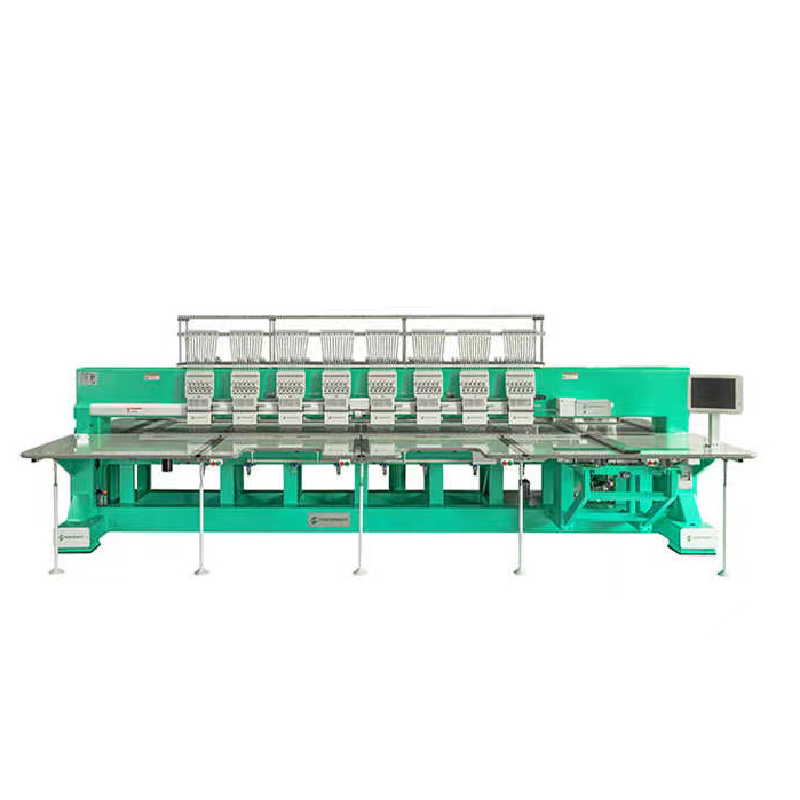
The Australian market is characterized by a strong demand for high-quality, small-batch customized apparel. Due to high labor costs in Oceania, there is a significant shift toward adopting a multi head embroidery machine to maximize throughput while minimizing manual intervention.

Environmental factors, including the diverse climatic zones from tropical North Queensland to temperate Victoria, necessitate equipment that can handle various fabric weights—from lightweight summer linens to heavy-duty winter wools—without losing tension consistency.

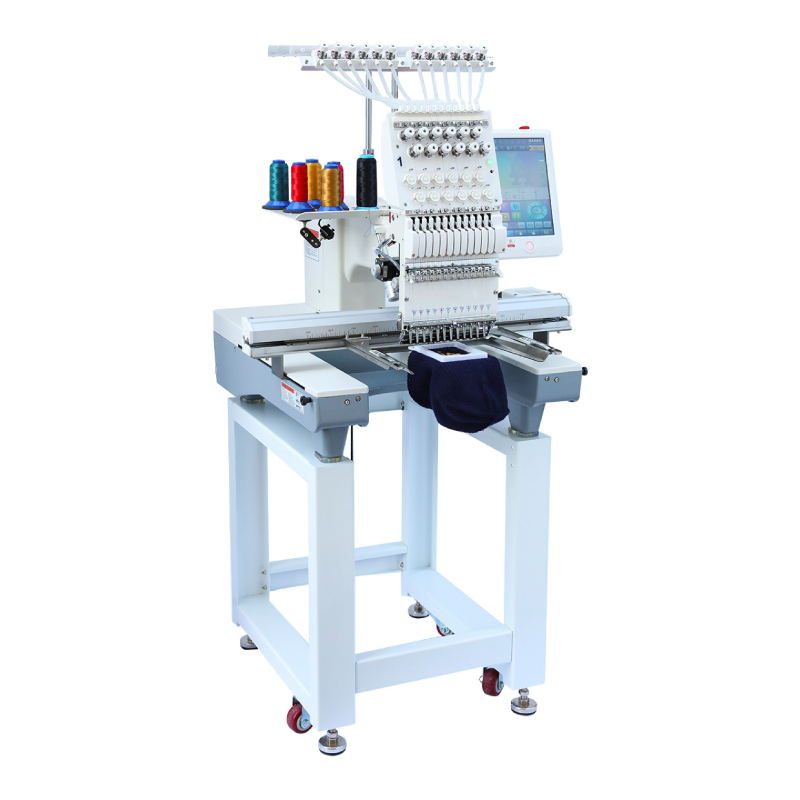
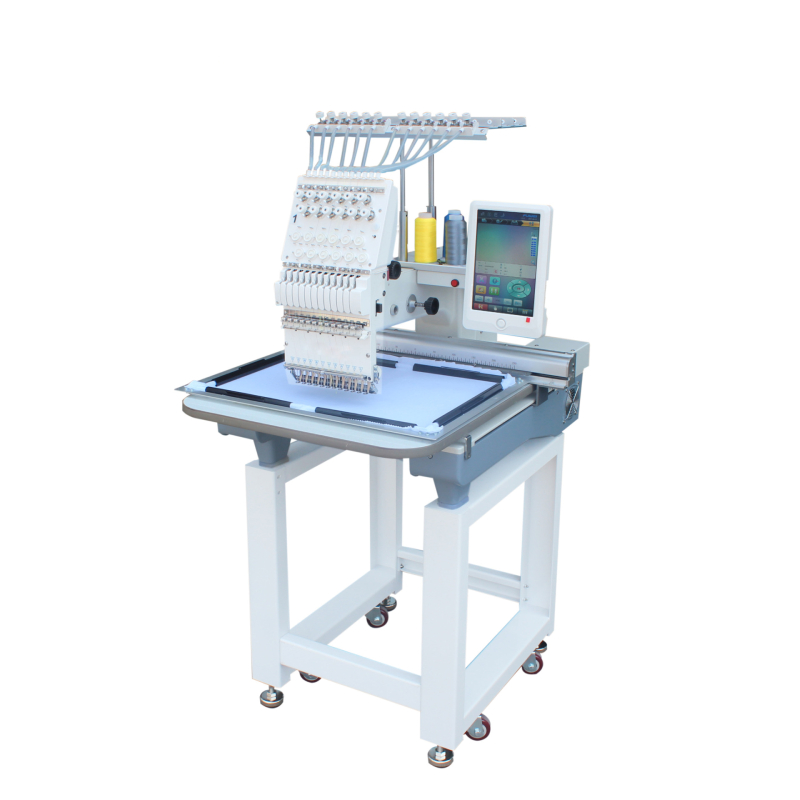
Local businesses are increasingly moving away from outdated mechanical systems. The integration of an embroidery machine single head for bespoke boutique work alongside industrial lines is becoming the standard for versatile production houses in Sydney and Melbourne.
Evolution and Trajectory of Embroidery Technology

From manual craftsmanship to AI-driven automated precision.

Market Development History

In the late 20th century, the Australian textile scene relied heavily on manual and semi-automatic machinery. Production was slow, and the ability to scale designs across multiple garments was limited by human error and mechanical rigidity.

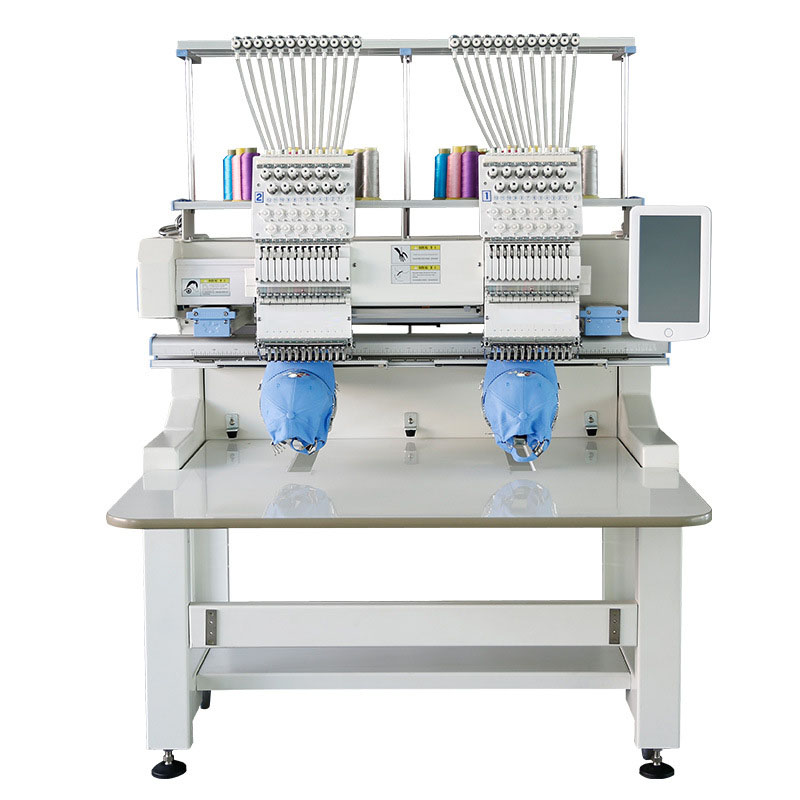
Between 2005 and 2015, the transition to computerized systems began. The introduction of the cap embroidery machine revolutionized the sportswear and corporate branding market, allowing for precise curved-surface stitching at scale.

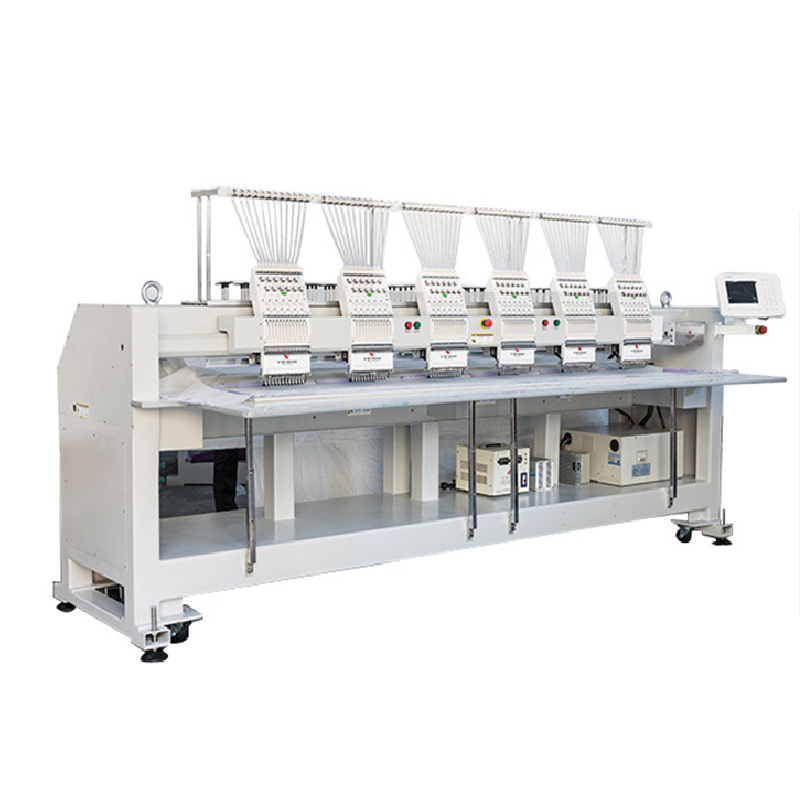
From 2016 to the present, the "Industry 4.0" wave has brought cloud-integrated software and IoT connectivity, enabling operators to send complex designs from a tablet directly to a 4 head embroidery machine with zero downtime.

Future Development Trends

Sustainable Material Compatibility

Upcoming iterations will focus on tension algorithms specifically designed for recycled ocean plastics and organic Australian cottons to reduce thread breakage.

AI-Driven Pattern Optimization

Integration of AI to automatically adjust stitch density based on fabric elasticity, reducing the need for manual sampling and trial-and-error.

Hyper-Local Micro-Factories

A trend toward distributed manufacturing where high-speed digital units allow brands to produce "on-demand" in local urban hubs, eliminating long shipping lead times.

Future Trends and Strategic Outlook

Predicting the next 5 years of embroidery innovation in the Oceania region.

Smart Automation Integration
Transitioning toward fully autonomous thread-cutting and automatic color-change systems to reduce labor dependency.
Eco-Friendly Production
Implementation of energy-efficient servo motors and biodegradable thread options to meet Australian green standards.
Modular Scalability
Modular head configurations that allow businesses to expand from a single head to a multi-head setup seamlessly.
Cloud-Based Design Sync
Real-time synchronization between design studios and production floors via 5G connectivity.

Industry Outlook

Based on Google search trends in the Oceania region, there is a rising interest in "sustainable fashion" and "on-demand embroidery." This indicates that the market is shifting toward high-agility equipment that can handle diverse, small-scale orders with zero waste.

We expect the Australian market to prioritize machines that offer the highest E-E-A-T (Experience, Expertise, Authoritativeness, and Trustworthiness) in terms of technical support and durability, as the remote geography makes reliable machinery non-negotiable.

Localized Application Scenarios in Australia

Real-world implementations of professional embroidery equipment across diverse Australian sectors.

01. Corporate Branding for Sydney Business Hubs

Using a multi head embroidery machine to produce thousands of high-quality polo shirts and blazers for corporate offices, ensuring brand consistency across all employee uniforms.

02. Professional Sports Gear in Melbourne

Utilizing a specialized cap embroidery machine to create high-definition logos on team caps and performance wear for the AFL and other regional sports leagues.

03. Boutique Artisan Labels in Perth

Employing an embroidery machine single head for high-end, one-off couture pieces and customized luxury accessories for independent fashion designers.

04. Regional Workwear Production in Queensland

Deploying a 4 head embroidery machine to handle heavy-duty canvas workwear and safety gear for the mining and agricultural sectors, emphasizing durability and thick-fabric penetration.

05. Educational & School Uniforms Nationwide

Implementing digital embroidery machine systems to manage seasonal peaks in school uniform demand, providing rapid turnaround for school crests and name tags.

Brand Story

The Global Development Journey of Xingtai Pufa Trading Co., Ltd.

Foundation of Precision

Established with a vision to bridge the gap between industrial power and artistic precision, focusing on the core mechanics of textile machinery.

Technological Pivot

Transitioned from traditional mechanical components to fully integrated digital control systems, enhancing user accessibility and design flexibility.

Global Market Expansion

Expanded operations into the Oceania region, tailoring equipment to meet the unique environmental and economic demands of the Australian market.

Innovation Leadership

Became a recognized leader in solving "difficult fabric" problems, developing specialized tensioners for industrial-grade materials.

Future-Ready Commitment

Dedicated to the pursuit of sustainable manufacturing, integrating energy-saving tech and AI to empower the next generation of textile entrepreneurs.

Australian Customer FAQ

Expert answers to common technical and commercial questions in the textile industry.

How do I choose between a 4 head embroidery machine and a multi head system?

The choice depends on your order volume. A 4-head machine is ideal for small-to-medium businesses needing versatility, while a larger multi-head system is designed for high-volume industrial production with maximum efficiency.

Is a digital embroidery machine compatible with standard Australian design software?

Yes, our digital systems support all major industry-standard formats (such as .DST and .PES), ensuring seamless integration with the software tools used by Australian designers.

What are the maintenance requirements for a cap embroidery machine in humid climates?

In humid regions like Queensland, we recommend regular lubrication of the moving parts and using high-quality anti-static thread to prevent breakage and ensure smooth operation.

Can an embroidery machine single head be upgraded to a larger system later?

While a single head is a standalone unit, our modular ecosystem allows you to add additional multi-head machines that share the same software and design library for consistent scaling.

What is the average lead time for shipping industrial embroidery equipment to Australia?

Depending on the customization and shipping method, lead times typically range from 3 to 6 weeks, including customs clearance and final delivery to your facility.

Do you provide technical training for operating multi head embroidery machines?

Yes, we provide comprehensive digital manuals and remote video training sessions to ensure your operators can maximize the machine's potential and maintain it correctly.

Ready to Scale Your Production?

Contact our expert team today for a tailored consultation on the best embroidery solutions for your business in Australia.

Contact Us Now

If you are interested in our products, you can choose to leave your information here, and we will be in touch with you shortly.