High-Precision digital embroidery machine Solutions for Hungary's Textile Industry

Empowering Hungarian garment manufacturers with advanced automation, from boutique studios to industrial-scale production lines.

The Landscape of Textile Machinery in Hungary

Analyzing the intersection of traditional Central European craftsmanship and modern industrial automation.

Hungary possesses a rich heritage in textile production, particularly in the regions surrounding Budapest and Debrecen. Currently, the market is transitioning from manual labor to automated systems to combat rising labor costs and the need for higher precision in luxury apparel and corporate branding.

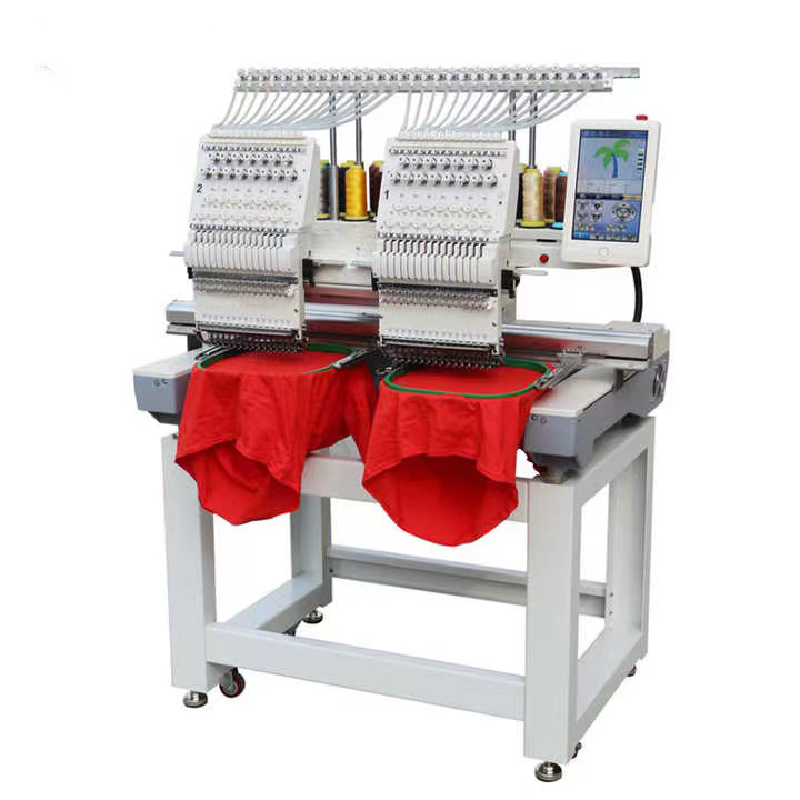
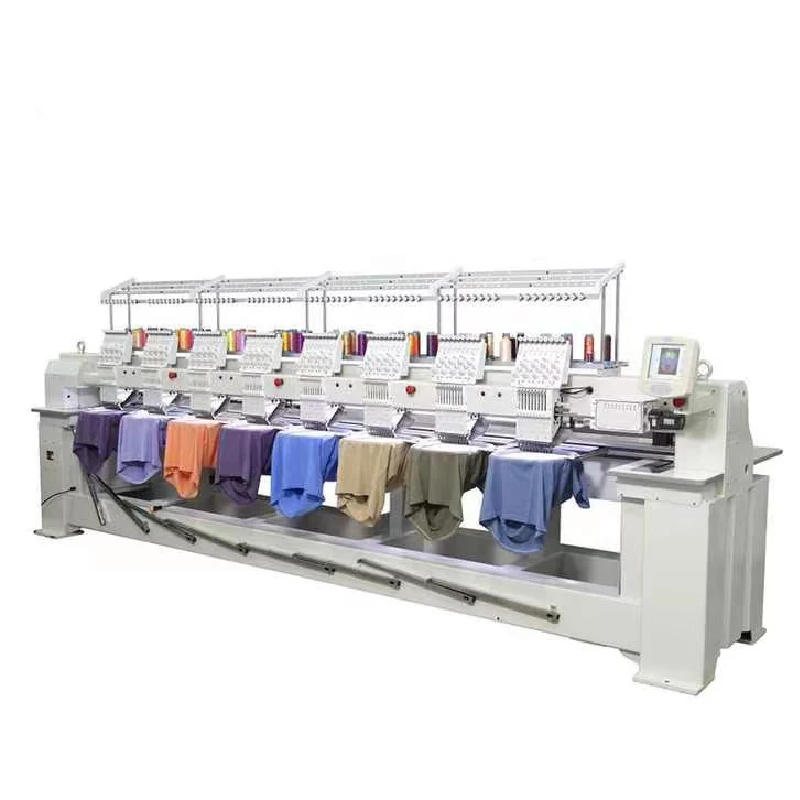
The demand for a multi head embroidery machine has surged as local factories seek to scale their production of high-end uniforms and traditional Hungarian folk-inspired textiles while maintaining strict EU quality standards.

Given the seasonal nature of the European fashion cycle, Hungarian businesses are prioritizing versatility. The ability to switch between flat garments and accessories using a cap embroidery machine has become a competitive necessity for local promotional product suppliers.
Evolution and Trajectory of Embroidery Technology

From mechanical looms to AI-driven precision stitching.

Market Development History

In the late 20th century, the Hungarian textile sector relied heavily on mechanical single-needle machines. Production was slow, and designs were limited to simple geometric patterns, requiring immense manual skill for complex work.

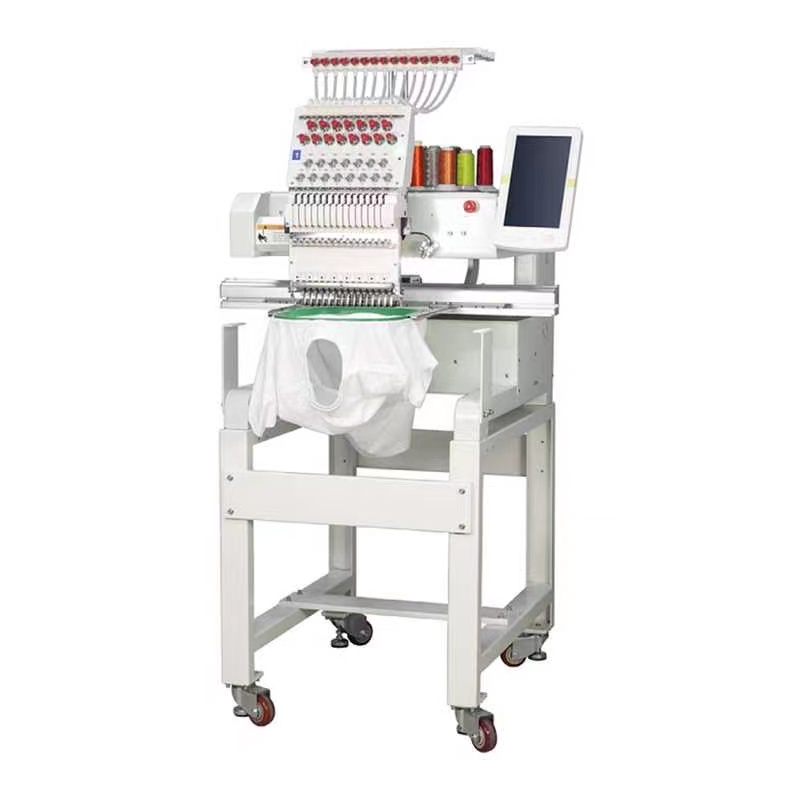
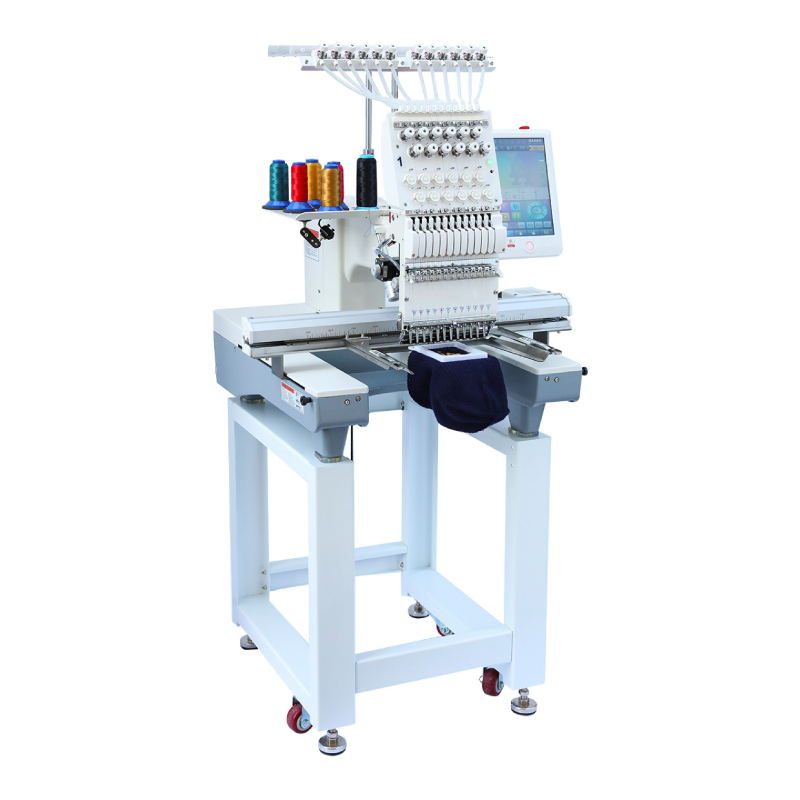
Around 2010, the introduction of computerized control shifted the paradigm. The adoption of the embroidery machine single head allowed small workshops to digitize their patterns, reducing error rates and increasing the speed of sample production.

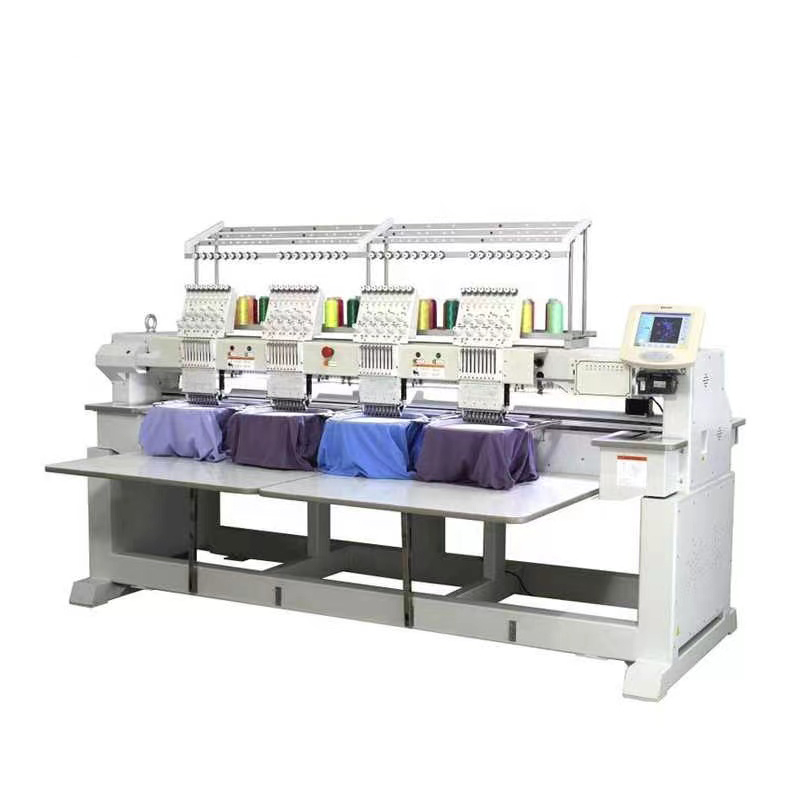
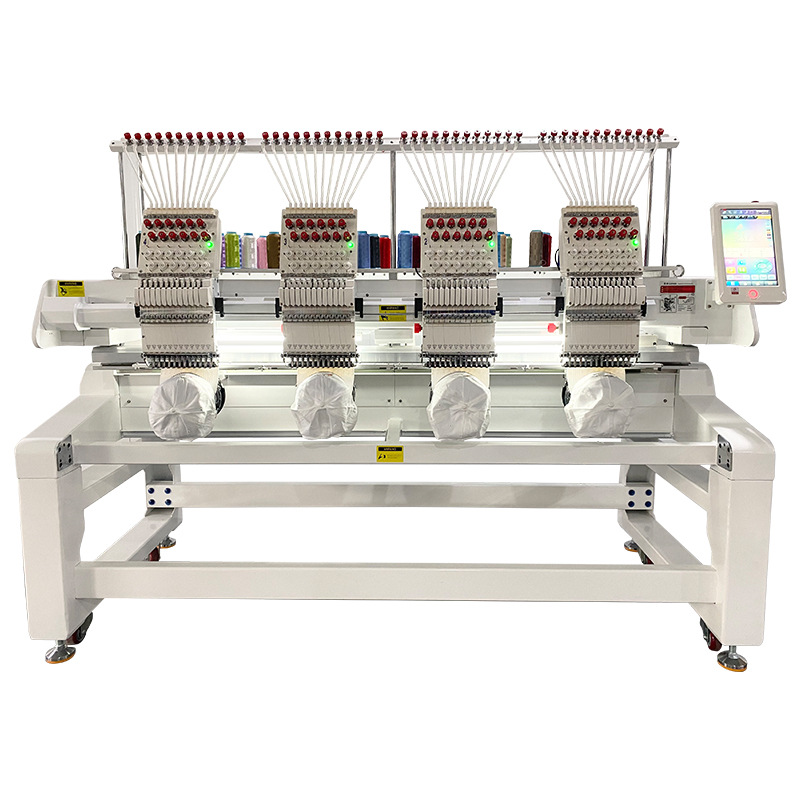
By 2020, the industry entered the era of integrated automation. The widespread use of a 4 head embroidery machine enabled mid-sized enterprises to balance output volume with space efficiency, bridging the gap between artisanal work and mass production.

Future Development Trends

IoT-Integrated Production

Future systems will feature cloud-based monitoring, allowing Hungarian factory managers to track real-time stitch counts and machine health remotely via mobile devices.

Sustainable Threading Systems

A shift toward biodegradable threads and energy-efficient servo motors to comply with the European Green Deal's stringent environmental regulations.

AI-Driven Pattern Optimization

Integration of AI to automatically adjust tension based on fabric density, minimizing thread breakage and material waste in complex digital designs.

Industry Trends and Future Outlook

Strategic directions for the specialized equipment sector in the Hungarian market.

Hyper-Personalization
Growing consumer demand for customized apparel is driving the need for fast-turnaround, small-batch digital stitching.
Smart Factory Integration
Integration of embroidery modules into full-cycle automated garment production lines for maximum throughput.
Material Diversity
Developing equipment capable of handling technical fabrics, recycled polyesters, and heavy leathers.
Energy Efficiency
Reduction of carbon footprints per unit through optimized motor technology and low-power electronics.

Industry Outlook

The Hungarian market is expected to see a 15% increase in the adoption of multi-head systems as local businesses target the wider EU export market. The trend is shifting from "volume at any cost" to "precision and sustainability."

Data suggests that search trends for "automated textile solutions" in Central Europe are peaking, indicating a strong appetite for technology that reduces manual dependency while increasing creative freedom.

Localized Application Scenarios in Hungary

Practical implementations of embroidery technology across various Hungarian business sectors.

1. Traditional Folk Art Modernization

Using a digital embroidery machine to replicate complex Matyó and Kalocsa embroidery patterns, allowing traditional crafts to be scaled for the modern tourism market.

2. Corporate Identity for Budapest Firms

Implementing a 4 head embroidery machine for the rapid production of branded polo shirts and office wear for the growing fintech and service sectors in the capital.

3. Sportswear Branding in Debrecen

Utilizing a specialized cap embroidery machine to provide high-quality logo application for local sports clubs and athletic academies.

4. Boutique Fashion Design Studios

Adopting the embroidery machine single head for haute couture creators who require total control over limited edition garment embellishments.

5. Industrial Workwear Production

Deploying a multi head embroidery machine to handle large-volume orders of durable, high-visibility safety gear for Hungary's automotive manufacturing plants.

Brand Story

Global Development Journey of Xingtai Pufa Trading Co., Ltd.

Foundation and Vision

Established with a mission to democratize high-end embroidery technology, we began by solving the reliability issues of early digital stitching systems.

Technical Breakthroughs

We engineered proprietary tension control systems that eliminated the most common causes of thread breakage in industrial environments.

European Market Entry

Expanding into Europe, we adapted our machines to meet CE standards and the specific aesthetic requirements of the European textile industry.

Customer-Centric Growth

By building a global support network, we ensured that downtime was minimized for our clients from Hungary to Italy.

The Future of Stitching

Today, we focus on AI integration and sustainable manufacturing to lead the next generation of the specialized equipment industry.

Common Questions from Hungarian Clients

Technical guidance and procurement advice for local textile businesses.

How do I choose between a 4 head embroidery machine and a multi head system?

If your production volume is moderate and space is limited, the 4 head system is ideal. For large-scale industrial orders, a multi head system maximizes efficiency and reduces cost per unit.

Can a digital embroidery machine handle traditional Hungarian fabrics?

Yes, our machines feature adjustable tension and pressure settings specifically designed to handle varying fabric densities, from light linens to heavy traditional wools.

What is the best cap embroidery machine for promotional headwear?

We recommend models with automated cap-hooping systems that ensure perfectly centered designs and reduce the manual setup time per piece.

Is an embroidery machine single head suitable for home-based businesses in Hungary?

Absolutely. The single head machine provides professional-grade quality with a compact footprint, making it perfect for artisans and boutique designers.

What maintenance is required for industrial embroidery equipment in EU climates?

Regular lubrication of the moving parts and cleaning of the bobbin area are essential. We provide detailed maintenance schedules tailored to European environmental conditions.

Do you provide software training for digital embroidery designs?

Yes, every machine comes with a comprehensive guide, and we offer remote training sessions to help you master the digitizing software for complex patterns.

Ready to Transform Your Production?

Our experts are ready to help you select the perfect machinery for your business in Hungary.

Contact Us Now

If you are interested in our products, you can choose to leave your information here, and we will be in touch with you shortly.