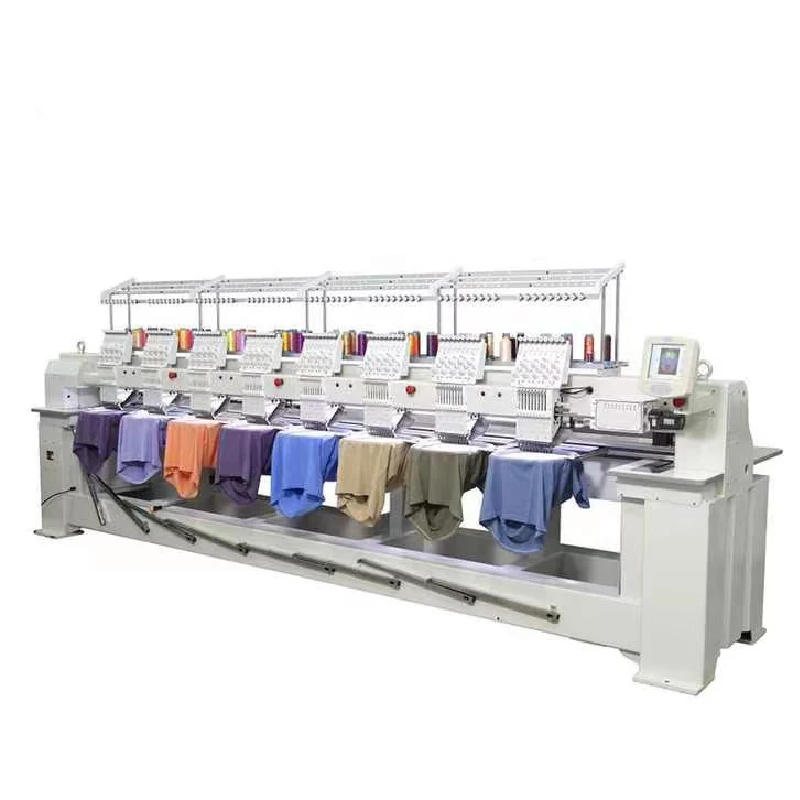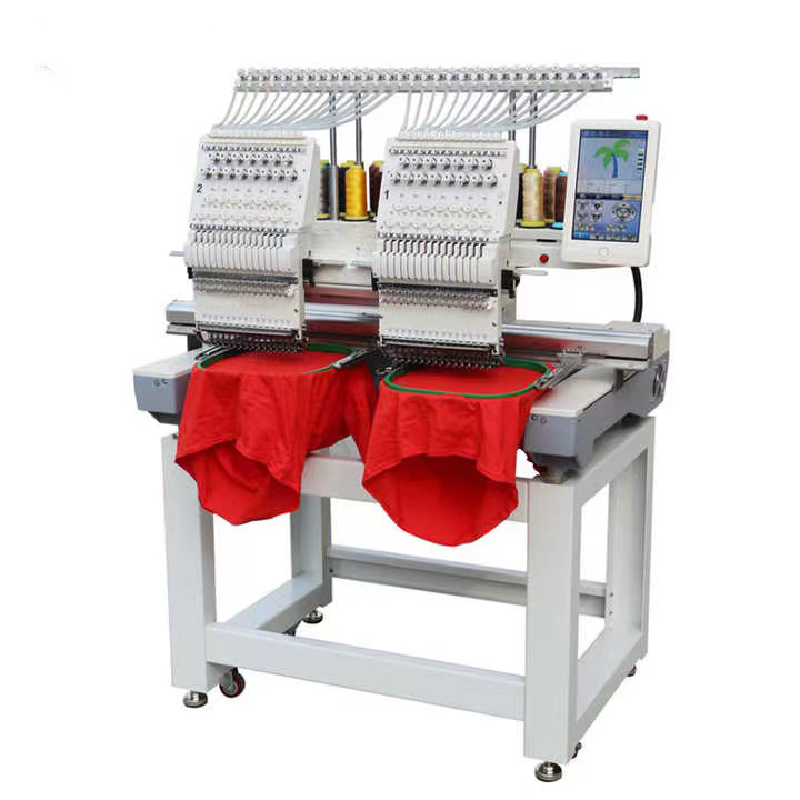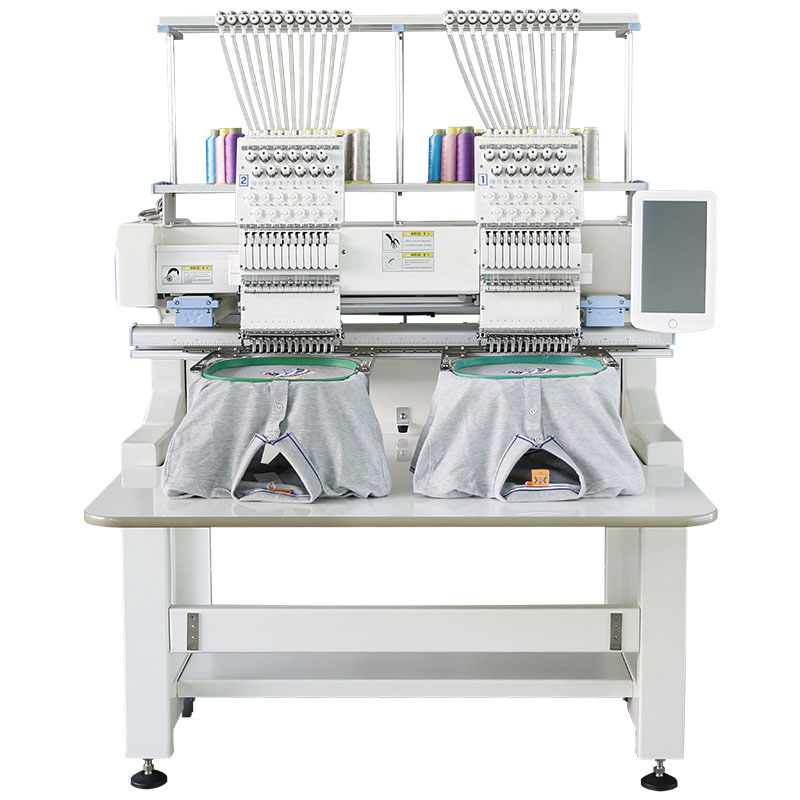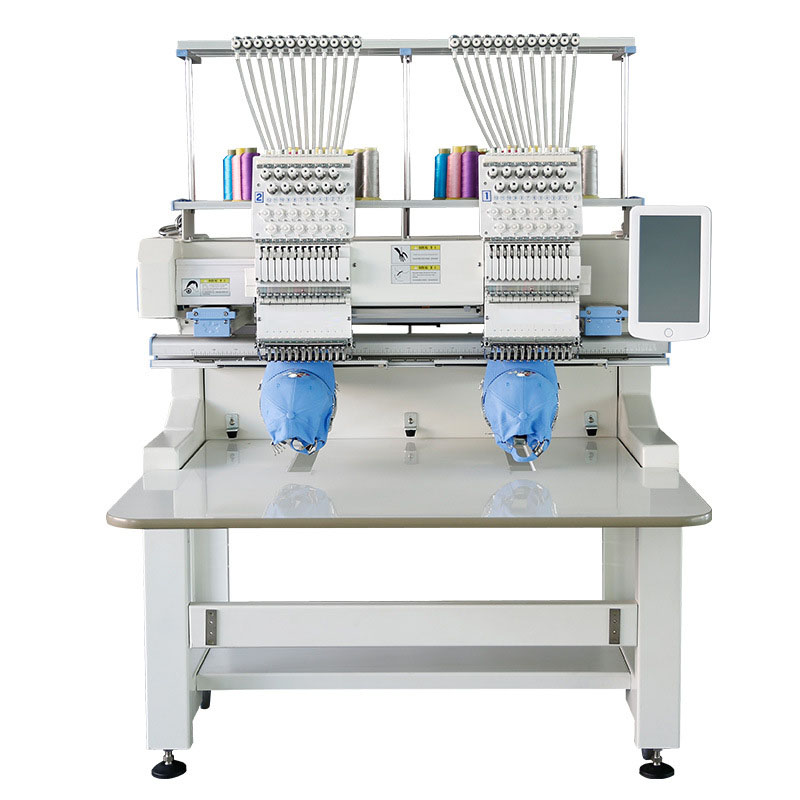

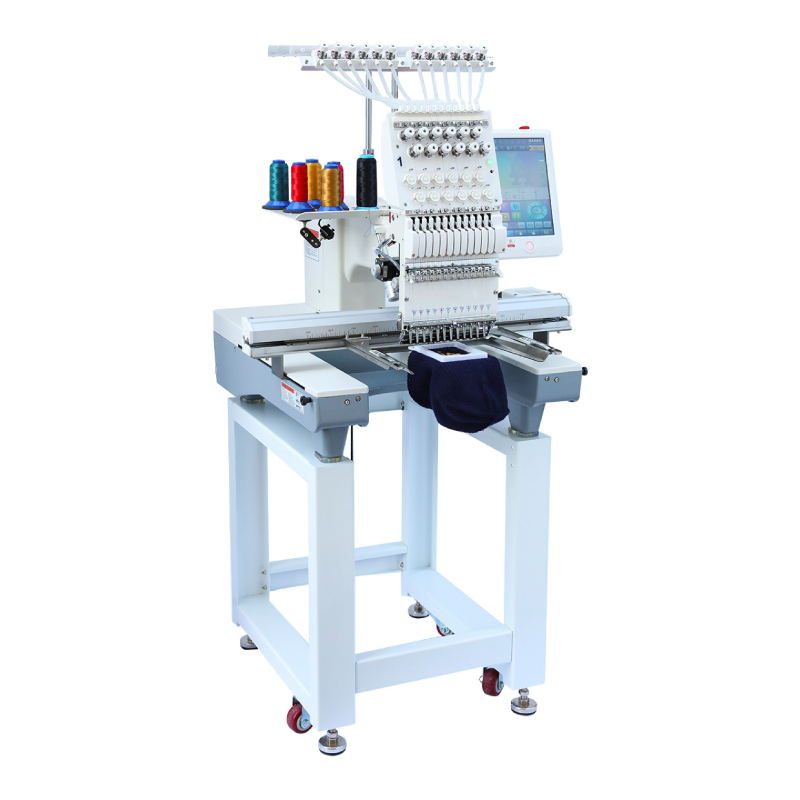
Kenya's textile sector, particularly in Nairobi and Thika, is currently transitioning from manual artisan work to semi-automated production. However, the humid tropical climate and occasional voltage fluctuations in local power grids pose significant challenges to the electronics of a multi head embroidery machine, requiring equipment with superior voltage stabilization and cooling systems.
Small to medium enterprises (SMEs) in Kenya are increasingly demanding versatility. There is a noticeable shift toward machines that can handle both flat garments and structured headwear, driving the adoption of the cap embroidery machine to cater to the growing corporate branding and sports apparel market in East Africa.
Economically, the "Buy Kenya, Build Kenya" initiative has spurred local demand for high-efficiency equipment. Manufacturers are moving away from outdated mechanical looms toward a digital embroidery machine to reduce waste, improve thread accuracy, and meet international export standards for the AGOA market.