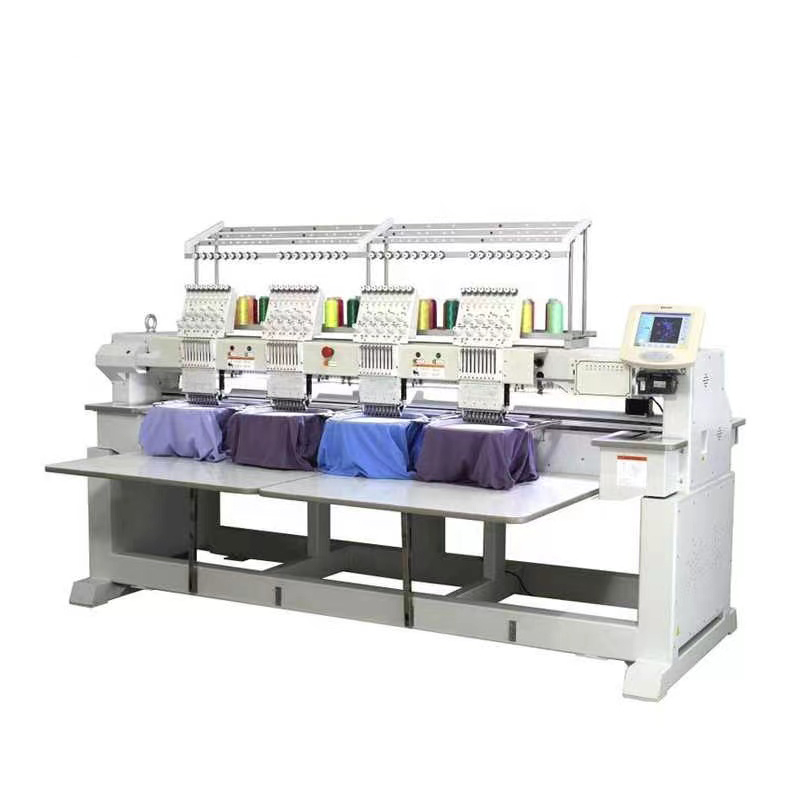
Industrial digital embroidery machine Solutions for Philippines Garment Sector

Empowering Filipino textile entrepreneurs with precision engineering and scalable automation to dominate the Southeast Asian fashion market.

The Current Landscape of Embroidery Manufacturing in the Philippines

Analyzing the synergy between traditional craftsmanship and modern automation in the Archipelago.

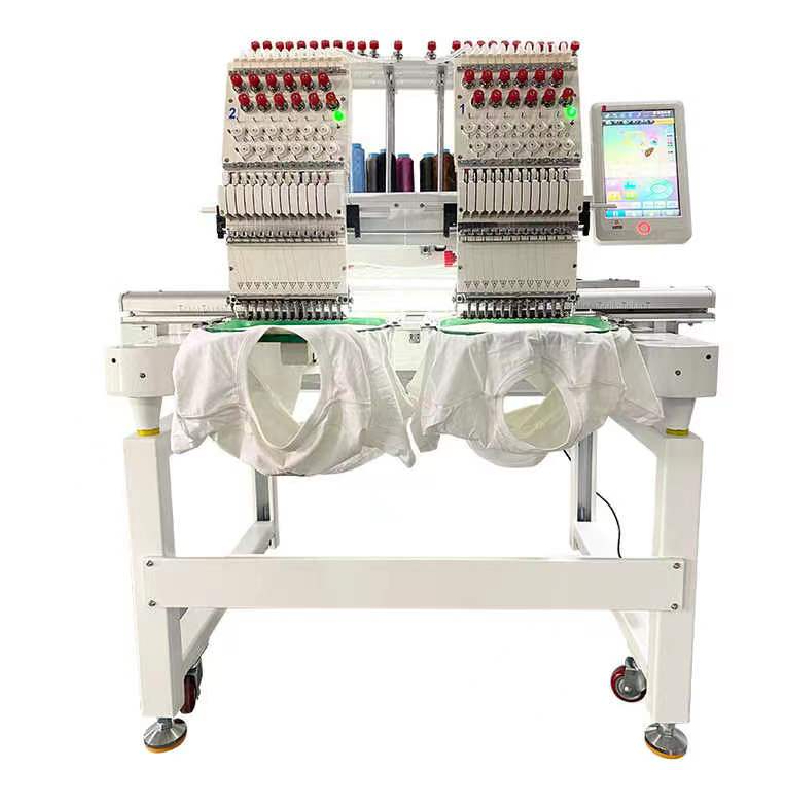
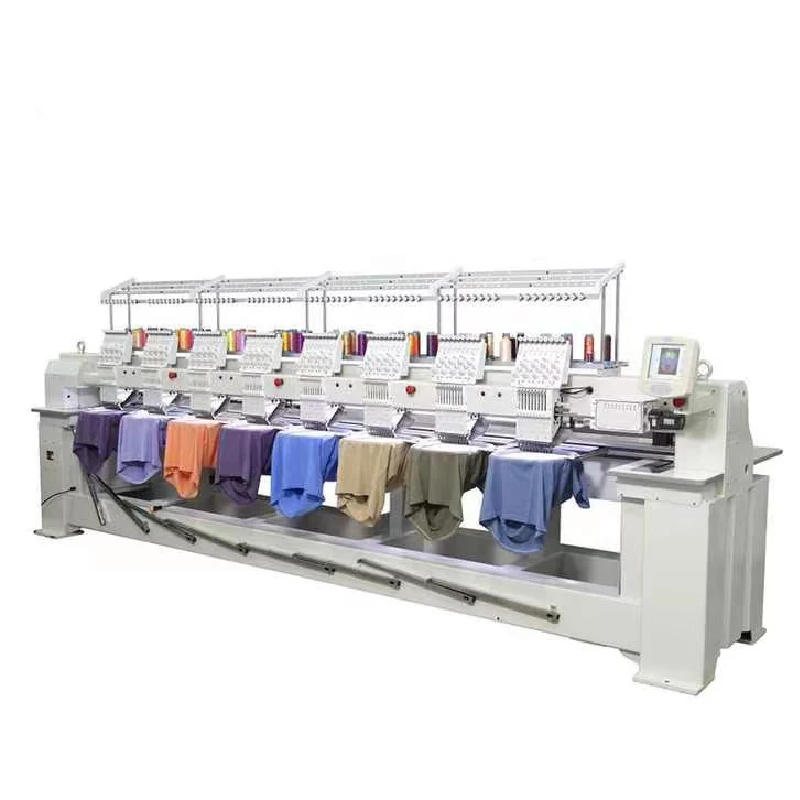
The Philippine garment industry is currently navigating a transition from manual artisanal work to automated precision. In hubs like Metro Manila and Cebu, there is a surging demand for a multi head embroidery machine to keep up with the rapid growth of corporate uniforms and tourism-related apparel.

Environmental factors, particularly the high humidity of the tropical climate, pose a challenge to machine longevity. Local manufacturers are increasingly seeking equipment with anti-corrosive components and stable electronic systems to ensure consistent stitch quality during the monsoon seasons.

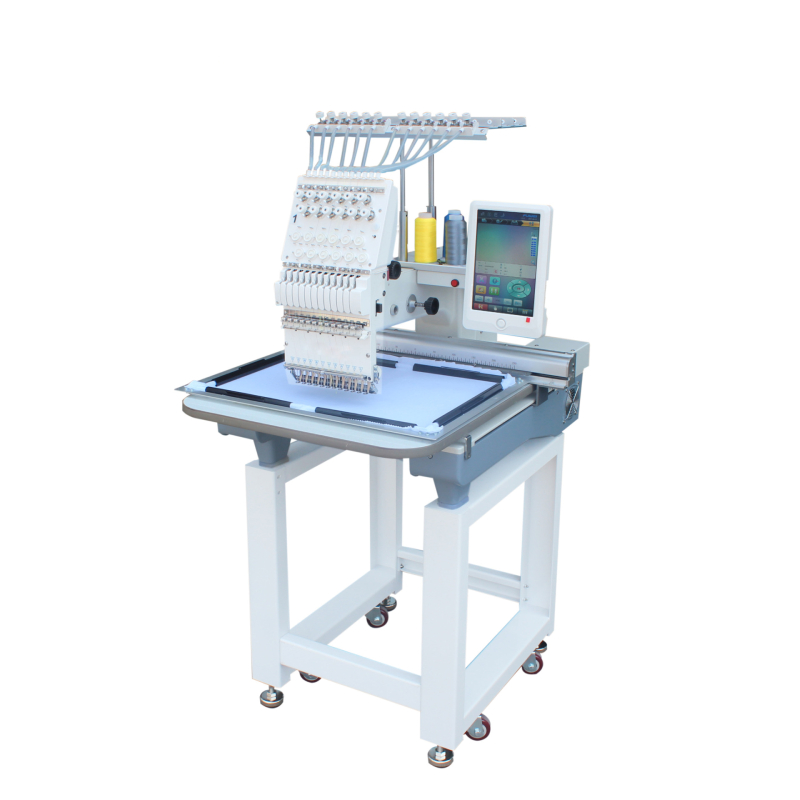
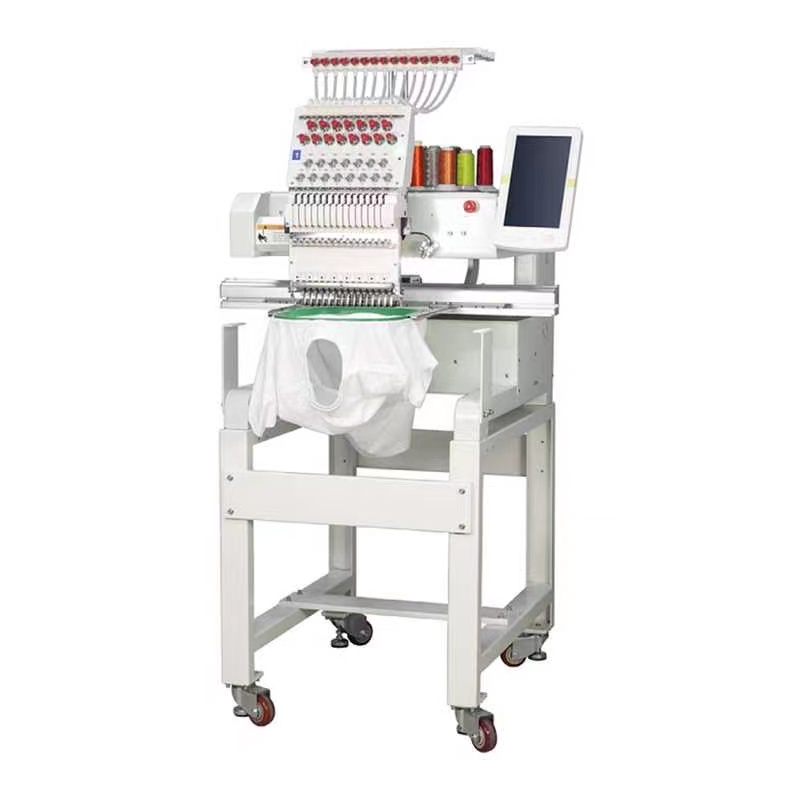
Economic shifts toward "Fast Fashion" and localized branding have created a niche for the embroidery machine single head, allowing small-to-medium enterprises (SMEs) in provinces to offer customized luxury embroidery without massive capital expenditure.
Evolution and Trajectory of Embroidery Technology

From mechanical needles to AI-driven digital precision.

Market Development History

Between 1990 and 2010, the Philippine market relied heavily on imported mechanical machines. Production was slow, and design changes required manual reconfiguration, limiting the scalability of local textile brands.

The 2011-2018 era marked the "Digital Pivot." The introduction of the digital embroidery machine allowed for USB-based pattern transfers, drastically reducing setup time and enabling the rise of the custom merchandise industry in the Philippines.

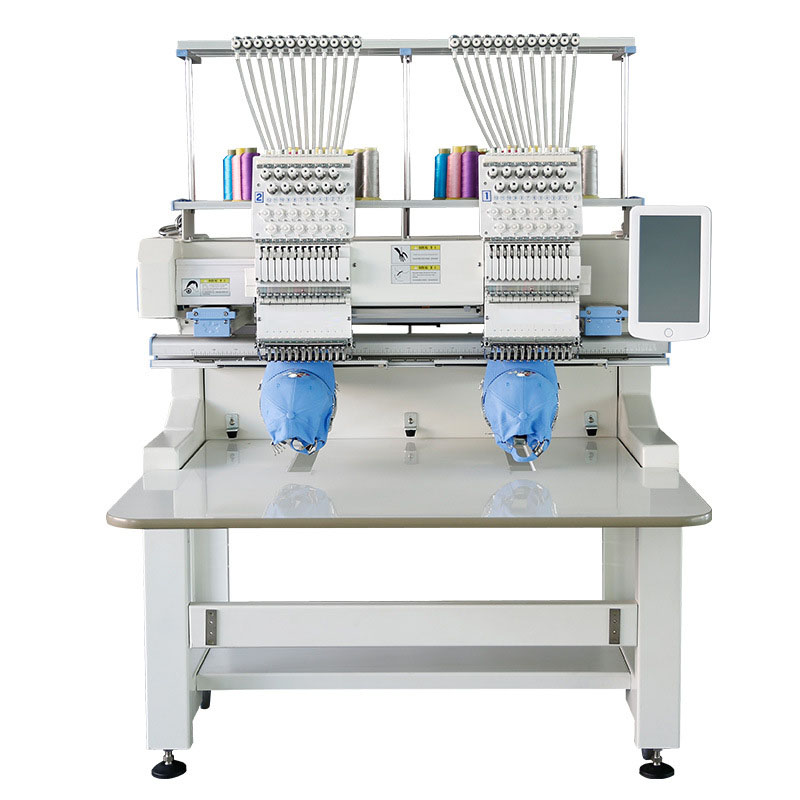
From 2019 to the present, we have seen a shift toward specialized equipment. The demand for a cap embroidery machine surged as sportswear and corporate headwear became primary exports and local staples.

Future Development Trends

IoT-Integrated Remote Monitoring

Integration of cloud-based management systems will allow factory owners in Manila to monitor production status across multiple provincial branches in real-time.

Eco-Friendly Thread Compatibility

Driven by global sustainability trends, future machines will be optimized for recycled polyester threads to meet international ESG standards for export.

AI-Driven Pattern Optimization

Automatic tension adjustment based on fabric thickness will minimize thread breakage, increasing the efficiency of a 4 head embroidery machine by up to 20%.

Industry Trends and Future Outlook

Strategic foresight for the Philippine textile machinery market.

Hyper-Customization
Shift toward small-batch, high-value customized embroidery for the growing Filipino middle class.
Energy Efficiency
Implementation of servo-motor technology to reduce electricity costs in Philippine industrial zones.
Material Diversification
Machines capable of handling traditional Philippine pineapple fiber (Piña) and modern synthetics.
Rapid Prototyping
Reducing lead times from design to physical sample via high-speed digital interfaces.

Industry Outlook

Based on Google search trend data, there is an increasing volume of queries for "small business embroidery" and "on-demand garment production" in the Philippines, suggesting a move toward decentralized, agile production units.

The next 3-5 years will see a convergence of e-commerce and manufacturing, where digital patterns are sold online and produced locally using high-efficiency machinery, reducing the reliance on expensive imports.

Localized Application Scenarios in the Philippines

Real-world deployment of embroidery technology across various Filipino sectors.

1. BPO Corporate Identity Branding

Using a multi head embroidery machine to produce thousands of identical high-quality polos and ID lanyards for the booming Call Center industry in Metro Manila.

2. Tourism & Souvenir Apparel

Deploying a cap embroidery machine in Boracay and Palawan to create custom headwear for tourists featuring local island motifs.

3. Modernized Traditional Wear (Barong Tagalog)

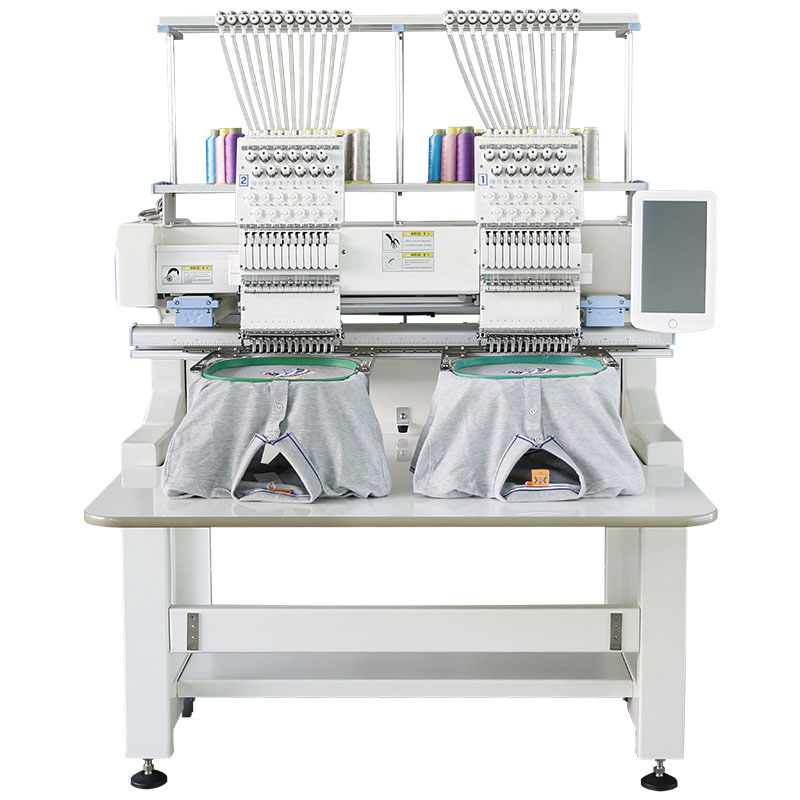
Applying a digital embroidery machine to refine the intricate patterns of traditional Filipino attire, blending ancestral art with modern speed.

4. School & University Uniforms

Implementing a 4 head embroidery machine to efficiently handle seasonal peaks in school crest and logo embroidery during the academic enrollment period.

5. Boutique Fashion Start-ups

Utilizing an embroidery machine single head for "slow fashion" designers in Makati to create limited edition, high-margin couture pieces.

Brand Story

Global Development History of Xingtai Pufa Trading Co., Ltd.

The Foundation of Precision

Founded with a vision to democratize textile technology, we began by solving the core issue of stitch inconsistency in early industrial machines.

Digital Transformation Era

We pioneered the integration of user-friendly digital interfaces, making complex embroidery accessible to non-technical operators worldwide.

Expanding to Southeast Asia

Recognizing the potential of the Philippines, we optimized our hardware to withstand tropical environments, ensuring 24/7 operational reliability.

Customer-Centric Innovation

By listening to garment factory owners, we developed the modular head system, allowing businesses to scale their capacity as they grow.

The Future of Textile Art

Today, we stand as a global leader committed to bridging the gap between industrial efficiency and artistic expression in every stitch.

Common Questions for Philippine Embroidery Businesses

Expert answers to the most frequent technical and commercial queries.

How do I choose between a 4 head embroidery machine and a multi head system?

For small-to-medium batches (50-200 pieces), a 4 head machine is ideal. For mass corporate orders, a larger multi head system maximizes throughput and reduces per-unit cost.

Is a digital embroidery machine compatible with traditional Filipino fabrics?

Yes, our digital machines feature adjustable tension and pressure settings specifically designed to handle delicate fabrics like Piña and Jusi without causing tears.

What are the maintenance requirements for a cap embroidery machine in humid climates?

We recommend daily lubrication of moving parts and the use of a dehumidifier in the workspace to prevent oxidation and ensure the precision of the cap frames.

Can an embroidery machine single head be upgraded to a larger system?

While the physical frame is fixed, the software and design files are fully compatible. We suggest starting with a single head for sampling and expanding your fleet as demand grows.

What is the typical lead time for shipping industrial embroidery equipment to Manila?

Depending on the configuration and shipping method, lead times generally range from 15 to 30 days, including customs clearance and local delivery.

Do you provide training for operators on digital embroidery software?

Yes, every purchase includes a comprehensive digital onboarding guide and remote training sessions to ensure your team can maximize the machine's capabilities.

Ready to Scale Your Production?

Contact our specialists today for a customized equipment quote tailored to the Philippines market.

Contact Us Now
Contact Us
  • Read More About professional embroidery machine
  • Read More About professional embroidery machine
  • Read More About computer embroidery machine
  • ins
  • Pinterest
Inquiry For Pricelist

If you are interested in our products, you can choose to leave your information here, and we will be in touch with you shortly.