Industrial Embroidery Solutions with digital embroidery machine for Gambia Market

Empowering the Gambian textile industry with high-precision automation to elevate local garment production and artisanal craftsmanship.

Current State of Textile Machinery in Gambia

Analyzing the intersection of traditional craft and modern automation in West Africa.

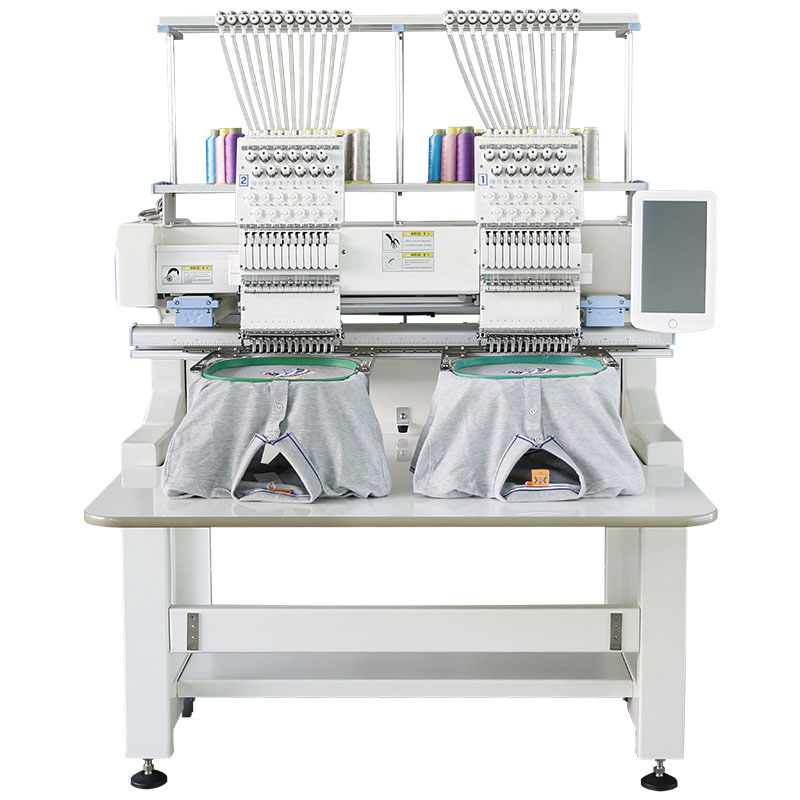
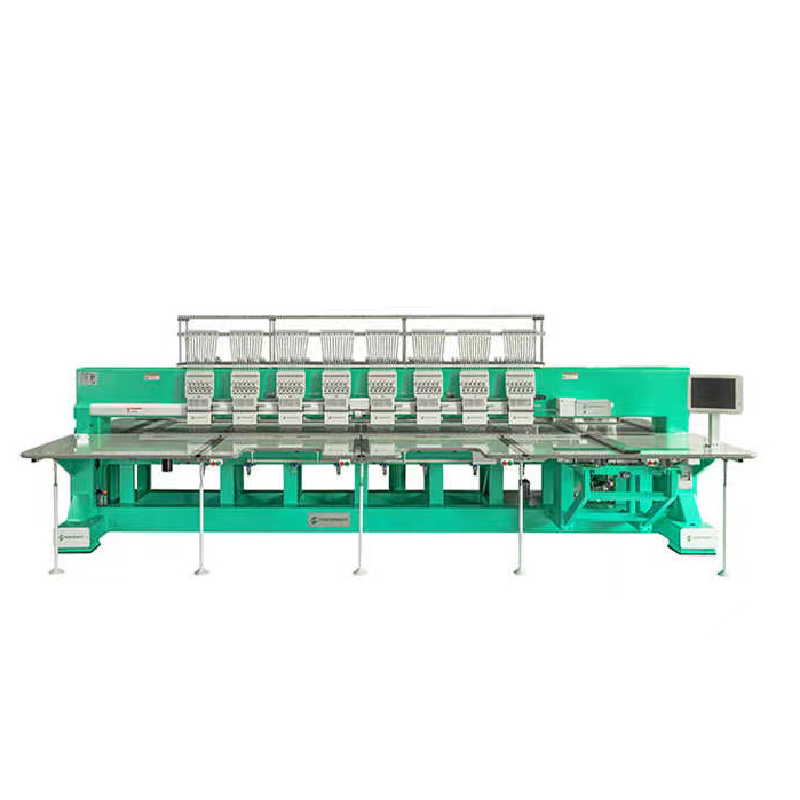
In Gambia, the textile sector is characterized by a vibrant mix of traditional weaving and a growing demand for ready-to-wear apparel. However, many local workshops still rely on manual processes or outdated equipment, which limits their ability to compete with imported mass-produced garments. The introduction of a multi head embroidery machine is becoming a game-changer for local entrepreneurs seeking to scale their production.

Environmental factors, particularly high humidity and saline air from the Atlantic coast, pose significant challenges to machine longevity. There is a critical need for equipment that offers high corrosion resistance and stability. Local businesses are increasingly shifting toward a cap embroidery machine to tap into the booming corporate branding and sports apparel market in Banjul and Serekunda.

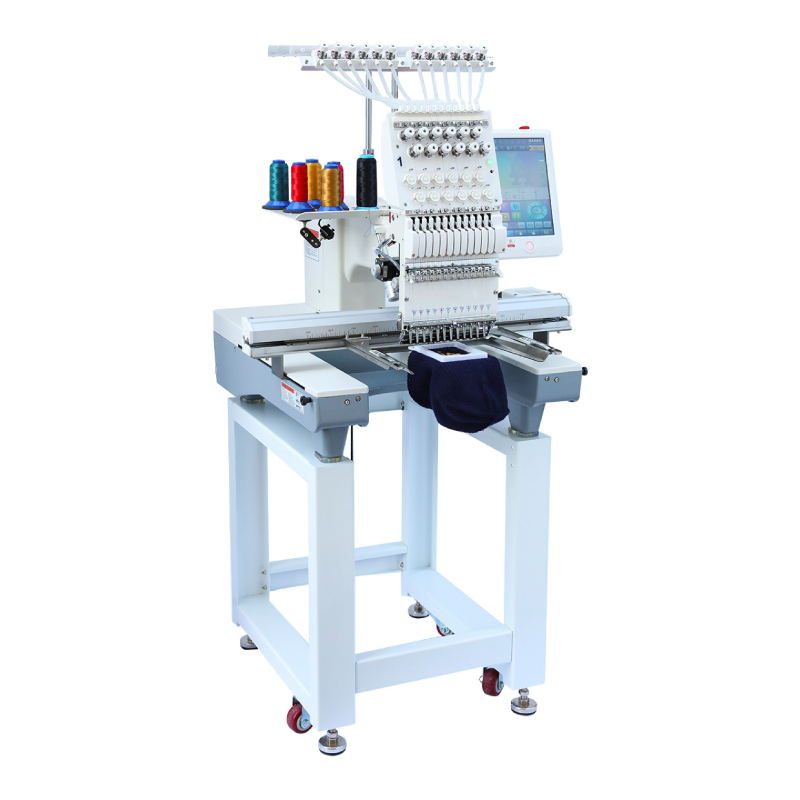
Economically, the Gambian market is seeing a rise in "Micro, Small and Medium Enterprises" (MSMEs). For these startups, an embroidery machine single head provides a low-entry barrier, allowing them to offer customized embroidery services without requiring massive industrial space or capital investment.
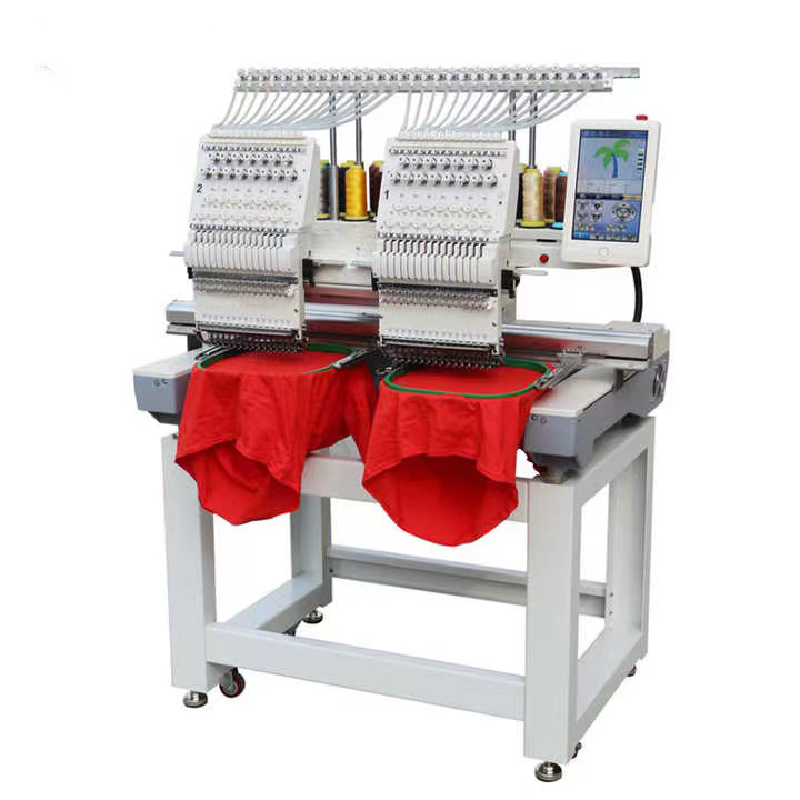
Evolution and Trajectory of Embroidery Technology

From manual needles to intelligent digital synchronization.

Market Development History

Prior to 2010, the Gambian embroidery landscape was dominated by hand-stitched patterns, reflecting deep cultural heritage but offering low scalability. The first wave of mechanization brought basic single-needle machines, which simplified the process but still required intense manual guiding.

Between 2010 and 2020, the transition to computerized systems began. The adoption of the digital embroidery machine allowed local designers to upload complex patterns via USB, drastically reducing the error rate and increasing the speed of production for traditional African attire.

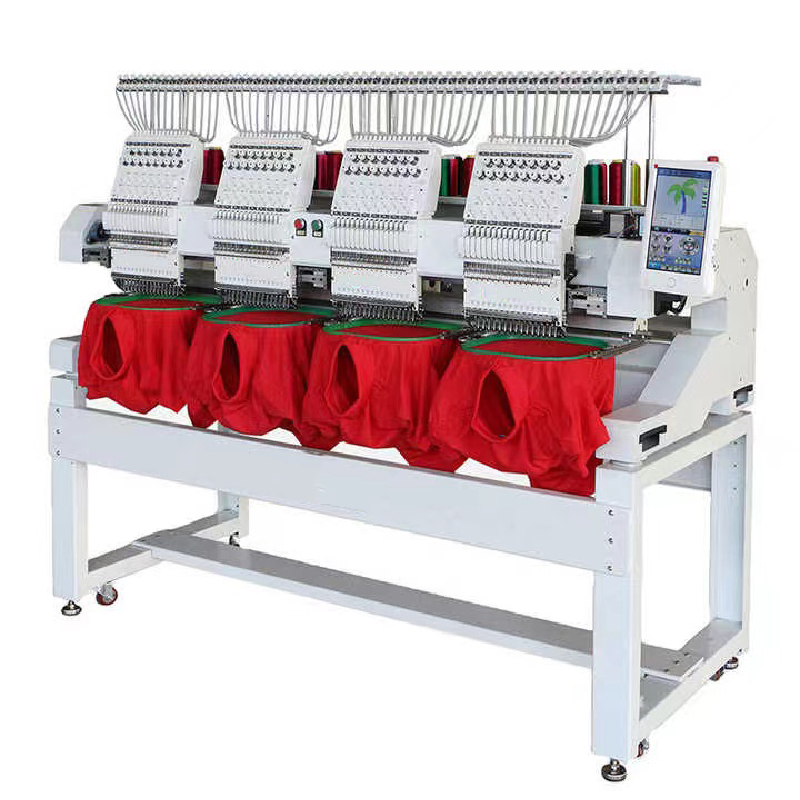
From 2021 to the present, the market has matured toward industrial efficiency. The demand for the 4 head embroidery machine has surged as local factories move from "custom-piece" production to "batch-order" fulfillment for regional exports.

Future Development Trends

IoT-Enabled Remote Diagnostics

Future machines will integrate cloud monitoring, allowing technicians in China to troubleshoot Gambian equipment remotely, reducing downtime caused by the lack of local specialized engineers.

Eco-Friendly Thread Systems

A shift toward biodegradable and recycled threads, combined with energy-efficient servo motors, will align the industry with global sustainability goals.

AI-Driven Pattern Optimization

Integration of AI to automatically adjust stitch density based on fabric thickness, specifically optimizing for the heavy brocades and lightweight cottons common in West African fashion.

Industry Trends and Future Outlook

Strategic foresight for the Gambian garment manufacturing sector.

Hyper-Localization
Developing patterns that blend traditional Gambian motifs with modern digital precision for the global diaspora market.
Modular Scaling
Shifting from single-head setups to multi-head configurations as local workshops evolve into small industrial hubs.
On-Demand Customization
Using digital interfaces to offer "instant" embroidery for tourists and local event attendees in the tourism sector.
Energy Resilience
Integrating voltage stabilizers and solar-compatible power units to combat local power grid instability.

Industry Outlook

Based on Google search trends for "textile automation Africa," there is a clear upward trajectory in the demand for mid-range industrial machines. Gambia is poised to become a regional hub for specialized embroidery, provided that the transition from manual to digital embroidery machine adoption is supported by technical training.

Over the next 3-5 years, we expect a surge in "micro-factories" that combine a 4 head embroidery machine with digital design software, allowing for high-margin, low-volume production that serves both the local market and the Gambian diaspora worldwide.

Localized Application Scenarios in Gambia

Practical implementations of embroidery technology across various Gambian sectors.

01. Corporate Branding in Banjul

Utilizing a cap embroidery machine to provide high-quality branded headwear for government agencies, NGOs, and the growing corporate sector in the capital city.

02. Traditional Attire Modernization

Using a multi head embroidery machine to replicate complex traditional West African motifs on Grand Boubou garments, reducing production time from weeks to hours.

03. Boutique Fashion Startups

Implementing an embroidery machine single head in small design studios to create unique, one-off luxury pieces for high-end clients and fashion shows.

04. School and Sports Uniforms

Deploying a 4 head embroidery machine for the efficient mass-production of school crests and sports club logos for educational institutions across the region.

05. Tourism Souvenir Production

Setting up digital embroidery machine stations in tourist hubs to create personalized towels and apparel for visitors, offering a customized shopping experience.

Brand Story

Global Development Journey of Xingtai Pufa Trading Co., Ltd.

Foundational Excellence

Established with a mission to bridge the gap between high-end industrial technology and emerging market accessibility in the textile machinery sector.

Technological Innovation

Perfecting the synchronization of multi-head systems to ensure that precision is maintained even in challenging environmental conditions.

Global Market Expansion

Expanding our footprint into the West African market, specifically tailoring our machines to withstand the unique climates of regions like Gambia.

Customer-Centric Support

Developing a robust after-sales network that provides digital training and remote support to ensure zero-downtime for our global partners.

Vision for the Future

Striving to be the primary catalyst for the industrialization of textile arts across Africa through sustainable and intelligent machinery.

Frequently Asked Questions in Gambia

Expert answers to common queries regarding embroidery machine operation and maintenance.

Which digital embroidery machine is best for a small business in Banjul?

For small startups, we recommend a single-head machine. It offers a balance of precision and space-efficiency, making it ideal for custom boutique work.

How does a 4 head embroidery machine improve production speed?

A 4-head machine allows you to embroider four identical garments simultaneously, effectively quadrupling your output per hour compared to a single-head system.

Can a cap embroidery machine handle thick materials?

Yes, our professional cap machines are designed with high-torque motors and specialized frames to handle everything from lightweight cotton caps to heavy canvas.

What is the maintenance requirement for a multi head embroidery machine in humid climates?

In humid areas like Gambia, we recommend daily lubrication of moving parts and using a dehumidifier or air conditioner in the workshop to prevent rust.

Is an embroidery machine single head suitable for traditional African fabrics?

Absolutely. Our machines support various fabric thicknesses and needle types, making them perfect for the rich textures found in Gambian traditional wear.

How do I transfer designs to my digital machine?

Designs are typically created in specialized software and transferred via USB drive directly into the machine's control panel for immediate execution.

Ready to Transform Your Textile Business?

Our experts are ready to provide tailored equipment recommendations for your specific needs in Gambia.

Contact Us Now

If you are interested in our products, you can choose to leave your information here, and we will be in touch with you shortly.
